

Air is part of a room, too. We think about the sofa, the paint, the flooring and how everything looks and feels, but how often do we think about what we’re breathing?
Materials and finishes can affect indoor air, along with everyday things like cooking, cleaning, moisture and even lighting a candle. We spend so much of our time indoors that these details deserve a closer look. And the good news is, improving the air doesn’t always mean replacing everything in your home.
So what really helps? Let’s look at ventilation, humidity, air purifiers, the materials we live with, and a few less obvious ideas. Some remove pollutants. Some prevent them from building up in the first place. Others simply make a room feel lovely, and there’s room for that distinction, too.
Want to compare a few exact products? The suggestions below come from Aalign’s existing reviewed Product Library or are clearly marked as new discoveries. The goal is to help you choose what solves the problem, not send you home with six machines.
Some product links may earn Aalign a commission at no additional cost to you. Best, Better and Good describe Aalign’s evaluation of the exact product, within its category. They aren’t price tiers. Anything marked New discovery, not yet rated is still being evaluated.
Jump to What You’re Looking For
- What poor indoor air can do
- Where to start
- Purifiers, filters and plants
- Air monitors and duct cleaning
- Materials, finishes and emerging ideas
- Odors, room scent and fresheners
- Candlelight and salt lamps
- Point of Alignment
What are you actually trying to fix?
| If this sounds familiar | Start here |
|---|---|
| Dust, pollen, smoke or pet dander | Particle filtration and air purifiers |
| My room is too dry or feels damp | Humidity and moisture |
| I want to know what is in my air | Air-quality monitors |
| It smells stale after cooking or I just want a lovely scent | Odors and scent |
| I’m choosing new flooring, furniture or building materials | Materials and newer ideas |
What Poor Indoor Air Can Do
Sometimes the clue is obvious: a musty smell, heavy cooking fumes or a room that feels stuffy. Other pollutants are harder to notice. The effects depend on what’s in the air, how much you’re exposed to, for how long, and your own sensitivities.
- Irritated eyes, nose and throat: Dust, smoke, mold and certain chemicals can cause irritation, coughing or wheezing.
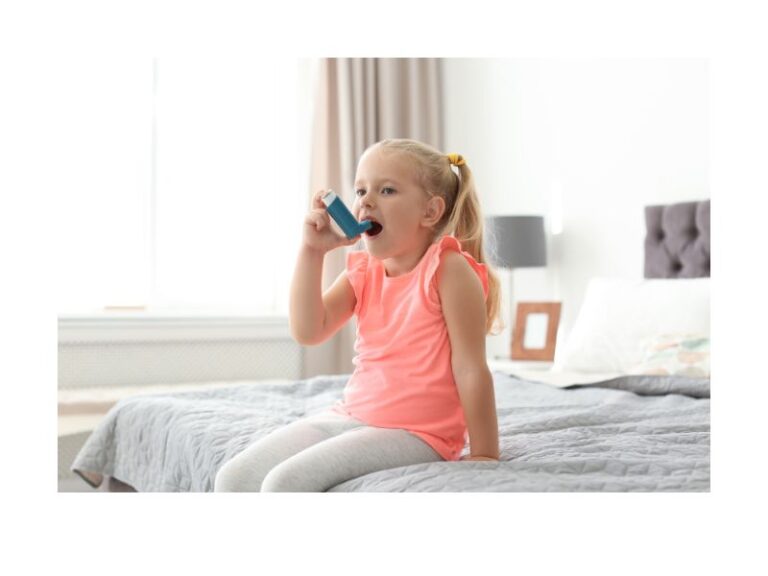
- Allergies and asthma: Pollen, dust mite particles, pet allergens and mold can trigger symptoms. Poor indoor air can also make existing asthma harder to manage.
- Headaches or tiredness: Poor ventilation and exposure to some indoor pollutants can contribute to headaches, discomfort or fatigue. A headache alone doesn’t tell you which pollutant, if any, is responsible.
- Focus and comfort: Stuffy rooms and certain indoor pollutants have been associated with poorer concentration or performance in some studies. That doesn’t mean every mood change or difficult workday comes from the air.
- Longer term concerns: Repeated exposure to particular pollutants, including smoke and fine particles, can affect respiratory and cardiovascular health. The risk depends on the pollutant and exposure, not simply on whether a room is described as having poor air quality.
You may have heard the term sick building syndrome. It describes a pattern in which people experience symptoms such as headaches or irritation while spending time in a particular building, often without one clearly identified cause. Ventilation, temperature, moisture and pollutants may all be involved.
Where to Start
Before buying a machine, think about what’s making the air unpleasant in the first place. Covering up cooking smoke or a damp smell with fragrance doesn’t remove the cause.

Let fresh air move through, when outdoor conditions allow
Opening windows can help exchange indoor air with outdoor air. It’s lovely when the weather cooperates, although you may want to keep them closed during heavy pollen, wildfire smoke or poor outdoor air quality.
For spaces that depend on mechanical ventilation, the system matters more than whether a window opens. Here’s what does what:
- Kitchen exhaust: A range hood that vents outdoors removes cooking fumes and moisture at the source. A recirculating hood filters some contaminants but doesn’t exhaust them outside.
- Bathroom and laundry exhaust: Vented fans help clear moisture before it settles on walls and ceilings.
- Whole building ventilation: Fans, ducts and, in some buildings, heat recovery systems exchange indoor and outdoor air without relying on open windows.
Keep moisture under control
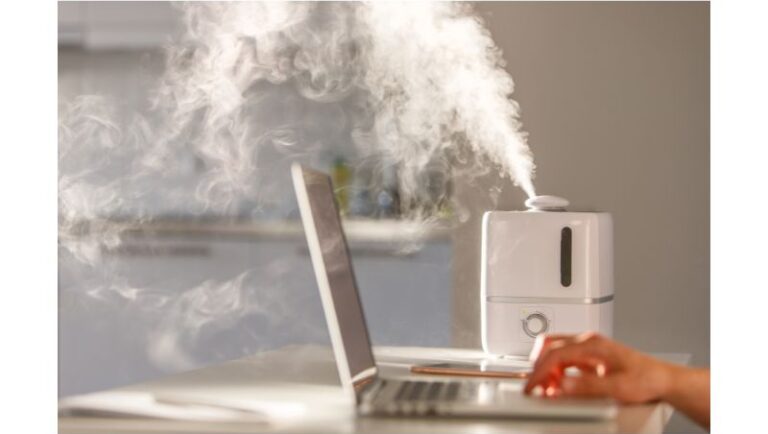
Humidity changes how a room feels, but it also affects dust mites, condensation and mold. A humidifier adds moisture when air is uncomfortably dry. A dehumidifier removes it when a space feels damp or sticky.
The bigger priority is fixing the moisture source: a leak, condensation around a cold surface, or an exhaust fan that doesn’t vent properly. A dehumidifier can help with humidity, but it won’t repair water damage.
First, find out how humid your room actually is. A simple Govee H5075 temperature and humidity monitor gives you the numbers without another complicated screen. A useful general target is around 30% to 50% relative humidity. If a room is already humid, adding more mist isn’t helping.
For air that’s genuinely too dry: Carepod One stainless-steel humidifier is an interesting newer option. Its three removable parts make the water tank much easier to clean than many fiddly humidifiers. It is ultrasonic, though, so use distilled water to reduce mineral dust and keep up with cleaning. It’s expensive, and this is a new Aalign review candidate, not an assigned rating.
Another option for a dry room: Levoit Superior Studio Smart 450S evaporative humidifier is a newer, less expensive candidate with a washable wick, a 4.5-liter tank and automatic drying. Because it evaporates water rather than spraying an ultrasonic mist, it avoids the white mineral dust that some ultrasonic units can create. You do need to clean the wick and tank; the water-contact parts also contain antimicrobial-treated material. This is a new Aalign review candidate, without a rating yet.
For rooms that stay damp: Midea Cube 50-Pint Dehumidifier with Pump, model MAD50PS1QWT-A removes moisture and can pump collected water to a suitable drain, meaning less bucket-emptying. Its design collapses for easier storage. Consider it for a persistently damp room, not as a replacement for fixing a leak. This exact model is also a new review candidate.
A few useful habits
Use a vacuum with a good sealed filtration system and a HEPA filter when possible, particularly for carpets and upholstered furniture. Keep up with the HVAC filter schedule, use kitchen ventilation when cooking, and avoid smoking indoors. If a cleaner has a powerful smell, more fragrance isn’t necessarily doing more cleaning.
Purifiers, Filters and Plants
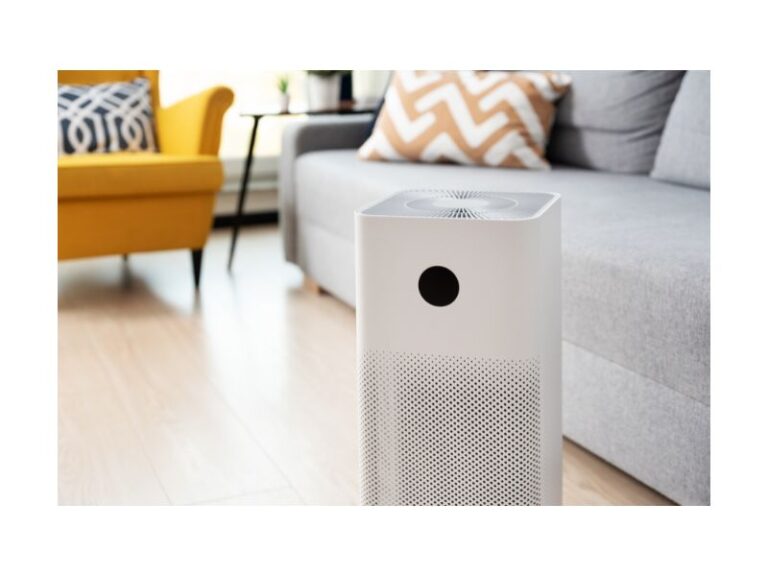
The names sound interchangeable, but an air purifier is the whole appliance. An air filter is the part inside that catches pollutants. The trick is knowing what you’re trying to remove.
Which purifier does what?
- HEPA filtration: Designed to trap tiny airborne particles, including dust, pollen, pet dander, smoke particles and some particles that carry microbes. True HEPA filters are tested to capture at least 99.97% of particles at 0.3 microns under specified conditions. They aren’t designed to remove gases or odors.
- Activated carbon: Used to capture some gases and odors. The amount of carbon is important. A very thin carbon sheet may help with light smells, but it isn’t the same as a purifier with a substantial carbon bed.
- UV based devices: Some use ultraviolet light to inactivate certain microorganisms under the right conditions. How well they work depends on the design and how long the air is exposed to the light. A UV label alone doesn’t tell you how effective the whole purifier is.
- Ionizers: These charge particles so they can settle onto surfaces or be collected. Performance varies, and some ionizing technologies can create ozone, an air pollutant that irritates the lungs. I wouldn’t treat an ionizer as a proven asthma or allergy remedy.
If you’re shopping for a room purifier, look for its CADR (Clean Air Delivery Rate). That’s a measurement of how much particle filtered air the machine delivers. Higher CADR generally means a purifier can serve a larger room. Choose one sized for your actual space, and consider the noise at the fan speed you’ll really use. A great purifier that stays switched off because it’s too loud isn’t much help.
Four air purifiers, chosen for the job
There’s no single best purifier for every home. Here’s why these particular models made Aalign’s existing review list:
- Levoit Core 400S P | Aalign Better. Best for: a bedroom or medium-sized room, especially pollen and dust. Its published smoke CADR is 231 CFM. Tradeoff: the modest carbon stage isn’t designed for serious chemical-gas problems.
- Coway Airmega 400 | Aalign Better. Best for: larger rooms where strong particle cleaning is the priority. Published smoke CADR is 328 CFM. Tradeoff: useful carbon, but not the deep gas-filter bed of a specialist machine.
- Rabbit Air A3 | Aalign Better. Best for: a design-conscious room where wall-mounting or adaptable filter choices appeal. Tradeoff: costs more than many ordinary particle purifiers; the optional negative-ion feature can be left off while using the mechanical filter.
- IQAir HealthPro Plus XE | Aalign Best. Best for: someone who wants a premium particle purifier with a separate, substantial filter for certain gases and odors. Tradeoff: larger and more expensive, and still no substitute for removing a pollution source.
These are ratings for the exact models, not every model from those brands. A purifier only filters air that passes through it. A single machine in an open living room won’t necessarily take care of a closed bedroom upstairs.
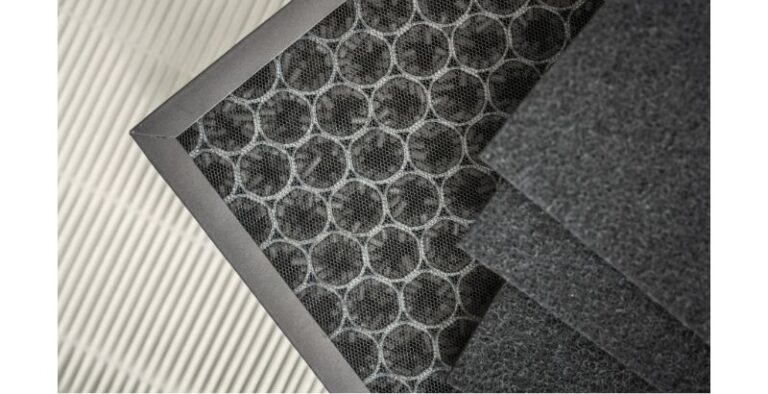
And what about HVAC filters?
An HVAC filter sits inside your heating and cooling system rather than in a separate room appliance. Pleated filters capture particles, and many have a MERV rating, which tells you how efficiently they catch particles of different sizes. Check the highest level your system can handle without restricting airflow. Electrostatic filters use an electrical charge to capture particles, while carbon filters are aimed more at certain gases and odors.
No filter handles every pollutant. And because filters collect what they catch, replacing or maintaining them is part of keeping the system effective.
Specific HVAC filter options from Aalign’s Product Library:
- Remember The Filter PrimeShield Elite MERV 13 | Aalign Best. A strong option when the system accepts MERV 13. The maker publishes pressure-drop information, so there’s more to check than the number on the box. It is an option for compatible systems when a properly fitted filter and reasonable airflow are the priority.
- Filtrete MPR 1900 MERV 13 | Aalign Best. A widely available alternative in many common filter sizes, useful when a compatible MERV 13 replacement is due.
- Airteva BioPleat Custom-Size MERV 11 | Aalign Better. Interesting for an unusual filter slot, where a correct fit can be more important than forcing a standard size. It captures fewer fine particles than MERV 13 under comparable conditions.
- ReAir Reusable MERV 8 Air Filter Pro Kit | Aalign Good. An option for cutting disposable filter waste when MERV 8 is suitable for the particular system. It isn’t our first pick for fine smoke particles.
Don’t buy a higher number blindly. A filter that restricts airflow or leaves gaps around the edges can create a new problem. Check your equipment requirements before changing grades.
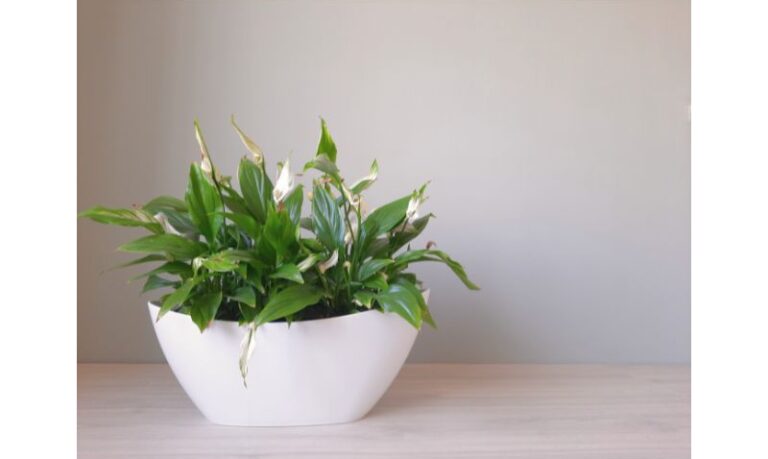
Houseplants
Plants are the prettiest option here. Certain indoor plants improve air quality by absorbing pollutants and releasing oxygen. The usual suspects:
- Spider plant: absorbs formaldehyde, xylene and toluene.
- Peace lily: removes ammonia, benzene and formaldehyde.
- English ivy: filters benzene, formaldehyde and mold spores.
- Snake plant: removes formaldehyde and benzene, produces oxygen at night and regulates humidity.
Air Monitors and Duct Cleaning
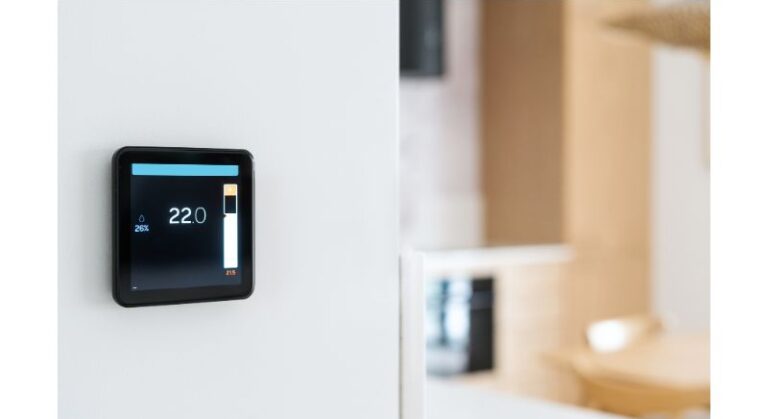
Is an indoor air monitor useful?
It can be, particularly if you’re curious about what changes when you cook, open a window or run a purifier. Just know what the device is measuring.
Depending on the model, a monitor may track:
- Fine particles (PM2.5): Tiny airborne particles, including some from smoke and cooking.
- Carbon dioxide (CO₂): Often a useful clue about ventilation when people are in a room.
- Humidity and temperature: Useful for comfort and moisture control.
- Estimated VOC levels: Some monitors give a broad reading, but they generally can’t tell you which chemicals are present or whether the mixture poses a particular risk.
Most home monitors don’t identify individual allergens, and one display can’t tell you everything about the air. The useful part is noticing patterns and deciding whether to ventilate, filter or investigate a source.
Two monitors that answer different questions:
- Airthings View Plus | Aalign Best. Useful if you want radon alongside fine-particle levels, CO₂, temperature, humidity and broad VOC trends.
- uHoo Smart Air Monitor | Aalign Best. A broader set of general indoor air sensors for people watching ventilation, humidity and pollutant trends. Tradeoff: this model doesn’t measure radon.
Neither is an air cleaner or a carbon-monoxide alarm. If you’re only wondering whether a bedroom is too humid, a simple humidity meter is the more sensible purchase.
Do you need professional air duct cleaning?
Not automatically every few years. Consider an inspection if there’s substantial visible mold, pest contamination, heavy debris or dust coming out of the registers. The important part is fixing whatever caused the problem, especially moisture. Routine duct cleaning hasn’t been shown to prevent health problems in otherwise normal systems.
Materials, Finishes and Emerging Ideas
The air in a room can change long before you plug in a purifier. New cabinets, furniture, paint, flooring, adhesives and even some cleaning products may release VOCs (volatile organic compounds). These are chemicals that evaporate into the air. Some are simply noticeable by smell; others can irritate or cause health concerns depending on the compound and the amount you’re exposed to. A low odor doesn’t automatically mean low emissions.
When you next paint, furnish or renovate, choose products with documented low chemical emissions. There’s no need to throw out a perfectly good sofa or replace every wall finish. Prioritize anything water damaged, deteriorating or producing a persistent strong odor, then make more informed choices when replacement naturally comes around.
Can materials absorb pollutants?
This is an interesting area of material innovation, but different products do very different jobs.
- Bamboo and cork: Both can be lovely flooring or furniture materials. They’re not automatically room air filters. What matters for emissions is the finished product, including adhesives, coatings and any composite layers.
- Bamboo charcoal bags: Products such as Moso Natural use porous charcoal and are marketed for odors in smaller spaces. They can be a fragrance free option for a shoe cabinet or similar spot, but a little bag isn’t equivalent to ventilating or filtering the air throughout a room.
- CertainTeed AirRenew gypsum board: A specialist drywall product designed to capture formaldehyde and convert it into compounds that stay within the board. It’s an interesting example of material innovation, although the amount captured in a real room depends on conditions and installation. Check current availability before planning a project around it.
- CertainTeed MemBrain: This is a smart vapor retarder that helps manage moisture inside walls. That’s useful building science, but it isn’t a VOC absorbing insulation product.
- Purifiers with substantial activated carbon: These have a clearer, more direct role when the concern is certain gases or odors rather than particles alone. Airpura V700, already rated Aalign Best, contains around 18 pounds of treated activated carbon. That’s a substantial difference from a thin charcoal sheet, although it’s a large, expensive specialist appliance and still doesn’t remove every gas.
If you’re choosing an ordinary paint or furniture product, look beyond words such as “natural” or “zero VOC” on the label. A credible low emissions certification or specific emissions testing is much more helpful than a vague promise of purity.
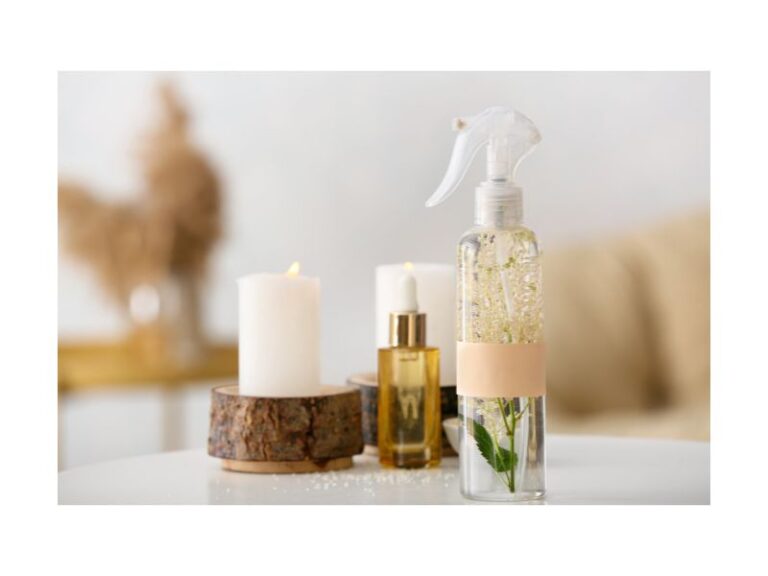
Odors, Room Scent and Fresheners
There’s a difference between getting rid of an unpleasant smell and adding a scent you love. I enjoy both a fresh room and a beautiful fragrance, but they need different solutions.
First, find the smell
A little cooking aroma after dinner is one thing. A musty wall, gas smell, smoke or persistent chemical odor is another. Don’t hide the latter under perfume. Find and fix the source.
For ordinary everyday smells, these are surprisingly useful:
- Cooking smells: Start the range hood before frying or searing and, if it vents outdoors, leave it running a little after cooking. Wipe up the oily film around the stove. A purifier can help with some leftover particles; it doesn’t replace exhaust.
- A closet or shoe cabinet: Dry damp shoes and air out the space first. A small bag of activated charcoal can be an unscented extra. It isn’t going to clean an entire house.
- A bathroom: The exhaust fan and dry towels do most of the work. A single, light room-spray mist afterward can add fragrance if you enjoy it.
- Guests coming over: Once the ordinary odor source is gone, choose one fragrance. A room spray for a quick moment, a reed diffuser for a steady background scent, or a candle for warmth. Layering all three is usually a lot.
- A lovely kitchen smell without buying anything: Simmer water with a little orange peel, rosemary or cinnamon while you’re there to watch the pot. It adds aroma, not air filtration, and it also adds humidity, so skip it if the room is already damp.
To reduce a small odor rather than simply cover it
- Azuna Luxe Glass Odor Eliminator Starter Kit | Aalign Better. Refillable glass jars with a tea-tree-scented gel, which may appeal for everyday household smells. It’s a prettier, reusable alternative to a disposable plug-in. Tradeoff: the complete polymer blend isn’t fully disclosed, and claims that it eliminates every type of airborne pollutant aren’t established by its fragrance alone.
- Moso Natural 200 g Charcoal Bag | New discovery, not yet rated. An unscented porous-charcoal bag for a small closet, shoe cupboard or car. It needs dry conditions and won’t repair a damp, moldy cabinet or deliver whole-room gas filtration.
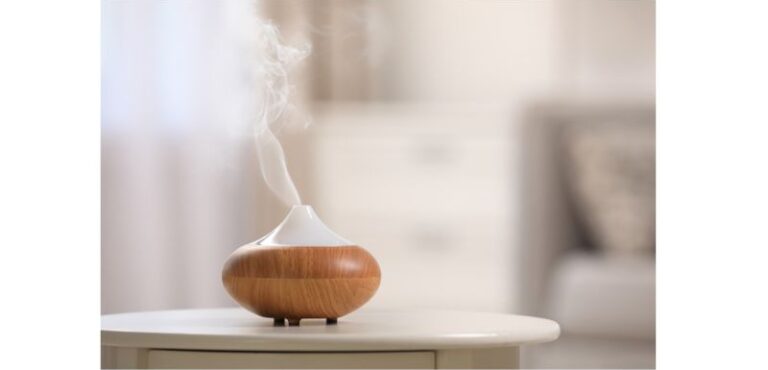
How to make a room smell amazing without an overpowering fragrance
For a quick freshen-up
- Aura Cacia Fresh Room Spray, 8 fl oz | New discovery, not yet rated. Sweet orange, lemon, pine and tea tree give it a crisp, green scent. The exact formula also contains water, a solubilizer and preservatives, so don’t mistake it for just oil and water. One or two light sprays may be plenty; it’s fragrance, not a disinfectant.
For an entryway or a background scent that lasts
- P.F. Candle Co. Teakwood & Tobacco Reed Diffuser | New discovery, not yet rated. Warm leather, teak and orange notes in an amber-glass bottle. Made in Los Angeles, and the fragrance is released gradually through rattan reeds without a flame. Tradeoff: it uses a formulated blend of natural and manufactured fragrance ingredients, and stays scented around the clock. Use fewer reeds for a softer effect.
For fragrance you can switch on only when you want it
- ASAKUKI Rock Smart Wi-Fi Essential Oil Diffuser, 500 mL (100-DF001) | Aalign Good. A practical, larger-reservoir ultrasonic diffuser with automatic shutoff and app or manual controls. Tradeoff: polypropylene housing and regular water-tank cleaning.
- Vitruvi Stone Essential Oil Diffuser | New discovery, not yet rated. A sculptural matte-ceramic cover, optional soft glow and four-hour or intermittent eight-hour setting. It looks lovely on a shelf. Tradeoff: the water reservoir is still plastic, it’s much pricier, and color availability varies.
For a small space without a cord or water tank
- Ceramics by Orly Stoneware Essential Oil Diffuser | New discovery, not yet rated. A hand-formed ceramic aroma stone that releases a few drops of oil slowly. Simple and charming for a bedside table or desk, with no electricity, plastic reservoir or flame. Tradeoff: a much smaller scent radius than a powered diffuser; keep it on a little dish to protect furniture from oil marks. The LOHN Scent Pebble in Aalign’s screenshots is a similar clever idea, but LOHN currently lists its version as sold out.
These are scent diffusers, not replacements for a humidifier or air purifier. An ultrasonic diffuser disperses tiny water and oil droplets; the fragrant oil itself releases volatile compounds. Use the lightest setting that gives you the effect you enjoy, particularly around pets or fragrance-sensitive people.
Three exact essential oils for different scents
- Plant Therapy Organic Lavender, 30 mL | Aalign Best. Floral and familiar, with USDA Organic certification and batch-specific gas chromatography testing to check its composition. Lovely in a bedroom when the scent is welcome.
- Edens Garden Lemon Essential Oil | Aalign Better. A bright, cheerful citrus scent with third-party batch-testing reports. Good for a brief daytime fragrance, not for removing pollutants from cooking smoke.
- Rocky Mountain Oils Organic Frankincense (Boswellia serrata) | Aalign Better. Resinous, earthy and less sweet than lavender. This exact frankincense oil is certified organic and has batch-specific testing; it isn’t interchangeable with the brand’s other frankincense varieties.
If you love exploring oils, Aalign’s essential oils guide has many more options. There is no need to buy several oils to enjoy one small space.
Do air cleaning sprays really work?
Some products are marketed as air purifying or antimicrobial sprays. Whether a specific product can reduce a particular airborne contaminant depends on its ingredients, testing and intended use. Most pleasant smelling room sprays are not substitutes for ventilation, filtration or a disinfectant that’s been tested for its claimed purpose.
Before using one, read what it is intended to do, where it can be sprayed, and whether the label warns about eye, skin or breathing irritation. Products containing strong fragrances, ammonia or chlorine based ingredients deserve particular care in enclosed spaces. Never mix cleaning chemicals.

A simple DIY room spray
If you enjoy adding a little scent to a room, you can make a small batch with water and a few drops of essential oil. Lavender creates a softer atmosphere, while lemon or rosemary smells brighter and more refreshing.
- Add water to a small, clean spray bottle.
- Add a few drops of an essential oil you enjoy.
- Shake before using, and spray sparingly where the material and people in the room can tolerate it.
- Make only what you’ll use promptly, rather than storing a water based mixture for weeks.
This adds fragrance; it doesn’t disinfect the air or reliably remove mold, viruses or other pollutants. A splash of witch hazel or vodka isn’t a dependable preservative for a homemade water based spray. Be mindful of fragrance sensitive people and pets.
Tea tree, eucalyptus, lavender, lemon and thyme oils have been studied for antimicrobial activity in laboratory settings. That’s interesting, but it doesn’t establish that a homemade room spray disinfects an occupied room. Choose a scent because you enjoy it, not because you’re counting on it as a cleaning method.
Candlelight, Warmers and Salt Lamps
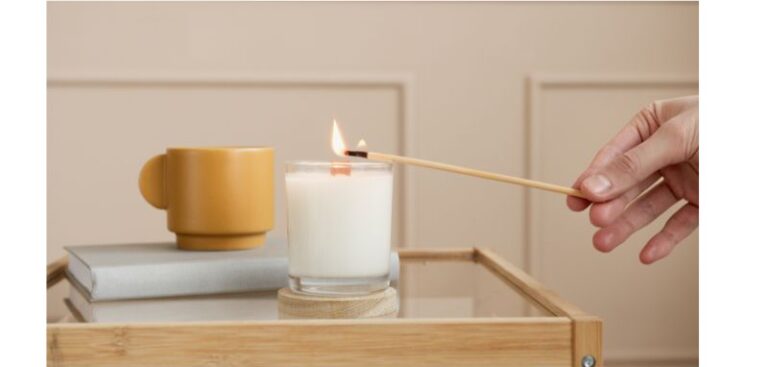
Scented candles
A candle can make dinner feel warmer or turn an ordinary evening into something special. Burning a candle also produces particles and gases, and the amounts vary with the wax, wick, fragrance, airflow and how the candle burns. Paraffin is petroleum derived; soy and beeswax come from different sources, but every wax can produce emissions when burned.
I still appreciate thoughtful wax choices, a well made vessel and a scent that isn’t overpowering. Keep wicks properly trimmed, avoid a smoking or sooty flame, and use candles with sensible ventilation. "Non toxic," "organic," and "phthalate free" by themselves don’t prove a candle gives off no pollutants.
If you’re choosing a candle, Aalign has already evaluated these exact products:
- Slow North Hello Sunshine Signature Candle | Aalign Best. Soy wax and an essential-oil scent built around grapefruit, geranium and lime. A fresh, cheerful option with an unusually straightforward fragrance description. There’s still combustion when it burns.
- Fontana Candle Co. Pure Unscented Jar Candle | Aalign Best. For someone who loves candlelight but doesn’t want added fragrance. The exact unscented product has a short ingredient list and MADE SAFE certification. An unscented flame still produces some combustion emissions.
- Siblings No. 07 Grapefruit Candle Refill | Aalign Better. An unusual option if you already own a suitable vessel and like the idea of refilling it rather than buying new glass every time. It uses a formulated fragrance blend, not only pure essential oils.
More candle choices are in Aalign’s candle guide.
Another way to enjoy your candles: warmer lamps
Here’s one of those little home ideas I love. A candle warmer lamp melts scented wax from above using a small bulb, without lighting the wick. You get fragrance and a lovely pool of light without an open flame or wick soot. The scent can still release volatile compounds into the room, though, so a warmer isn’t an air purifier or a reason to leave fragrance going all day.
- Marycele Candle Warmer Lamp | New discovery, not yet rated. An option for enjoying a favorite scented candle without lighting it. Check that the lamp fits the height and width of your candle, and keep the hot shade and melted wax out of reach of children and pets.
- Lukasa Candle Warmer Lamp with Timer | New discovery, not yet rated. A timer is useful when you want fragrance for a little while, rather than leaving it running. Look at the selected model’s timer settings and candle-clearance measurements before ordering.
Prefer candlelight without a fragrance? The Fontana Pure Unscented Candle above gives you that familiar glow, while a warmer makes more sense when it’s the scent you want.
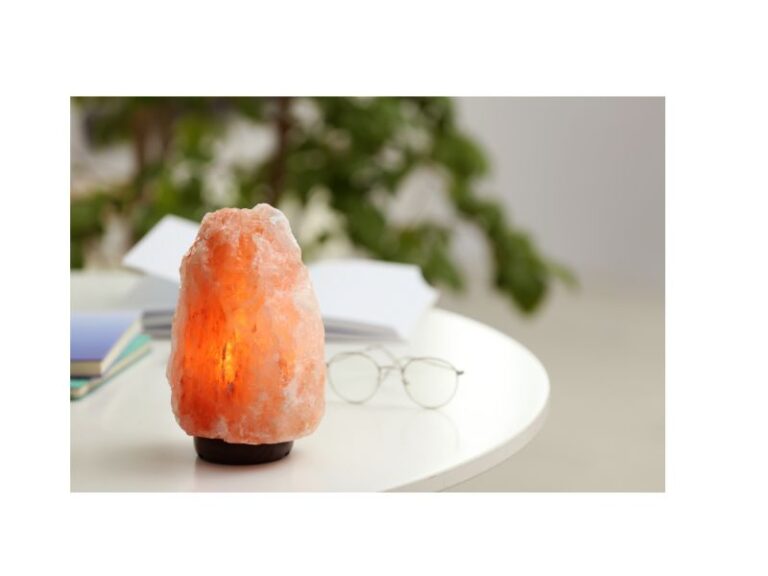
Himalayan salt lamps
Himalayan salt lamps are carved from pink salt, much of it mined in Pakistan. Their soft amber glow is beautiful, especially in a bedroom or a cozy corner.
There’s also an interesting belief that when the lamps warm up, they release negative ions into the air. These are electrically charged particles that occur in nature, too, particularly around moving water. Although negative ions have been studied, we don’t yet have good evidence that salt lamps release enough of them to improve indoor air quality. I love them for their warm glow and atmosphere.
Keep a salt lamp away from damp places or splashes, and use a stable base. Salt and moisture don’t mix particularly well.
Point of Alignment
Walk into a room where fresh air is moving and you feel the difference. Walk into a stuffy room, even a beautiful one, and something feels off.
Good indoor air isn’t about buying every gadget or removing everything that makes home feel like home. It’s about knowing which things change the air itself, which things simply change the atmosphere, and choosing what makes sense for the space you have.