
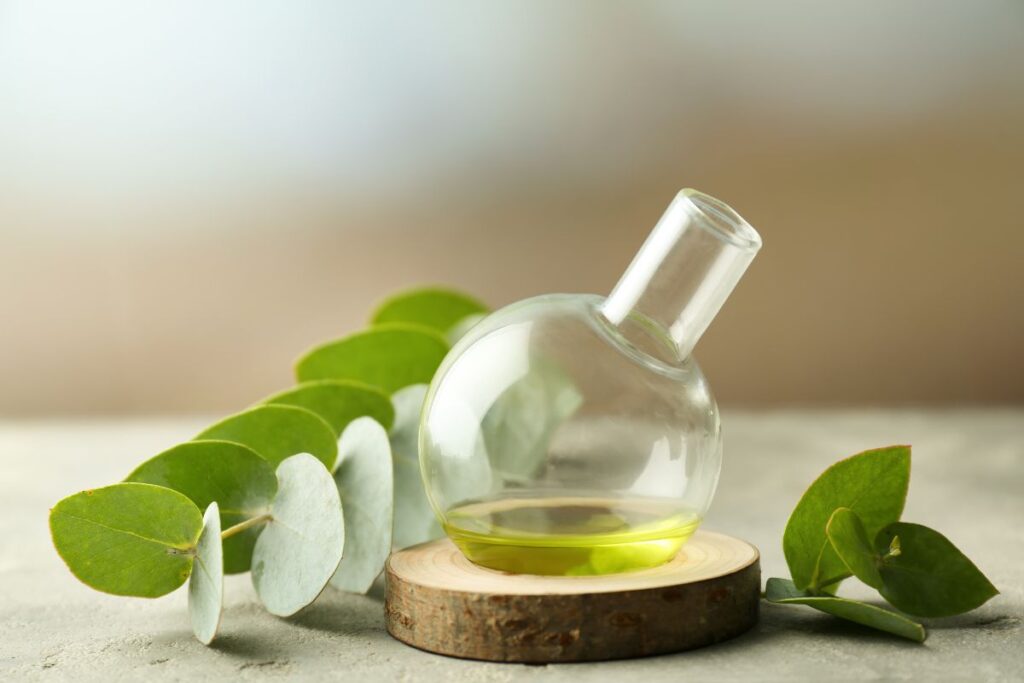

Essential oils are concentrated plant extracts derived from flowers, herbs, trees, and other botanicals, each with its own unique aroma and properties.
Aromatherapy has long been used to connect scent with how we feel, whether that’s to relax, focus, feel more grounded, or create a particular atmosphere in our spaces.
But there’s also some fascinating research into how certain essential oils may influence sleep, headaches, nausea, stress, and other aspects of our physical and emotional wellbeing.
From their traditional uses to interesting scientific findings, let’s explore what different oils have to offer, how to combine them, and ways to enjoy them throughout your home and everyday life.
Be mindful when using essential oils since your intentions combined with their potency can be powerful!
Find What You’re Looking For
A Few Essential Oils Worth Starting With
You don’t need dozens of bottles to enjoy aromatherapy. A handful of well-chosen oils can give you plenty of variety, especially when you start combining different scents.
These are some of our favorites for their versatility, aromatic qualities, and product standards.
For Relaxation
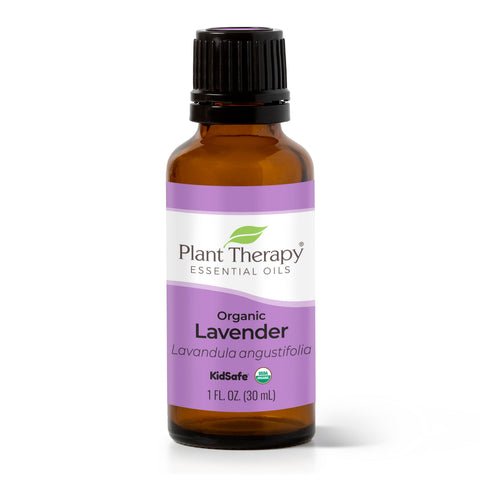
Plant Therapy Organic Lavender Essential Oil, 30 mL
Aalign Rating: Best
Soft, floral, and one of the most versatile essential oils to have around. Beautiful for winding down, creating a calming bedroom atmosphere, or blending with warmer, woodier scents.
This exact organic lavender is USDA Organic certified, with batch-specific purity testing.
For Focus & Freshness
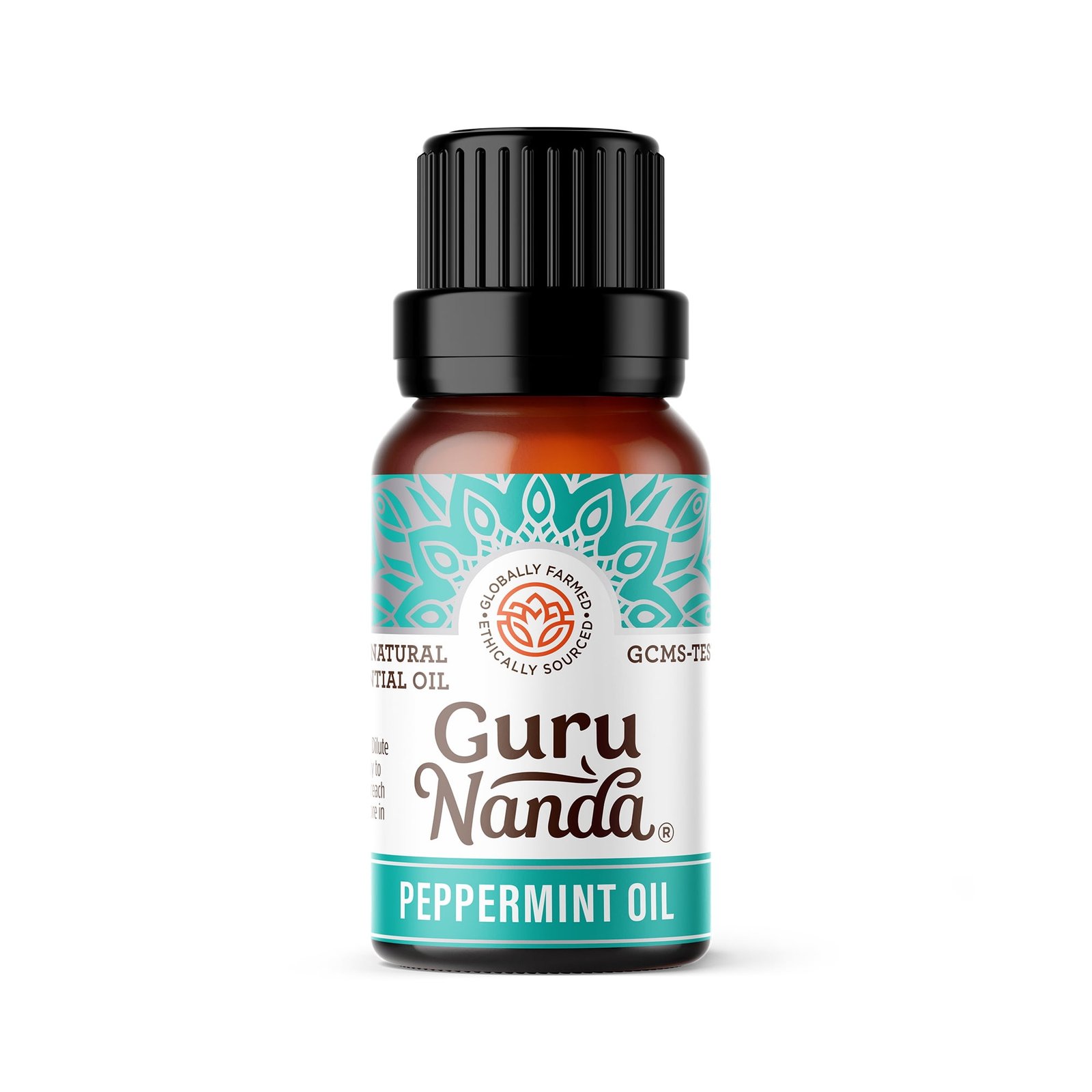
GuruNanda Peppermint Essential Oil
Aalign Rating: Better
Crisp, minty, and wonderfully invigorating. A little goes a long way, making it a useful choice for an afternoon refresh or a bright, energizing blend.
An affordable option with GC/MS purity testing.
For Bright, Cheerful Spaces
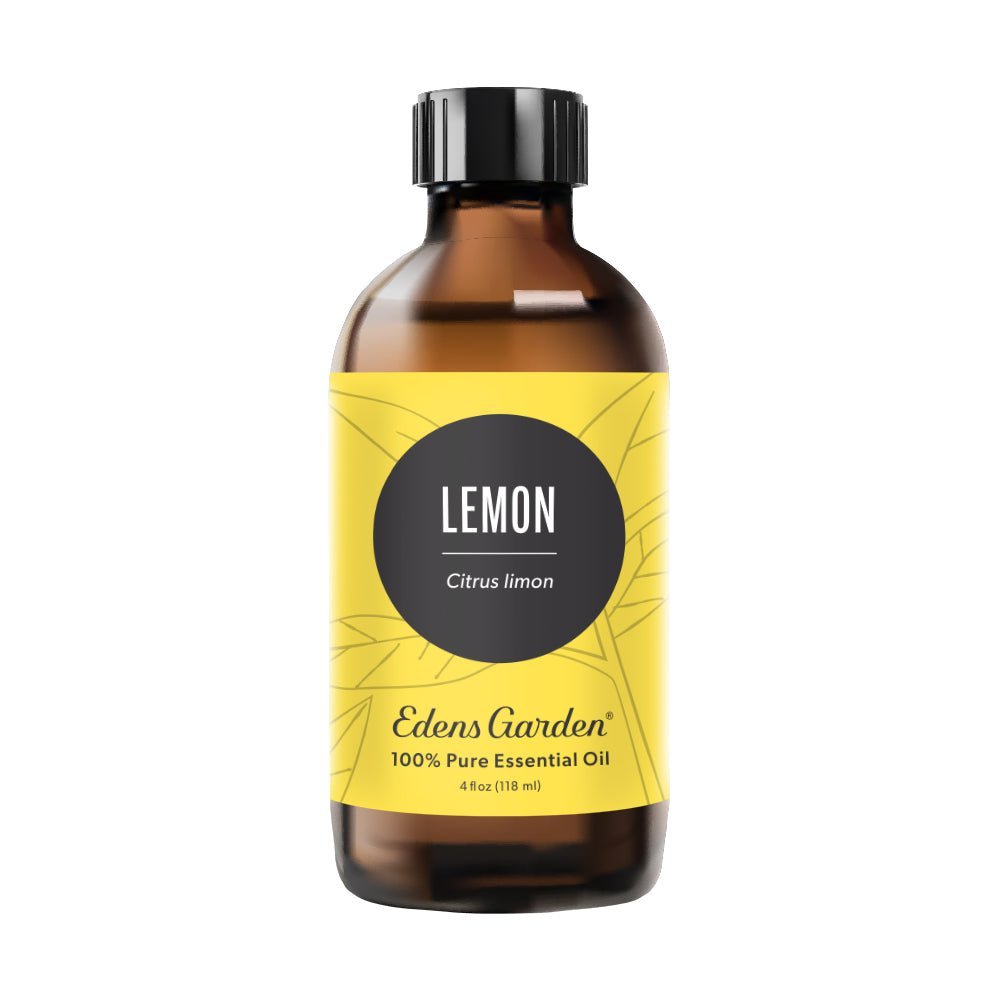
Edens Garden Lemon Essential Oil
Aalign Rating: Better
Fresh, citrusy, and instantly recognizable. Lemon blends beautifully with florals, herbs, and woody oils, making it a lovely addition to almost any scent collection.
Edens Garden provides independent batch-specific testing for its oils.
For Grounding & Mindful Moments
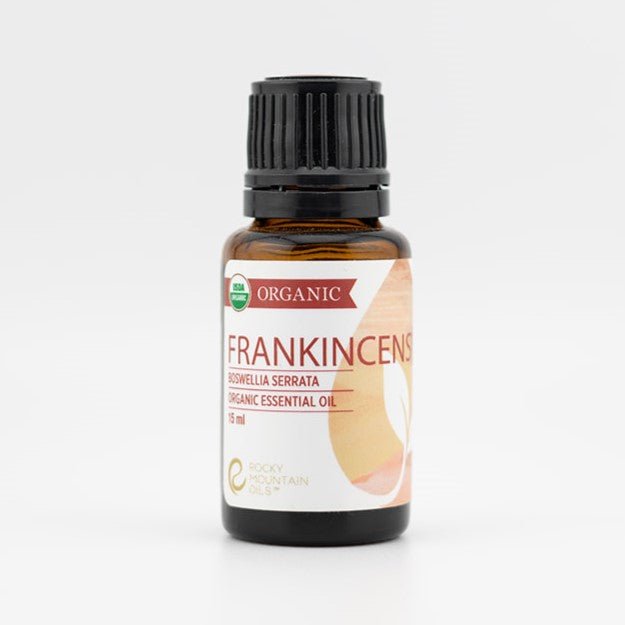
Rocky Mountain Oils Organic Frankincense Essential Oil
Aalign Rating: Better
Warm, resinous, and slightly spicy. Frankincense has a long history in ceremonial and mindful practices, and its distinctive aroma is wonderful for meditation or simply creating a comforting atmosphere.
This organic frankincense comes from Boswellia serrata resin and has third-party purity testing.
Looking for more brands? Explore our 12 Pure Essential Oil Brands of 2026 for Wellness & Home, where we look more closely at sourcing, purity testing, ingredients, and what makes each brand worth considering.
Essential Oils for Physical Wellness
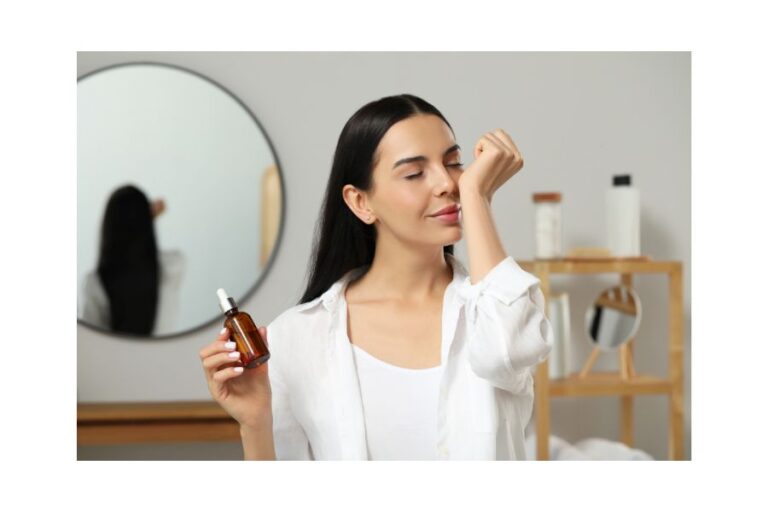
From headaches and nausea to stress and sleepless nights, essential oils have been explored for a surprising range of physical uses. Some have been studied in clinical settings, while others have a longer history in traditional aromatherapy.
Essential Oils to Alleviate Nausea
Peppermint: Its refreshing menthol aroma has been studied for nausea, including after surgery and during cancer treatment, with some encouraging findings.
Ginger: Long associated with settling an upset stomach. Its warm, spicy aroma is also used in comforting aromatherapy blends.
Chamomile: Both Roman and German chamomile are traditionally appreciated for their gentle, calming qualities.
Cardamom: Warm, aromatic, and traditionally associated with digestive comfort.
Bergamot & Lavender: Sometimes used when nausea comes with tension or uneasiness, thanks to their calming aromatic qualities.
Scent is particularly personal when you’re feeling nauseated. Something one person finds soothing may be unpleasant to someone else.
Essential Oils for Blood Pressure & Relaxation
Lavender, geranium, and ylang-ylang are among the oils explored for their possible effects on relaxation, stress responses, and blood pressure.
Lavender: Known for its calming aroma, and included in clinical studies examining relaxation and changes in blood pressure.
Ylang-Ylang: Rich, sweet, and floral. Often associated with slowing down and unwinding, and studied in some aromatherapy blends for stress and blood pressure responses.
Geranium: Its rosy, slightly herbal scent is traditionally associated with balance and emotional comfort.
It’s an interesting area of research, especially the connection between relaxation, our body’s stress response, and blood pressure. The findings are still developing, so these oils are best appreciated as part of a relaxing routine rather than relied on to control blood pressure.
Essential Oils for Headaches
Peppermint: Known for its cooling sensation. Diluted topical peppermint preparations have been studied for tension headaches.
Lavender: Its soothing floral aroma has been explored for migraine relief, with encouraging findings in a small clinical study.
Eucalyptus: Cool and refreshing, particularly popular when headaches are accompanied by a feeling of stuffiness.
Rosemary: Traditionally associated with stimulation, circulation, and mental clarity.
If strong scents tend to trigger your headaches, however, a diffuser may be the last thing you want.
Essential Oils for Sleep
Lavender: One of the most studied oils for relaxation and sleep, and a beautiful choice for winding down in the evening.
Bergamot: A lovely combination of fresh citrus and soft floral notes, often used to encourage a relaxed atmosphere.
Cedarwood: Warm, woody, and grounding. Especially appealing if you prefer something less floral in your bedroom.
Jasmine: Rich, comforting, and traditionally associated with relaxation and rest.
You can make your favorite scent part of an evening ritual, perhaps while reading, taking a bath, or preparing for bed.
Essential Oils for Stress, Anxiety & Emotional Wellbeing
Lavender: Widely used for relaxation, with research exploring its effects on anxiety and stress.
Bergamot: Refreshing and uplifting, yet soft enough to feel relaxing.
Chamomile: Gentle and comforting, especially when you want to unwind.
Clary Sage: Herbaceous and slightly floral, often associated with emotional balance.
Frankincense: Deep, woody, and resinous, with a long connection to peacefulness and meditation.
Rose: Beautifully floral and comforting, traditionally associated with love and emotional wellbeing.
Sweet Orange: Bright, cheerful, and refreshing.
Ylang-Ylang: Rich and sensual, often used to create a relaxing, comforting atmosphere.
A Few Other Interesting Uses
Mosquito Repellent: Citronella, lemongrass, and certain eucalyptus-derived ingredients have been studied for their insect-repelling properties. Their sharp, citrusy scents are popular in outdoor fragrance blends. For reliable bite protection, use a tested mosquito repellent.
Antiviral Properties: Tea tree and eucalyptus oils have attracted attention for their antiviral properties, including interesting laboratory findings. Their fresh, herbal aromas are also popular in aromatherapy.
Pet Odors: Cedarwood and lemon are sometimes used in fresh-smelling home blends, but fragrance is no substitute for cleaning the source of an odor. Be especially careful with essential oils around pets, particularly cats and birds.
Essential Oils for the Mind

Essential oils can have a wonderful influence on how we experience our surroundings and our emotional wellbeing. Some scents make us feel refreshed and focused, while others bring a sense of calm, comfort, or even joy.
Whether you’re looking for a little mental boost, setting the mood for a romantic evening, or creating space for mindfulness, certain oils have long been appreciated for their connection to our emotions and senses.
Essential Oils as Aphrodisiacs
Sandalwood: Warm, woody, slightly sweet, and beautifully sensual. Sandalwood has a long history as an aphrodisiac, with an aroma associated with intimacy, attraction, and relaxation.
Jasmine: Rich, floral, and almost intoxicating. Jasmine has been treasured for centuries for its romantic qualities and is often used to create an intimate atmosphere.
Essential Oils for Focus & Mental Clarity
Peppermint: Refreshing and invigorating, its cooling, minty aroma is a popular choice for feeling more alert and mentally refreshed.
Rosemary: Traditionally associated with memory and concentration. Researchers have also explored the relationship between rosemary’s aroma and cognitive performance, with some interesting findings.
Lemon: Bright, crisp, and uplifting. A fresh citrus scent can make a workspace feel more energizing and inviting.
Vetiver: Earthy, woody, and grounding. Often used to encourage calm and reduce feelings of mental overload, especially while studying or working.
Clary Sage: Soft, herbal, and slightly floral, making it a lovely choice when you want a calmer environment without feeling sleepy.
Other oils worth exploring: Frankincense, eucalyptus, and basil are also popular choices for clarity and focus.
Essential Oils to Uplift Your Mood & Bring a Sense of Joy
Sweet & Wild Orange: Bright, cheerful, and energizing. Their juicy citrus aromas are associated with happiness and optimism.
Bergamot: A beautiful combination of citrus and floral notes. It can feel both refreshing and comforting.
Jasmine: Rich, sweet, and romantic, with a long history of use for pleasure and emotional wellbeing.
Rose: A timeless scent associated with love, happiness, and comfort.
Geranium: Rosy, green, and slightly sweet. Often used in aromatherapy for emotional balance.
Eucalyptus: Fresh, cool, and invigorating, especially when you want to shake off that sluggish feeling.
Lemongrass: Zesty and vibrant, bringing a refreshing citrus aroma to a space.
Rosemary: Herbal and stimulating, a favorite for days when you want to feel awake and ready to get things done.
Essential Oils to Enhance Mindful Practices
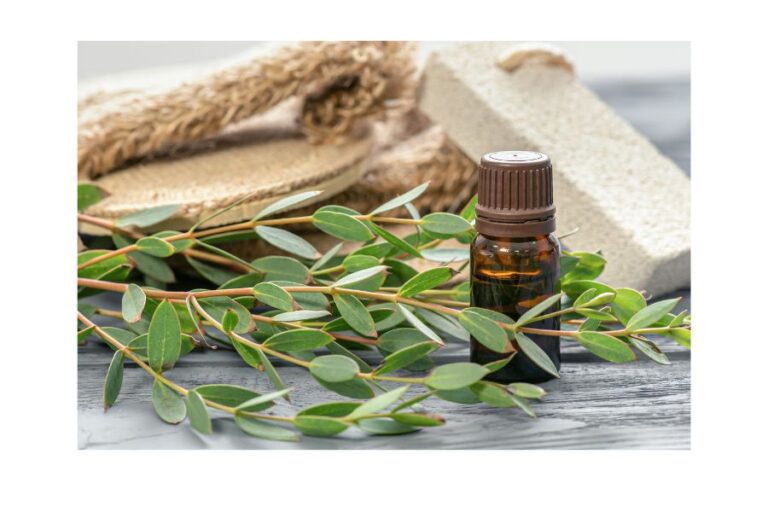
Essential oils have been used in meditation and intention-setting practices for generations. Sometimes a scent becomes part of a ritual, helping you reconnect with a feeling, intention, or state of mind.
Here are some associations worth exploring.
Cleansing & Purifying: Sage, frankincense, and tea tree are often associated with clearing a space and creating a fresh, peaceful atmosphere.
Centering & Grounding: Sandalwood, patchouli, and vetiver have deep, earthy aromas that encourage a sense of stillness and connection.
Abundance & Prosperity: Cedarwood, bergamot, and ginger are sometimes used in rituals associated with growth, opportunity, and abundance.
Enlightenment: Jasmine, lotus, and rose are associated with spiritual awakening and connecting with your inner essence.
Clarity: Lemon, eucalyptus, and peppermint are refreshing choices for meditation and clearing your thoughts.
Courage: Rosemary, ylang-ylang, and bergamot are traditionally associated with confidence and inner strength.
Manifestation: Patchouli, sandalwood, and bergamot are often used in rituals centered on intentions and personal goals.
Intuition: Lavender, clary sage, and rosemary are associated with reflection and inner wisdom.
Knowledge: Sage, rosemary, and cedarwood have traditional connections to wisdom and learning.
Luck: Clove, basil, and citronella appear in folk practices associated with good fortune and positive energy.
Spirituality: Frankincense, myrrh, and palo santo have long histories in ceremonial and spiritual practices.
Transformation: Lavender, clary sage, and rose are beautiful choices for rituals centered on renewal, change, and personal growth.
Best Essential Oils for Different Rooms

Every space has its own personality, and scent can be a beautiful way to bring that feeling to life. Something refreshing in the bathroom, calming in the bedroom, or energizing at your desk can make everyday routines a little more enjoyable.
Bathroom: Fresh & Invigorating
Try: Lemon, eucalyptus, or peppermint.
Crisp, refreshing aromas work beautifully in a bathroom, especially when you want that fresh, spa-like feeling. A small passive diffuser is a lovely option. Take care of lingering odors and moisture rather than covering them with fragrance.
Bedroom: Relaxing & Comforting
Try: Lavender, cedarwood, or bergamot.
Florals, soft citrus, and warm woody aromas are lovely for winding down. Try introducing your favorite scent during your evening routine rather than keeping a diffuser running all night.
Home Office & Desk: Focus & Clarity
Try: Rosemary, peppermint, or lemon.
Fresh herbal and citrus aromas can make your workspace feel more inviting, particularly when you’ve been sitting at your desk for hours. A personal aroma stone is a nice way to enjoy a subtle scent without filling the entire room.
Living Room: Warm & Welcoming
Try: Frankincense, sweet orange, or geranium.
You can change the scent with the occasion. Something bright and cheerful during the day, or a warmer, woodier blend for a cozy evening.
Classrooms, Therapy Offices & Shared Spaces
This is where a little consideration goes a long way. A scent that one person loves may give someone else a headache or aggravate asthma, allergies, or sensory sensitivities.
For classrooms, coworking spaces, and therapy offices, it’s often better to keep the room unscented unless everyone is comfortable with fragrance. Personal aromatherapy can offer another option without scenting a shared room.
For more ideas about how scent, lighting, sound, and texture influence different environments, explore Beyond Decor: Sensory Design for Memorable Spaces & Events.
Easy Essential Oil Diffuser Blends
One of my favorite things about essential oils is how you can combine different scents to create an entirely different feeling. Something bright and energizing in the morning, soft and relaxing in the evening, or warm and welcoming when friends come over.
And you don’t need a huge collection of oils to start experimenting! Here are four blends to try, using a gentle starting amount for a small 100 mL ultrasonic diffuser when the manufacturer’s instructions allow it.
Fresh Start
2 drops Lemon + 1 drop Peppermint
Bright, crisp, and invigorating. Lovely for mornings, a home office, or an afternoon refresh.
Slow Evening
2 drops Lavender + 1 drop Frankincense
Soft floral notes mixed with the earthy warmth of frankincense. Beautiful for winding down, reading, or enjoying a slower evening.
A Little Sunshine
2 drops Lemon + 1 drop Lavender
Fresh, uplifting, and softly floral. A lovely scent for a living room or a sunny afternoon at home.
Warm & Grounded
2 drops Frankincense + 1 drop Lemon
Resinous and woody with a fresh citrus note. A beautiful combination for meditation or a cozy atmosphere.
Prefer a Blend That’s Already Made?
Plant Therapy Organic Relax Essential Oil Blend combines lavender, green mandarin, sweet marjoram, patchouli, Roman chamomile, and geranium. It has a lovely mix of floral, citrus, and earthy notes when you want something more layered without mixing several bottles yourself.
Which Essential Oil Diffuser Should You Choose?
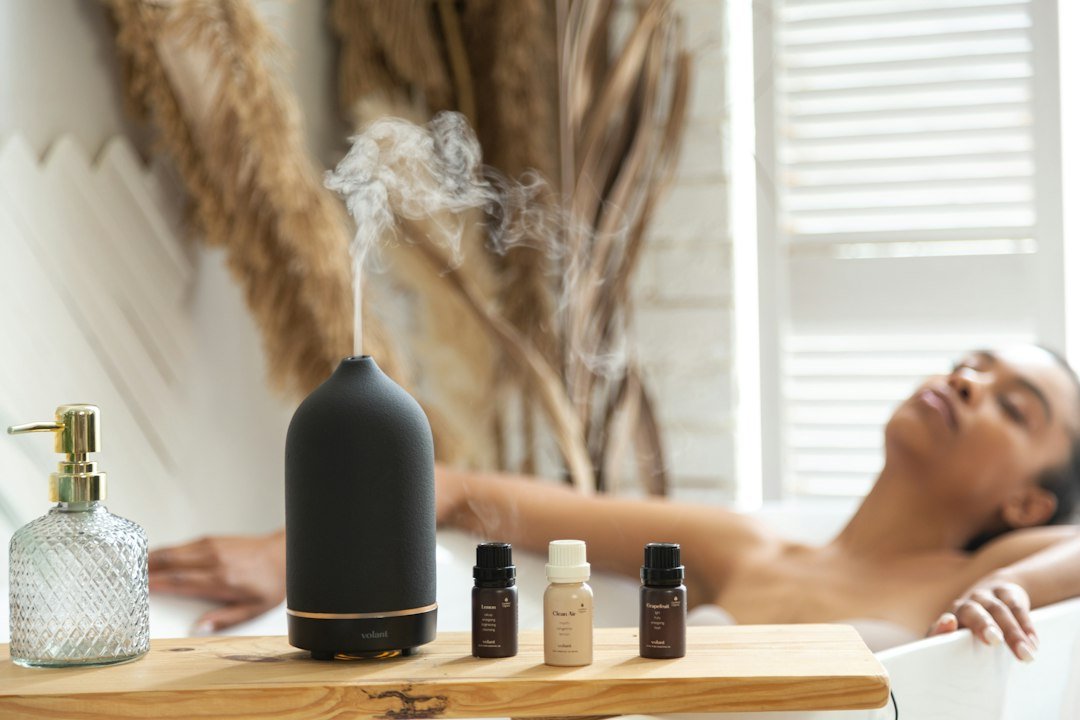
There are a few different ways to enjoy essential oils, and the right diffuser depends on where you’re using it, how much scent you want, and the experience you’re after.
Ultrasonic Diffusers: For Everyday Home Use
Ultrasonic diffusers combine essential oils with water and release a fine scented mist. They’re convenient for bedrooms, living rooms, and everyday aromatherapy.

ASAKUKI Rock Smart Wi-Fi Diffuser, 500 mL
Aalign Rating: Good
A practical choice with a large water reservoir, adjustable timers, automatic shutoff, and optional smart controls. You can use oils from different brands without buying proprietary refills. It’s made primarily from plastic rather than ceramic or glass, but offers good functionality at an accessible price.
Waterless Diffusers: For a Stronger Scent
Waterless diffusers disperse essential oils without adding water. They’re convenient and portable, although the scent can be more intense and they usually use oil faster.
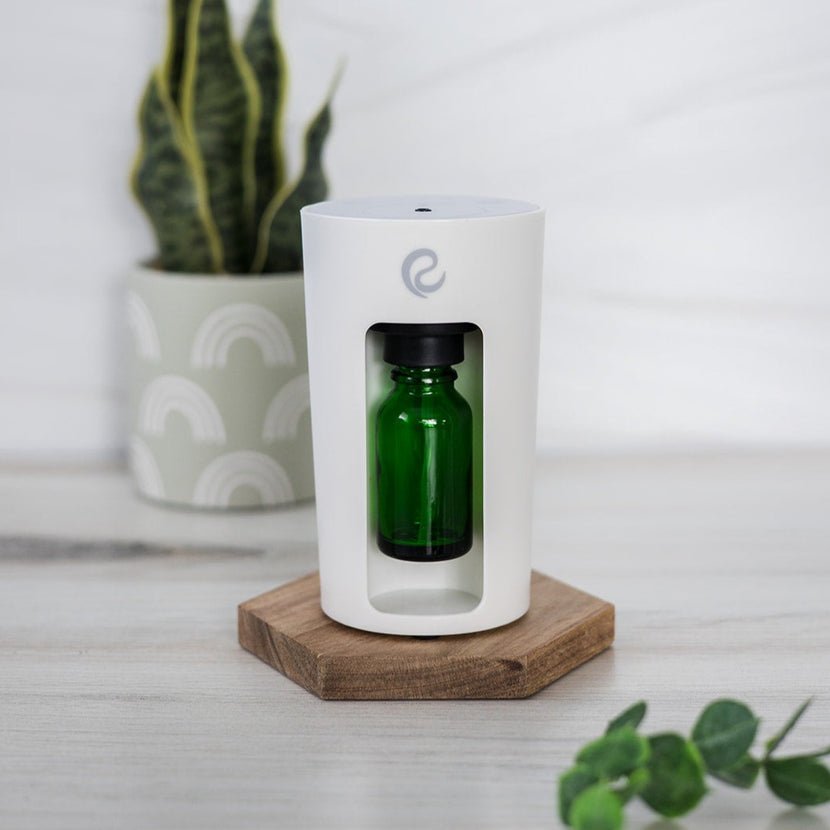
Rocky Mountain Oils Aviva Waterless Diffuser
Compact, rechargeable, and compatible with 5 mL and 15 mL essential oil bottles. An interesting option for personal spaces, travel, or when you prefer a diffuser without a water reservoir.
Passive Diffusers: For a Subtle Scent
Sometimes the simplest option is also the prettiest. Ceramic aroma stones and other porous diffusers gradually release fragrance without electricity, water, or a visible mist. They’re lovely for small personal spaces, particularly when you want just a hint of scent.
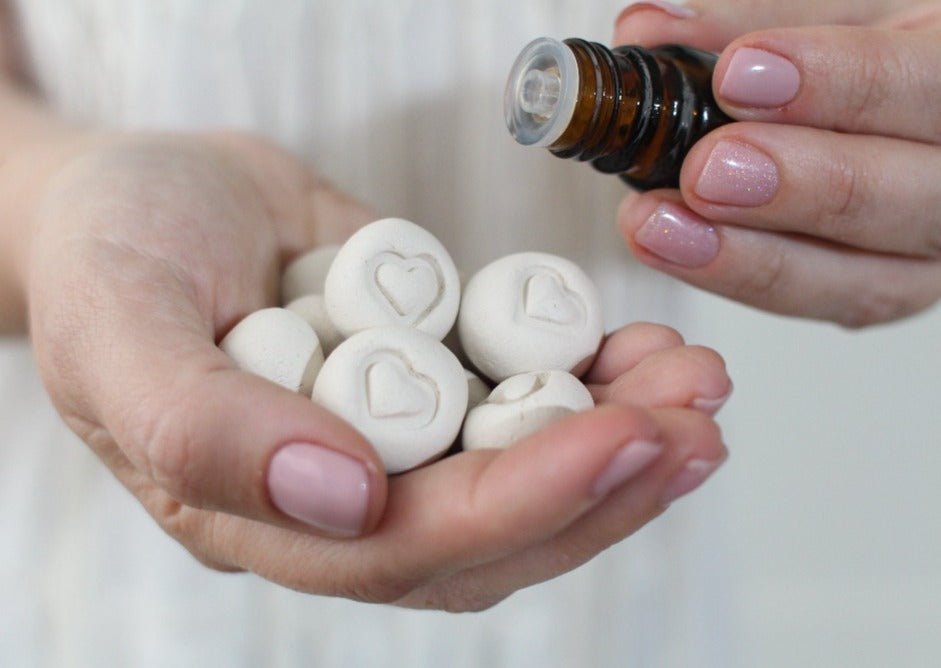
Ceramics By Orly Essential Oil Diffuser Set
A handmade stoneware example for gentle, personal scenting. Add a few drops to the porous ceramic to enjoy the fragrance nearby, without electricity or water.
Diffuser or Candle?

There’s something lovely about both, but they create different experiences.
Essential Oil Diffusers: Perfect when you want to experiment with scents, change them throughout the day, or enjoy botanical aromas without a flame. I especially like them for morning routines, meditation, working, and winding down.
Scented Candles: Candles bring something extra: the warm glow, flickering flame, and that cozy feeling that makes you want to settle in and stay awhile. Some candles use pure essential oils, while others use carefully formulated fragrance blends.
Curious about the difference? Read Essential Oils or Fragrance Oils for Your Scented Candle? There’s room for both, depending on the mood, space, and occasion.
Enjoying Essential Oils Thoughtfully
A little can go a long way with essential oils. Start with a few drops, follow the instructions for your diffuser, and give your room some fresh air. You can always add more fragrance if you want a stronger scent.
Keep concentrated oils away from children and pets, and avoid swallowing them or applying them directly to your skin without appropriate guidance and dilution.
If someone in your household experiences migraines, asthma, allergies, or sensitivity to fragrance, it may be better to skip diffusion or keep it to a separate personal space. And if you have pets, be especially careful with concentrated oils and avoid diffusing around birds.
Frequently Asked Questions
What are the best essential oils for a diffuser?
Lavender, lemon, peppermint, sweet orange, frankincense, and cedarwood are wonderful starting points. Each offers something different, from bright and invigorating to warm, floral, and grounding.
Can you mix different essential oils in a diffuser?
Absolutely! That’s part of the fun. Try citrus with herbs, florals with woody oils, or something refreshing like lemon with soft lavender. Start with two oils and experiment from there.
How many drops of essential oil should I use?
For a small 100 mL ultrasonic diffuser, around two or three drops can be a gentle starting point, depending on its instructions. Start lightly and adjust to your preference.
Can I leave a diffuser running overnight?
I prefer using a diffuser while winding down and switching it off before bed. Many models have convenient timers.
Which essential oils are best for the bedroom?
Lavender, cedarwood, bergamot, and gentle floral or woody blends are lovely choices for a relaxing bedroom atmosphere.
Which essential oils are best for focus?
Peppermint, rosemary, and lemon are popular for their refreshing, stimulating aromas. Rosemary has also been studied for possible connections with memory and cognitive performance.
How can I make my home smell lovely without overdoing it?
Start with fresh air and take care of any lingering odors. Then introduce a little fragrance. You might prefer bright citrus during the day, a woody scent in the evening, or a soft floral note in the bedroom. You don’t need every room to have its own scent.
A Final Thought
Scent is such a personal part of how we experience our surroundings. A familiar aroma can bring back a memory, make a room feel comforting, or become something we associate with our favorite time of day.
Have fun exploring different oils, discovering combinations you love, and finding little ways to make your spaces feel more like you.