How heat, daily use, and food contact make these plastics the most important to replace.
More and more plastic is getting eliminated from people’s kitchens.
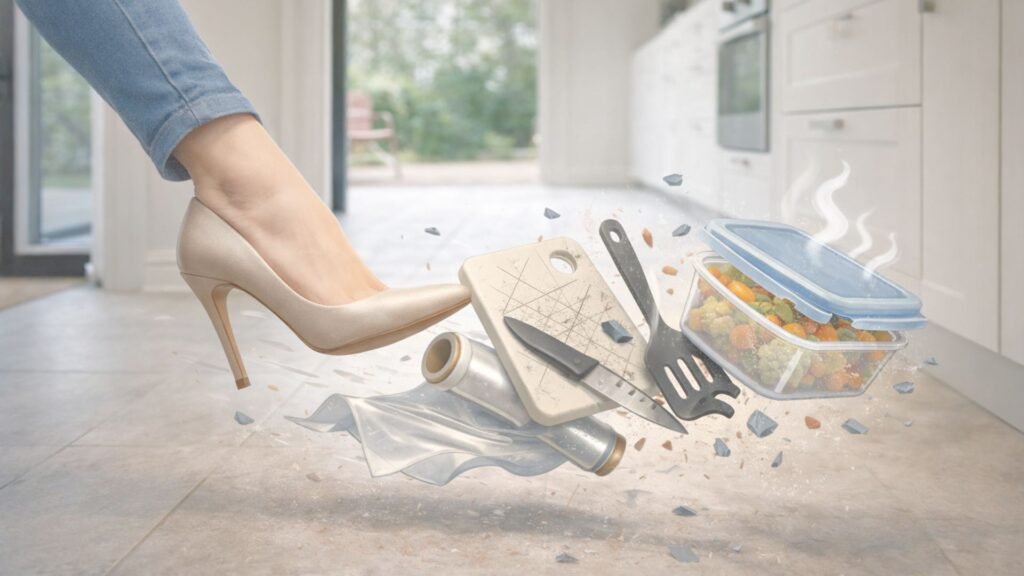
For years plastic became the default material in modern kitchens because it was cheap, lightweight, and convenient. But we now understand much more about how plastics behave when they are exposed to heat, friction, and repeated daily use.
In a kitchen, those three conditions happen constantly.
Plastic containers hold hot food.
Plastic utensils sit in hot pans.
Plastic cutting boards are scraped thousands of times by knives.
When plastic is heated or physically degraded, it can release microplastics and chemical residues into food and into the environment.
That does not mean you need to eliminate every piece of plastic overnight. The smarter approach is to start with the items that combine three things:
• Heat
• Daily use
• Direct contact with food
Those are the areas where replacing plastic can make the biggest difference. Below are 8 of the most important kitchen plastics to reconsider first.
Each brand is carefully selected to support healthier living spaces. We may earn a small commission through affiliate links at no extra cost to you.
1. Storing Hot Food in Plastic Containers
Pouring hot leftovers directly into plastic containers exposes food to softened plastic surfaces.
Heat increases chemical migration, meaning compounds in plastic can transfer into food more easily when temperatures are high.
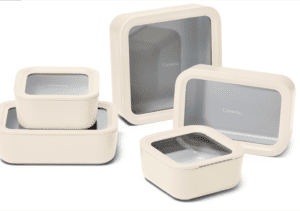
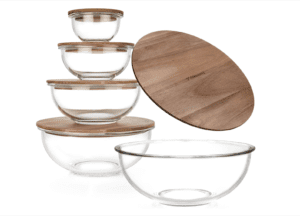
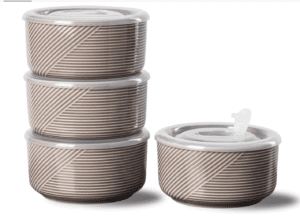
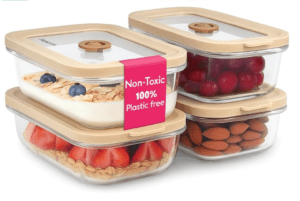
Better materials for food storage
Best
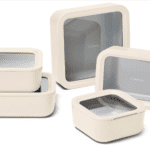
• Glass
• Stainless steel
• Ceramic
Good
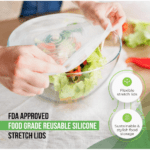
• High-quality silicone (especially for seals, baking mats, lids)
Avoid
• Low-quality plastic containers
• Heated plastic touching food
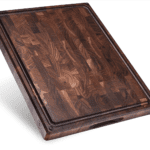
2. Plastic Cutting Boards
Plastic cutting boards gradually develop knife grooves from daily chopping. These grooves create two problems:
They trap bacteria and food residue and shed microscopic plastic particles into food during cutting. Research has shown that plastic cutting surfaces can release microplastic fragments through repeated mechanical wear.
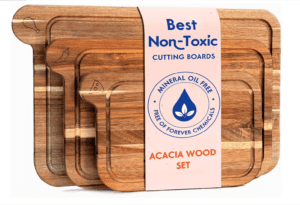
Better materials for cutting boards
Best
• Solid maple cutting boards
• Walnut cutting boards
• FSC-certified hardwood boards
Good
• Bamboo cutting boards
Avoid
• Plastic cutting boards with deep grooves
• Heavily scratched plastic boards
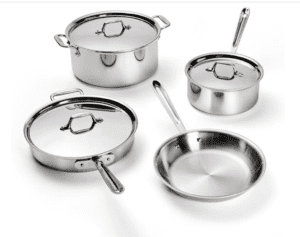
3. Non-Stick Cookware
Most non-stick pans are coated with synthetic polymer surfaces designed to prevent food from sticking. Over time, these coatings can degrade, especially when they are scratched, overheated, or used frequently.
Once the surface begins to break down, the coating becomes less stable.
Because cookware is exposed to high heat and daily use, this is often one of the most impactful places to rethink materials.
Better materials for cookware
Best
• Stainless steel cookware
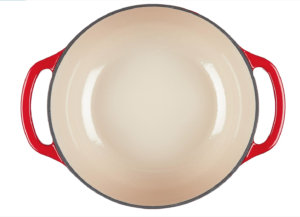
• Cast iron skillets
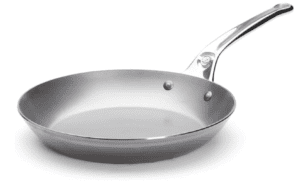
• Carbon steel pans
Good
• Ceramic-coated cookware from reputable brands
Avoid
• Scratched or worn non-stick pans
• Overheating synthetic non-stick coatings
4. Plastic Cooking Utensils Used in Heat
Plastic spatulas, spoons, and turners often sit directly in hot oil or rest against hot cookware. Heat gradually weakens plastic polymers and can cause slow degradation.
Over time, these utensils can warp, melt slightly, or release particles.
Better materials for cooking utensils
Best
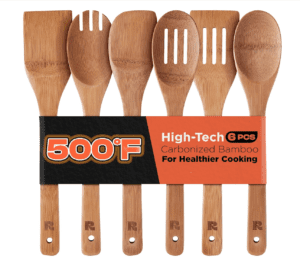
• Solid wood utensils
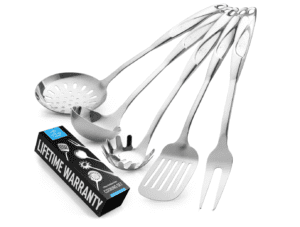
• Stainless steel utensils
Good
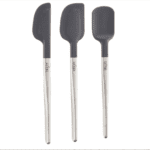
• High-quality platinum-cured silicone (for heat resistance)
Avoid
• Plastic utensils exposed to high heat
• Warped or melting plastic tools
Tip: Wood utensils are actually one of the safest cooking tools because they:
5. Plastic Water Bottles Exposed to Heat
Reusable plastic bottles are often left in cars, exposed to sunlight, or repeatedly washed in dishwashers.
Heat and UV exposure accelerate plastic degradation.
Better materials for drink bottles
Best
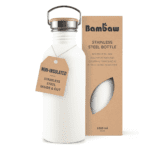
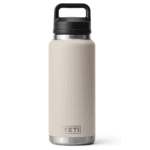
• Stainless steel bottles
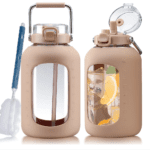
• Glass bottles with protective sleeves
Good
• High-quality silicone sleeves or components
Avoid
• Reusable plastic bottles exposed to heat or sunlight
• Dishwashing thin plastic bottles frequently
6. Worn or Scratched Plastic Containers
Even if some plastic remains in your kitchen, condition matters.
Cloudy, scratched, brittle containers shed more particles than intact ones. Once plastic becomes visibly worn, it becomes less stable.
If containers look degraded, it is a good time to replace them.
Better materials for food storage
Best
• Glass containers
• Stainless steel containers
• Ceramic containers
Good
• High-quality silicone lids or seals
Avoid
• Cloudy, scratched, or brittle plastic containers
• Aging plastic used for hot food storage
7. Microwaving Food in Plastic
This is one of the most important habits to change.
Microwave heat significantly increases chemical transfer from plastic into food. Even containers labeled “microwave safe” are typically tested only for structural integrity, not long-term chemical migration.
Better materials for microwave use
Best
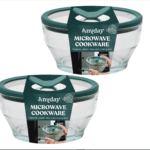
• Glass containers
• Ceramic bowls
• Microwave-safe glass storage
Good
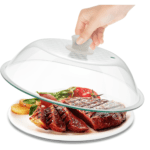
• High-quality silicone lids or covers
Avoid
• Heating food in plastic containers
• “Microwave-safe” plastic used regularly for reheating
8. Plastic Wrap Touching Food
Plastic wrap often sits directly on food surfaces, especially when covering warm leftovers. Direct contact combined with heat can increase the transfer of plastic compounds into food.
Better alternatives for covering food
Best
• Glass food containers with lids
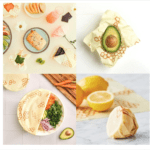
• Beeswax wraps
• Eco-Friendly Zip Bags
Good
• Parchment paper when covering warm food
Avoid
• Plastic wrap touching warm food
• styrofoam anything!
so how do we reduce microplastic exposure in our kitchen?
Focus on items that experience heat, friction, and daily food contact, such as cookware, cutting boards, utensils, and food storage containers.
Why It Matters for Health
Research on microplastics and chemical migration is still evolving, but several findings have raised concerns.
Microplastics have now been detected in:
• human blood
• lung tissue
• placental tissue
Scientists are studying how chronic exposure may affect the body.
Some plastics also contain compounds that can behave as endocrine disruptors, meaning they may interfere with hormonal signaling. Studies have explored links between these compounds and:
• hormone imbalance
• thyroid disruption
• metabolic changes
• reproductive health effects
The concern is not a single exposure. It is long-term cumulative exposure from daily contact.
Because the kitchen is used every day, it becomes one of the most consistent places where reducing plastic contact can make a difference.
Why It Matters for the Environment
Many kitchen plastics are designed for convenience rather than durability. As they wear down, they contribute to:
• microplastic pollution
• landfill waste
• plastic production demand
Microplastics from degraded plastics have now been found in:
• oceans
• freshwater systems
• agricultural soil
• air particles
Once released, microplastics persist in ecosystems for decades.
Choosing durable materials like stainless steel, wood, glass, and cast iron reduces the cycle of manufacture → wear → disposal → pollution.
In other words, durability is one of the most effective forms of sustainability.
Frequently Asked Questions About Plastic in the Kitchen
Is plastic in the kitchen always harmful?
Not every plastic item poses the same level of concern. The biggest issues arise when plastic is heated, scratched, or worn down, especially when it comes into direct contact with food.
Focusing on reducing plastic in high-heat areas like cookware, utensils, and food storage can significantly lower daily exposure.
Are “BPA-free” plastics safe?
BPA-free simply means the product does not contain bisphenol A. However, many plastics use alternative compounds that may behave in similar ways.
While BPA-free is better than older plastics, materials like glass, stainless steel, wood, and ceramic are generally more stable for food contact.
Do microplastics really come from kitchen items?
Yes. Microplastics can form when plastic materials break down through heat, friction, and wear.
In kitchens, this can happen with items such as:
plastic cutting boards
plastic cooking utensils
worn food containers
plastic packaging
Repeated daily use can gradually release tiny plastic particles.
Is it safe to microwave plastic containers labeled “microwave safe”?
“Microwave safe” typically means the container will not melt or warp under microwave heat. It does not necessarily mean there is no chemical migration into food.
For this reason, many health experts recommend heating food in glass or ceramic containers instead of plastic.
What materials are best for a healthier kitchen?
Some of the most stable and durable kitchen materials include:
stainless steel
cast iron
glass
ceramic
natural wood
These materials are less likely to break down with heat or repeated use.
Do I need to remove all plastic from my kitchen?
No. The goal is not perfection.
Start by replacing the items that experience the most heat, friction, and direct food contact, such as non-stick cookware, plastic cutting boards, and plastic utensils used in hot pans.
Small changes over time can make a meaningful difference.
Why is reducing kitchen plastic also better for the environment?
Plastic products often degrade into microplastics that persist in soil, waterways, and oceans for decades.
Choosing durable materials like stainless steel, wood, and glass helps reduce plastic waste and lowers the demand for new plastic production.