

Some links in this article are affiliate links. Aalign may earn a commission if you buy through them, at no extra cost to you.
You get into bed feeling perfectly comfortable, and a few hours later you’re throwing off the covers, flipping your pillow, or wondering why the air conditioning isn’t doing its job. Sometimes the room really is too warm. Sometimes the heat is building up in the bed. And sometimes it’s your body, even when the room is cool.
Before you buy another set of cooling sheets, there are a few things worth checking. The good news is that many cost nothing to try. And if you do need something new, it helps to know what problem you’re trying to solve.
Why do we get so hot when we sleep?
Your body starts releasing heat as you prepare for sleep, and your internal temperature normally falls through the night. A bedroom that is too warm or humid can make it harder to lose that heat. But the temperature on your thermostat is only part of the picture. A heavy comforter, dense mattress topper, sleeping partner or waterproof layer can create a much warmer little pocket around your body.
That gives us three places to look: the room around you, the bed around your body, and what’s happening within your body. They can overlap, so you don’t have to pick one cause immediately.
Start with the room before changing your bedding
1. Check the actual temperature and humidity beside the bed
A thermostat outside the bedroom may not tell you how the bedroom feels at 2 a.m. Put a small thermometer and humidity monitor near the bed, away from direct sunlight or a vent. Check before bed and again if you wake hot. If you’d rather see what happened overnight, the Govee H5075 Bluetooth Thermometer/Hygrometer can track temperature and humidity history on your phone. Around 65 to 68°F is a common starting point for sleep, but comfort varies. It’s not a rule you have to meet.
Humidity also changes comfort. When the air is already holding lots of moisture, sweat evaporates less easily. The EPA generally recommends indoor relative humidity below 60%, ideally between 30 and 50%. If your bedroom reads above that range repeatedly, look for the cause before buying a dehumidifier. Your air conditioner, outdoor climate, ventilation and possible moisture sources may all play a part.
2. Keep the afternoon sun from heating the room
A bedroom can store heat all afternoon, particularly when strong sun comes through the glass. Try closing the shades before the sun hits the windows rather than waiting until bedtime. A sheer curtain may soften the light beautifully but do less to reduce heat than a well fitted cellular shade or a suitable exterior solar shade. The right choice depends on the window, orientation and the light you want to keep.
Window treatments are one place design and comfort genuinely meet. You can soften the light and reduce heat coming through the glass without replacing the windows. A well-fitted cellular shade is worth considering if the room gets direct afternoon sun. For a custom example, look at Hunter Douglas Duette Architella Honeycomb Shades, then check the actual AERC energy rating for the shade configuration you choose. There’s no need to buy new shades if closing what you already have solves the problem.
3. Cool the bedroom before you get in
If the room has been warming all day, slightly adjusting the air conditioning before bed may help. Check that supply and return vents are unobstructed and that one bedroom isn’t much warmer than the rest of the home. If outdoor air is genuinely cooler and less humid than indoors, opening windows briefly can help. In hot, sticky weather, opening the windows may make the problem worse.
4. Use a fan where you can actually feel it
Fans do not lower the room’s air temperature the way air conditioning does. They make you feel cooler by moving air over your skin and helping moisture evaporate. Try a gentle breeze across the bed instead of placing a fan across the room with the air going nowhere useful.
For a typical ceiling fan, counterclockwise rotation in summer creates a downward breeze. Low or medium speed is often more comfortable than a strong draft on your face. For a table or floor fan, look for gentle directional airflow, a remote, muted control sounds and no bright display. One model worth comparing is the Dreo TurboPoly Fan 508S, with adjustable airflow and sleep-oriented controls. Its advertised minimum noise is lower than an independent low-speed measurement, so don’t treat the headline decibel number as a guarantee. Try repositioning a fan you already own first.
One safety note: a fan isn’t a substitute for effective cooling during dangerous indoor heat. CDC guidance cautions against relying on fans when the indoor temperature exceeds 90°F.
Now check what’s happening inside your bed
5. Look underneath the sheets
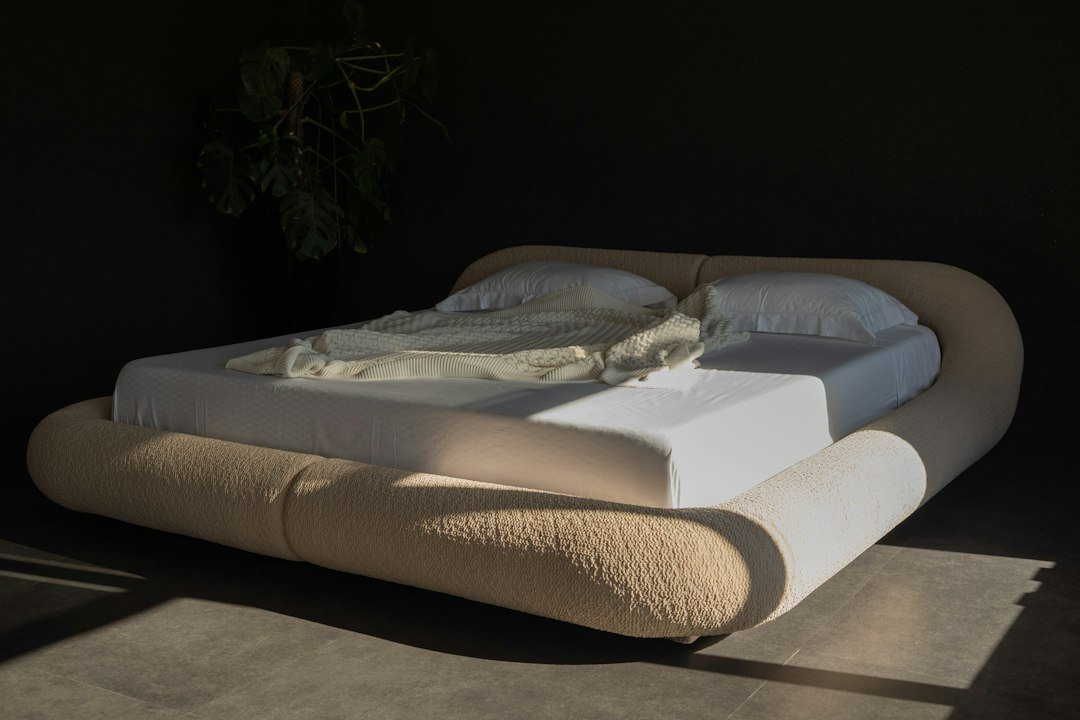
If your room is cool but you still wake up hot, look under the fitted sheet. A thick foam topper, dense mattress comfort layer or certain waterproof mattress protectors can change how heat and moisture escape. Not every foam mattress or waterproof protector behaves the same way, and no fabric name can tell you the complete story.
Start by noticing what you’re sleeping on. Does the mattress make you sink in deeply? Is there a foam topper? Does the protector have a plasticlike barrier beneath the fabric? If an optional layer can be removed safely, try a few nights without it and see if the feeling changes. Keep a protector when it’s needed for spills, allergies, children or the mattress warranty. If yours needs replacing, Aalign has previously reviewed the Avocado Organic Waterproof Mattress Protector, made with organic cotton and a thin waterproof membrane. It’s a protection option, not a proven cooling treatment. If you are buying a mattress, compare its full construction rather than a ‘cooling gel’ claim.
Our existing mattress guide explains mattress layers and materials in more depth.
6. Choose bedding by construction, not by a cooling label
A lighter blanket usually insulates less than a thick comforter, but a fabric’s feel also depends on weave, weight, finish and how it manages moisture. Cotton percale is often crisp and airy; lightweight muslin has an open construction. Those can be pleasant starting points, but no fabric guarantees a cooler night for every person.
Polyester is not automatically hotter in every form, just as cotton is not automatically cooler in every weave. Some synthetics move moisture effectively, while thick brushed fabrics and dense layers can feel very insulating. Take the whole product into account. The goal is a bed that lets you adjust layers easily and feels good against your skin.
If your sheets or blanket are due for replacement, Aalign has already evaluated the Coyuchi Organic Crinkled Percale Sheet Set for a lighter, crisp cotton feel and the Naturepedic Breathable Organic Cotton Muslin Blanket for easy layering. You don’t need to buy either just because you occasionally wake warm. Our separate bedding guide goes deeper into materials and layers.
7. Think about your sleepwear, pillow and extra blankets
A thick pajama set, fleece throw or extra duvet may be all that’s needed to explain a hot night. Try looser, lighter clothes, removing one layer, or keeping a separate lightweight blanket within reach. If your head feels hot, check the pillow cover and the pillow itself, but be skeptical of promises that a cool touch at bedtime means an entire night of cooling.
Can what you do before bedtime make you hotter?
Sometimes, although the effects vary from person to person. Alcohol can interrupt sleep and contribute to flushing or sweating. Spicy food may temporarily make some people feel warmer, and a very large late meal may leave others uncomfortable. Caffeine can interfere with sleep even when it isn’t the direct cause of feeling hot. If you suspect one habit, notice whether there’s a pattern rather than restricting everything at once.
Drink enough water through the day, particularly when it’s hot. There is no reason to force large amounts just before bed. Exercise is good for sleep for many people, but if an intense late workout leaves you physically hot, try moving it earlier and allowing a cool down.
What about a hot bath?
This is the surprising one. A warm bath or shower about one to two hours before bed may help some people fall asleep sooner. Warming the skin can encourage heat to move away from the body’s core afterward. It’s different from taking a very hot shower and climbing immediately into a warm bed. If baths make you uncomfortably hot, skip them. You don’t need an ice cold shower to prove you’re helping your sleep.
When sleeping hot is actually a night sweat
Waking warm because a room is stuffy is different from repeatedly soaking your sleepwear or sheets when the bedroom is already cool. Perimenopause and menopause can cause sudden hot flashes and night sweats, sometimes long before periods stop. Certain medicines, anxiety, low blood sugar and other health conditions can also contribute. An environmental change may make the night more comfortable without addressing the underlying reason.
If you regularly wake drenched, symptoms are new or worsening, or you also have fever, unexplained weight loss or other concerning changes, speak with a health professional. If a prescription could be contributing, ask about it instead of stopping it yourself. For menopause-related hot flashes, evidence based treatment options exist; buying new sheets should not be the only suggestion.
What if one partner sleeps hot and the other is freezing?
You don’t have to agree on one heavy blanket or one fan setting. Separate duvet weights, a small directional fan and different sleepwear can make a shared bed more comfortable without turning the whole bedroom into a refrigerator. Some couples use two individual duvets on the same bed, which also makes adjusting the covers easier.
If one person still overheats after adjusting the room and bedding, an individual bed-airflow system such as the BedJet 3 Climate Comfort Sleep System may be worth looking into. It moves air through the bedding and can be configured for separate sides, but it is expensive, uses electricity and makes some noise. It doesn’t work like an air conditioner. Try individual blankets and a directional fan first.
What is actually worth buying?
First decide what is wrong. A small room thermometer can tell you whether humidity or nighttime heat is the problem. A directional fan may help if the air feels still. A properly chosen shade may reduce daytime heat gain. Breathable bedding makes sense when you are ready to replace a heavy layer. A new mattress or powered bed cooler belongs much further down the list.
If you do decide to shop, match the purchase to the problem. A monitor helps you understand the room. A fan helps when you need a breeze. A shade can help with strong sun. Bedding or a protector is worth replacing only when the current layer isn’t serving you. Expensive bed-cooling equipment can wait until you’ve tried simpler things.
One reason to be careful with marketing: a 2025 systematic review of nine studies found no consistent improvement in measured sleep outcomes from cooling bedding, although some approaches lowered body temperature. That doesn’t mean comfort has no value. It means a cold-to-the-touch label isn’t proof of better sleep.
A simple place to start tonight
Before shopping, take three minutes to work out which kind of heat you’re dealing with. Is the bedroom warmer or more humid than you thought? Is there a heavy layer above or below you? Does the problem happen after alcohol, a late meal, or alongside repeated hot flashes? Try one change at a time, starting with temperature, sunlight, airflow and the layers already on your bed.
A bedroom should feel like a place where your body can settle. You can care about how the light falls, the texture of the bedding, the sound of the fan and the beauty of the room, while still paying attention to the practical things that make sleep more comfortable.
Questions people ask
Why am I hot at night when the room is cold?
The air surrounding your bed may be cool while blankets, a mattress protector, topper or mattress trap warmth against your body. Also consider hormonal hot flashes or other causes if you sweat heavily in an otherwise cool room.
Do cooling sheets really work?
Some people find them more comfortable, but ‘cooling’ has no single universal meaning. Fabric construction and moisture management matter. Research hasn’t consistently shown that cooling bedding improves measured sleep quality for everyone.
Should I sleep with the fan on?
If the room is at a safe, comfortable temperature, a fan can create a helpful breeze. Choose a setting you find pleasant and check for bothersome sound or light. Do not rely on a fan alone during dangerous indoor heat.
What should couples do if one sleeps hotter?
Begin with individual blankets, different sleepwear and a directional fan aimed toward only one sleeper. More expensive dual zone bed systems can wait unless those changes fail.
Sources and further reading
- 2025 bedding cooling systematic review
- 2024 bedding and sleepwear fiber review
- University of Utah Health 2026 cooler bedroom guidance
- EPA humidity guidance
- DOE cellular shade research
- Hunter Douglas AERC certified shade families
- NHS night sweats guidance
- The Menopause Society position statements
- CDC heat and fans