

When buying a candle, we usually notice the scent, color, or beautiful container first. But the wax plays a bigger role than most people realize.
From the subtle honey scent of beeswax to the creamy finish of coconut wax, each type has something different to offer. The wax influences how a candle burns, holds fragrance, looks, and where its ingredients come from.
So which one should you choose? Let’s look at eight popular candle waxes, what makes each interesting, and the tradeoffs to consider.
Types of Waxes Used in Candle Making

The wax influences a candle’s texture, flame behavior, fragrance performance, design possibilities, price, and sourcing. The wick and fragrance matter too.
Find What You're Looking For
Explore the waxes
Paraffin · Beeswax · Coconut · Soy · Palm · Hemp · Rapeseed · Rice Bran
Compare and choose
Quick Comparison · Wax Blends · Which Wax to Choose · Candle Picks · FAQs
Candle Wax Types at a Glance
| Wax | Why people choose it | Good to know |
|---|---|---|
| Beeswax | Honey aroma, golden color, traditional tapers | Higher price; not vegan |
| Coconut | Creamy appearance and fragrance compatibility | Soft; commonly blended |
| Soy | Widely available plant-based option for scented candles | May develop frosting; sourcing varies |
| Paraffin | Affordable and often strong scent performance | Petroleum-derived |
| Palm | Crystalline patterns for decorative candles | Land-use and sourcing concerns |
| Hemp | Unusual plant-based ingredient | Limited availability |
| Rapeseed | Plant-derived wax, popular in Europe | Origin and blends vary |
| Rice Bran | Rice-processing byproduct; adds firmness | Rarely used alone |
Wax is only part of the story. The wick, fragrance ingredients, construction, and how a candle burns also influence smoke, soot, and the overall experience.
8 Popular Candle Wax Types: Their Pros and Cons
Each wax has different strengths. Here’s what separates them and what to look for before choosing a candle.
1. Paraffin Wax
Paraffin is one of the most widely used candle waxes. It’s affordable, versatile, and particularly good at carrying fragrance.
Made from refined petroleum, paraffin can be formulated for scented jars, decorative pillars, and tapers. Burning candles can release soot, fine particles, and gases into indoor air. These emissions aren’t exclusive to paraffin; the wick, fragrance, airflow, and candle construction all influence what is released.
Pros
- Affordable and widely available
- Often gives excellent scent throw, meaning how well fragrance fills a room
- Works in jars, pillars, and tapers
- Available in different formulations
Cons
- Derived from nonrenewable petroleum
- Can produce soot and other combustion pollutants
- Relies on fossil-derived materials rather than renewable waxes
- Wax type alone doesn’t predict emissions
What to look for: If you prefer to avoid petroleum, choose a candle with a clearly identified beeswax or plant-wax formulation. For any candle, keep the wick trimmed and avoid drafts.
2. Beeswax

Beeswax has been used in candle making for centuries, and there’s something beautiful about its golden color and subtle honey aroma.
Made by honeybees to build honeycombs, it is naturally firm and particularly good for traditional taper and pillar candles. It can burn steadily for a long time with a properly matched wick, even without added fragrance.
Pros
- Subtle honey aroma without added scent
- Firm enough for tapers, pillars, and decorative candles
- Can offer a long burn time
- Renewable and petroleum-free when pure
- Beautiful for handcrafted candles
Cons
- Usually more expensive than soy or paraffin
- Not vegan
- Color and honey scent vary with processing
- Some beeswax candles contain other waxes
What to look for: Choose 100% beeswax if you want the pure material. For no added scent, look for unscented or no added fragrance.
3. Coconut Wax
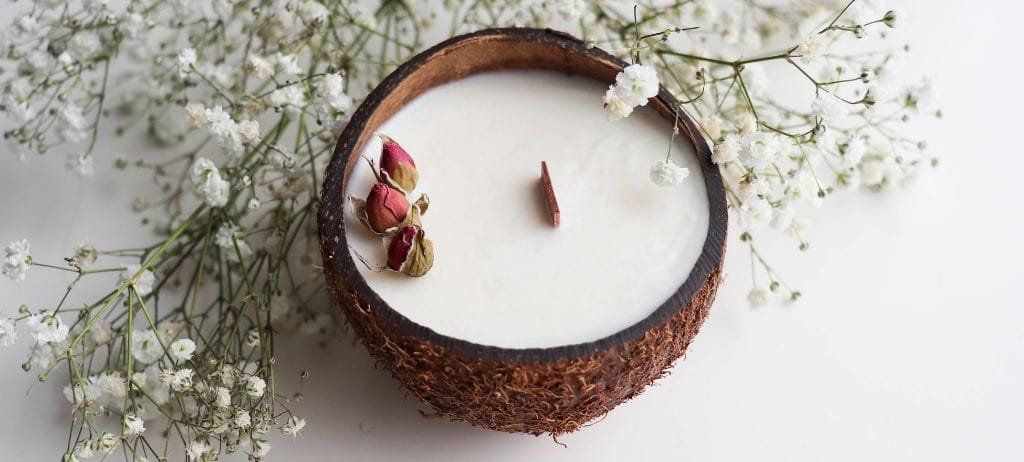
Coconut wax has become popular in luxury candles, and it’s easy to see why. It has a beautiful creamy finish and works especially well in scented candles.
It’s made from processed coconut oil, rather than coconut husks. Because coconut wax is relatively soft and melts at a lower temperature, makers often blend it with soy, beeswax, or other waxes for a more stable candle.
Pros
- Creamy, smooth appearance
- Works with many fragrance oils and essential oils
- Popular for container candles
- Made from a renewable plant source
- Can be blended to adjust texture and performance
Cons
- Usually more expensive than paraffin
- Soft and sensitive to high temperatures
- Frequently blended, sometimes with paraffin
- Environmental impact depends on farming, processing, and transport
What to look for: Check whether the candle contains 100% coconut wax, a coconut-soy blend, or another mix. The word coconut doesn’t guarantee petroleum-free ingredients.
4. Soy Wax
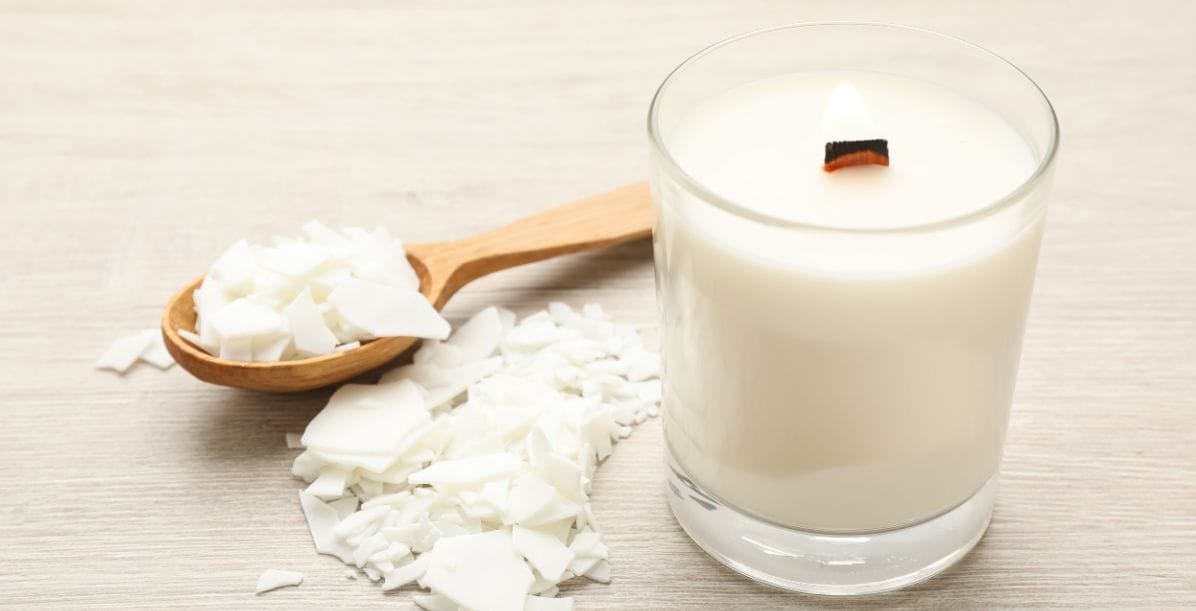
Soy wax is one of the most popular plant-based alternatives to paraffin, particularly for scented container candles.
Made from processed soybean oil, it has a soft, creamy appearance and can burn evenly with the right wick. A pale crystalline surface, called frosting, is common and doesn’t mean a candle is defective.
Pros
- Made from a renewable plant source
- Widely available and generally more affordable than beeswax
- Compatible with many fragrance formulations
- Suitable for container candles and blends
- Can be petroleum-free when all wax ingredients are plant-derived
Cons
- Can develop frosting or uneven surfaces
- Some soy candles contain paraffin
- Scent performance depends on the formulation
- Soy farming can involve pesticide use, intensive land use, and deforestation
What to look for: If you want to avoid petroleum, look for 100% soy wax or a clearly identified plant-wax blend. Agricultural sourcing is another useful distinction.
5. Palm Wax

Palm wax creates some of the most interesting-looking candles. As it cools, crystalline patterns can appear that resemble frost or feathers.
Made from palm oil, it’s especially popular for decorative pillars and molded candles because of its firmness. Palm production has contributed to deforestation and habitat loss in parts of Southeast Asia, although responsibly managed production is possible.
Pros
- Beautiful crystalline patterns
- Firm enough for decorative pillars and molds
- Can hold fragrance well
- Made from a renewable crop
Cons
- Poorly managed production can contribute to deforestation and biodiversity loss
- Responsible sourcing can be difficult to verify
- Performance varies by formulation
What to look for: Look for RSPO certification and its supply-chain model. Segregated and Identity Preserved trace physically certified oil; Mass Balance tracks certified volumes while allowing mixing.
6. Hemp Wax
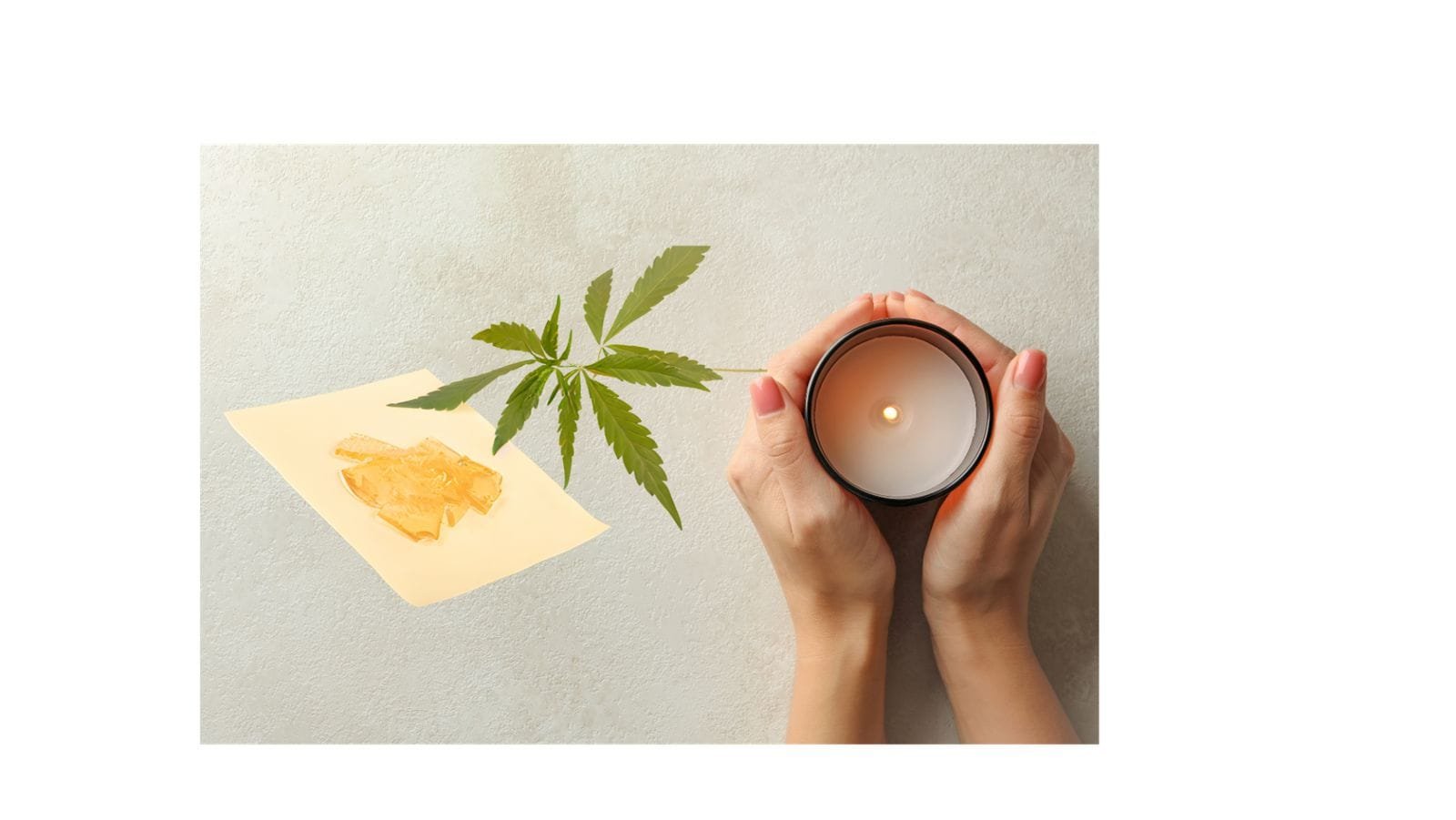
Hemp is an interesting addition to candle making as independent makers explore different plant oils and blends.
Some wax formulations use processed hemp seed oil, but many candles marketed as hemp contain soy or coconut wax alongside hemp ingredients or a hemp-fiber wick. Hemp seed wax isn’t CBD, and a hemp candle doesn’t automatically contain cannabinoids or have therapeutic benefits.
Pros
- Potential plant-derived wax alternative
- Useful ingredient to explore in wax blends
- Interesting for independent makers
- Hemp fibers can also be used as wicks
Cons
- Less common than established waxes
- Limited independent performance comparisons
- Often used in blends
- Superior burn or indoor-air claims aren’t well established
What to look for: Look for a wax ingredient made from hemp seed oil. A hemp wick alone doesn’t make it a hemp-wax candle.
7. Rapeseed Wax

Rapeseed wax is particularly interesting in European candle making, where rapeseed is widely cultivated.
Made from processed rapeseed oil, a crop closely related to canola, this wax can create a creamy finish and perform well in blends. For European makers, locally grown rapeseed can be an alternative to importing other vegetable oils.
Pros
- Renewable plant-derived material
- Useful in scented candles and blends
- Smooth, creamy finish
- Can offer more regional sourcing in Europe
- Available for both containers and molded candles
Cons
- Less widely available in the United States
- Performance depends on specific formulation
- Agricultural impact varies by origin
- May contain other plant waxes
What to look for: Look for a clearly identified wax blend and source. European-grown rapeseed can be a real distinction in a European-made candle.
8. Rice Bran Wax

Rice bran wax is one of the more unusual ingredients here, and an interesting example of using material from food processing.
Rice bran is the outer layer removed when rice is milled. Wax can be recovered during rice bran oil processing, producing a firm plant wax with a relatively high melting point. It can help improve the structure of some blends.
Pros
- Can be recovered as a rice-processing byproduct
- Plant-derived wax alternative
- Hardness can stabilize some blends
- Uses a material generated during food production
Cons
- Uncommon in finished candles
- Often blended rather than used alone
- Limited comparison research on candle emissions and performance
- Sourcing and processing vary
What to look for: Look for clearly identified rice bran wax. Pure rice bran wax and blends using processed rice bran oil aren’t necessarily the same material.
What About Candle Wax Blends?
You may have noticed candles labeled coconut-soy, coconut-beeswax, or simply plant wax blend. Blending is common because different waxes bring different qualities to a finished candle.
Coconut + soy: Coconut can provide a creamy finish, while soy adds structure. This combination is popular for scented container candles.
Beeswax + coconut: Beeswax brings firmness and its characteristic honey aroma, while coconut oil can soften the mixture and change how it melts.
Soy + paraffin: Makers sometimes combine these to balance scent performance, appearance, and cost.
A blend isn’t automatically better or worse than a single wax. Ingredients, proportions, and construction make the difference.
Something to know: A candle labeled soy blend may contain paraffin. For a petroleum-free choice, look for a clearly identified full wax composition.
Which Candle Wax Should You Choose?
There’s no single wax that’s best for every candle. Here’s how I’d narrow it down.
For candlelight without added fragrance: Beeswax is one of my favorites. Its golden color and subtle honey scent are beautiful on their own, although unscented beeswax isn’t odorless.
For scented candles: Soy, coconut, and their blends offer plenty of choice. Check the fragrance ingredients too.
For beautiful dinner tapers: Beeswax is firm and well suited to traditional candle making.
For affordability: Soy and paraffin are often easier to find at lower prices.
For sustainability: Consider sourcing, processing, and reusable or refillable vessels, not only whether a wax comes from a plant.
Rapeseed, hemp, and rice bran also deserve attention as candle formulations develop.
A Few Candles That Show These Waxes Beautifully
Four examples of different waxes and approaches, from simple unscented candlelight to scented designs and refillable options.
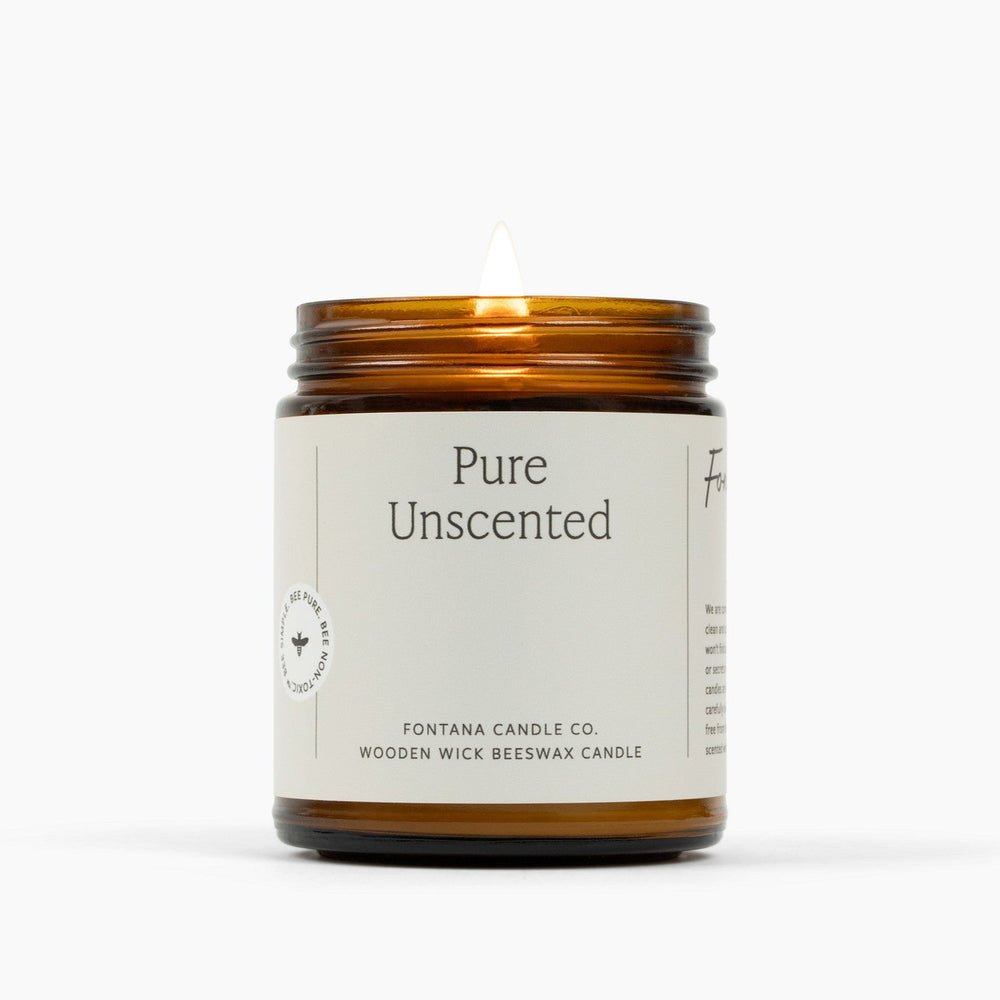
No Added Fragrance
Aalign Rating: Best
Made with beeswax, coconut oil, and an untreated wooden wick, this is a lovely option for candlelight without added fragrance. It’s MADE SAFE certified, an independent ingredient-screening certification.
Good to know: Beeswax has a subtle aroma, and the wooden wick can crackle. Unscented doesn’t mean odorless.
Aalign readers can use code AALIGN for 15% off.
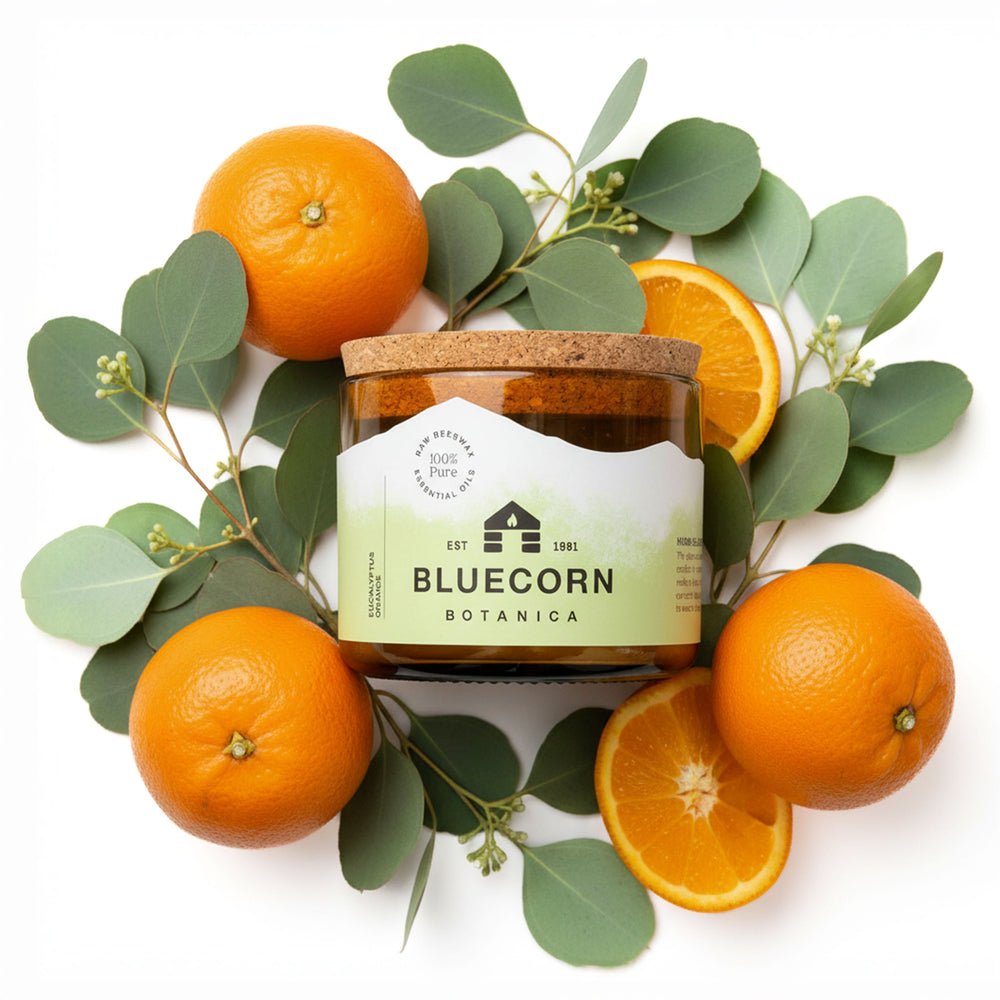
Scented Beeswax
Aalign Rating: Best
Blue Corn combines beeswax with essential oils in blown glass made from recycled material. The amber color and handcrafted vessel give it a beautiful, distinctive look, and the glass can be refilled.
Good to know: Essential-oil scent strength varies with the candle size and fragrance.
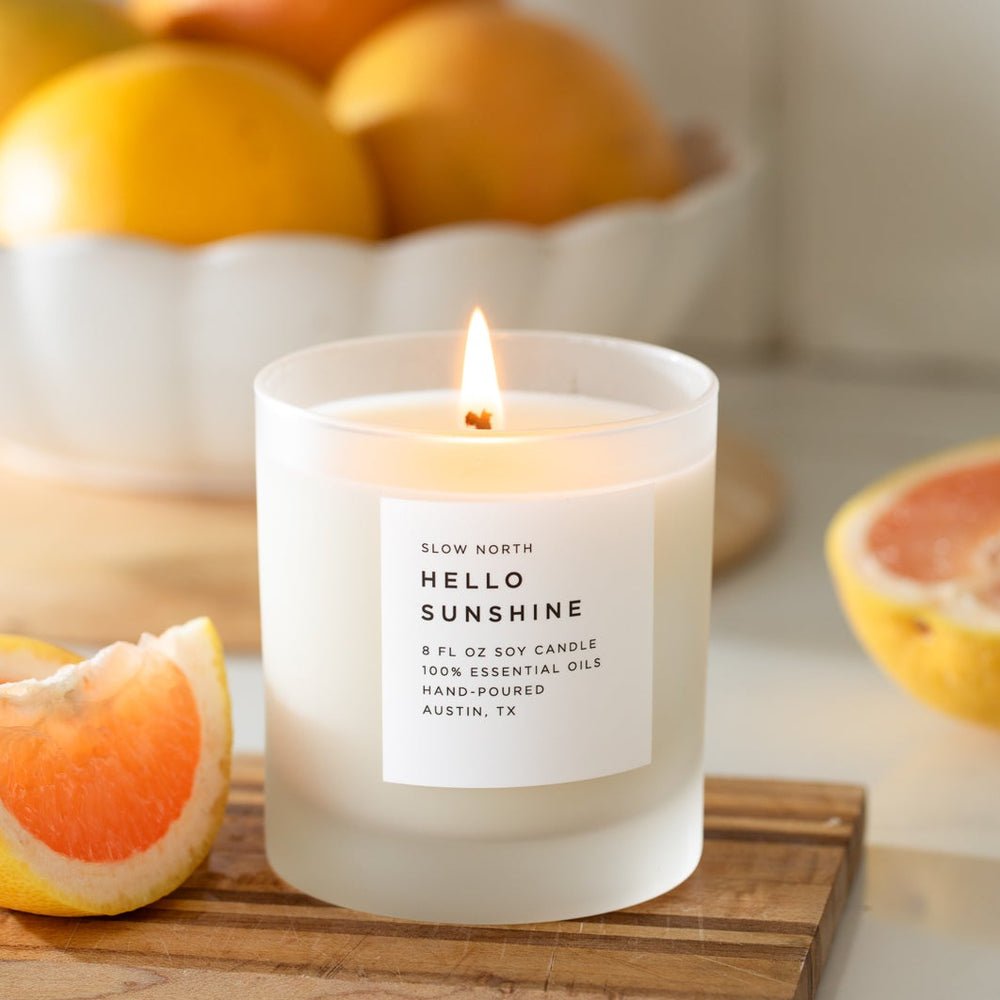
Essential-Oil Soy Candle
Aalign Rating: Best
Hand-poured with soy wax and grapefruit, geranium, and lime essential oils, Hello Sunshine is fresh and citrusy. Its wildflower seed paper dust cover can be planted after use.
Good to know: Essential-oil fragrances can still release fragrance compounds into indoor air.
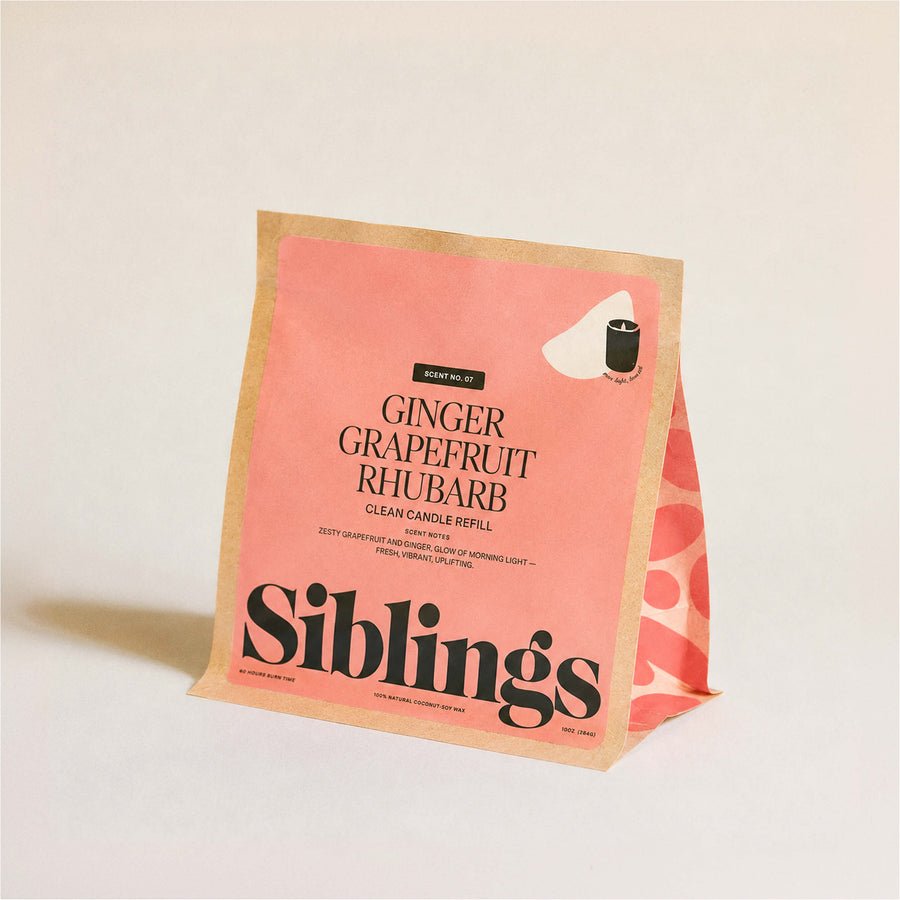
Refillable Coconut-Soy Wax
Aalign Rating: Better
Instead of buying another glass jar, you melt this coconut-soy refill and pour it into a suitable vessel. No. 07 has notes of grapefruit, ginger, and rhubarb, with a practical reuse-focused format.
Good to know: The scent includes formulated fragrance ingredients as well as essential oils. Use a suitable heat-resistant vessel and follow the refill instructions.
Some product links may earn Aalign a commission at no additional cost to you.
What's New in Candle Wax?
Candle researchers and makers are exploring unusual ingredients, including waxes recovered from rice processing, sugarcane materials, and recycled cooking oil.
Some experimental blends combine these materials with rapeseed oil. Early results show promise for making better use of existing resources, but performance still depends heavily on the formulation.
For now: Soy, coconut, beeswax, and well-made blends are more established choices. These emerging materials are interesting to follow, but they aren’t automatically better because they’re new.
Frequently Asked Questions

What is the healthiest candle wax to burn?
No single wax is proven healthiest. Beeswax, soy, and coconut offer alternatives to petroleum-derived paraffin, but burning candles of any wax can release particles and gases. If you’re fragrance-sensitive, an unscented candle with a simple ingredient list is a reasonable choice. Ventilation and burning habits are important.
Are soy candles better than paraffin candles?
Soy comes from a renewable crop, while paraffin comes from petroleum. Soy can appeal to people reducing fossil-derived materials, but its wax base alone doesn’t guarantee lower indoor-air emissions.
Which candle wax burns the longest?
Beeswax, soy, and coconut can all offer long burn times. Candle size, wick, fragrance, and formulation change the result. Compare the maker’s stated burn times for similarly sized candles.
Which wax is best for strong fragrance?
Paraffin is known for strong scent throw, while soy and coconut blends are popular for scented candles too. Scent throw is how effectively fragrance fills a space. A balanced formulation and wick often determine performance.
Do plant-based candles produce soot?
Yes. Soy, coconut, beeswax, and other candles can produce soot because they burn. Keep the wick trimmed, avoid drafts, and extinguish a candle that repeatedly smokes or develops an unstable flame.
Are essential-oil candles better than synthetic fragrance candles?
Essential oils come from botanical materials, while formulated fragrance oils may combine botanical and synthetic compounds. Neither automatically guarantees fewer emissions or reactions. Review actual fragrance ingredients and how the candle is used.
Are candle wicks still made with lead?
Lead-cored candle wicks have been banned in the United States since 2003. Modern candles commonly use cotton, paper, wood, or permitted metal-core designs such as zinc. Look for clear wick composition rather than homemade lead tests.
Point of Alignment
There’s something about candlelight that changes how a space feels. The warmth, the flickering flame, the way it softens a room, and sometimes the scent that brings back a memory.
I love that part of candles, and choosing them more thoughtfully doesn’t mean giving any of it up.
Whether you prefer a simple beeswax taper, a beautifully scented soy candle, or a refillable coconut blend, understanding the materials helps you find something that suits both your space and your priorities.
Explore More on Aalign
Our Favorite Candle Brands
Curated candles with useful details on fragrance, materials, craftsmanship, and design.
Essential Oils or Fragrance Oils for Candles?
Understand fragrance ingredients and how they differ.
Colored Candles and Feng Shui
Explore candle colors and the atmosphere of different spaces.