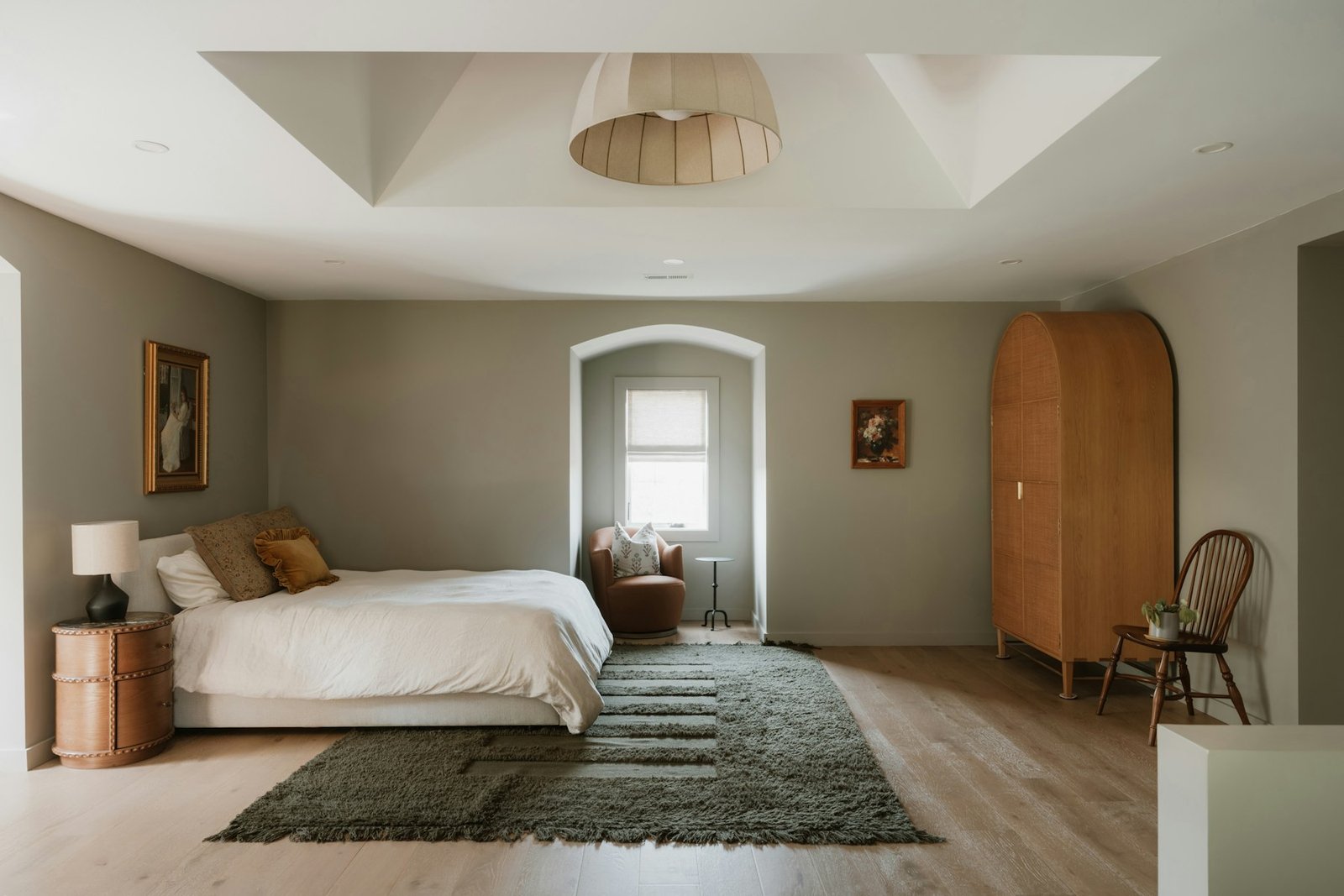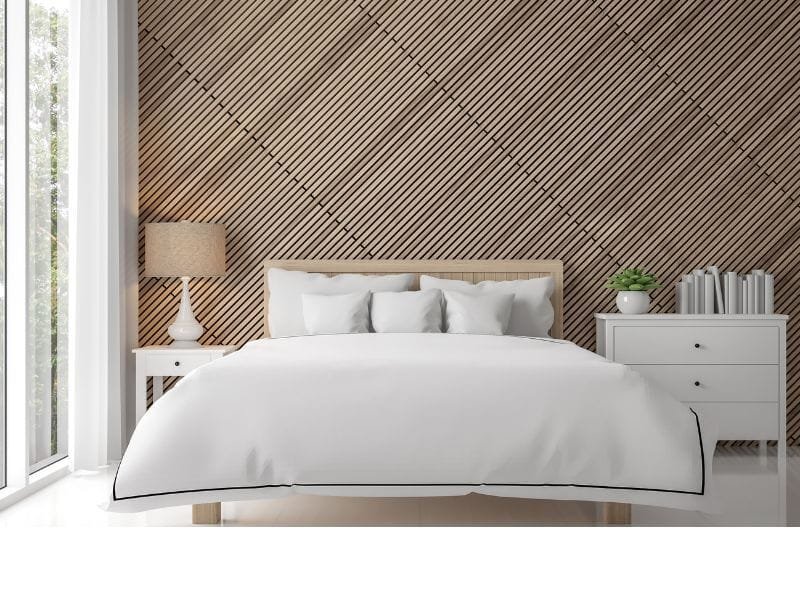
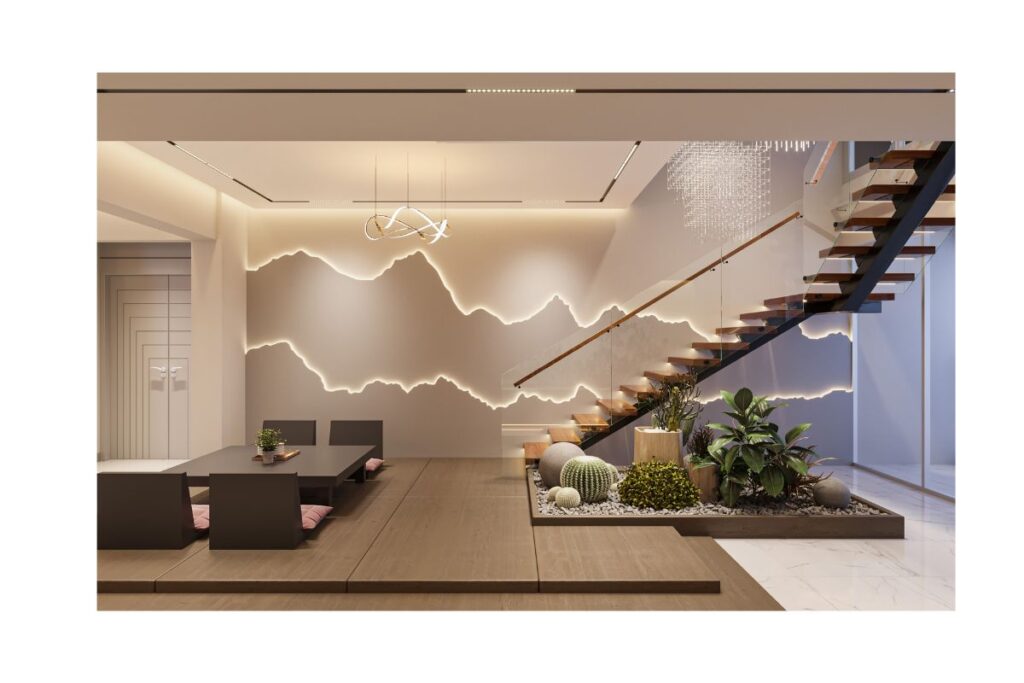

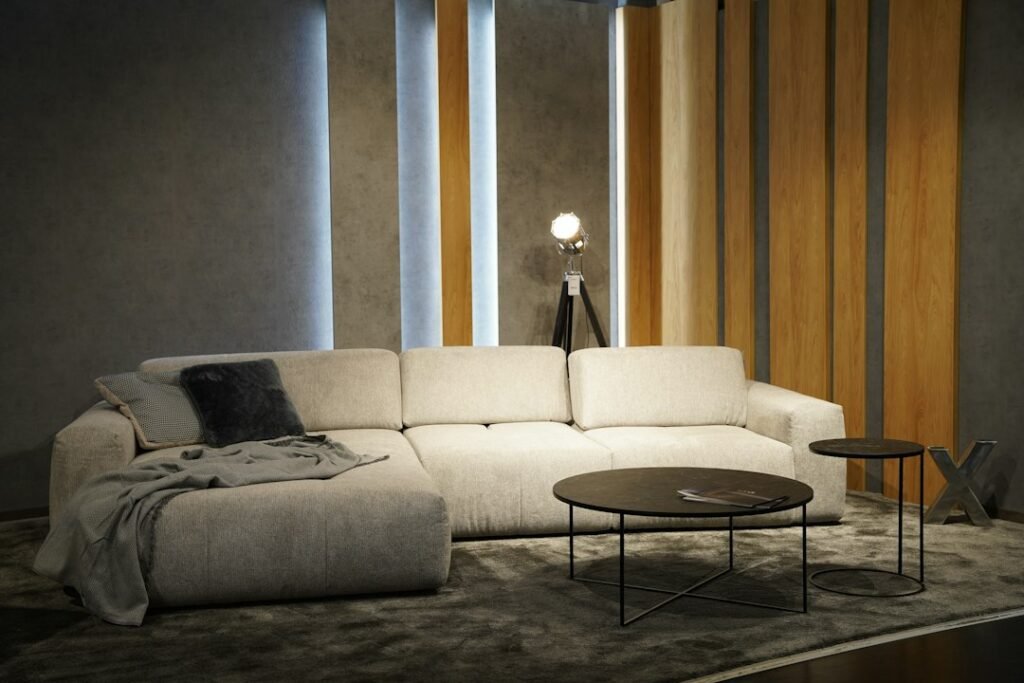
Try something tonight. Dim the ceiling lights, turn on a lamp beside the sofa, and if you have one, add a picture light above some artwork, shelf lighting, or a small uplight behind a plant.
Look at what happens to the room.
The wood looks warmer, fabrics have more texture, the corners feel softer, and suddenly the whole space has a different personality.
That’s the beauty of layered lighting.
It’s something good restaurants and hotels understand particularly well. They use light to draw your attention, make you comfortable, and create an atmosphere that changes throughout the day.
And you don’t need a beautifully designed hotel or a house full of expensive fixtures to achieve it.
The secret is knowing where to place light, what kind to use, and how the different sources work together.
Let’s start with the three layers, then I’ll show you how to use them in different spaces.
Jump to What You're Looking For
The Three Types of Layered Lighting
Ambient lighting gives the room its overall illumination. Task lighting focuses light where you’re reading, cooking, or working. Accent lighting highlights artwork, plants, textured walls, or architectural details.
Combining them gives a room depth, draws attention to its best features, and changes what you notice as you move through the space.
Lighting Ideas for Every Room
Entryway & Foyer
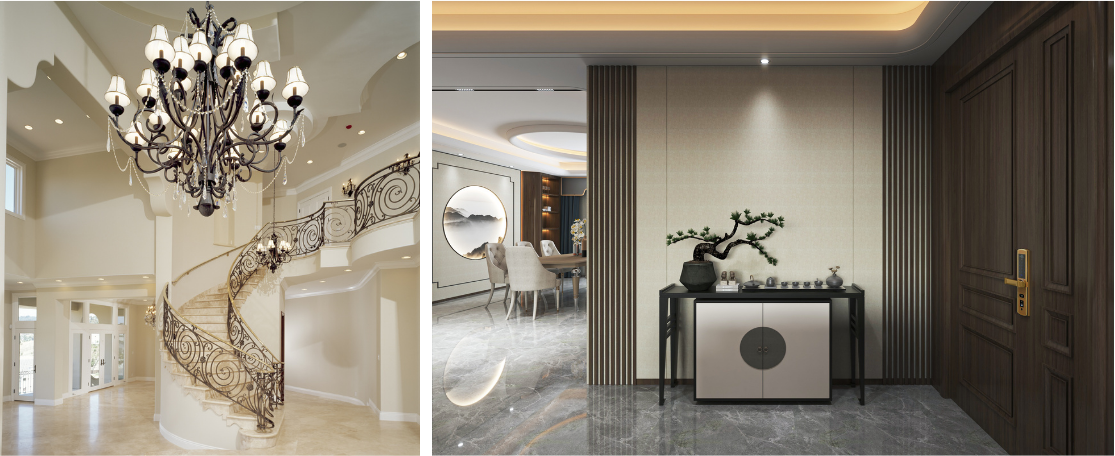
- Start with the focal point. A pendant or chandelier gives the entry its first impression. In a tall foyer, choose a fixture that looks good from upstairs and through the front windows, too.
- Put a lamp on the console. A stone, ceramic or sculptural table lamp brings a different material and a softer point of light into the entry.
- Highlight what you want people to notice. A picture light over artwork, slim sconces, or a wall washer can illuminate a textured wall or architectural detail.
- Think about scale. An oversized fixture can look beautiful in a double-height space; a low ceiling may be better suited to a semi-flush design.
- Check walking clearance. Aim for at least seven feet beneath a hanging fixture in an area people pass through, with more where necessary.
- Put the general light and lamps on separate controls. A console lamp can create a more inviting welcome in the evening.
Living Room
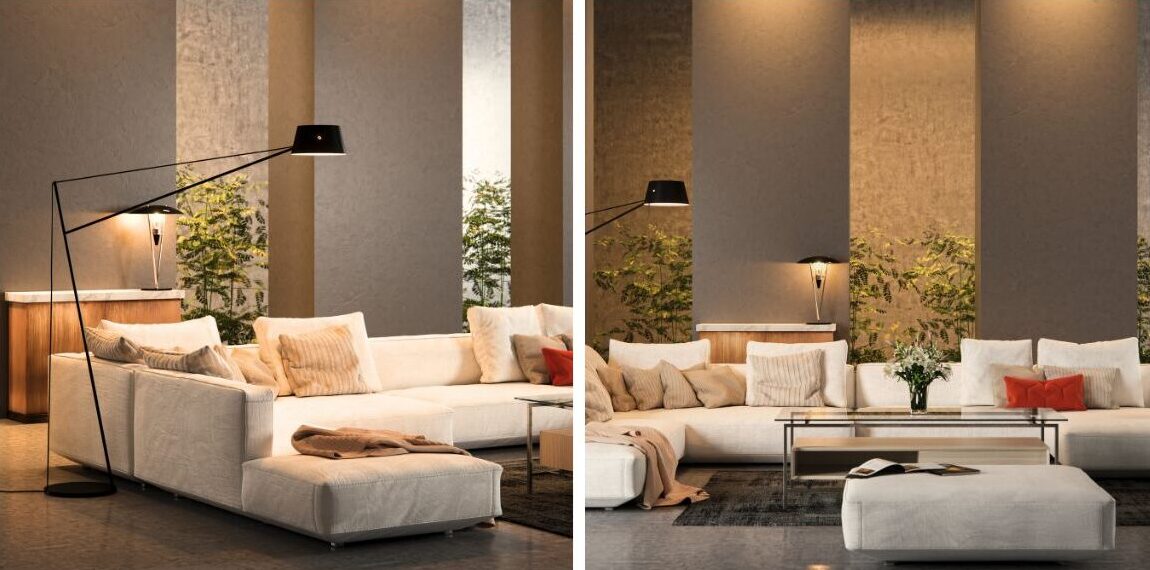
- Spread the light around. Start with a lamp near the sofa, one on the opposite side of the room, and a third light that highlights art, shelving or a plant.
- Mix shade materials. Linen or paper softens the glow; an opaque metal shade directs light onto a book or side table.
- Hide exposed bulbs from your seated view. Check lamps while you’re actually sitting on the sofa, not only when standing.
- Give a dark corner some attention. A small uplight can bounce light onto the wall or ceiling. Behind a tall plant, it creates beautiful leaf shadows.
- Keep reflections off the television. Place a gentle light behind or beside the screen, rather than pointing a lamp toward it.
- No ceiling fixture? A tall uplighter and several well-placed lamps can provide general light without adding overhead wiring.
- Make it easy to use. Group compatible lamps with a switched outlet, smart plugs or a dimmer where suitable.
Kitchen
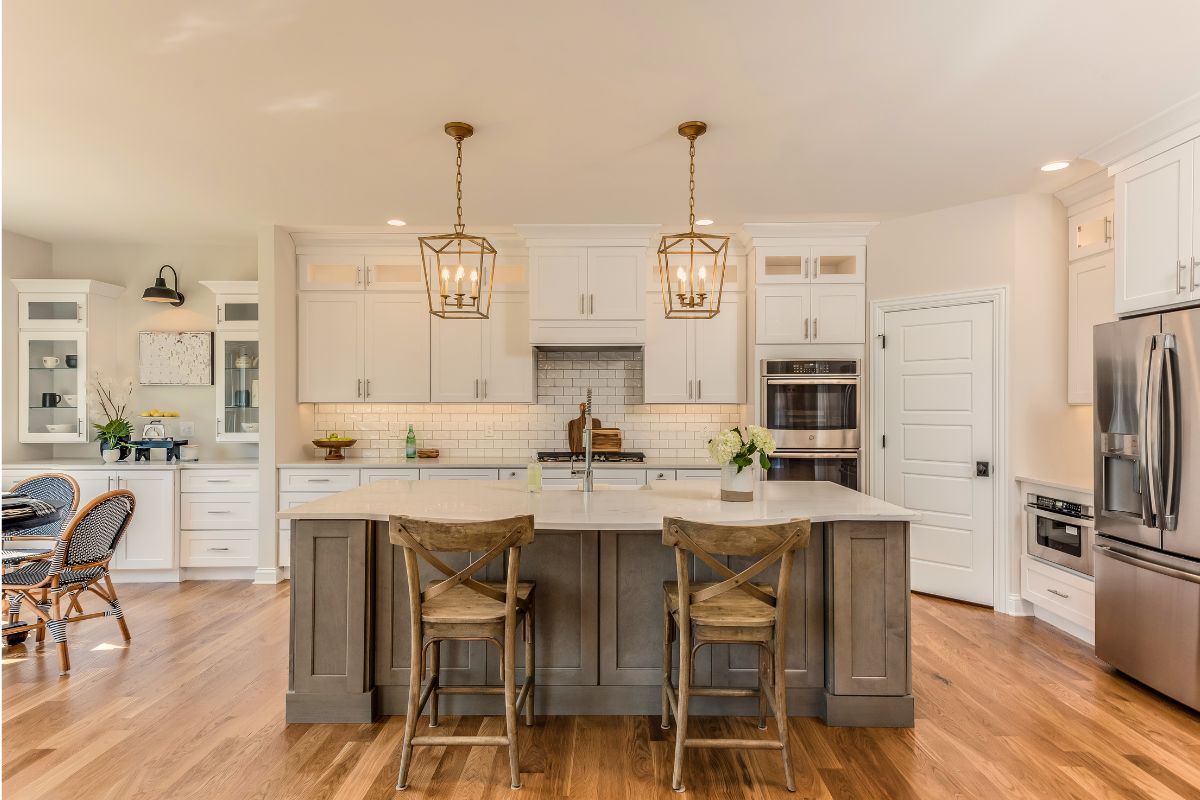
- Illuminate the counters first. Under-cabinet light removes the shadow you create when standing between the ceiling light and the work surface.
- Position LED strips carefully. Toward the front of upper cabinets generally lights the counter better than tucking the strip right against the backsplash. Use a diffuser to avoid visible dots and glare.
- Use pendants for more than decoration. Above an island, they can define the gathering area and provide useful light. Around 30 to 36 inches above the countertop is a common starting point, adjusted for sightlines and fixture size.
- Separate your switches. Ceiling, counter, and decorative lighting should be independently controllable whenever practical.
- Try a little lamp on the counter. On a dry surface away from splashes and heat, a small shaded or cordless lamp can give the kitchen another beautiful evening setting.
- Don’t forget the pantry or sink. A dedicated light in an awkward work area may be more useful than another recessed fixture.
- Choose bulbs with good color rendering. CRI 90 or higher is useful for seeing the actual colors of food and finishes.
Bedroom
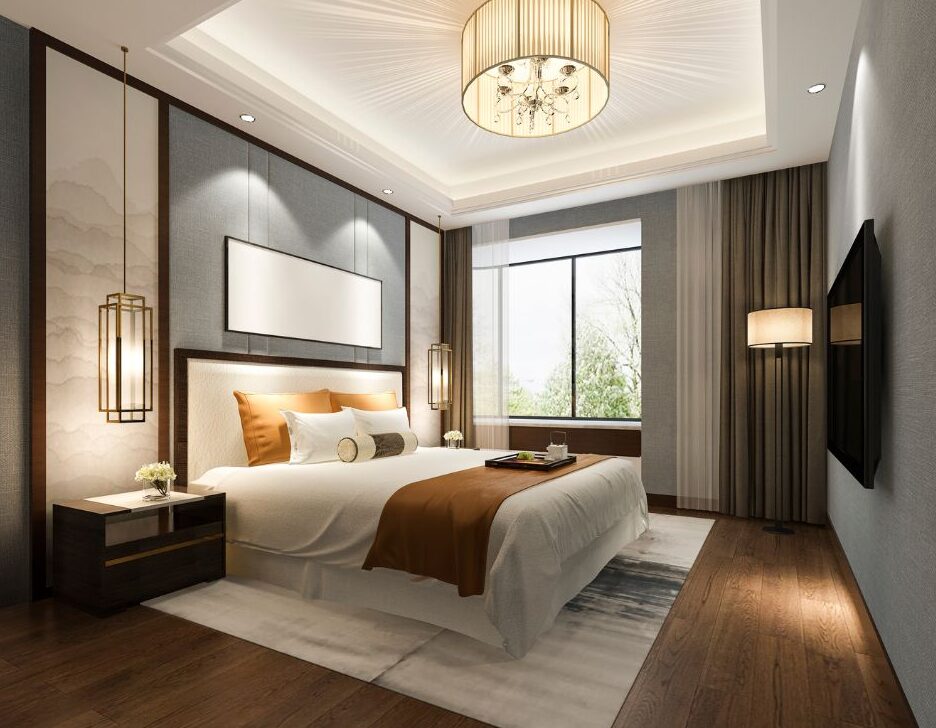
- Place reading lights where you actually read. Bedside sconces or adjustable lamps should light the page without shining into the other person’s eyes.
- Try pendants beside the bed. A beautiful option when you want to free up nightstand space. Keep cords and placement practical.
- Make an evening setting. Warm, dimmable lamps offer a different atmosphere from the general ceiling lighting.
- Give the dressing area its own light. Inside a closet or beside a mirror is often more useful than adding brightness across the entire bedroom.
- Think about the windows. Enjoy daylight during the morning; use shades or curtains to manage glare and unwanted light at night.
- Add a low night light if needed. Keep it dim and shielded, near the floor where it helps with nighttime movement.
Home Office
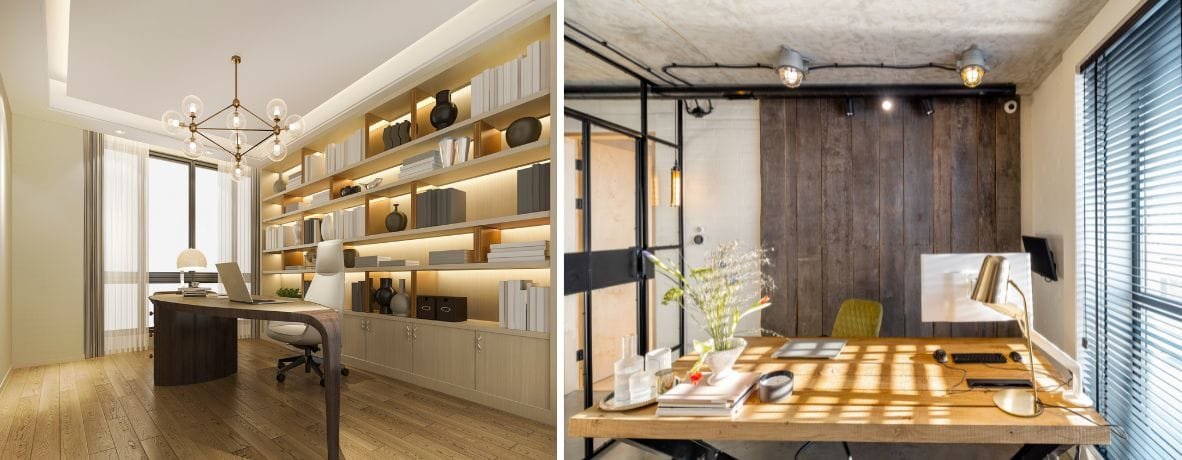
- Put daylight to the side of your screen. That usually reduces reflections compared with having a bright window directly behind the monitor.
- Add an adjustable desk lamp. Aim it at papers or your work surface, and position it so your hand doesn’t cast a shadow over what you’re doing.
- Soften the contrast behind the screen. A small background lamp or wall wash can make your setup feel less stark.
- Light shelving or artwork. It adds some personality to the room and makes the office more pleasant after work hours.
- Keep task and overhead lights independent. You can brighten the desk without flooding the entire room.
Bathroom
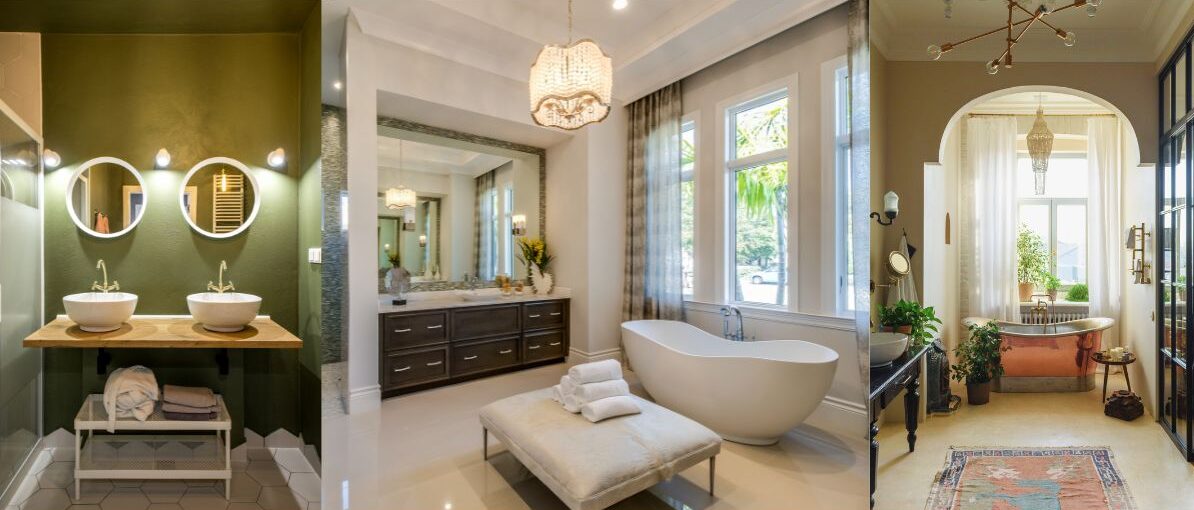
- Light both sides of the mirror when possible. Sconces near face height help avoid the shadows created by one bright fixture overhead.
- Check what the light does to skin tones. CRI 90 or higher is especially useful for grooming and makeup.
- Add a softer layer. Concealed light under a floating vanity, inside a niche, or around a mirror can change the atmosphere for evening routines.
- Keep bright light off shiny surfaces. Mirrors, tile and polished stone can reflect glare into your eyes.
- Choose fixtures rated for the location. Damp or wet area ratings depend on exactly where the fixture is installed.
Dining Room
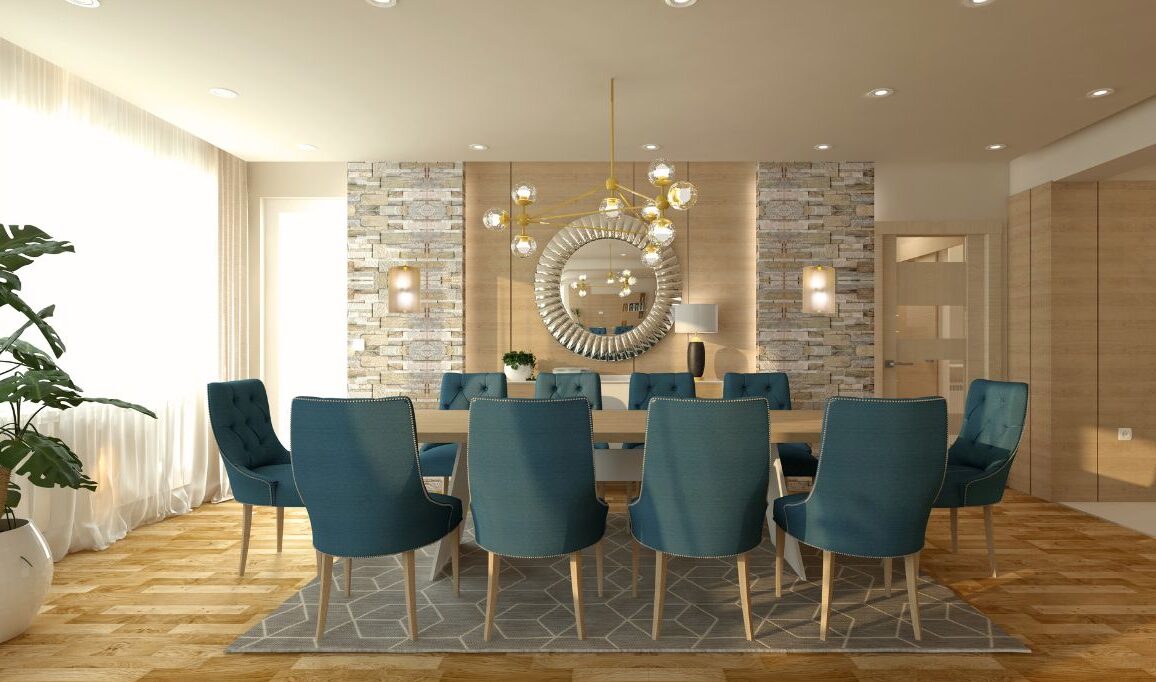
- Center the chandelier over the table, not automatically the room. This visually anchors the dining area.
- Match the shape to the table. A round chandelier or substantial pendant works well over a round table. Try a linear fixture or two pendants for a longer one.
- Get the proportions right. A chandelier roughly half to two-thirds of the table’s width is a useful starting point, not a fixed rule.
- Hang it where conversation still works. Around 30 to 36 inches above the tabletop is a common starting point for an eight-foot ceiling. Sit down and check everyone’s sightline.
- Watch exposed bulbs. A linen shade, frosted globe or well-positioned candles can keep light from shining into seated guests’ eyes.
- Use a dimmer. Keep the table bright enough to serve food, then lower the light for dinner.
- Give the sideboard a moment. Try two slender buffet lamps for symmetry, or one large sculptural lamp for a less formal look.
- Draw attention to your art. A picture light or a pair of sconces adds interest to the walls, rather than letting the chandelier do all the work.
- Bring out texture. Directional accent lighting can reveal the depth of stone, plaster, molding or wallpaper.
- Add candlelight. Tapers, a small lantern or a cordless lamp bring a beautiful lower layer to a sideboard or a large table. Choose flameless alternatives when open flames aren’t practical.
Game Room or Media Room
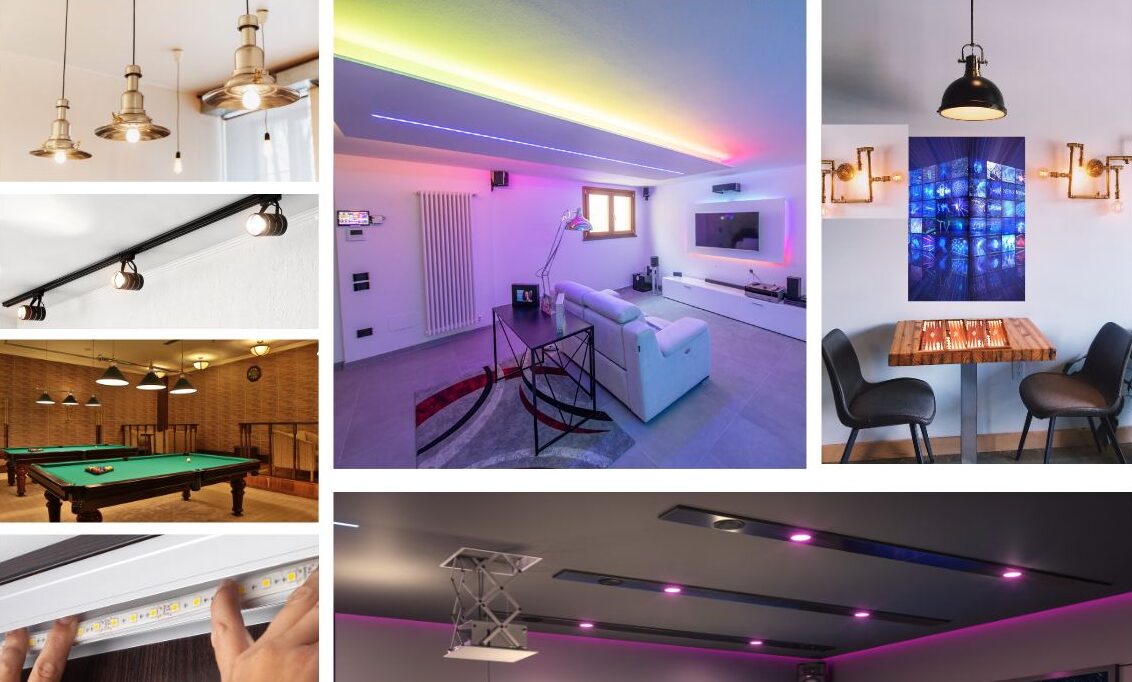
- Keep the television free of reflections. Put ambient light behind or to the side of the screen, not opposite it.
- Use a separate light over a game table. You’ll see cards and game pieces clearly without turning every fixture on.
- Try shelf or cabinet lighting. Concealed LED strips can illuminate collections or architectural features without dominating the room.
- Give yourself control. Dimming and a couple of lighting scenes work better than a single on/off switch.
- Use decorative color selectively. Colored lighting can be fun, but keep a comfortable white-light option for everyday use.
Nursery
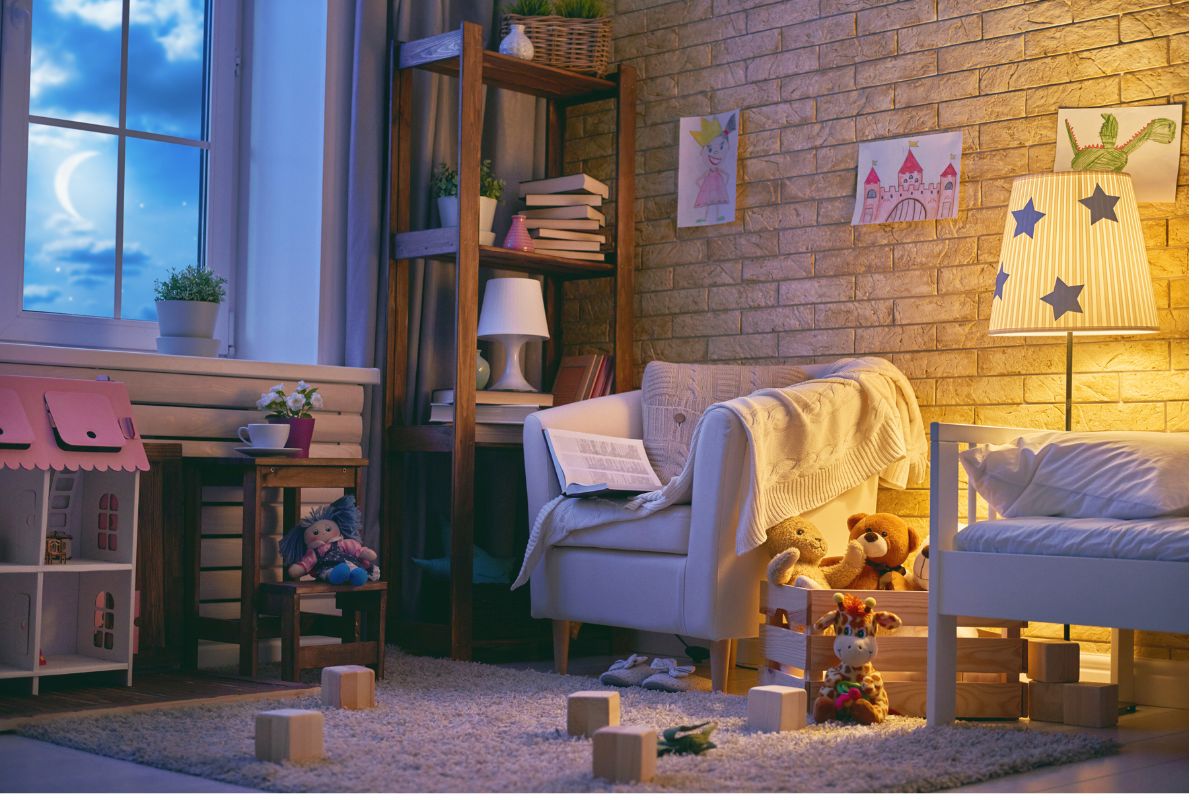
- Use dimmable lighting for nighttime feeds and changes. Choose a shaded fixture that doesn’t shine straight toward the crib.
- Add a practical task light at the changing area. Enough to see clearly without filling the entire room with bright light.
- Keep an easy-to-reach low night light. A soft amber glow can help with nighttime movement.
- Use the daylight. Window shades let you control it for naps and nighttime sleep.
- Prioritize placement and safety. Keep cords, lamps and removable parts securely out of a child’s reach; don’t place lighting within reach of the crib.
Library or Reading Nook
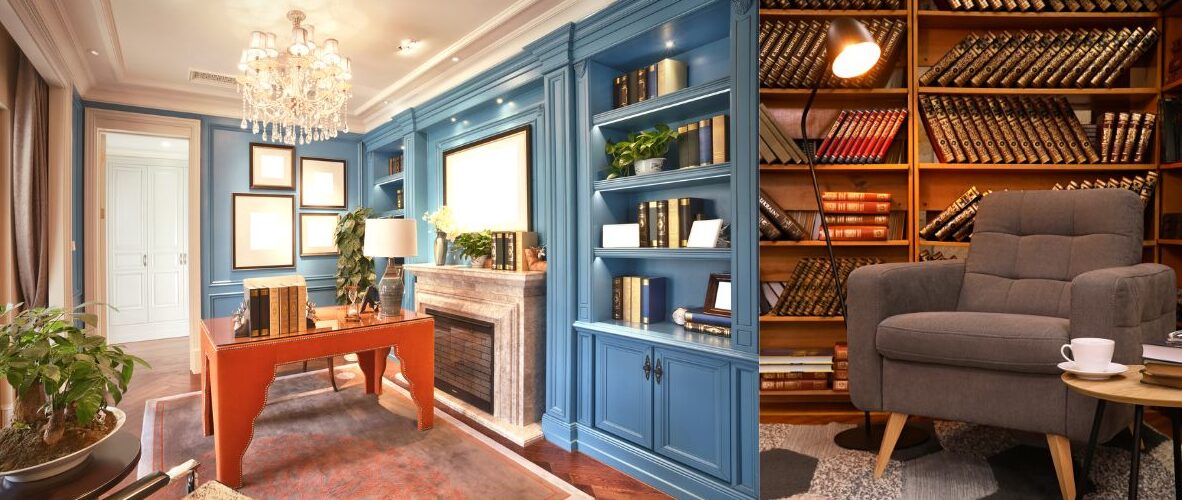
- Begin with the chair. Position an adjustable lamp so light falls across the page without exposing the bulb to your eyes.
- Add bookshelf lighting. A small integrated strip or a few picture lights can draw attention to books and collected objects.
- Use a warmer background glow. That gives the reading spot some atmosphere without leaving the rest of the room in complete darkness.
- Bring out materials. A shaded brass lamp beside walnut shelving, or an uplight catching textured walls, makes the little details more noticeable.
- Keep the lamp movable. A floor lamp is often easier to adjust than committing to a hardwired sconce before you know where the chair will stay.
Home Gym
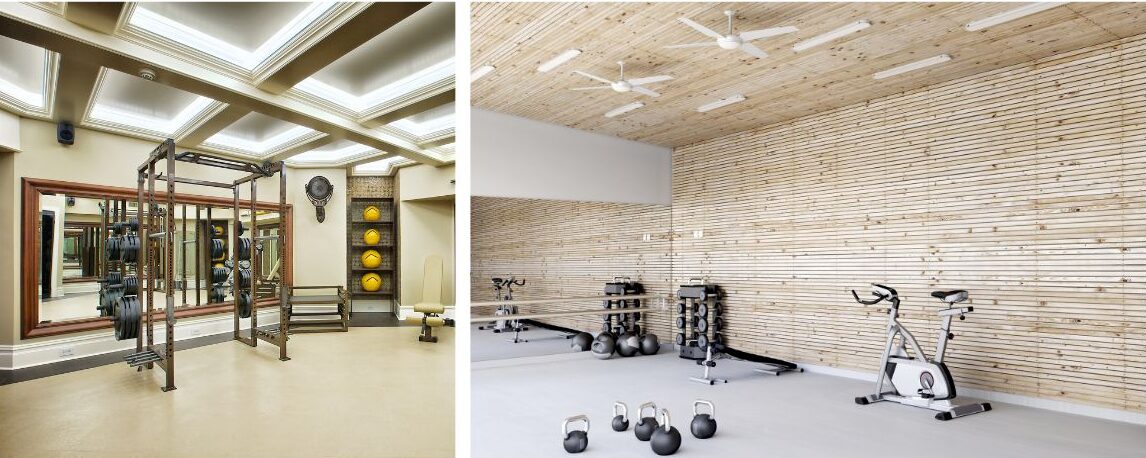
- Light the floor and equipment evenly. Avoid having one ceiling fixture cast deep shadows across your exercise area.
- Control reflections. Angle lights so they don’t shine directly into mirrors or your eyes during floor exercises.
- Separate bright and soft settings. General lighting works for equipment and movement; a softer secondary light works well for stretching or yoga.
- Don’t forget equipment storage. A little focused light over shelves or cubbies helps you find what you need.
- Consider timing. Very bright light late in the evening can interfere with winding down, so having a dimmer is useful.
The Details That Change a Room
- Illuminate the wall instead of only the floor. Wall washing, picture lights and uplighters reveal color, artwork and texture.
- Experiment with lampshades. Pleated linen, translucent glass, sculptural ceramic and metal all distribute light differently.
- Use light to make a feature of plants. A small uplight behind foliage throws shifting shadows onto the wall.
- Bring portable lamps into unexpected places. A cordless light on a sideboard, in a sheltered outdoor dining area, or on a long table adds a decorative layer without rewiring.
- Try lighting inside open shelving. A concealed strip or small shelf light makes ceramics, books and other objects stand out.
- Include candlelight thoughtfully. A taper holder or a lantern can add moving, warm light. Keep flames stable, away from fabric and greenery, and never unattended. LED candles can create a similar effect where real flames are impractical.
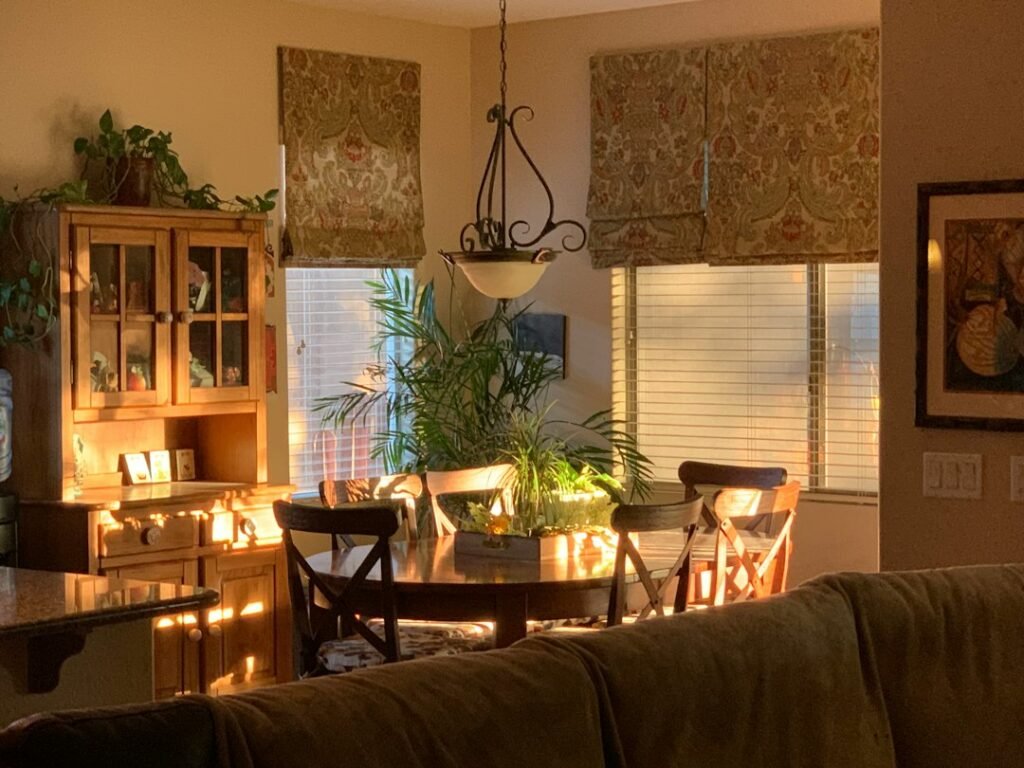
- Use the windows too. Light can change a room throughout the day as it falls across stone, wood, textiles and art. Sheer curtains help diffuse harsh sunlight while still letting daylight into the space.
Lighting Beyond the Home
- Restaurants and cafés: Use focused light on tables, a softer background glow, and accent lighting at artwork or a bar. The same restaurant can feel very different at lunch and dinner.
- Hotels: Pair lobby statement lights with smaller lamps and reading lights where people actually sit. Guest-room controls should be intuitive.
- Workplaces: Combine comfortable general light, daylight with glare control, and adjustable desk lighting. Reception areas can benefit from distinctive decorative fixtures.
- Schools and libraries: Put enough light on desks, books and teaching surfaces while controlling window glare. Reading corners can feel different from active group areas.
- Healthcare and wellness spaces: Keep clinical task lighting suited to the work. In waiting and treatment areas, softer indirect light can feel much more comfortable.
- Retail and showrooms: Light merchandise accurately, then use accent lighting to show craftsmanship, color and texture without washing out the whole space.
Lighting Worth Discovering
Here are beautiful lighting ideas for different spaces, from a small sculptural lamp to a statement fixture. I’ve kept my favorite selections and added a few contrasting options in each category, so there’s real choice in material, style and budget.
Some shopping links may earn Aalign a commission. Every selection is included for its design, material, or a useful lighting purpose.
Chandeliers & Statement Lighting
Different materials, silhouettes and budgets to suit the room.
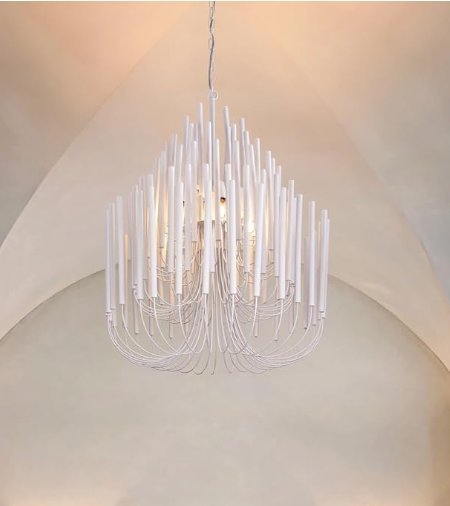
White Candle-Style Chandelier
A dramatic cascading shape that would suit a tall entry or a dining room with generous ceiling height.
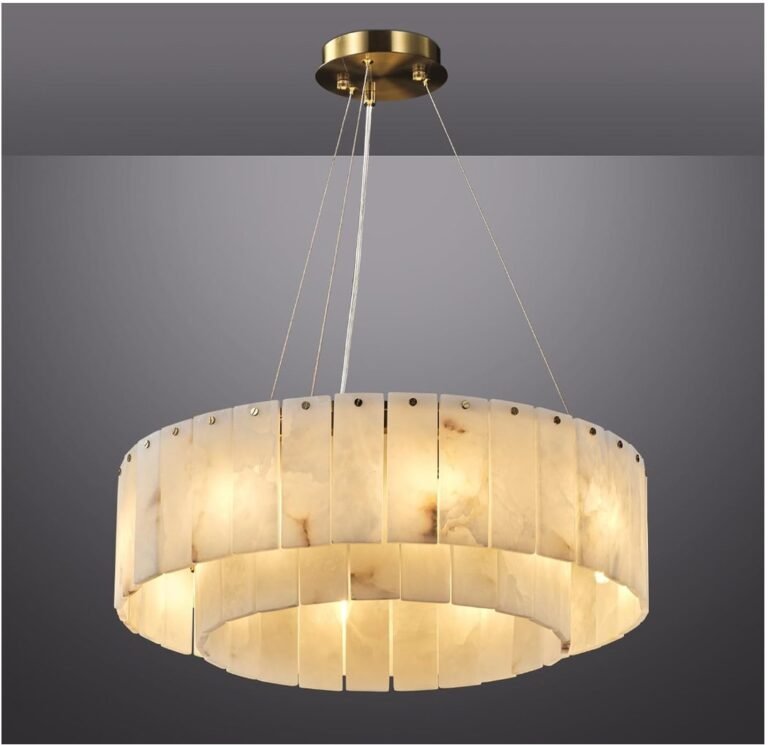
Translucent Drum Chandelier
Light shines through translucent-looking panels, making the fixture itself part of the atmosphere.
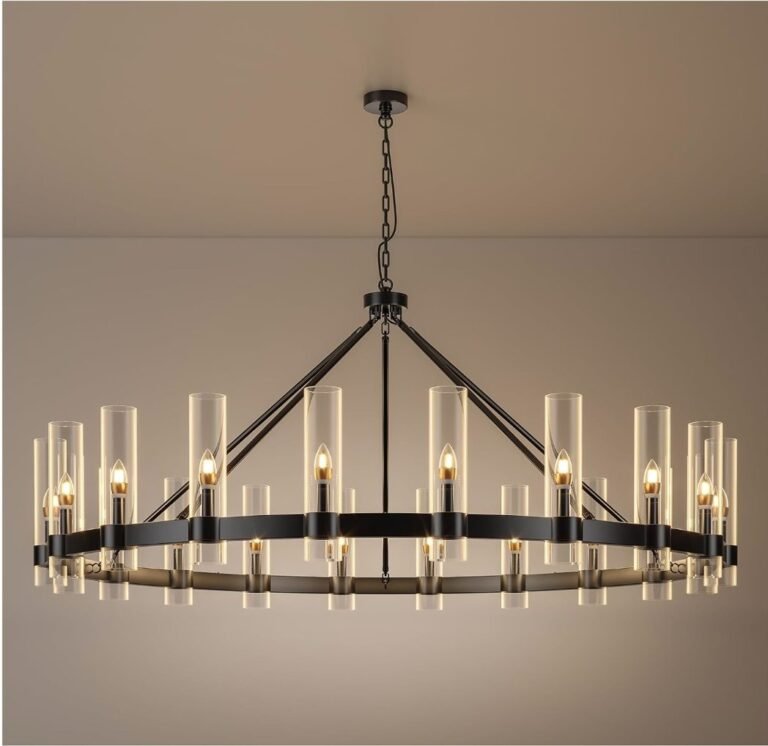
Black Ring Chandelier
A circular black frame with slender candle-style lights. Strong above a large round table.
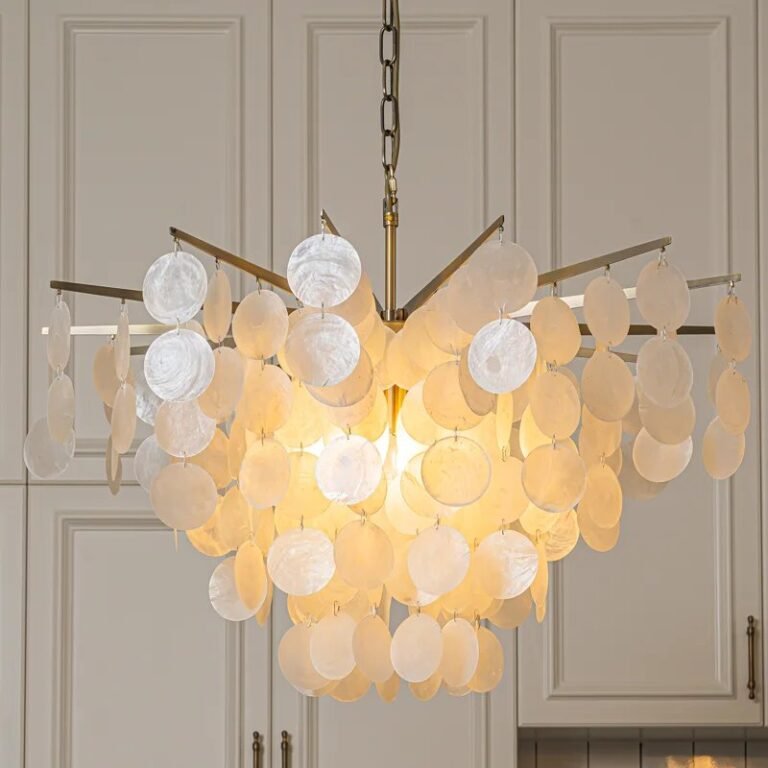
Shell Disc Chandelier
The shell-like discs catch and scatter the glow. Decorative rather than a source for detailed tasks.
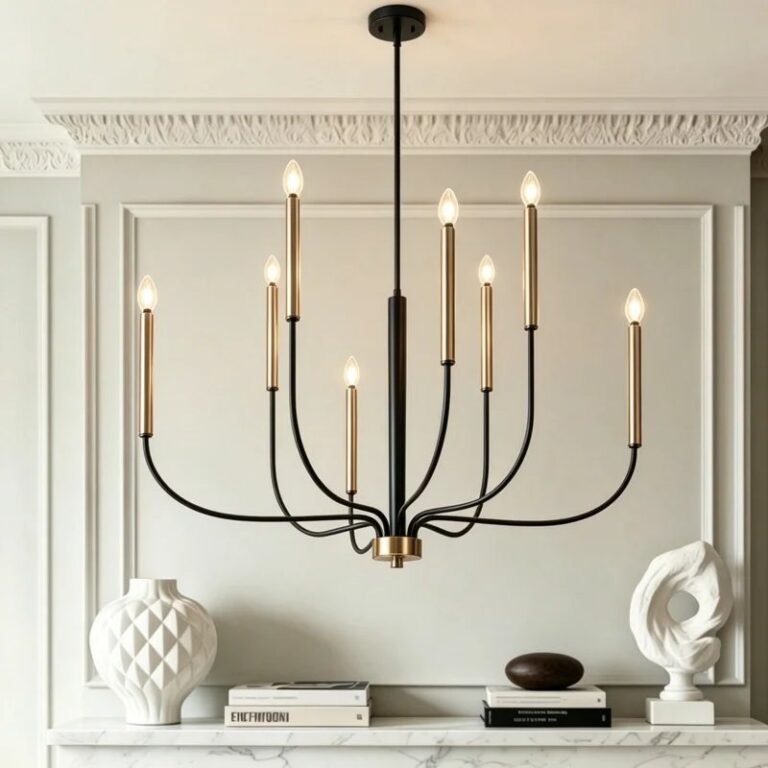
Black & Brass Candelabra Chandelier
A lighter interpretation of a traditional candle-style chandelier, with open black and brass-colored lines.
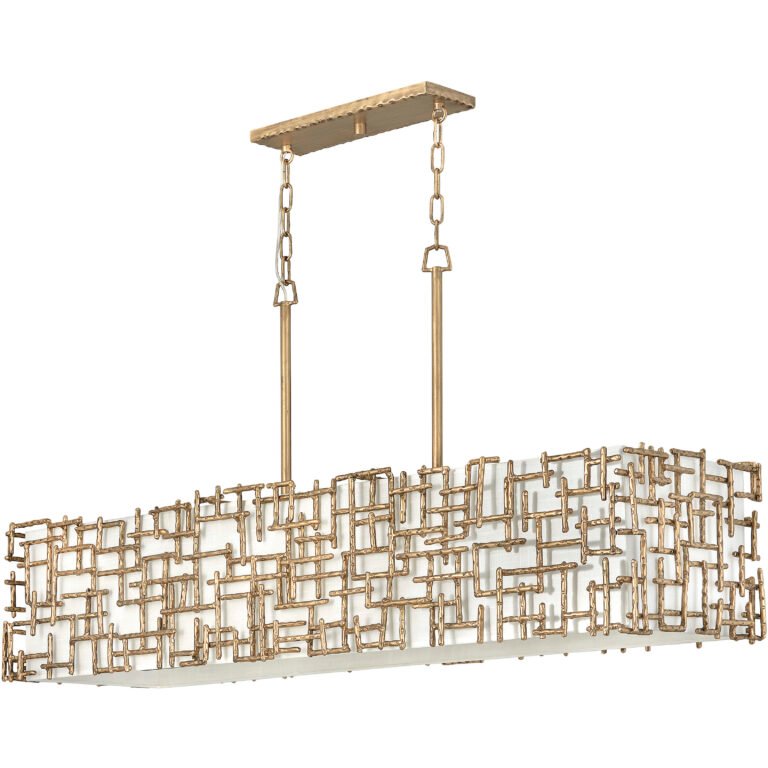
Farrah Medium 8-Light Linen Linear Chandelier
Fredrick Ramond
Sculptural hammered crosshatch bars around a linen shade. An architectural choice above a long table.
Table Lamps & Portable Glow
Different materials, silhouettes and budgets to suit the room.
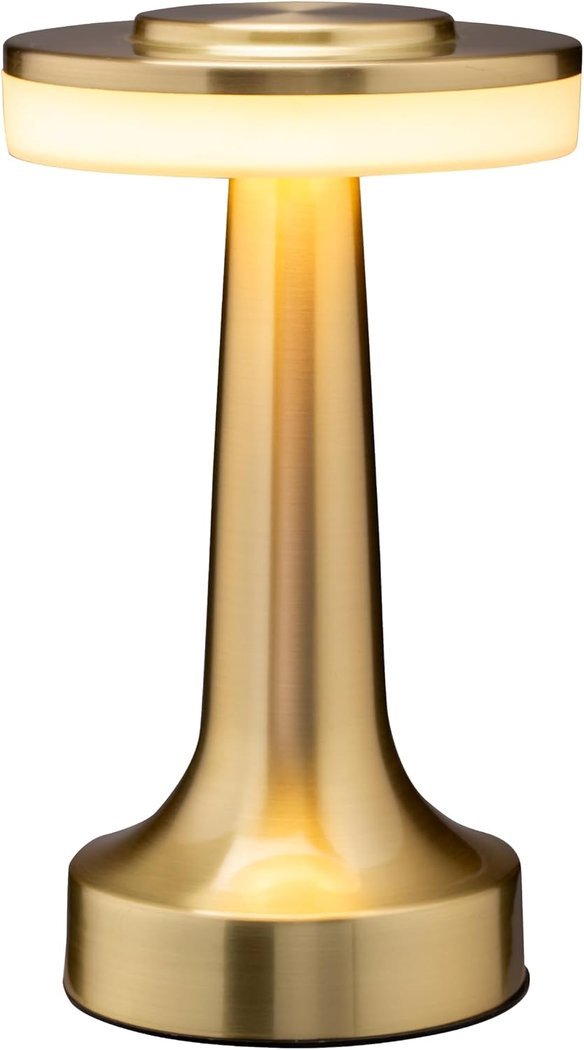
Gold Portable Accent Lamp
A small warm glow for a sideboard, console or outdoor table, depending on the model rating.
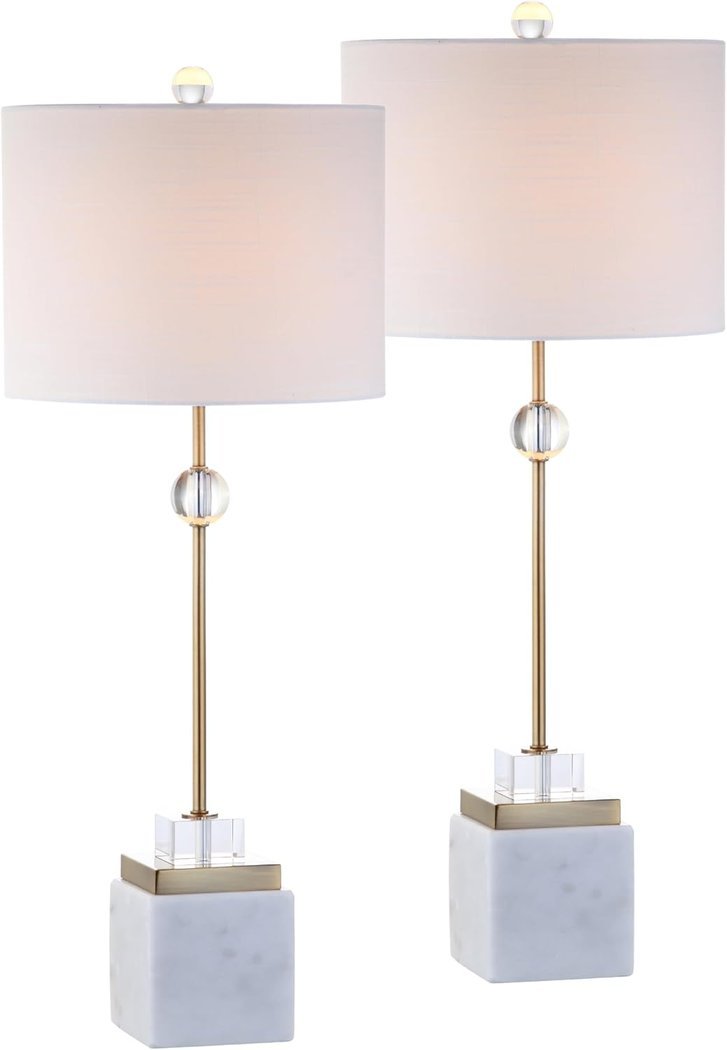
Marble-Base Table Lamps, Pair
A coordinated pair of slender lamps for a long console or dining-room sideboard.
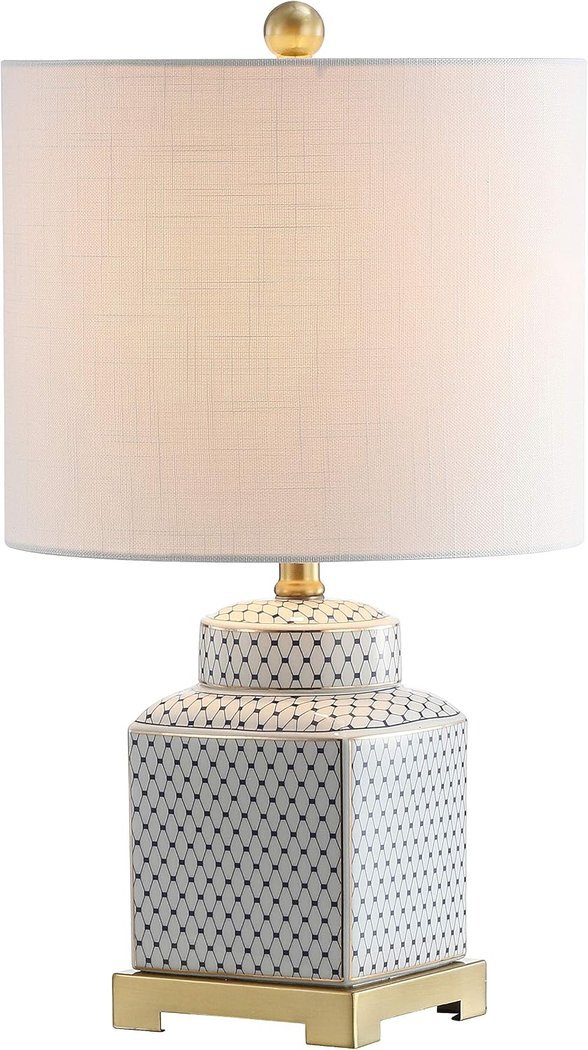
Patterned Accent Table Lamp
A patterned base that adds personality even when the lamp is off.
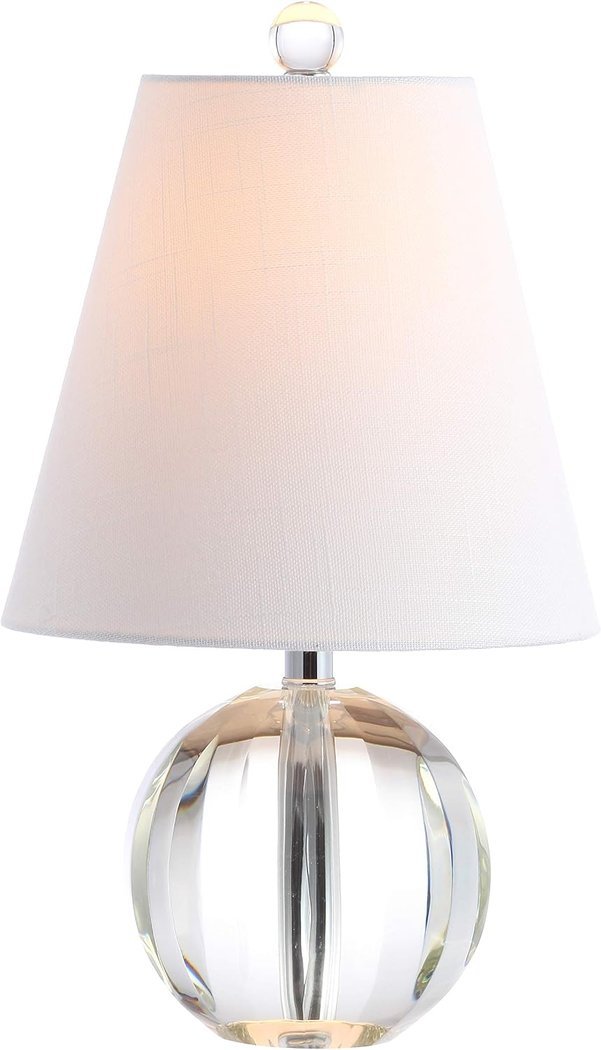
Crystal Globe Table Lamp
The transparent globe keeps a side table looking visually light.
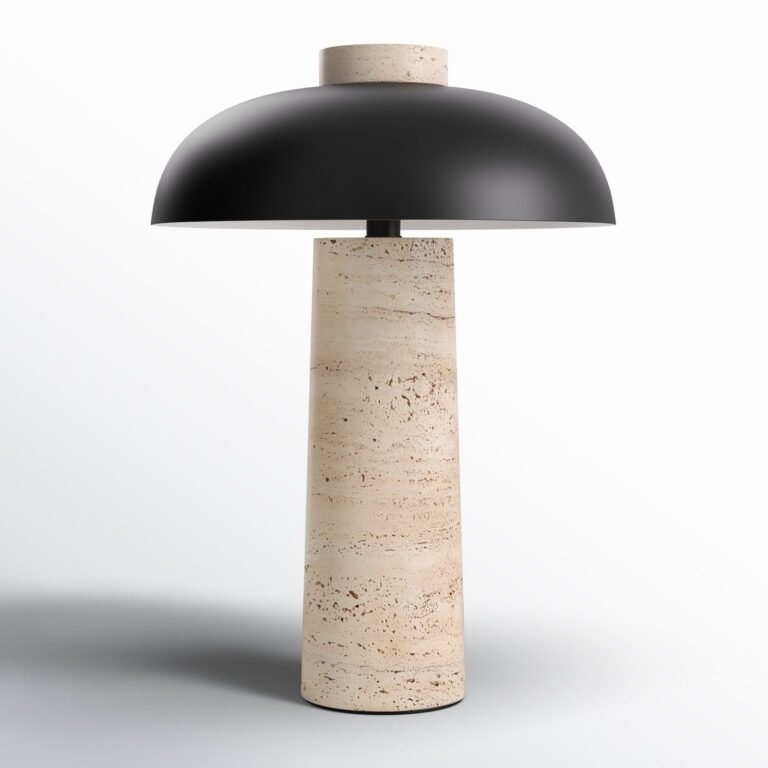
Providence Travertine Stone Table Lamp
Joss & Main
Travertine column and black metal dome. A sculptural console lamp with directional light.
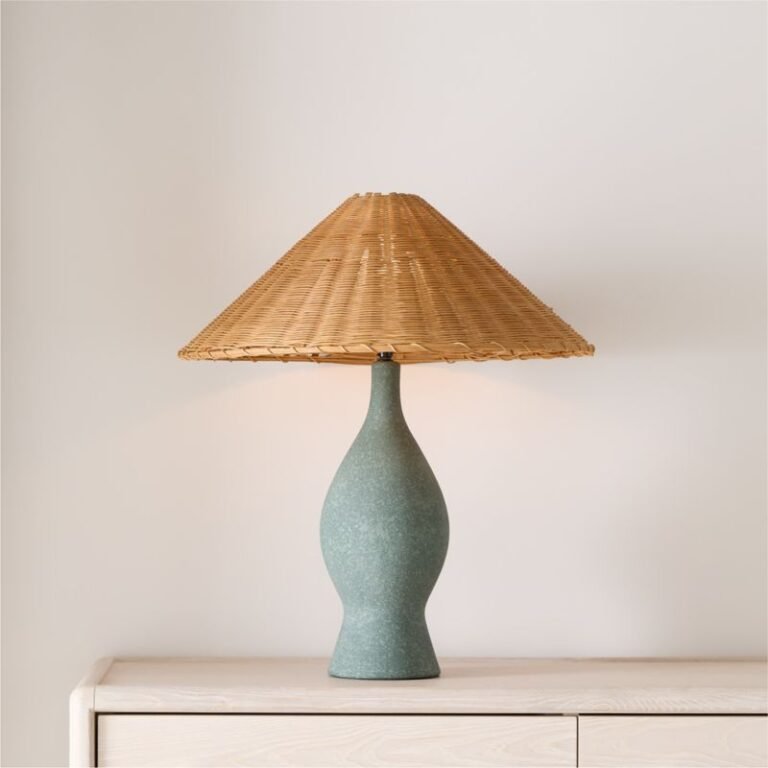
Courbe Green Ceramic & Rattan Table Lamp
Crate & Barrel
Athena Calderone design: reactive-glazed ceramic and a woven rattan shade. Texture with personality.
Floor Lamps
Different materials, silhouettes and budgets to suit the room.
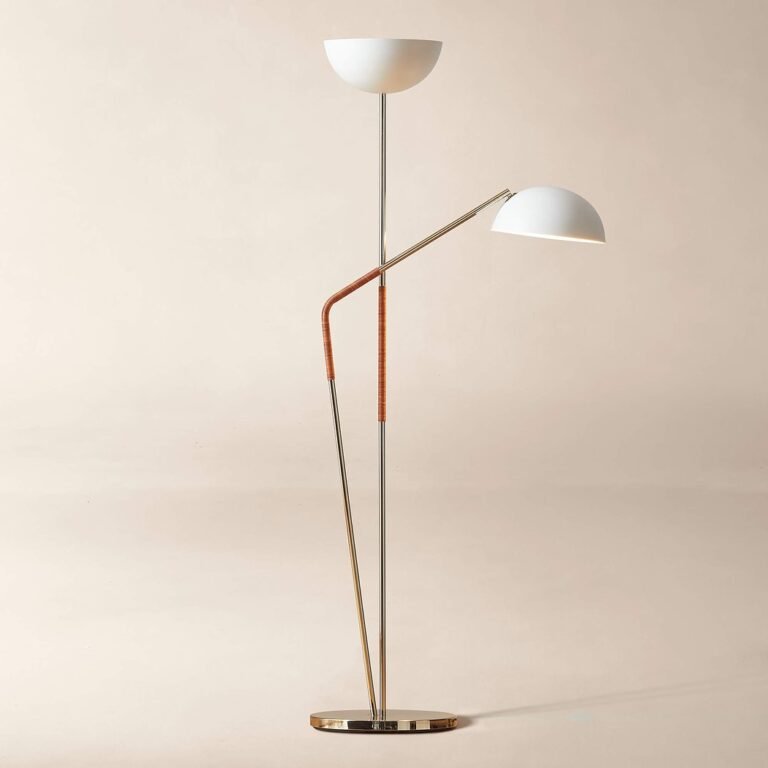
Two-Headed Floor Lamp
One floor lamp offering light upward and down toward a chair or work surface.
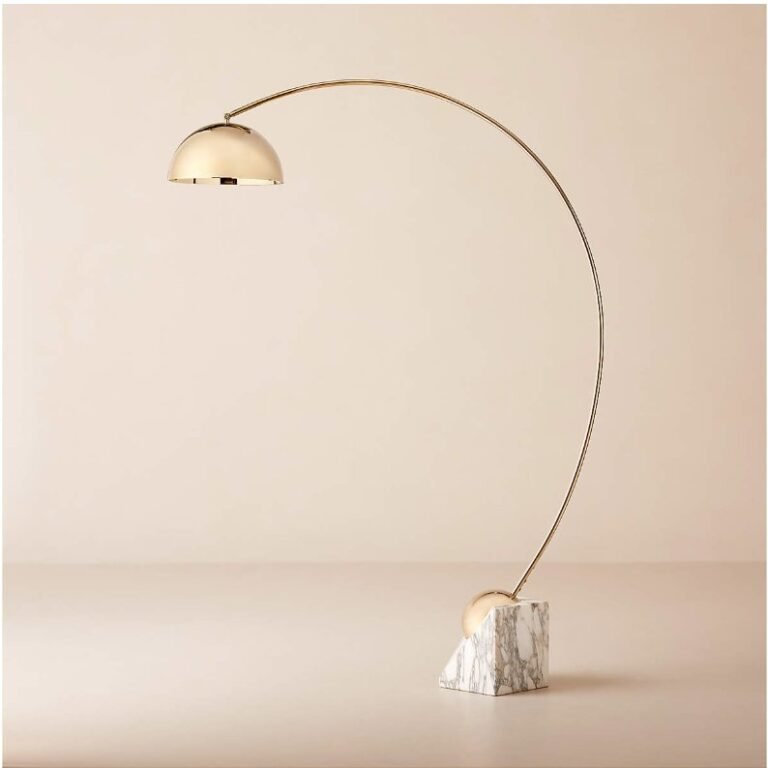
Arched Floor Lamp with Stone Base
A sweeping arch that brings a pool of light over a sofa without a ceiling fixture.
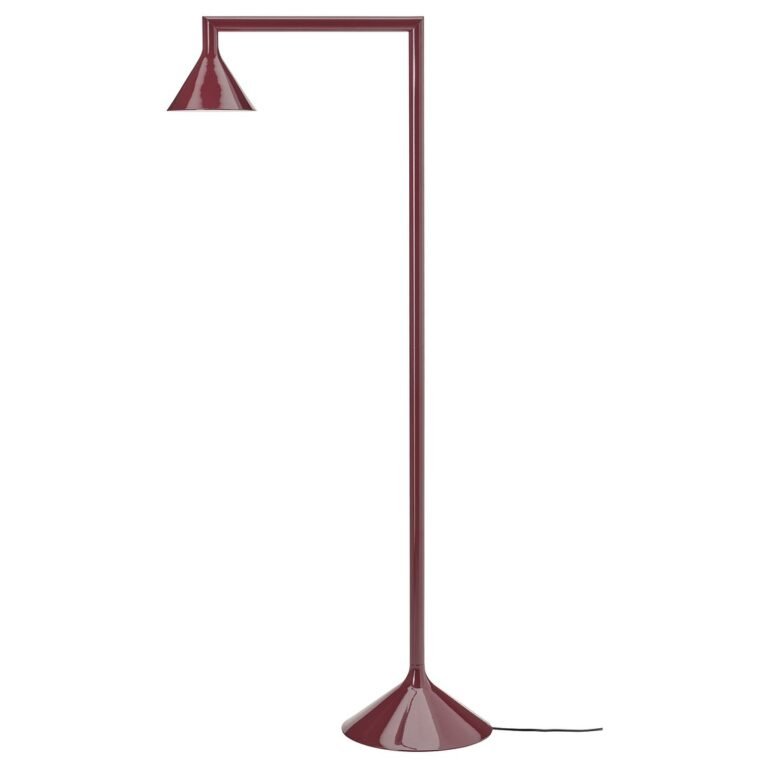
IKEA PS 2026 Dark Red Floor Uplighter
IKEA
A playful adjustable steel design for washing a wall, lighting a plant or focusing near a chair.
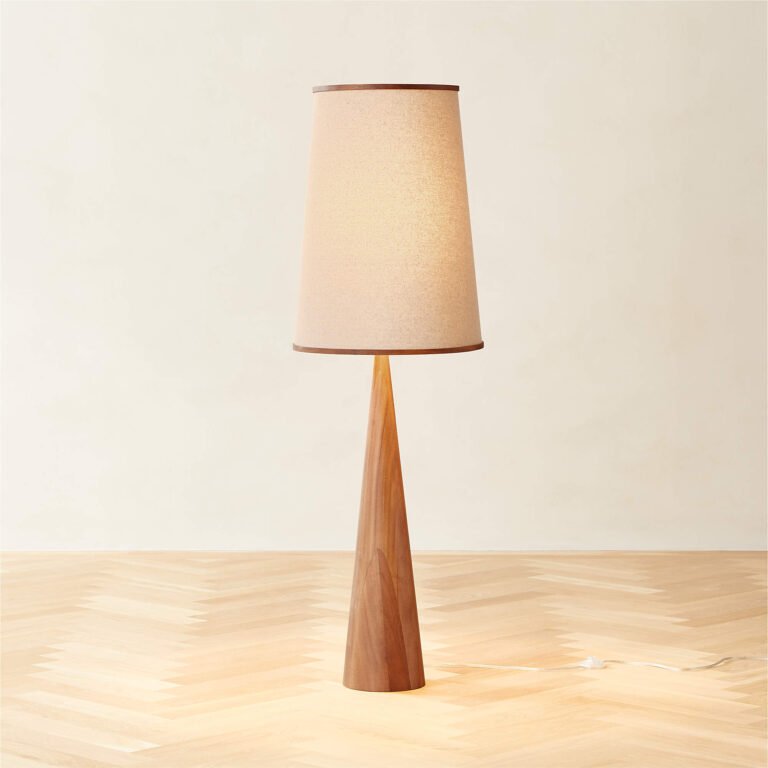
Bruna Walnut Wood & Linen Floor Lamp
CB2
Studio Anansi design with American walnut, natural linen and unlacquered brass details.
Pendants
Different materials, silhouettes and budgets to suit the room.
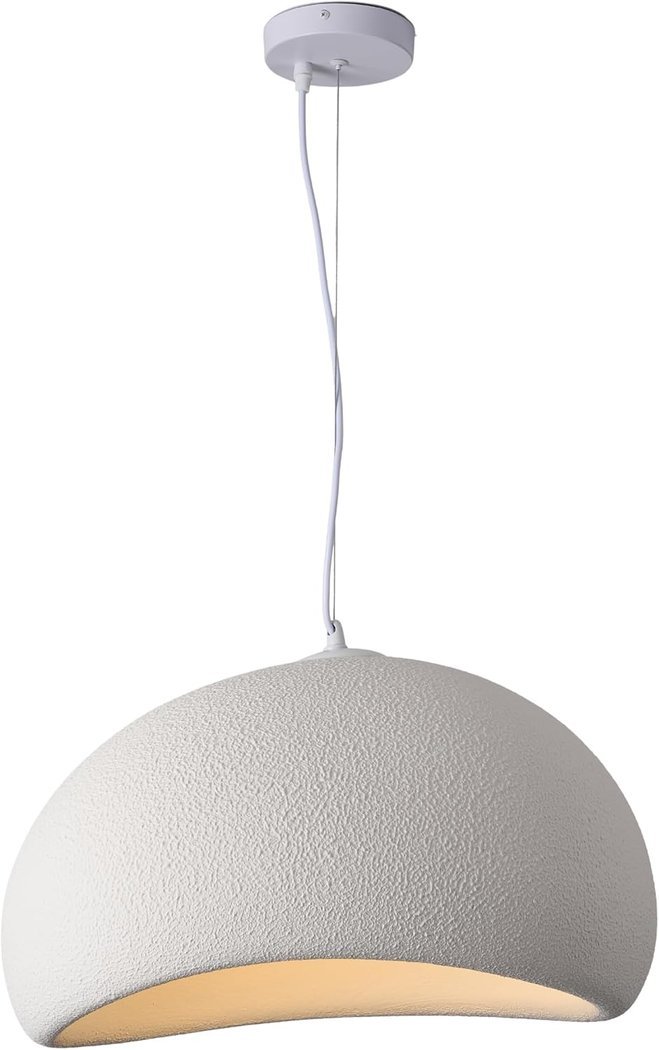
Textured White Pendant
A rounded, textured shade that diffuses light and adds material interest.
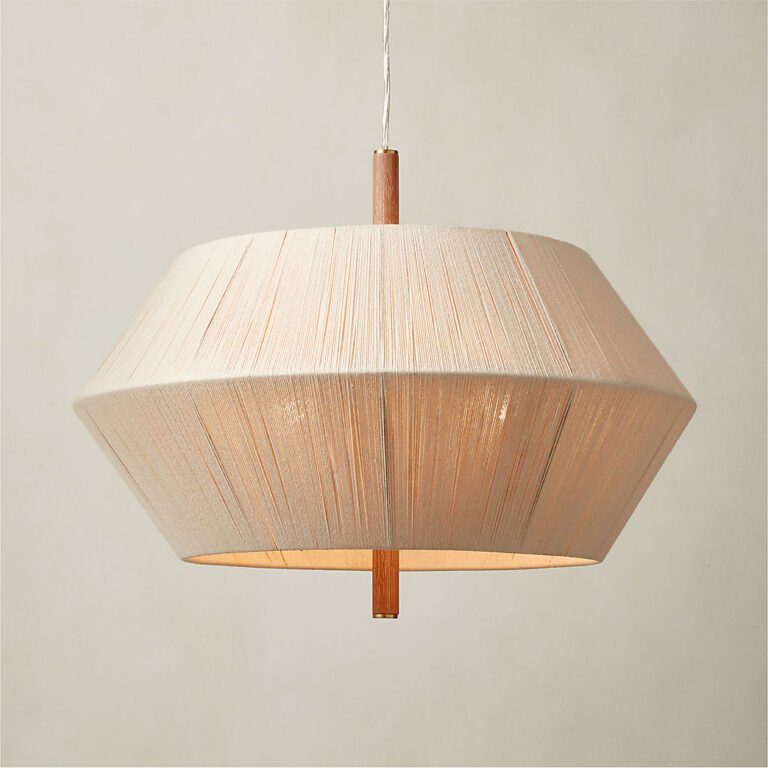
Totora Natural Oak Pendant Light
CB2
Solid white oak and wrapped cotton rope by Nicholas Obeid. A texture-led statement.
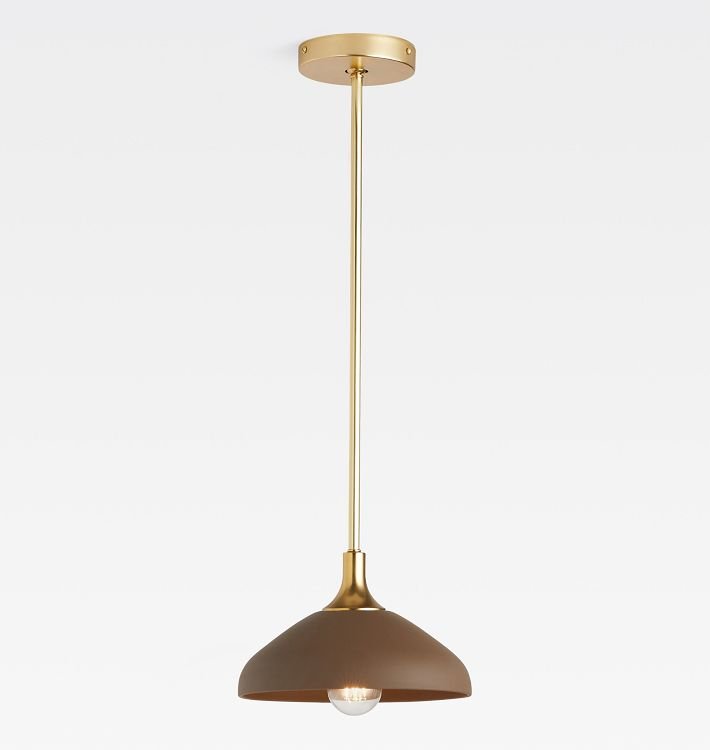
Trillium 10-inch Pendant with Ceramic Shade
Rejuvenation
Customizable solid-brass fixture and ceramic shade, assembled to order in Portland.
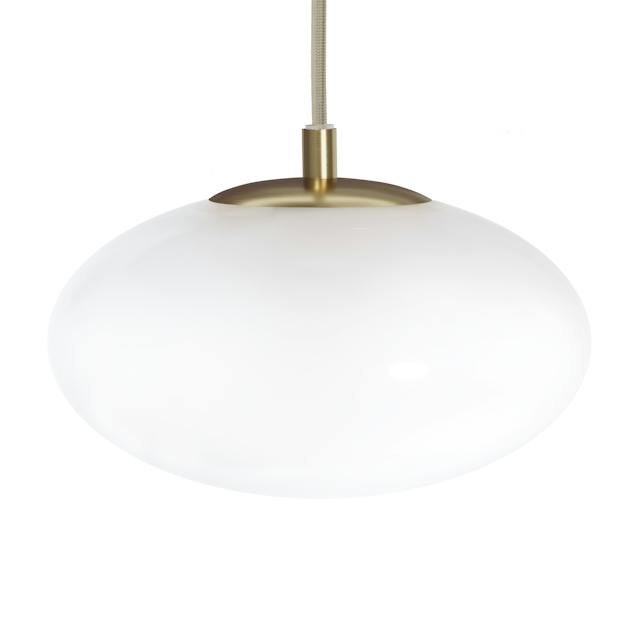
Menken Pendant Lamp in Brass
Article
An affordable midcentury shape with opal glass and brass-plated iron. Bulb included.
Wall Sconces
Different materials, silhouettes and budgets to suit the room.
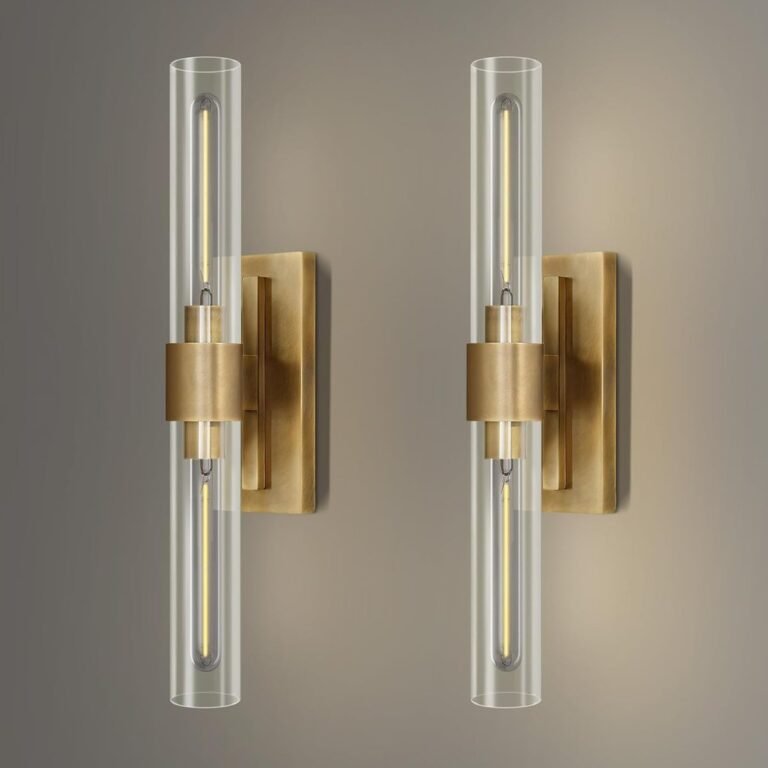
Glass Column Sconces, Pair
An architectural vertical accent for framing a mirror or giving a hallway some presence.
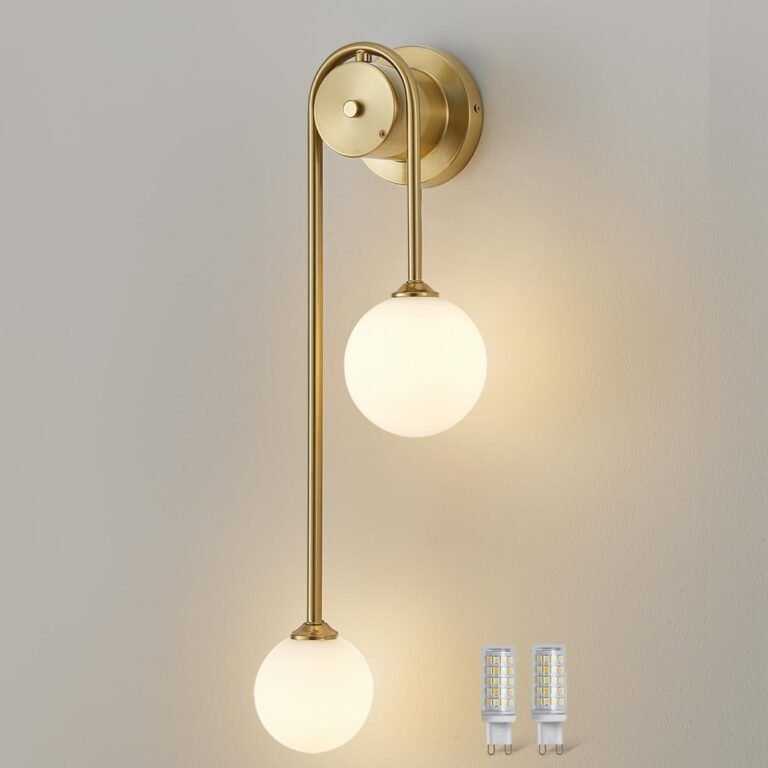
Two-Globe Wall Sconce
Two luminous globes on one wall plate. Interesting near a vanity or as an accent.
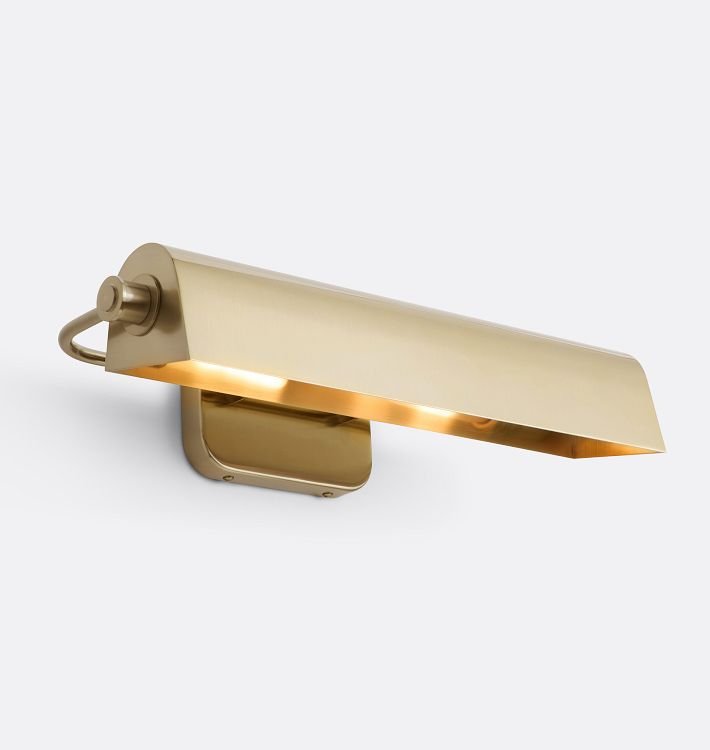
Cabinet Maker's Picture Light
Rejuvenation
Solid-brass picture light for artwork. Adjustable shade; plug-in available in smaller sizes.
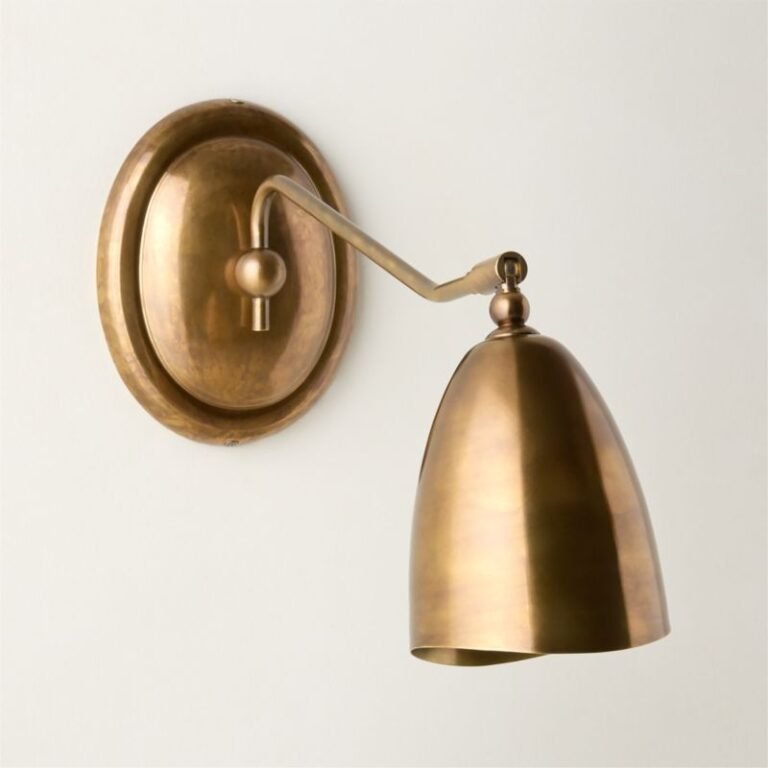
Forna Aged Brass Wall Sconce
CB2
A directional, articulating solid-brass wall light designed by VUUE. Hardwired.
Outdoor Lighting
For paths, planting, walls and outdoor dining.
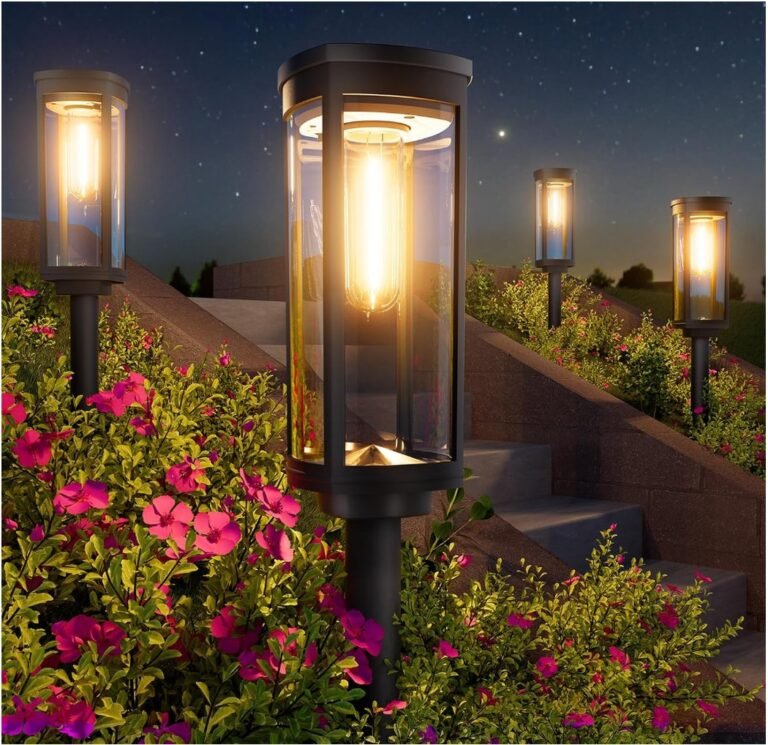
Outdoor Pathway Lantern Lights
A lantern-inspired approach to lighting a path or planted border. Keep brightness and direction considered.
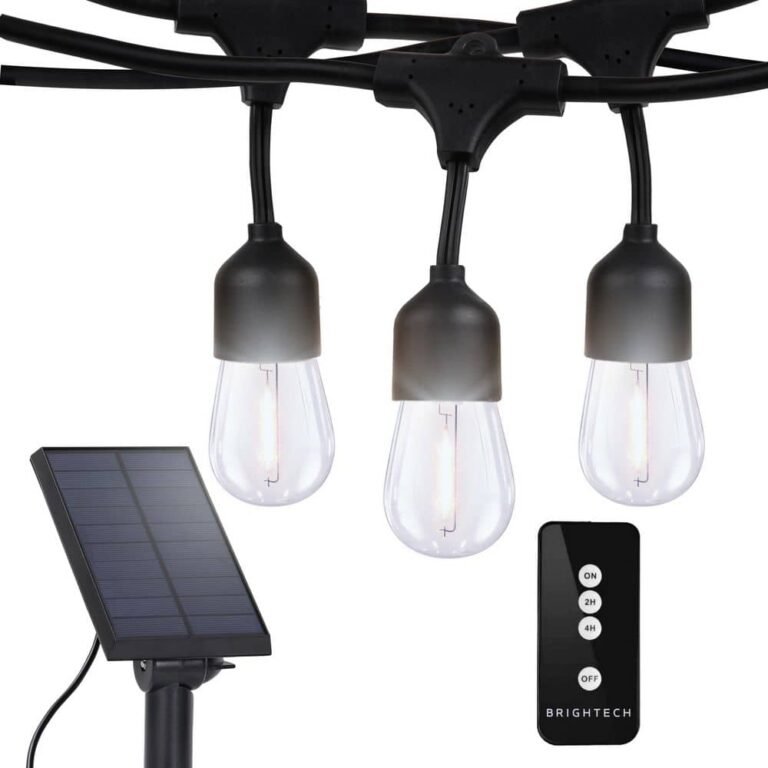
Ambience Pro Solar Hanging String Lights, 48 ft
Brightech
Solar-powered outdoor string lights for the dining patio or garden. Position the panel where it can get good sunlight.
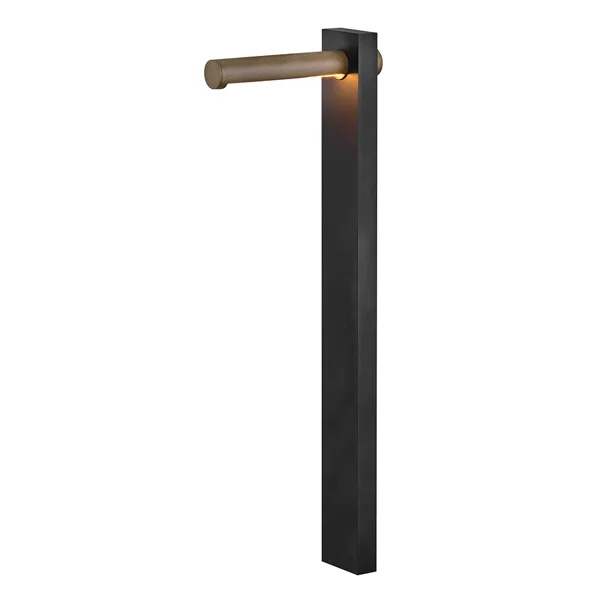
Scope 15512BK-BU Low-Voltage Path Light
Hinkley
Architectural black-and-bronze 2700K path light. Requires a 12V transformer.
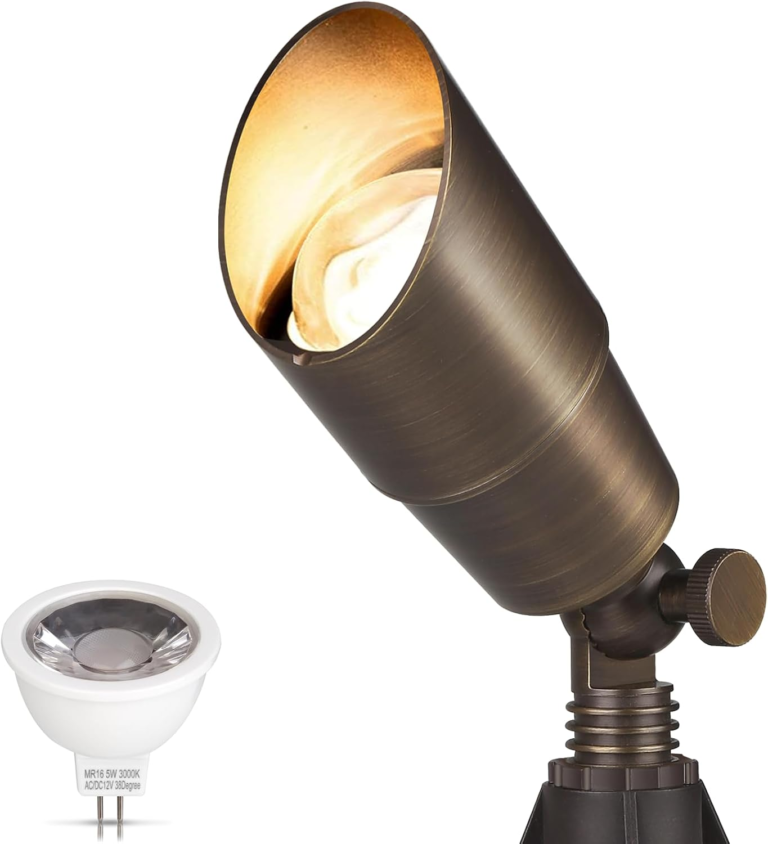
Gardencoin Solid Brass Outdoor Landscape Spotlight
Gardencoin
Solid brass 12V landscape spotlight with a 2700K MR16 bulb for illuminating plants, trees or textured walls. Use with a compatible low-voltage transformer.
Lanterns & Candlelight
For soft atmosphere on tables, consoles and sheltered patios.
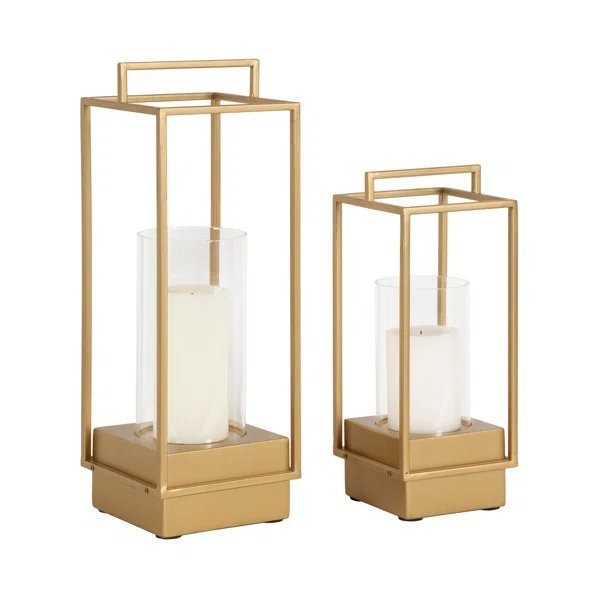
Gold Framed Lanterns, Pair
For an entry console, mantel or sheltered patio. Use LED candles where open flame is impractical.
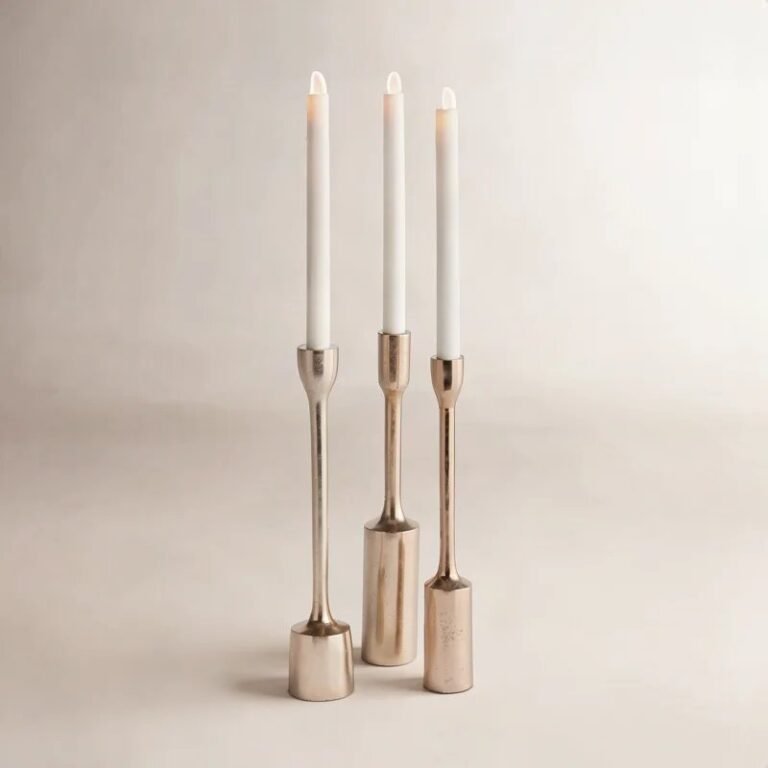
Metal Taper Candleholders
Three slender holders in varied heights. A small decorative layer for a dinner table or mantel.
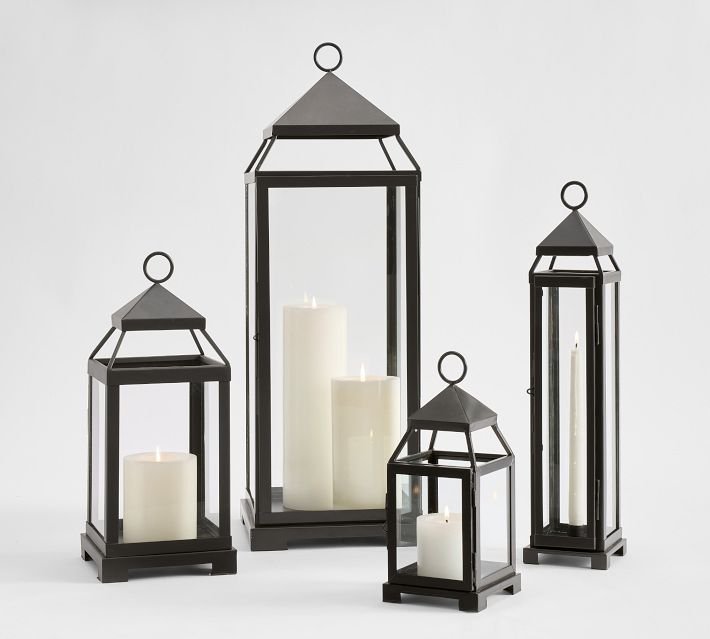
Malta Outdoor Lantern
Pottery Barn
Metal-and-glass lantern with multiple sizes; available for indoor/outdoor candle arrangements.
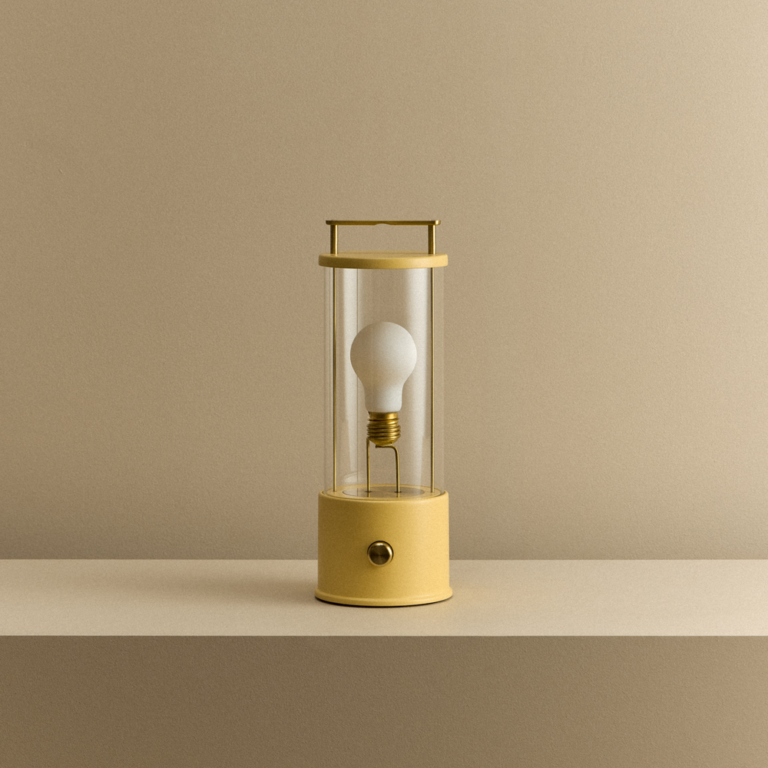
The Muse 2.0 Portable Lamp, Posset Yellow
Tala
Rechargeable lantern with dim-to-warm light and a repairable battery/bulb design; IP44 rated.
A Few Useful Things to Know Before Buying
- Kelvin (K) is the color of the light. Around 2,200K to 2,700K gives a warmer evening glow; around 3,000K is a little crisper. Other color temperatures can work well for particular tasks.
- Lumens tell you how much light a bulb produces. Think about where the light falls, not only how bright the bulb is.
- CRI means Color Rendering Index. Look for 90 or higher when accurate color is important, including food, fabrics, artwork and makeup.
- Dimmable is especially useful for rooms with different uses throughout the day. Check that your dimmer and bulb work together.
- Replaceable bulbs and parts can make some fixtures more practical to maintain. With integrated LEDs, check the warranty and whether the light source is serviceable.
For glare, sleep and other lighting problems, see What Is Poor Lighting?. For daylight, full-spectrum lamps and seasonal mood, see Full Spectrum Lighting.
Point of Alignment
There’s something about the way we gather near smaller sources of light. A lamp beside the sofa, candles on a dinner table, sunlight across the wood in the morning.
I love playing with that feeling. Moving a lamp, lighting the artwork that never gets noticed after sunset, choosing a shade because the material looks beautiful as well as the glow it gives.
Once you start noticing where the light falls, you begin seeing a familiar room differently.