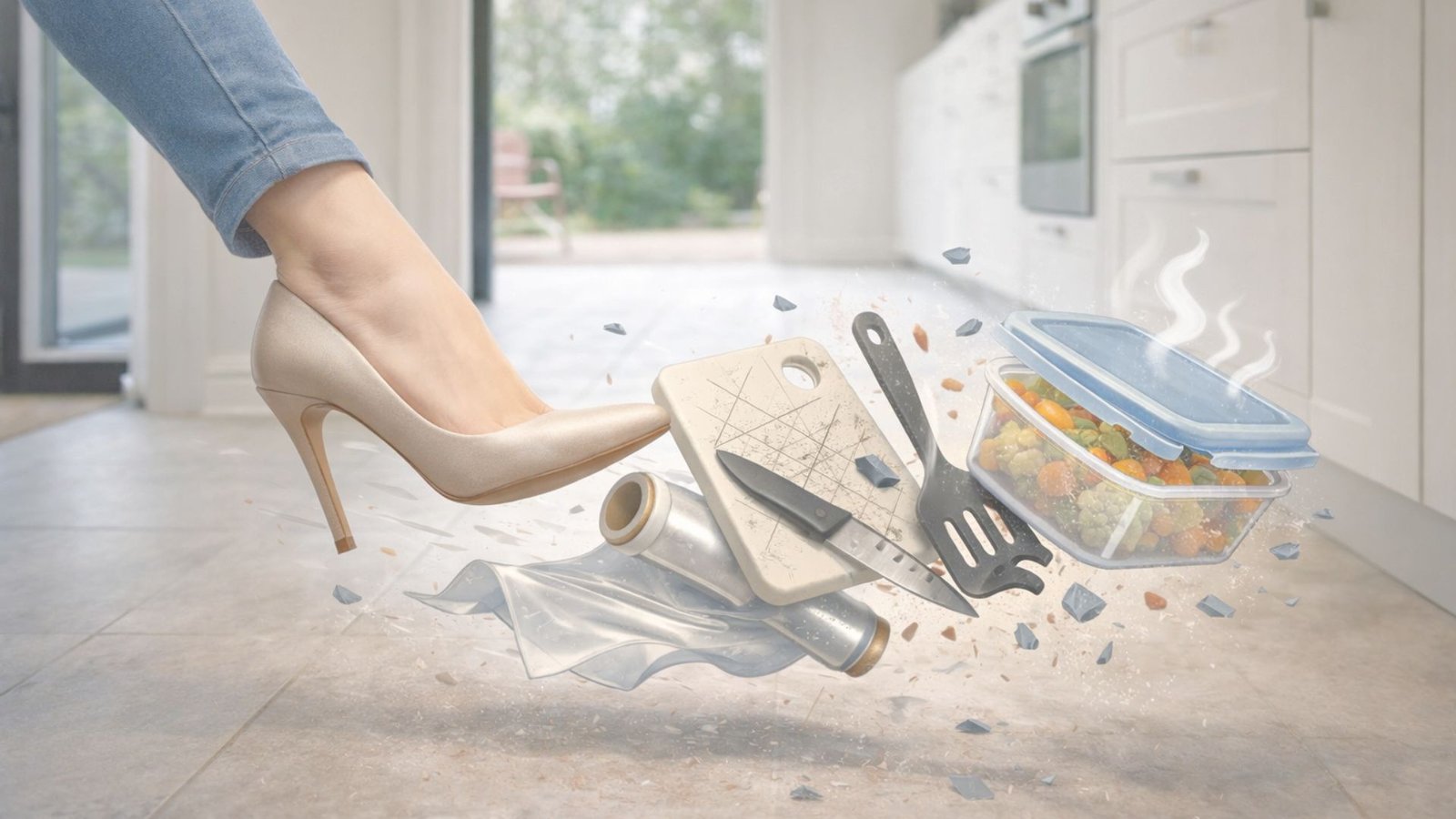


Creating a vibrant and revitalizing space goes beyond the aesthetics. It also involves understanding how air, light, movement, sound, and energy flow through a space.
Negative energy and stagnant vibes can build up over time, especially after a fight, argument, illness, stressful period, or when a room has been closed up or unused for a while. The air can feel heavy, the space can feel flat or uncomfortable, and sometimes you simply do not want to be in there.
To restore a sense of balance and harmony, it can help to clear the air, move what feels stuck, and release any residual energy lingering in the space. Fresh air, light, decluttering, sound, scent, movement, and space-clearing practices can all help refresh the atmosphere and bring a sense of life back into the room.
Here are 10 simple and effective ways to clear stagnant energy and refresh your space.
What Stagnant Energy Can Look Like

A space often starts to feel heavy when too much in it has stopped moving. The air is still. The curtains stay closed. The same pile sits on the same chair for three weeks. A room becomes somewhere you pass through rather than somewhere you want to spend time.
Common places where this shows up include:
Cluttered rooms. Visual clutter can make a space feel mentally demanding, especially when every surface holds something unfinished.
Rooms kept closed. Air can become stuffy, humidity can build, and dust settles when a room gets little ventilation or use.
Unused spaces. Spare bedrooms, formal rooms, storage areas, and forgotten corners can begin to feel flat or lifeless.
Rooms where something happened. A fight, illness, loss, or difficult conversation can change the way a room feels long after the moment has passed.
Blocked pathways. If you have to squeeze around furniture every time you cross a room, the space can feel less fluid and comfortable.
Dark or flat spaces. Closed curtains and one harsh overhead light can make an environment feel dull and disconnected.
There is a pattern here. Almost every one involves some form of stillness. The reset begins with movement. Moving air, moving objects, moving light, moving sound, moving yourself.
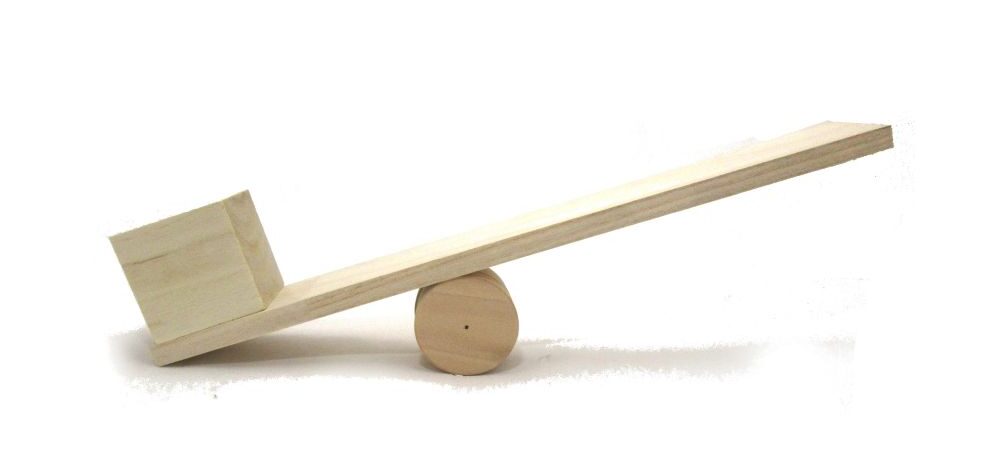
An imbalance in energy flow often comes from clutter, negativity, or a lack of activity. When energy gets blocked, it loses its natural rhythm—and that stuckness can make you feel unmotivated, tired, or disconnected from your space.
It’s like still water that never moves—there’s no room for growth, inspiration, or renewal. To shift that energy, you need to bring in movement, lightness, and intention. That’s when the space starts to feel alive again.
How to Clear Stagnant Energy
There are so many ways to change the feeling of a space. Some are simple things you can see and feel, like opening a window, moving a chair, letting sunlight in, or clearing the clutter. Others come from Feng Shui, personal beliefs, or the things we grew up seeing people do.
Start with whatever feels right for you. Fresh air might be enough, or you may want to add sound, scent, crystals, or a little intention.
1. Clear and Clean First
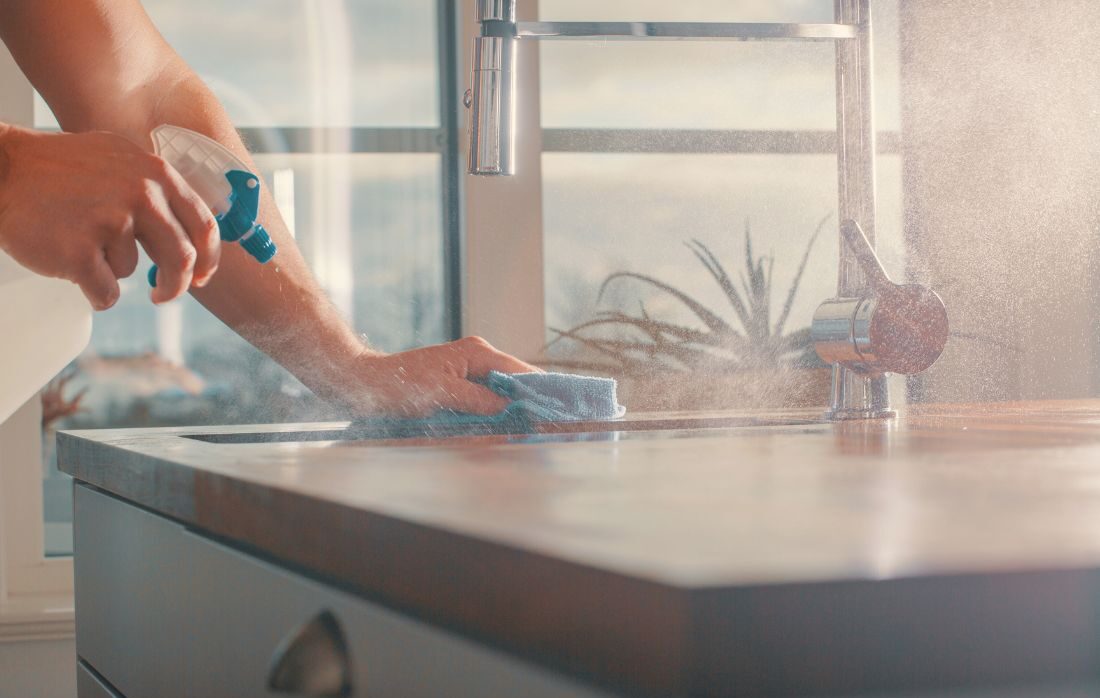
Start with the surfaces you see first. Clear the counters, tables, floors, and the chair that has somehow become a second closet. Then deal with corners, dust, dead leaves, broken objects, and the little things you keep meaning to fix.
In Feng Shui, broken items and clutter are often associated with blocked Chi. In everyday life, they can also become constant visual reminders of unfinished tasks. Either way, removing what feels stale, broken, or burdensome gives the space room to breathe.
Use cleaning products that do not leave behind a heavy synthetic scent. A clean room should smell clean because it is clean, not because fragrance is covering the air.</p
2. Open the Windows and Move the Air
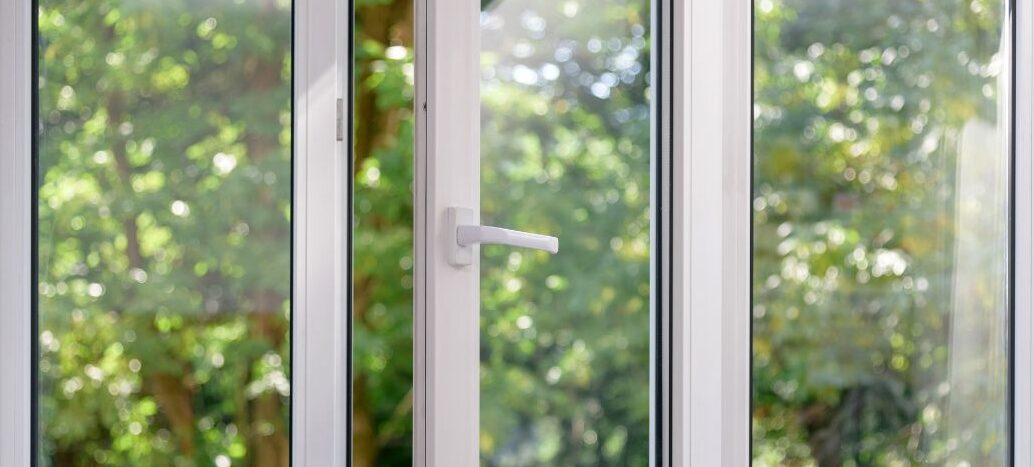
When outdoor air quality and weather allow, open windows on more than one side of the space so air can move through. Let the breeze circulate. Fresh air can give a room an immediate sense of life and wake up the senses in a way few decorative changes can.
Do it after an argument, after illness, after a gathering, or on a day when the room simply feels flat.
If your windows do not open, use the ventilation you do have. A HEPA air purifier can help remove airborne particles, but it does not replace ventilation or remove carbon dioxide from an occupied room.
3. Let the Light In and Rethink the Lighting
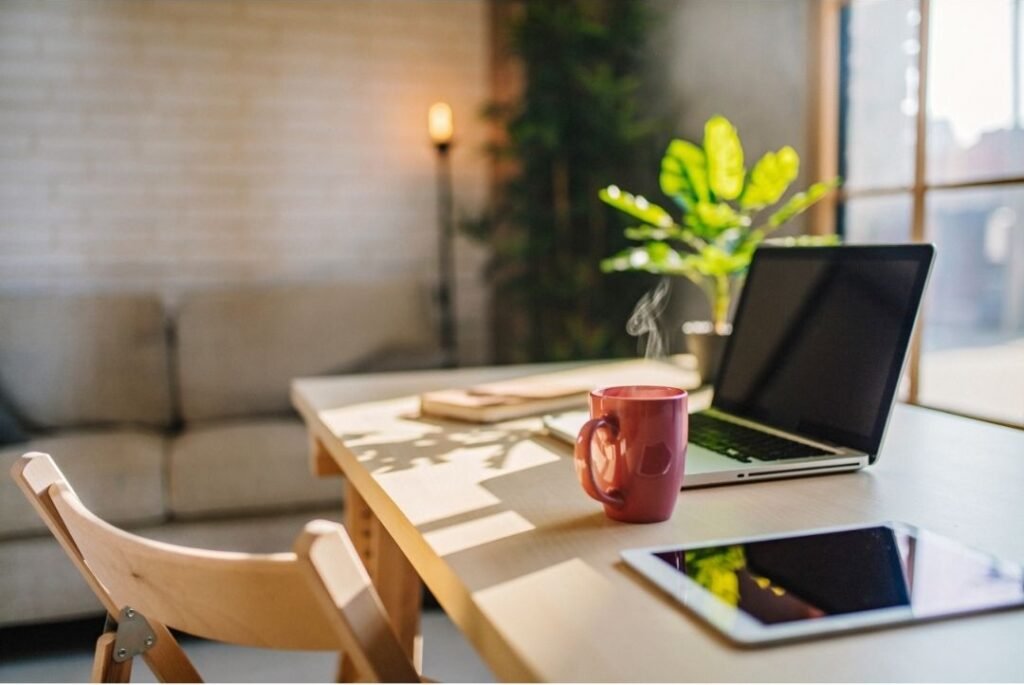
Open the curtains fully. Raise the shades. Clean the glass. Let daylight reach the parts of the room that usually stay dim.
After sunset, look at the layers of light. A single bright ceiling fixture can make a room feel flat and harsh. Table lamps, floor lamps, and wall lights create depth and can make the room feel more settled. In the evening, warmer light is usually more comfortable than bright cool light.
4. Move Something and Clear the Path
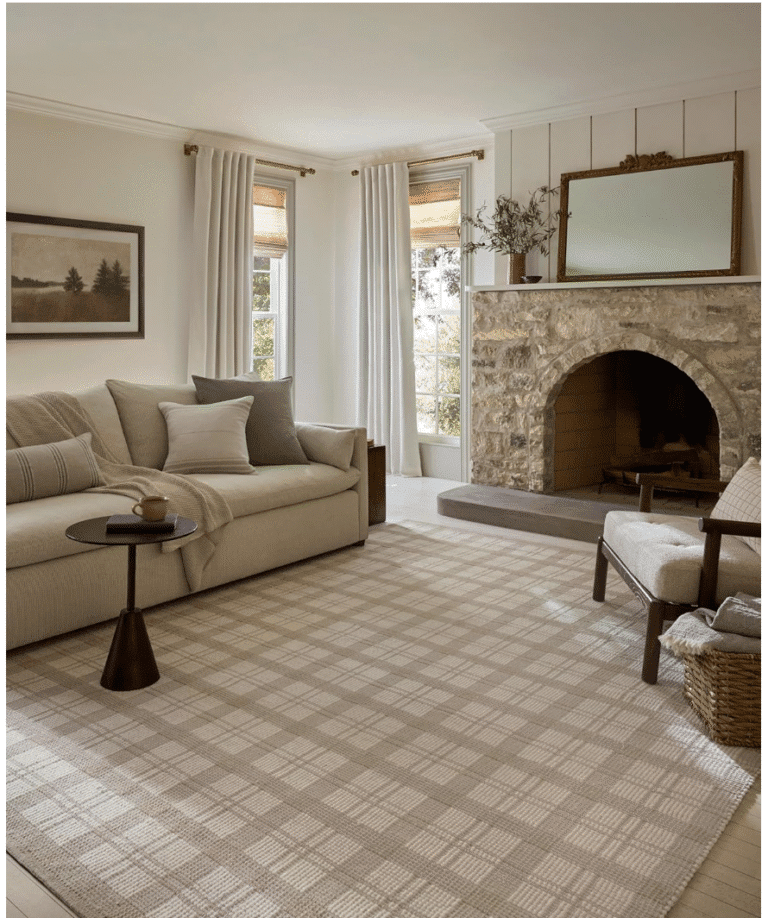
You do not need a full furniture rearrangement. Angle a chair differently. Shift the rug. Pull a table away from a traffic path. Move a desk closer to daylight.
One of the most useful Feng Shui principles is paying attention to how easily energy and people can move through a space. If the walking path feels awkward, the room often feels awkward too.
Bring in something living if it feels right. A plant, fresh flowers, a branch from the garden, or a bowl of citrus can add color, shape, softness, and a connection to nature.
5. Use Sound to Break Up Stillness
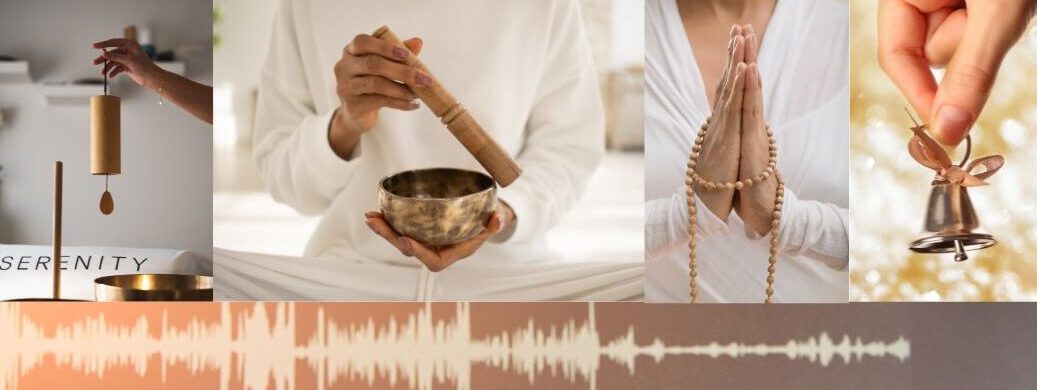
Sound can change the feeling of a room quickly. Use bells, chimes, a singing bowl, clapping, prayer, chanting, or simply music you love.
If you’re using sound to refresh the space, walk around the perimeter and spend a little extra time near corners, doorways, and places that feel forgotten. It gives you a reason to notice the entire room rather than only the center of it.
Also listen to the room itself. If every sound bounces and the room feels sharp, add softness with a rug, curtains, upholstered pieces, or books. Sometimes what feels like an energy problem is partly an acoustics problem.
6. Use Salt as a Symbolic Reset

Some people use a small bowl of sea salt as a symbol of protection or a fresh start. If it speaks to you, place one in a corner as a reminder of what you want the room to feel like.
If the salt clumps, that usually means it has absorbed moisture from the air, not that it has trapped negative energy. If a corner stays damp, address that separately. And when you’re finished, put the salt in the trash rather than scattering it in your garden.
7. Use Scent Carefully
Scent is powerful because smell is closely connected with memory and emotion. Ventilate first, then keep scent light. The goal is for the space to feel fresh, not for someone to identify your diffuser from the driveway.
For a brighter feel, citrus, peppermint, or rosemary can work well. For a softer evening mood, lavender, chamomile, cedar, or frankincense can feel more grounding.
If you use essential oils, choose products that clearly identify the plant, ingredients, and sourcing. This guide to pure essential oil brands explains what to look for when comparing them.
Essential oils are concentrated, so check the specific oil before diffusing around pets, babies, people with asthma, or anyone sensitive to scent.
8. Smoke Cleanse Respectfully
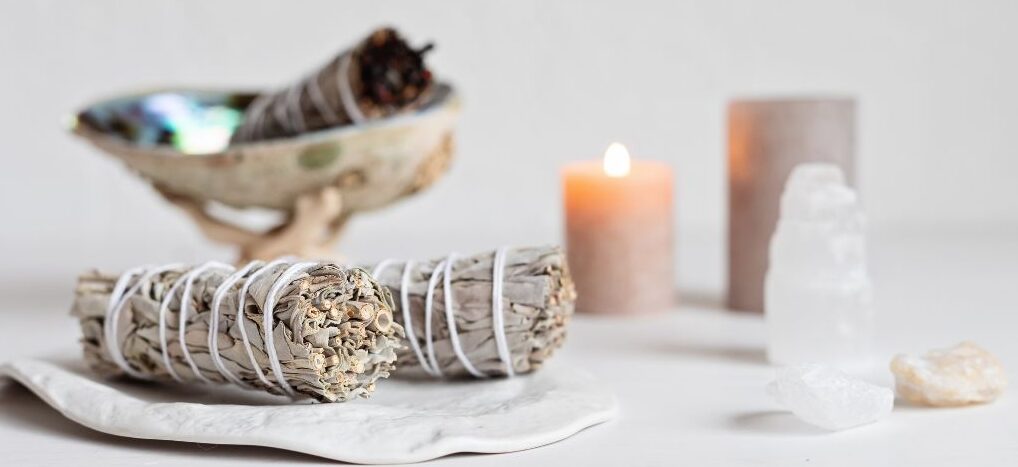
People have burned fragrant herbs, woods, and resins in their homes and places of gathering for generations. The broader phrase smoke cleansing is used here because smudging has particular meaning in certain Indigenous ceremonies and deserves to be treated with respect.
If you burn herbs, wood, or resin, source them thoughtfully. For white sage or palo santo, ask the seller where it came from and how it was grown or harvested. You can also explore plants and resins familiar to your family or culture.
Keep it brief and open a window. Burning plant material creates fine particles in indoor air, so smoke is not a method for physically purifying the air.
If smoke bothers your lungs, you have children nearby, or someone has asthma or respiratory sensitivity, skip it. Sound, prayer, fresh air, or a simple herbal simmer pot can make the moment meaningful without smoke.
9. Use Crystals as Intention Anchors

Crystals can be a beautiful part of meditation and setting an intention. There is not strong scientific evidence that a crystal physically removes negative energy from a room, but many people use them as meaningful spiritual objects and reminders of what they want a space to hold.
Clear quartz is often associated with clarity.
Selenite is commonly used for clearing and intention.
Black tourmaline is often associated with protection and grounding.
Amethyst, citrine, rose quartz, and smoky quartz each carry their own symbolism.
Choose the stone that connects with what you are trying to create. If you are buying new, look for crystals from sellers that are more transparent about sourcing, since mining can carry environmental and labor concerns.
10. Visualize and Set the Intention

Stand in the room and decide what you want it to feel like.
Calm. Connected. Restful. Creative. Welcoming. Focused.
Then look around and ask whether the room is supporting that feeling.
After an argument, acknowledge what happened before clearing the space. Open the windows. Move something. Change the light. Clean the room. Then do whatever helps you mark the shift.
Intention works best when it has a physical action attached to it. You cannot ask the room to feel peaceful while leaving the stale air, blocked doorway, broken lamp, and laundry mountain exactly where they were.
Negative Ions and That Fresh Air Feeling

There is something about standing near the ocean, hearing a waterfall, or stepping outside after rain that can make you feel different. The air feels alive, and sometimes you come back feeling a little lighter.
Those places can have more negative air ions, tiny charged particles found naturally in the air. They have even been nicknamed happy air particles. It is a lovely name, although research has not shown that negative ions themselves reliably lift our mood or clear a space of unwanted energy.
And here’s where it gets interesting. If moving water can create negative ions in nature, why not borrow a little of that idea indoors?
Try a fine mist of water from a spray bottle, inspired by the way tiny droplets become electrically charged. Or add a tabletop fountain where water gently splashes and moves. Open the windows to invite outdoor air in, and bring in some greenery. Living plants can actually release small amounts of negative ions themselves.
Even Himalayan salt lamps are associated with the idea of releasing tiny amounts of negative ions, and I love the warm amber glow they bring to a room. There are also devices designed specifically to generate negative ions, including some that use moving water.
I find the whole connection fascinating. Water, air, plants, light, and movement all have their own ways of changing the atmosphere of a space. Some of it we can measure, and some of it is simply how a room feels when we walk into it.
When to Clear a Space
After an argument or difficult conversation.
After illness. Air out the room, wash bedding and frequently touched textiles, and let daylight in.
Before moving into a new space. A physical and energetic reset can help mark the transition from someone else’s chapter to your own.
After a large gathering, especially when the space feels overstimulating afterward.
At the change of a season, when you already feel pulled toward cleaning, editing, and opening things up.
Any time a room feels heavy and you cannot immediately explain why. Pay attention to the feeling, then look for the physical clues too.
Point of Alignment
Notice the pattern in all ten steps. Moving air, moving objects, moving light, moving sound, moving yourself.
A space can start to feel heavy when nothing in it is moving, and it often lifts when something does. Whether you frame that as energy, air quality, sensory design, or simply paying attention to a room again, the action is similar.
Bring movement and life back into the space.
You do not need to do all ten. Open the windows. Clear one surface. Change the light. Move one thing.
Then notice how the room feels.
Did You Know?
Smoke cleansing has been used in many cultures for generations. People have burned herbs, woods, resins, or incense to mark a fresh start, prepare a sacred space, or shift the feeling of an environment. The materials and meaning vary by culture, but the practice appears in many parts of the world. Take a look at these fascinating herbal cleansing practices:
North America:
Some Indigenous communities
Sagebrush, cedar, and sweetgrass are often used in smudging ceremonies for purification and blessing. Depending on the culture, different herbs may be used for different intentions.
Latin America
Palo Santo: The sweet, purifying aroma of this sacred wood from South America is often used with the intention of clearing negativity and welcoming positive energy into a space.
Europe:
Rosemary and juniper have both been used for their fragrant scent in parts of Europe. Different plants can hold different meanings, but sometimes a familiar scent is enough to make a place feel renewed.
Africa:
Frankincense and myrrh have a long history in parts of East Africa and the Arabian Peninsula. Their fragrant resins were treasured, traded, and burned in homes and places of gathering.
Asia:
In different parts of Asia, incense has been part of home life, reflection, and remembrance for generations. Woods, herbs, and resins vary from place to place, each with its own scent and meaning.
Asia and Africa:
Cloves have a wonderfully warm, spicy scent and have been used in fragrant mixtures for generations. Scent has a way of connecting a space to memory, comfort, and the people who live there.