


What are the different kinds of water filters?
There are a lot of water filters, and they do different jobs. Some sit in your fridge. Others connect to plumbing. Some improve taste; others are certified for specific chemicals or metals. You do not necessarily need filtered water at every tap to improve the water you drink.
Start with the pictures below. Once you know which type fits your home, choosing an exact model gets much easier.
Jump to what you need: Choose a type · Our exact picks · What could be in my water? · Check your water · Reverse osmosis · Certifications
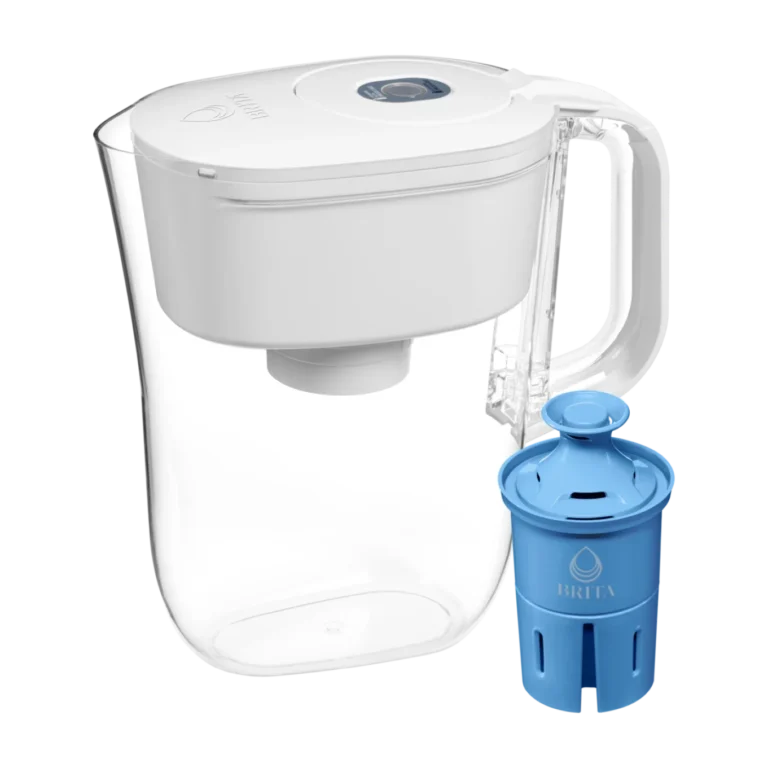
1. Pitcher
What it is: A jug with a filter cartridge that you fill at the sink and keep on the counter or in the fridge.
Why choose it: Small kitchens, one or two people, low upfront cost.
Main downside: You must refill it, and capacity and certified reductions depend on the exact cartridge.
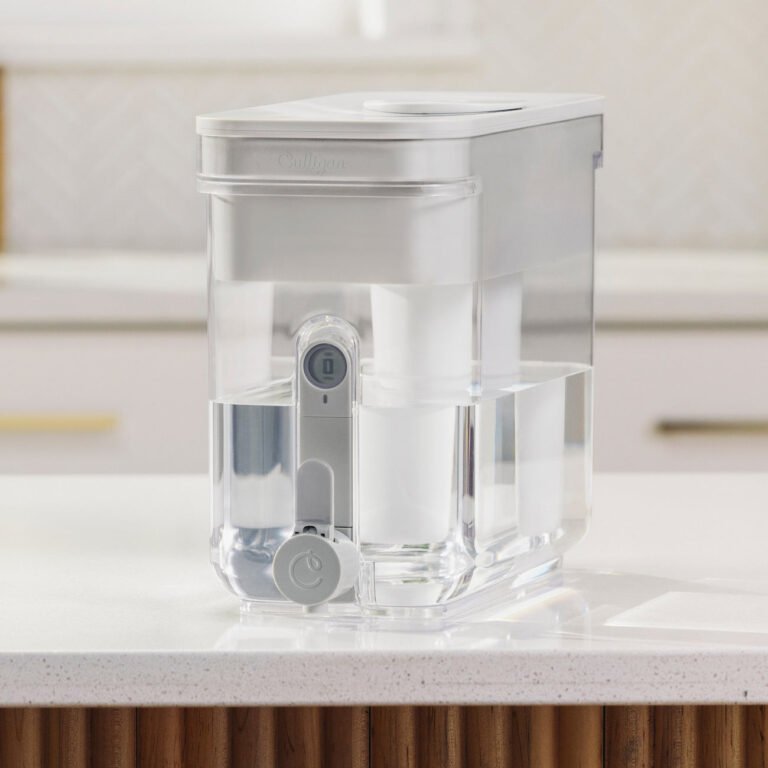
2. Large dispenser
What it is: A bigger refillable container with a tap near the bottom. It can sit on a shelf or in a refrigerator.
Why choose it: A family that wants several glasses ready without plumbing.
Main downside: It takes room, needs regular filling and some cartridges are expensive to replace.
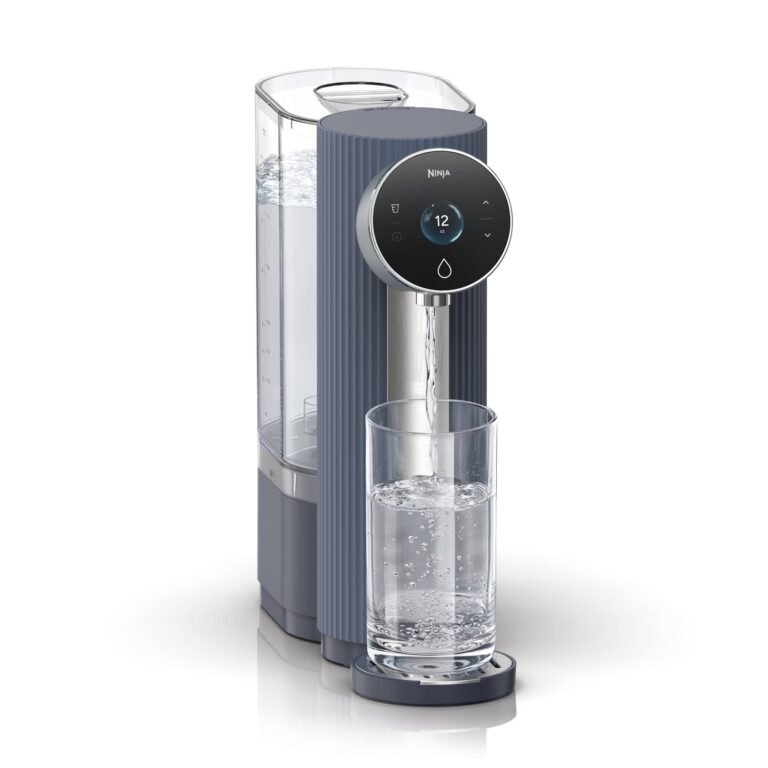
3. Countertop filter
What it is: A machine or gravity-fed unit on the counter. Some dispense at a button press; some work without electricity.
Why choose it: Renters or families who want convenient dispensing without altering plumbing.
Main downside: Uses counter space; powered models need an outlet. Check certified reductions, not just the appearance of the machine.
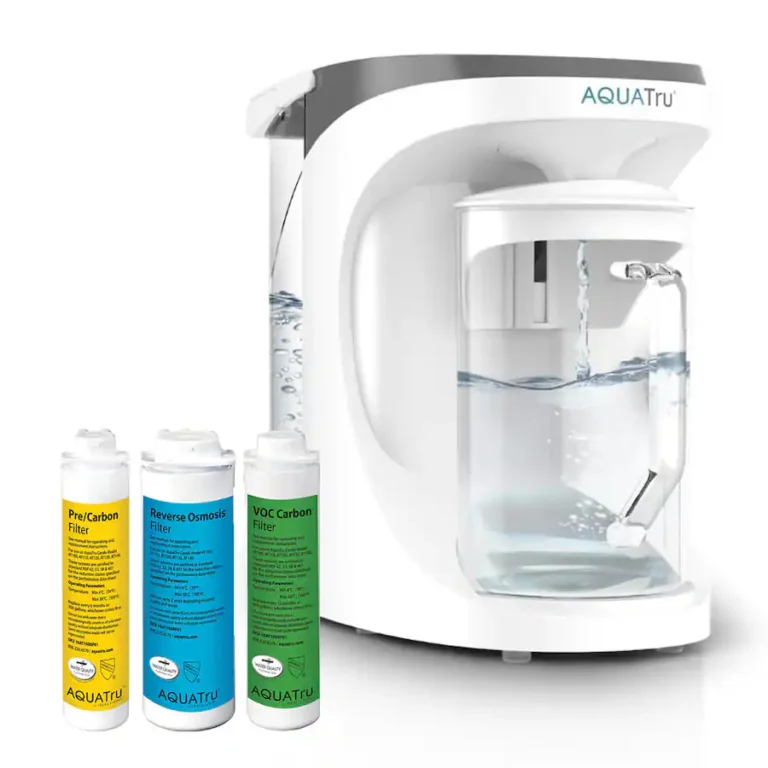
4. Countertop reverse osmosis
What it is: A plug-in machine that pushes water through a very fine membrane and collects drinking water in a separate container.
Why choose it: Someone who wants broad reverse osmosis treatment but cannot install a system.
Main downside: More costly, usually needs power and produces some rejected water.
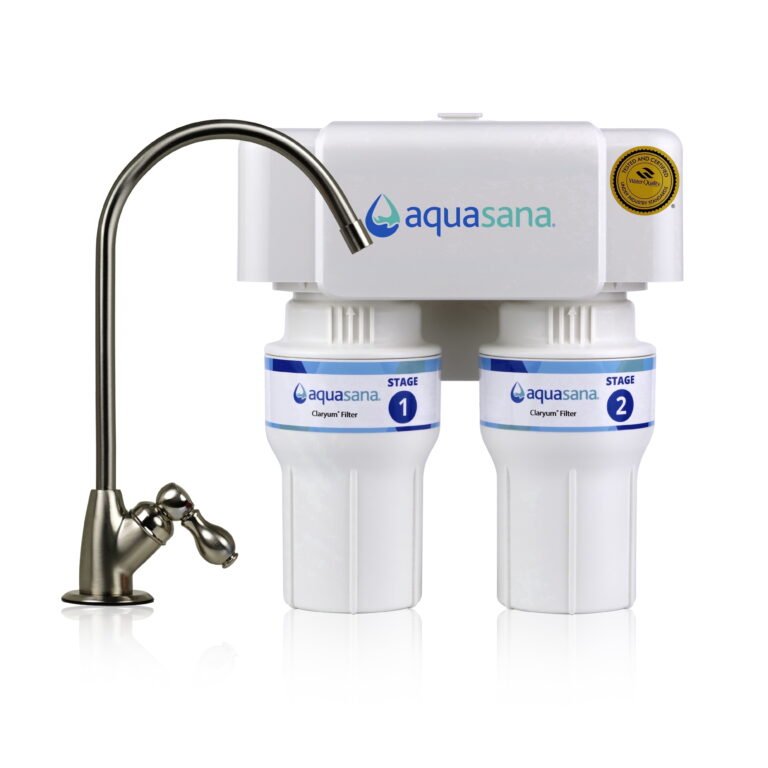
5. Under-sink filter
What it is: A filter fitted below the kitchen sink, often with a small dedicated drinking-water faucet. Many use carbon-based filtration.
Why choose it: Filtered cooking and drinking water without filling containers or using reverse osmosis.
Main downside: Installation and under-sink space are required. It won’t remove every dissolved substance.
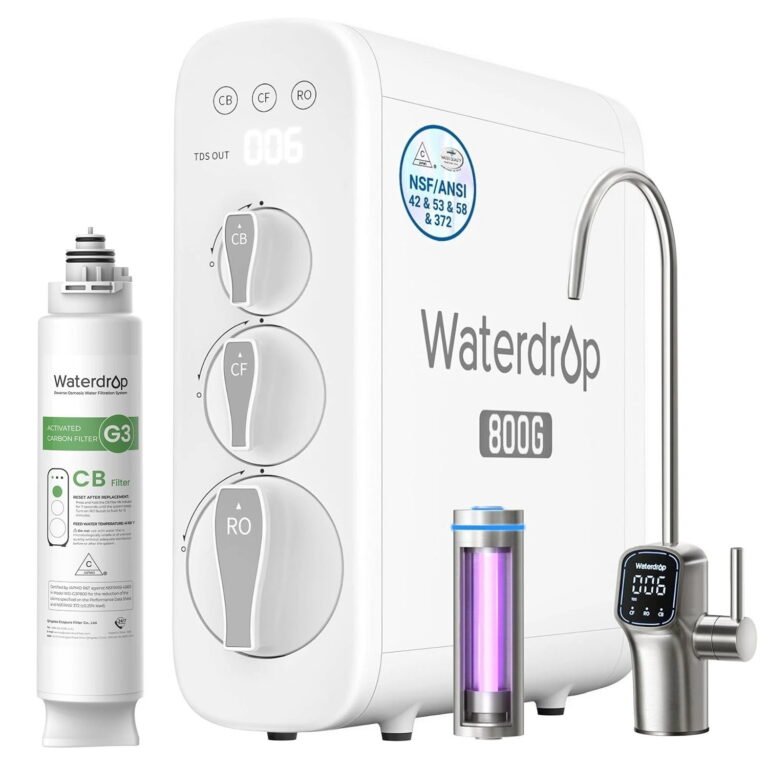
6. Under-sink reverse osmosis
What it is: A system under the sink that uses a membrane for dissolved substances and may have several filters before and after it.
Why choose it: Households with a verified concern that calls for reverse osmosis, or people wanting this type of broad filtration.
Main downside: Higher price and installation requirements; it typically produces wastewater, and some models need power.
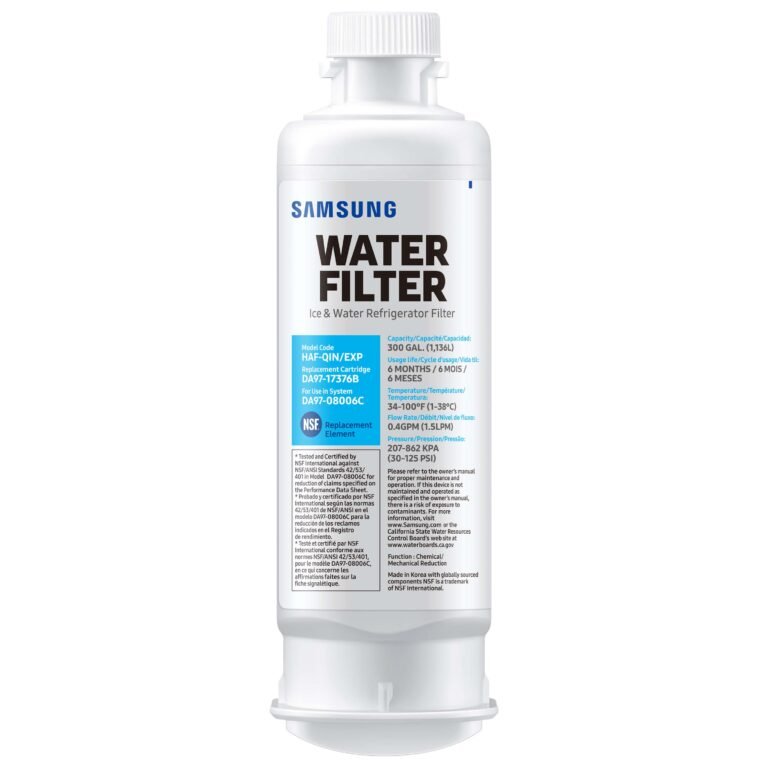
7. Refrigerator filter
What it is: A cartridge installed inside or behind a compatible fridge for the dispenser or ice maker.
Why choose it: Convenient chilled filtered water when the refrigerator already has a dispenser.
Main downside: You must match the fridge model. Different cartridges have different certified contaminant claims.
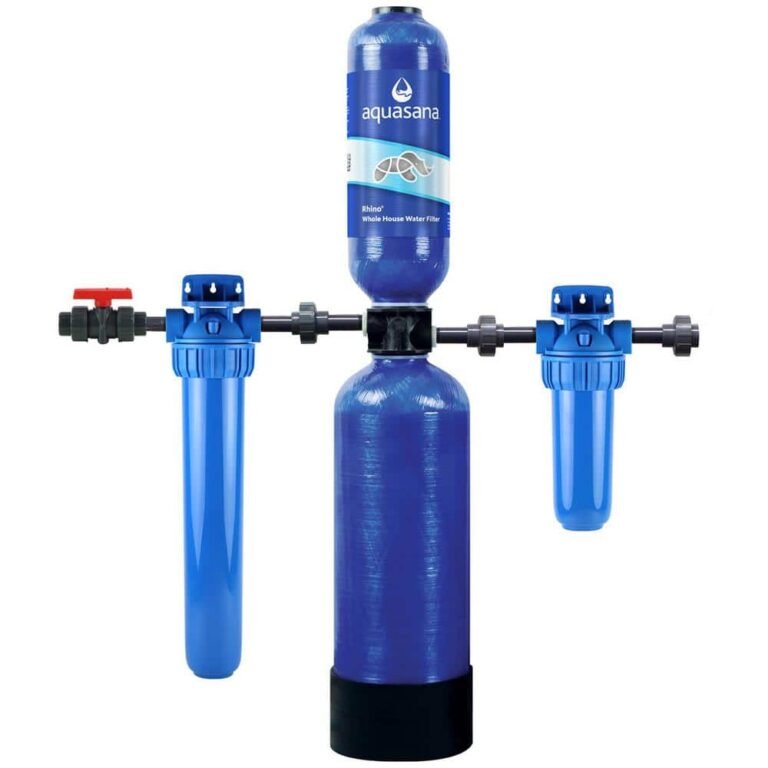
8. Whole-house filter
What it is: A larger treatment setup where water enters the house, before it reaches showers and other taps.
Why choose it: Problems affecting many fixtures, such as certain sediment, iron or smell concerns.
Main downside: Costs more, needs professional sizing and is not automatically a substitute for a drinking-water filter.
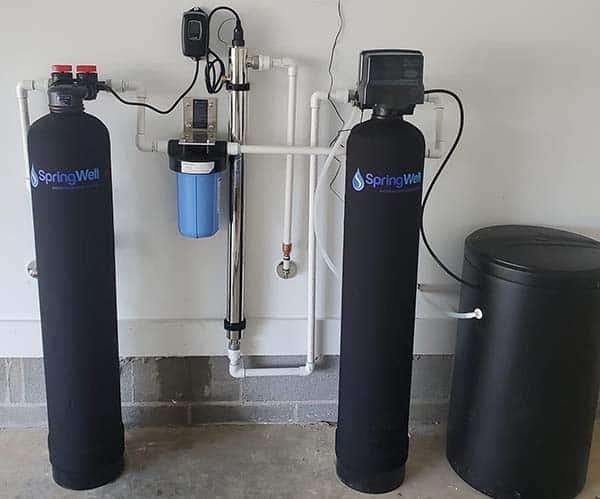
9. Water softener
What it is: A system that exchanges hardness minerals such as calcium and magnesium, often using salt.
Why choose it: Hard-water scale on faucets, water heaters and appliances.
Main downside: It is for hardness, not broad contaminant removal; it requires maintenance and may add sodium to softened water.
Which kind makes sense for me?
Renting or avoiding installation? Start with a dispenser. Choose Ninja for fast dispensing and a longer-lived cartridge, or AquaTru Carafe if you specifically want reverse osmosis.
Family filling bottles all day? Look first at the Brita UltraMax Elite for fewer filter changes; compare Culligan if its broader listed contaminant reductions fit your water results.
Want a drinking-water faucet? Aquasana AQ-6200 is the carbon-based under-sink choice. Consider Waterdrop G3P800 if you need reverse osmosis.
Older home? Ask about the lead service line and test at the tap before deciding. Choose a model with a specific certified lead reduction claim if you need treatment.
Private well? Test before buying. Bacteria, nitrate, arsenic, iron and hardness require different solutions. Some well problems need disinfection or whole-house treatment rather than a pitcher.
Hard-water spots? Investigate a properly sized softener. Don’t buy a drinking-water filter expecting it to solve all your scale problems.
What should I buy? Six specific water filters worth comparing
These are different types of products, so this is not a winner-to-loser ranking. Look at your water results, the amount you use, installation and the ongoing cartridge bill.
Some shopping links may earn Aalign a commission at no additional cost to you. We choose specific products for the job they do, not the commission.
Annual costs below are approximate normal replacement expenses based on manufacturer schedules and current cartridge prices. They can be higher with heavy use or challenging water. Upfront prices vary by retailer.
Affordable | Culligan with ZeroWater Technology ZEROD32, 32-cup dispenser
Best for: A family wanting broad contaminant reduction without installation.
Typical upfront price: about $30 to $45. Prices change.
Certified reductions: IAPMO certified to NSF/ANSI 42, 53 and 401 for listed substances including total PFAS, lead, nitrate, fluoride, chlorine and selected pharmaceuticals.
Filter life: New-generation ZEROF cartridge rated for 20 gallons; water composition can shorten practical life.
Replacement cost: Around $18 per cartridge or roughly $180 a year for 200 gallons; high-volume households may pay much more.
Main tradeoff: Frequent cartridge changes. Its dissolved-solids meter does not test separately for lead, PFAS or germs.
Affordable | Brita UltraMax 27-cup dispenser with Elite OB06 filter
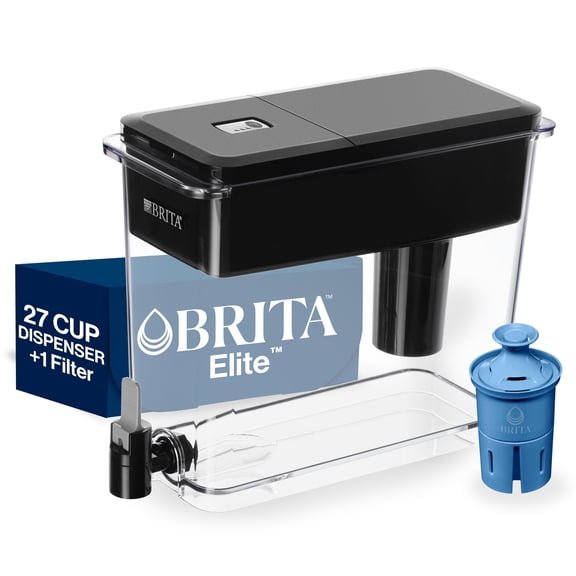
Best for: A family that values low fuss and fewer replacements.
Typical upfront price: about $35 to $55. Prices change.
Certified reductions: The OB06 system’s published NSF/ANSI 42, 53 and 401 claims include lead, chlorine, certain pesticides, selected chemicals and microplastics. No PFAS reduction claim is listed for this exact filter.
Filter life: 120 gallons or about six months, whichever comes first. Confirm your dispenser package includes Elite OB06, not a Standard cartridge.
Replacement cost: Often about $40 to $50 annually for two Elite cartridges; greater use may require more.
Main tradeoff: Less extensive certified coverage for some dissolved substances than Culligan, despite the longer cartridge life.
Mid-range | Ninja HydraSense WF1001 countertop filter
Best for: A renter or busy household that wants one-touch water dispensing and a visible filter-life tracker.
Typical upfront price: about $200 to $250. Prices change.
Certified reductions: IAPMO R&T certified to NSF/ANSI 42, 53 and 401 for listed contaminants, including a specified seven-PFAS mixture, lead, microplastics and selected pharmaceuticals.
Filter life: XSKWATFILSUS cartridge: 120 gallons or six months.
Replacement cost: $39.99 per filter; around $80 annually for two, or roughly $70 with the current two-pack price.
Main tradeoff: Needs an outlet, takes a little counter space and still requires reservoir refills.
Expensive | AquaTru Carafe countertop reverse osmosis
Best for: Someone who needs reverse osmosis but cannot change the plumbing, and likes a glass carafe.
Typical upfront price: about $359 to $399. Prices change.
Certified reductions: IAPMO certified to NSF/ANSI 42, 53, 58 and 401 for the specified model’s listed substances including lead, fluoride, PFOA/PFOS and total dissolved solids.
Filter life: Carafe-specific prefilter every six months/300 gallons, VOC filter yearly/300 gallons and membrane every two years/600 gallons.
Replacement cost: Approximately $130 yearly averaged across the filter schedules using recent individual cartridge prices; check the exact Carafe cartridges.
Main tradeoff: The clean-water carafe holds about half a gallon, and the unit needs electricity and regular emptying of rejected water.
Affordable under-sink | Aquasana Claryum 2-Stage AQ-6200-BN, non-RO
Best for: A household that wants filtered drinking and cooking water from its own faucet without a reverse osmosis system.
Typical upfront price: about $125 on sale; $250 list price. Prices change.
Certified reductions: WQA certified to NSF/ANSI 42, 53 and 401 for listed claims including lead, PFOA/PFOS, chlorine, chloramine, cysts and selected pharmaceuticals.
Filter life: AQ-C2-R two-cartridge replacement set every 500 gallons or six months; rated flow 0.5 gallon per minute.
Replacement cost: $73.99 per replacement set; about $148 annually for two sets, or about $126 with the published discounted subscription.
Main tradeoff: Needs installation and a dedicated faucet. No certified nitrate or fluoride removal claim for this model.
Premium under-sink | Waterdrop G3P800 tankless reverse osmosis
Best for: A household wanting high-output under-sink reverse osmosis with a compact tankless design.
Typical upfront price: about $849. Prices change.
Certified reductions: IAPMO certified to NSF/ANSI 42, 53 and 58 for specified claims including PFOA, PFOS, fluoride, total dissolved solids and certain metals. NSF/ANSI 372 covers low lead content of materials, not lead removal.
Filter life: Prefilter about six months, carbon postfilter about one year, reverse osmosis membrane about two years, subject to manufacturer instructions.
Replacement cost: About $160 averaged per year using current replacement prices, without optional remineralization.
Main tradeoff: Requires power, plumbing, drain connection and careful leak checks. Published purified-to-drain ratio is about 3:1 under test conditions.
What might actually be in my drinking water?
You don’t need to worry about every item on this list. Which substances show up depends on the source, local conditions, treatment and even the pipes in your home. Start with your utility report or well-water test.
Lead: A metal that can enter water through older service lines, solder or fixtures. It has no reliable taste or smell. A specific lead-certified drinking-water filter can reduce exposure while plumbing is investigated.
PFAS: Short for per- and polyfluoroalkyl substances, a large family of long-lasting chemicals used in some coatings, industrial processes and firefighting foams. A system with a certified PFAS claim can help reduce particular tested PFAS. Different certifications cover different compounds.
Nitrate: Can enter groundwater from fertilizer, septic systems and other sources. High levels are especially concerning for infants. Use a properly selected system verified for nitrate rather than assuming an ordinary carbon filter works.
Arsenic: A naturally occurring element that can enter well water from rocks and soil. The form of arsenic affects treatment, so use your actual lab result when choosing a system.
Bacteria, viruses and other microbes: More likely to need attention with private wells, flooding or water-system failures. Many drinking-water filters are not disinfectants. Follow local boil-water guidance and use appropriate treatment.
Chlorine and chloramine: Chemicals utilities use to disinfect water. Chlorine taste is common; chloramine can be harder for a basic carbon filter to reduce. Choose the exact claim if taste bothers you.
Disinfection byproducts: Substances that may form when disinfectants react with material in water, such as trihalomethanes. Check your report and the exact certified reduction claim.
Hardness: Calcium and magnesium. Usually more of a scaling and appliance issue than a drinking-water hazard. A softener, rather than a basic drinking-water carbon filter, is the usual solution.
Iron and manganese: Can cause reddish or dark stains, particles and odd tastes, especially in wells. Treatment depends on how much is present and its form.
Fluoride: May occur naturally or be added to community water. If reduction is relevant to your results or preference, choose a system with verified fluoride reduction.
Microplastics: Very small plastic particles. Some certified filters reduce particles in defined size ranges. Research on typical drinking-water health effects is still developing.
Pharmaceuticals, pesticides and industrial chemicals: Broad groups with very different substances. A system’s NSF/ANSI 401 claim covers only the specific compounds listed on its performance sheet.
How do I check my water? Start here.
1. If you have city water: Find your water supplier and Consumer Confidence Report using the EPA tool. Search your water provider’s newest report for lead, nitrate, disinfection byproducts and other listed substances. If the supplier isn’t easy to find, use the number on your water bill.
2. Check possible lead from your home’s pipes: Read EPA Protect Your Tap. Call your water company and ask: “Do you offer lead testing or a lead service-line check for my address?” Ask whether the service-line material is known. A utility report cannot prove that your particular faucet has no lead.
3. If you have a private well: Follow the CDC well-water testing guide. Ask your local health department for a state-certified laboratory. Test yearly for total coliform bacteria, nitrate, total dissolved solids and pH; ask about locally relevant arsenic, metals and other substances.
4. Wondering about PFAS? Use EPA’s PFAS drinking-water guidance and ask your water supplier which PFAS were tested, the results and the dates. Do not assume an at-home dissolved-solids meter measures PFAS.
5. Before buying: Search the exact model in the NSF database, WQA finder or IAPMO directory. Match the system and cartridge, then read the exact contaminant claims and replacement instructions.
If your lab result is above a health-based limit, ask your health department or water supplier about the immediate next step. A filter may be part of a solution, but it cannot replace the right response to a boil-water notice or unsafe well.
I found something in my water. What does it mean?
Lead: Confirm whether the sample was taken at your faucet, ask about the service line, and use a lead-certified filter according to its directions while addressing the source. EPA recommends action when lead is found rather than assuming a low reading is harmless.
PFAS: Note the exact compound and amount. Ask your utility or state health department how the result compares with current applicable guidance. Look for a certified claim for the specific PFAS or a defined PFAS group, not simply the letters NSF on a box.
Nitrate: Ask a certified lab or health department whether the result exceeds the drinking-water limit. For infant formula, do not rely on boiling because it does not remove nitrate and can concentrate it.
Arsenic: Confirm the level and ask whether additional testing is needed. Reverse osmosis can help in some cases, but the treatment must match the form of arsenic and the verified filter performance.
Bacteria: Do not assume a countertop taste filter makes contaminated water safe. Follow public-health advice about boiling, disinfection and retesting.
Chlorine, hardness, iron or manganese: These may be primarily taste, staining or maintenance issues at typical levels, but the result and local standard determine what to do. Choose treatment based on the substance, not a marketing claim that a system removes everything.
What if the water tastes, smells or looks weird?
Swimming-pool taste: Chlorine used for disinfection is one possibility. Ask whether your provider uses chlorine or chloramine and choose a filter with the matching claim.
Rotten-egg odor: Sulfur-related compounds or plumbing problems can cause it. Compare hot and cold taps, and ask a plumber or well professional if it persists.
Brown or orange water: Iron, sediment or disturbed pipes may be involved. If it is sudden, contact your water provider before drinking it.
Blue-green staining: May relate to copper plumbing corrosion. Have the water checked rather than deciding from color alone.
Cloudy water: Tiny air bubbles can disappear after standing; persistent particles or changes deserve a utility or lab check.
No odor at all: This does not rule out lead, PFAS, nitrate or arsenic. Those are reasons to use actual test results.
What is reverse osmosis?
Reverse osmosis is a method that pushes water through a very fine membrane. It can reduce many dissolved substances that an ordinary carbon filter may not reduce. Most systems have additional filters to help protect the membrane and improve taste.
Do I actually need it? Not automatically. If your main complaint is chlorine taste, a certified carbon filter may be simpler, less expensive and waste less water. If testing finds nitrate, fluoride or another substance that calls for a suitable reverse osmosis system, it may be worthwhile.
What is the tradeoff? Reverse osmosis systems need replacement cartridges and produce some rejected water. Countertop versions need reservoir refills; under-sink systems need a drain connection and installation. Some include a remineralization stage that changes taste after filtering.
Aalign’s two situations: AquaTru Carafe suits someone avoiding plumbing work. Waterdrop G3P800 is the installed high-flow alternative.
What do the certification labels mean?
NSF/ANSI 42: Usually taste, odor and aesthetic claims, including chlorine, when specifically listed.
NSF/ANSI 53: Health-related contaminant reduction claims, such as lead or specified PFAS, only when those exact substances appear on the model’s listing.
NSF/ANSI 58: Reverse osmosis systems and their specified performance claims. It does not mean every reverse osmosis system is certified for every substance.
NSF/ANSI 401: Specified emerging contaminants, which may include certain medicines, pesticides and other compounds. Check the list.
NSF/ANSI 372: A low lead-content standard for materials touching drinking water. It does not mean the filter removes lead from your water.
NSF, WQA and IAPMO are organizations that can independently certify products. “Tested to NSF standards” by a manufacturer is not the same wording as independent certification for a listed claim. Search the exact model in the NSF, WQA or IAPMO directory.
Which setup makes sense for my home?
Apartment or rental: Brita or Culligan dispensers for a simpler low-cost start, Ninja for easy dispensing, AquaTru Carafe for no-install reverse osmosis.
Family home: Decide whether refilling is realistic. Brita has long cartridge life; an installed Aquasana keeps the counter clear.
Large home: Whole-house filtration is worth considering only if the problem affects several fixtures; it can be paired with targeted drinking-water treatment where needed.
Older home: Lead-service-line information and tap testing first. A lead-certified point-of-use filter can reduce exposure while the source is addressed.
Private well: Lab results first, then a system tailored to bacteria, metals, nitrate, hardness or a combination. A well specialist may be appropriate.
Hard water: A water softener addresses scale; a drinking-water filter addresses specific drinking-water substances. They are different tools.
Refrigerator dispenser: Check the appliance’s exact filter model and certified claims before buying a replacement cartridge.
A note on older water filter recommendations
You may have seen AquaTru Classic, iSpring, Bluevua, Frizzlife or Berkey in older buying guides. Those names alone do not tell you what a current exact model is certified to reduce. We selected the six models above for clearly different reader needs and did not carry over unsupported emergency, germ-removal or whole-brand claims.
If you have one of those systems already, there is no reason to discard a working product simply because it is not on this shorter shopping list. Check its exact model, cartridge and current independent performance record. Replace a device if it is damaged, no longer supported or does not address a confirmed water concern.
Useful links and source documents
EPA: Filters certified to reduce PFAS · EPA: Protect Your Tap · CDC: Well-water testing · Brita Elite OB06 performance sheet · Culligan current certification sheets · Aquasana AQ-6200 performance sheet · Ninja WF1001 performance information.
Editorial update: October 2026. Prices are approximate and filter certifications apply to the listed models and substances, not every product by a brand. Independently certified performance describes controlled test conditions. Your own water quality and filter maintenance still affect results.