
Some links are affiliate links. If you buy through them, Aalign may earn a commission at no extra cost to you.
Shopping for a healthier sofa gets confusing fast. One brand talks about organic cotton, another about CertiPUR-US foam, another about "performance" fabric it never explains, and the fully natural option costs $6,000.
This guide makes those choices easier. It covers low-tox sofas and couches, plus sectionals, chairs, recliners, gliders, sleeper sofas, chaises, ottomans, benches and poufs, so you can jump straight to the piece you need.
We compared exact products rather than trusting a brand name, because within the same brand one sofa can use natural latex and the next can use conventional foam. Every pick below is sorted into Best, Better or Good, with its price and main tradeoff, so you can match a piece to your budget without reading the whole guide.
Start With What You're Looking For
- Sofas and couches
- Sectionals
- Chairs, recliners and gliders
- Sleeper sofas
- Chaises, ottomans, benches and poufs
- What’s actually inside upholstered furniture
- Before you buy
- What I’d prioritize on a budget
For hard furniture like tables, desks and dressers, see our main Non-Toxic Furniture Guide.
How We Rate Upholstered Furniture
Best. The strongest material profiles we reviewed. Usually natural or organic latex, wool, cotton, hemp, coir, solid or responsibly sourced wood, better adhesives and clear disclosure.
Better. Real improvements with some compromises. Often conventional polyurethane foam that has been independently tested, PFAS-free upholstery, FSC-certified wood, removable covers or unusually transparent construction.
Good. More conventional pieces that still have something meaningful, like finished-product GREENGUARD Gold certification, certified foam or better wood sourcing. Good does not mean bad. Sometimes Good is the right call because you need something affordable, want to sit on it first, or cannot wait three months for a custom sofa.
One practical tip before you click: the same model can be built differently depending on the cover and fill you select, so check the fabric and filling on the product page before you buy. The Sabai picks below need the hemp or hemp-blend cover, and the Blu Dot Field needs a qualifying GREENGUARD Gold fabric.
Before ordering: Tracked links may open a default fabric. Re-select the hemp or hemp-blend cover for Sabai, the Sundhamn Beige cover for IKEA, and the natural-latex build for the Medley picks marked Natural Latex. For Blu Dot, check that the selected fabric qualifies for GREENGUARD Gold.
Price Guide
- $ more accessible
- $$ mid-range
- $$$ premium
- $$$$ luxury or custom
Prices move around, especially during furniture sales, so treat these as a general comparison rather than an exact promise.
Best Non-Toxic Sofas & Couches
Several brands below also make loveseat and two-seat sizes of these same sofas, so a smaller room is usually covered by the same pick in a shorter length.
Best
Best for: Most natural customizable sofa
Medley — Rio Sofa in Natural Latex
Price: $$$$
Certification/material highlight: GOLS natural latex, OEKO-TEX wool, FSC wood, formaldehyde-free PureBond plywood
Real-life note: Lots of sizes and fabrics, and you choose the natural latex and wool build instead of Medley's standard foam.
Tradeoff: Made to order, expensive, longer lead time
Best for: The simplest natural material list
Savvy Rest — Verona Organic Sofa
Price: $$$$
Certification/material highlight: Natural Talalay latex, organic wool, GOTS organic cotton or hemp, solid maple
Real-life note: One of the least complicated material profiles we found.
Tradeoff: Fewer styles, made to order, stricter returns
Best for: Natural materials in a modern, repairable design
Price: $$$$
Certification/material highlight: Natural latex, coconut coir, cotton and muslin fill, hemp-blend PFAS-free cover, PureBond plywood
Real-life note: Choose the hemp-blend cover, not the upcycled-poly one, so the fabric matches the natural fill inside. Covers and parts can be replaced.
Tradeoff: A big investment, and the rating depends on picking the hemp cover
Prefer a different look? Medley's Zavis Sofa in Natural Latex has the same natural latex and wool build as the Rio in a midcentury shape. Choose the natural-latex build when ordering.
If you want fully custom or bespoke and price is no object, Cisco Home (Inside Green build) and EcoBalanza make sofas in the same natural league. Cisco is sold through Urban Natural Home.
Better
Best for: A more affordable couch with natural latex cushioning
Price: $$
Certification/material highlight: Natural latex, coconut coir, cotton and linen main cover
Real-life note: A rare option at this price using these natural cushion materials, and you can sit on it in person first.
Tradeoff: The frame also uses particleboard, fiberboard and plywood, and some parts are polyester
Choose the Sundhamn Beige. Check the selected cover before ordering, and do not substitute the Alhamn velvet version, which uses polyurethane foam.
Best for: A more attainable PFAS-free sofa with repairable parts
Sabai — Essential Sofa in Hemp Blend
Price: $$
Certification/material highlight: FSC plywood, CertiPUR-US foam, hemp and cotton upholstery, PFAS-free fabric
Real-life note: Covers and parts can be replaced instead of tossing the whole sofa.
Tradeoff: Conventional polyurethane foam and some synthetic fill
Best for: Kids, pets and anyone who needs washable upholstery
7th Avenue — 3-Seat Modular Sofa
Price: $$$
Certification/material highlight: FSC wood, OEKO-TEX fabrics, CertiPUR-US foam, PFAS-free treatment, GREENGUARD Gold on selected fabrics
Real-life note: Removable, washable, replaceable covers solve a real problem if the sofa gets lived on.
Tradeoff: Not cheap, and still polyurethane foam with synthetic performance fabric
Good
Best for: Mainstream shopping with finished-product emissions testing
Crate & Barrel — Retreat 94" Sofa
Price: $$ to $$$
Certification/material highlight: GREENGUARD Gold finished product, FSC engineered hardwood
Real-life note: Much easier to see, test and order than most specialty natural brands.
Tradeoff: Polyurethane foam with fiber and feather-down fill
Best for: A familiar retailer with finished-product GREENGUARD Gold
Pottery Barn — Shasta Square Arm Sofa
Price: $$ to $$$
Certification/material highlight: UL GREENGUARD Gold finished product, solid rubberwood frame
Real-life note: Useful if you want to see fabrics in person before committing.
Tradeoff: Conventional foam and polyester fill
Best for: Durable mainstream build with unusually clear material info
Room & Board — Metro Sofa
Price: $$ to $$$
Certification/material highlight: Benchmade hardwood frame, CertiPUR-US foam
Real-life note: Lots of sizes and fabrics, and easy to try in person.
Tradeoff: Conventional foam, and the fabric profile changes with what you pick
Best Non-Toxic Sectionals & Sectional Couches
Best
Best for: A large customizable sectional without polyurethane seat foam
Price: $$$$
Certification/material highlight: GOLS natural latex, wool, FSC wood, formaldehyde-free plywood
Real-life note: Removable zippered covers make a very expensive sectional more livable.
Tradeoff: Very expensive, made to order
Best for: A modular natural-material sectional
Price: $$$$
Certification/material highlight: Natural latex, coconut coir, cotton, jute, hemp-blend PFAS-free cover
Real-life note: Modular and repairable, so single pieces can be replaced.
Tradeoff: Exact materials depend on the configuration and cover
Fabric note: Choose the hemp or hemp-blend cover, not the upcycled poly.
Best for: Natural sectional configurations with more customization
The Futon Shop — Daisy Organic Sectional
Price: $$$ to $$$$
Certification/material highlight: Natural or organic latex, coconut coir, wool, organic cotton options
Real-life note: You can customize the internal build more than most mainstream sectionals.
Tradeoff: Price and certifications vary by configuration, so check the exact build
Better
Best for: Families and pets who need a truly washable sectional
7th Avenue — 4-Seat Modular Chaise Sectional
Price: $$$$
Certification/material highlight: OEKO-TEX fabric, FSC wood, PFAS-free treatment, GREENGUARD Gold on selected fabrics
Real-life note: Machine-washable covers are the reason to choose it.
Tradeoff: Synthetic performance fabric and polyurethane foam
Best for: A repairable sectional with PFAS-free upholstery
Price: $$$
Certification/material highlight: FSC plywood, CertiPUR-US foam, hemp and cotton PFAS-free upholstery
Real-life note: Components, slipcovers and cushions can be replaced.
Tradeoff: Conventional foam keeps it out of Best
Best for: Medley build and customization at a lower price than the natural version
Price: $$$$
Certification/material highlight: FSC wood, formaldehyde-free engineered hardwood, CertiPUR-US foam
Real-life note: Same Rio design family without paying for the natural latex upgrade.
Tradeoff: Uses polyurethane foam
Good
Best for: Mainstream sectional shopping with finished-product testing
Pottery Barn — Shasta Reversible Chaise Sectional
Price: $$$
Certification/material highlight: UL GREENGUARD Gold
Real-life note: Easy to see fabrics and get design help in person.
Tradeoff: Conventional foam and synthetic fill
Best for: A durable mainstream sectional with lots of configurations
Room & Board — Metro Sectional
Price: $$$ to $$$$
Certification/material highlight: Hardwood frame, CertiPUR-US foam
Real-life note: Easy to build the configuration around your actual room.
Tradeoff: Conventional foam, upholstery varies
Best for: A deep mainstream sectional with third-party certification
Crate & Barrel — Gather Deep 3-Piece L-Shaped Sectional
Price: $$$ to $$$$
Certification/material highlight: FSC wood, GREENGUARD Gold on qualifying configurations
Real-life note: Easier to test before buying than most natural sectionals.
Tradeoff: Conventional foam and cushioning
Best Non-Toxic Chairs, Recliners & Gliders
Best
Best for: The most natural traditional armchair
Savvy Rest — Verona Armchair
Price: $$$$
Certification/material highlight: Natural Talalay latex, organic wool, GOTS organic upholstery, solid maple
Real-life note: A very simple material profile for a fully upholstered chair.
Tradeoff: Expensive, limited custom-order returns
Best for: Strongest natural-material recliner we found
Pure Upholstery — Reynolds Organic Recliner
Price: $$$$
Certification/material highlight: GOLS organic latex, solid maple with no engineered wood, organic wool, GREENGUARD water-based glue, Rubio Monocoat finish, GOTS and OEKO-TEX fabrics, no flame retardants
Real-life note: A rare reclining chair built around natural latex, wool and solid wood rather than a conventional foam-heavy build.
Tradeoff: Expensive and made to order
Best for: Modern exposed wood with natural cushioning
Sabai — Bacana Lounge Chair in Hemp
Price: $$$
Certification/material highlight: FSC solid maple, natural latex, hemp upholstery, PFAS-free fabric
Real-life note: Less bulky than a fully upholstered chair.
Tradeoff: Other Bacana fabrics have different material profiles
Also worth knowing: the Medley Rio Chair in Natural Latex is the same Best quality as the Rio sofa if you want a matching lounge chair.
Better
Best for: Nursery or living-room reclining without spending thousands
Babyletto — Kiwi Recliner and Swivel Glider
Price: $ to $$
Certification/material highlight: GREENGUARD Gold, FSC, CertiPUR-US
Real-life note: It reclines, swivels and glides, so it solves a different need from a pretty lounge chair.
Tradeoff: Synthetic performance upholstery, and I would not assume PFAS-free unless Babyletto confirms it
Best for: A more affordable nursery recliner
DaVinci — Suzy Recliner and Swivel Glider
Price: $
Certification/material highlight: GREENGUARD Gold and FSC, confirm current foam spec on the exact configuration
Real-life note: Swivels, glides and reclines without the premium of many nursery chairs.
Tradeoff: Conventional foam and synthetic upholstery
Best for: An affordable adult chair with PFAS-free upholstery
Sabai — Essential Chair in Hemp Blend
Price: $$
Certification/material highlight: FSC plywood, CertiPUR-US foam, hemp and cotton upholstery
Real-life note: Repairable and slipcoverable rather than disposable.
Tradeoff: Conventional polyurethane foam
Good
Best for: An affordable kids chair that still carries a certification
babyGap by Delta Children — Sherpa Bear Chair
Price: $
Certification/material highlight: GREENGUARD Gold tagged
Real-life note: A genuinely low-price kids-room seat, which this guide otherwise lacks.
Tradeoff: Synthetic upholstery, confirm fill and PFAS status
Best for: Sculptural modern design
Blu Dot — Field Lounge Chair in a qualifying GREENGUARD Gold fabric
Price: $$$
Certification/material highlight: GREENGUARD Gold on qualifying Maharam and selected fabrics
Real-life note: One of the more design-forward mainstream chairs here.
Tradeoff: Polyurethane foam, and not every fabric is certified
Best for: Durable mainstream construction
Room & Board — Ericson Lounge Chair
Price: $$$
Certification/material highlight: Hardwood frame, CertiPUR-US foam
Real-life note: A comfortable adult lounge chair that is easy to see in person.
Tradeoff: Conventional foam, upholstery varies
Best Non-Toxic Sleeper Sofas & Sofa Beds
A sleeper is two products in one, the sofa and the sleeping surface, so check both.
Best
Best for: The strongest natural-material sleeper we found
Pure Upholstery — Tom 90" Organic Sleeper Sofa
Price: $$$$
Certification/material highlight: GOLS organic latex, organic wool, organic cotton, FSC solid maple
Real-life note: The sofa itself avoids the conventional foam build most sleepers use.
Tradeoff: A major purchase, around $5,800 before the optional mattress
Best for: Natural sofa-bed materials at a lower price than Pure Upholstery
The Futon Shop — Eco Sofa Bed
Price: $$$
Certification/material highlight: Natural Dunlop latex, coconut coir, wool, cotton options
Real-life note: The futon sleeping surface itself is natural latex, not a foam pull-out.
Tradeoff: Fabric treatments and certifications vary by configuration
Only two sleepers earn Best here, and that is on purpose. A sleeper with a natural-material sofa and sleeping surface is genuinely rare, because most pull-out mattresses still use polyurethane foam.
Better
Best for: A premium natural-latex sofa that also sleeps guests
Medley — Rio Sofa Bed in Natural Latex
Price: $$$$
Certification/material highlight: GOLS natural latex and wool in the sofa, FSC wood, formaldehyde-free plywood
Real-life note: The everyday sofa is much closer to Medley's natural Rio than a conventional sleeper.
Tradeoff: The pull-out mattress uses CertiPUR-US polyurethane foam, so it is not an all-natural sleeping system
Best for: A PFAS-free sleeper in the middle of the price range
Sabai — Eclipse Sleeper Sofa in Hemp
Price: $$$
Certification/material highlight: FSC plywood, CertiPUR-US foam, coconut fiber, PFAS-free hemp-blend upholstery
Real-life note: Converts to a queen surface and stays fairly compact.
Tradeoff: Uses polyurethane foam
Best for: Small rooms that need a real bed without pulling the sofa far from the wall
American Leather — Perry Comfort Sleeper through Urban Natural Home
Price: $$$$
Certification/material highlight: CertiPUR-US high-resiliency foam
Real-life note: The Comfort Sleeper mechanism is especially practical in tight rooms.
Tradeoff: Custom, final sale, conventional polyurethane foam
Good
Best for: Midcentury style with finished-product emissions testing
Joybird — Eliot Sleeper Sofa
Price: $$$
Certification/material highlight: GREENGUARD Gold on the qualifying Eliot sleeper
Real-life note: Lots of upholstery choices and a familiar buying process.
Tradeoff: Conventional polyurethane foam
Best for: A mainstream sleeper through a familiar retailer
Pottery Barn — Sierra Deluxe Sleeper Sofa
Price: $$$ to $$$$
Certification/material highlight: UL GREENGUARD Gold
Real-life note: Good if you want samples and a store you can walk into. The Basketweave Slub in Oatmeal is a nice color and texture; check the selected fabric on the product page.
Tradeoff: Conventional foam and synthetic parts
Fabric note: Basketweave Slub Oatmeal is a color and texture suggestion; its fiber content and PFAS status are not confirmed.
Best for: A modern mainstream sleeper with emissions testing
Crate & Barrel — Aris 82" Queen Sleeper Sofa
Price: $$$
Certification/material highlight: GREENGUARD Gold on the qualifying configuration, FSC wood
Real-life note: Easier to test and return than most custom sleepers.
Tradeoff: Polyurethane foam in both the cushions and the sleeper system
Other Upholstered Pieces
Compact on purpose. Sometimes you just want the pouf.
Chaises
A standalone natural chaise is hard to find. For a natural-material chaise, the Medley and Sabai sectionals above both offer chaise configurations.
Ottomans
- Sabai Bacana Ottoman in Hemp — Best
- Savvy Rest Verona Ottoman — Best
- Babyletto Kiwi Gliding Ottoman — Better
Benches
Poufs and Floor Seating
- Lorena Canals Storage Pouf — Better
Most poufs share one honest tradeoff: a natural-fiber cover over a synthetic fill, usually polystyrene beads. That keeps even the good-looking ones at Better rather than Best.
What's Actually Inside Upholstered Furniture?
An upholstered piece is a stack of materials: the frame, the glue holding it together, springs or webbing, cushion foam or latex, batting, fabric, stain treatments and finishes. A sofa can look wonderful because it uses organic cotton upholstery, while the cushions underneath are conventional foam and the frame is composite wood with little disclosure. Here are the parts I look at first.
Foam, Latex + Cushion Fill
Most conventional sofas use polyurethane foam because it is comfortable, cheap and easy to work with. It is also a petroleum-based plastic. When natural latex, wool, cotton or coir is a realistic option, I prefer it, especially in a piece you may keep for years. When polyurethane foam is the realistic choice, CertiPUR-US is useful. It tests the flexible foam for content and emissions, including low VOC emissions and limits on formaldehyde, certain phthalates and heavy metals. It certifies the foam only, not the whole sofa, and the program itself says certified foam should not be called "non-toxic" or "chemical-free."
Flame Retardants
Flame-retardant chemicals were historically added to furniture foam and covers. Some migrate out into indoor air and household dust. Research from the National Institute of Environmental Health Sciences has linked certain flame retardants to hormone and thyroid effects, reproductive and developmental concerns, immune effects and some cancers. The risk varies by chemical, so this is not one single substance. When a company clearly states it does not add chemical flame retardants, that is useful information.
PFAS + Performance Fabrics
A performance fabric is not automatically something to avoid. The question is how the stain resistance is achieved. PFAS, often called forever chemicals, have been used in stain and water-repellent treatments. Certain PFAS are extremely persistent, and research has linked some to hormone, immune, cholesterol and cancer effects. Look for fabric labeled PFAS-free or fluorine-free, and do not assume a fabric contains PFAS just because it resists stains. Ask what the treatment actually is.
Frames, Engineered Wood + Formaldehyde
Solid wood is easy to understand. Engineered wood is not automatically a problem. What counts is which composite it is and what glue binds it. The EPA identifies pressed-wood products made with urea-formaldehyde resins as an important indoor formaldehyde source, and notes that MDF generally has a higher resin-to-wood ratio than other pressed woods. Look for solid wood, formaldehyde-free plywood, no-added-formaldehyde adhesives, low-emitting composite wood, or finished-product emissions testing. Our Wood Furniture Guide goes deeper on engineered wood, MDF and finishes.
Upholstery Fabrics
Natural fibers like organic cotton, hemp, linen and wool simplify the material profile, but natural does not automatically mean untreated. This is where certifications help.
Certifications
Labels cover different materials or testing scopes. Here is what each one tells you and what it leaves out.
| Certification | What it tells you | What it does not tell you |
|---|---|---|
| GOLS | The natural latex meets an organic latex standard with traceability | It does not certify the rest of the sofa |
| GOTS | The textile fibers are certified organic through processing | It does not cover the foam or wood unless stated |
| OEKO-TEX Standard 100 | The textile was tested against a long list of harmful substances | It does not mean the fiber is organic |
| GREENGUARD Gold | The finished product meets stricter chemical-emissions limits for indoor air | It does not mean natural or organic materials |
| CertiPUR-US | The polyurethane foam meets content and low-emissions requirements | It certifies the foam only, not the whole piece |
| FSC | The wood comes from responsibly managed forests | It is not a chemical-emissions certification |
Before You Buy Any Upholstered Furniture
You do not have to learn every certification. Ask these instead.
- What is actually inside the cushions? Natural latex, polyurethane foam, wool or polyester?
- Is the piece built differently depending on which configuration I choose? This is surprisingly common.
- Does the company say whether the upholstery is PFAS-free?
- Are added chemical flame retardants used?
- What is the frame made from, and what kind of plywood or composite?
- Does the certification apply to the whole piece or only one part?
- Can I replace or wash the covers, cushions or parts?
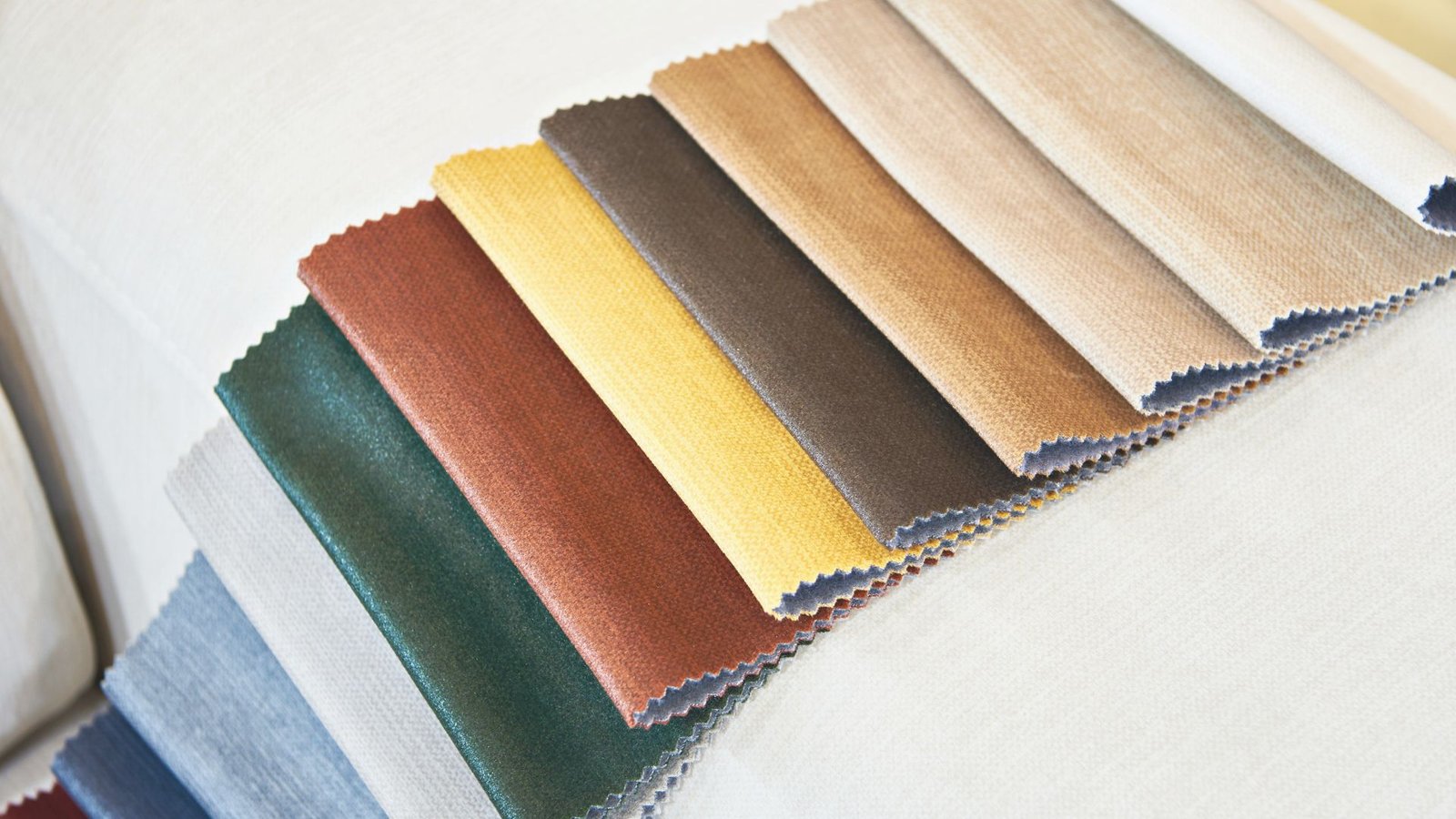
- Can I get a fabric swatch before ordering?
That last one sounds less exciting than GOLS latex, but if you are about to spend $4,000 on a couch, touch the fabric first.
What I'd Prioritize in an Affordable Non-Toxic Sofa or Couch
A fully natural sofa often runs $3,000 and up, so if that is out of range, you do not have to solve every layer at once. Prioritize in this order:
- A clearly disclosed frame, not mystery composite wood.
- Foam with credible testing like CertiPUR-US. It does not turn foam into latex, but it tells you what you are buying.
- PFAS-free upholstery, especially with kids or pets.
- Finished-product emissions testing like GREENGUARD Gold when it is available.
- Washable, replaceable, repairable parts, so the piece lasts instead of hitting the curb when a cover tears.
The piece you will actually use for years beats a stronger one you avoid sitting on. It has to work in your real life.
Frequently Asked Questions
Are IKEA couches non-toxic?
IKEA materials vary a lot from one model to the next, so there is no single answer. The STOCKHOLM 2025 Sundhamn Beige in this guide stands out because its cushioning uses natural latex and coconut coir and its main cover is cotton and linen. It also contains particleboard, fiberboard, plywood and some polyester, which is why it lands in Better, not Best.
Is CertiPUR-US foam non-toxic?
No. CertiPUR-US itself says certified foam should not be called "non-toxic" or "chemical-free." What it does tell you is that the flexible polyurethane foam met the program's requirements for content, durability and low VOC emissions. It does not certify the whole sofa.
Is natural latex better than polyurethane foam?
For a piece you keep for years, a well-documented natural latex cushion is usually what I prefer when the budget allows. Natural latex comes from rubber-tree sap rather than petroleum, and it makes a durable cushion. GOLS can add traceability. That said, the upholstery, frame, wool, adhesives and finishes still count.
What is a flame-retardant-free sofa?
It is a sofa the maker states was built without added chemical flame retardants. California's TB117-2013 standard can be met without added flame-retardant chemicals, and covered upholstered furniture manufactured and sold in California since 2015 carries a label indicating whether added flame-retardant chemicals are present. That label is one of the most useful things to check.
Are performance fabrics always made with PFAS?
No. PFAS have been used for stain and water resistance, but many brands now offer PFAS-free or fluorine-free treatments. Look for a clear statement rather than guessing from the words "performance" or "stain resistant."
Should I avoid all engineered wood?
No. What kind of engineered wood and how it is bonded counts more than rejecting all plywood. High-formaldehyde pressed wood and poorly disclosed MDF deserve scrutiny. Plywood made with formaldehyde-free or low-emission adhesives is a different story.
What does low-VOC sofa mean?
Low-VOC generally means lower emissions of volatile organic compounds, but the phrase by itself is not enough. Look for meaningful emissions testing such as GREENGUARD Gold, and check whether the certification covers the complete furniture piece or only a component.
The Bottom Line
If I were starting from scratch, I would first decide what piece I actually need, then how far I want to go with the materials. For the strongest natural build, look at natural latex, wool, cotton or hemp, simpler wood construction and clear certification. If that price is unrealistic, look for a Better piece with strong disclosure, PFAS-free fabric, tested foam, responsible wood and replaceable parts. And if you are buying mainstream, finished-product emissions testing like GREENGUARD Gold tells you something real that vague phrases like "eco-conscious" never will. The goal is simple: know what you are paying for, what is inside the piece, and where the tradeoffs are.