


Pregnancy brings plenty of practical questions. Can I keep using my skincare? What about hair color, drinking water, plastic containers, the air at home, or the clothes I’m wearing?
Here are the things I would pay attention to, why they deserve attention, and what you can do. Some changes are about reducing a meaningful exposure. Others simply make everyday life more comfortable while your body is changing. Both belong here.
Eat + drink
Start here
- Water: Check your water report and choose a filter only for the contaminants you need to reduce.
- Food: Wash produce, follow pregnancy food-safety guidance and choose lower-mercury fish.
- Plastics: Reheat food in glass or suitable ceramic instead of disposable takeout containers.
Your drinking water
Most of us have no idea what is in our tap water. The good news is that you can check before spending money on a filter.
- Public water? Find your local annual water report using the EPA’s lookup. Search by state and water system. It shows what your supplier tested.
- Concerned about lead, or living in an older home? The city report cannot tell you what your own pipes and faucets may add. Find a state-certified drinking-water lab and request a test for lead. Ask your utility whether it offers a testing kit.
- Have a private well? Have it tested at least once a year for bacteria and nitrates, along with other local concerns. CDC explains what to test.
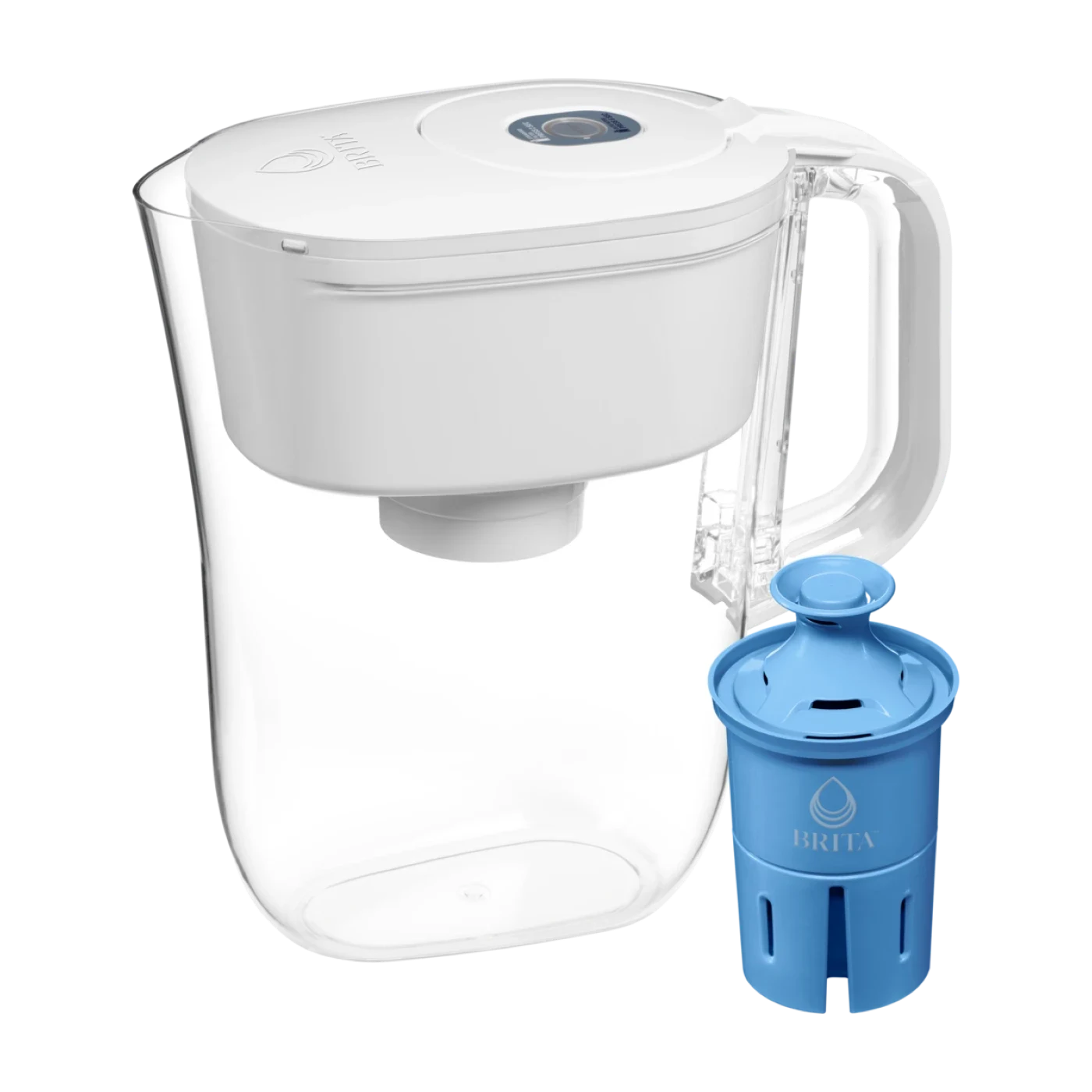
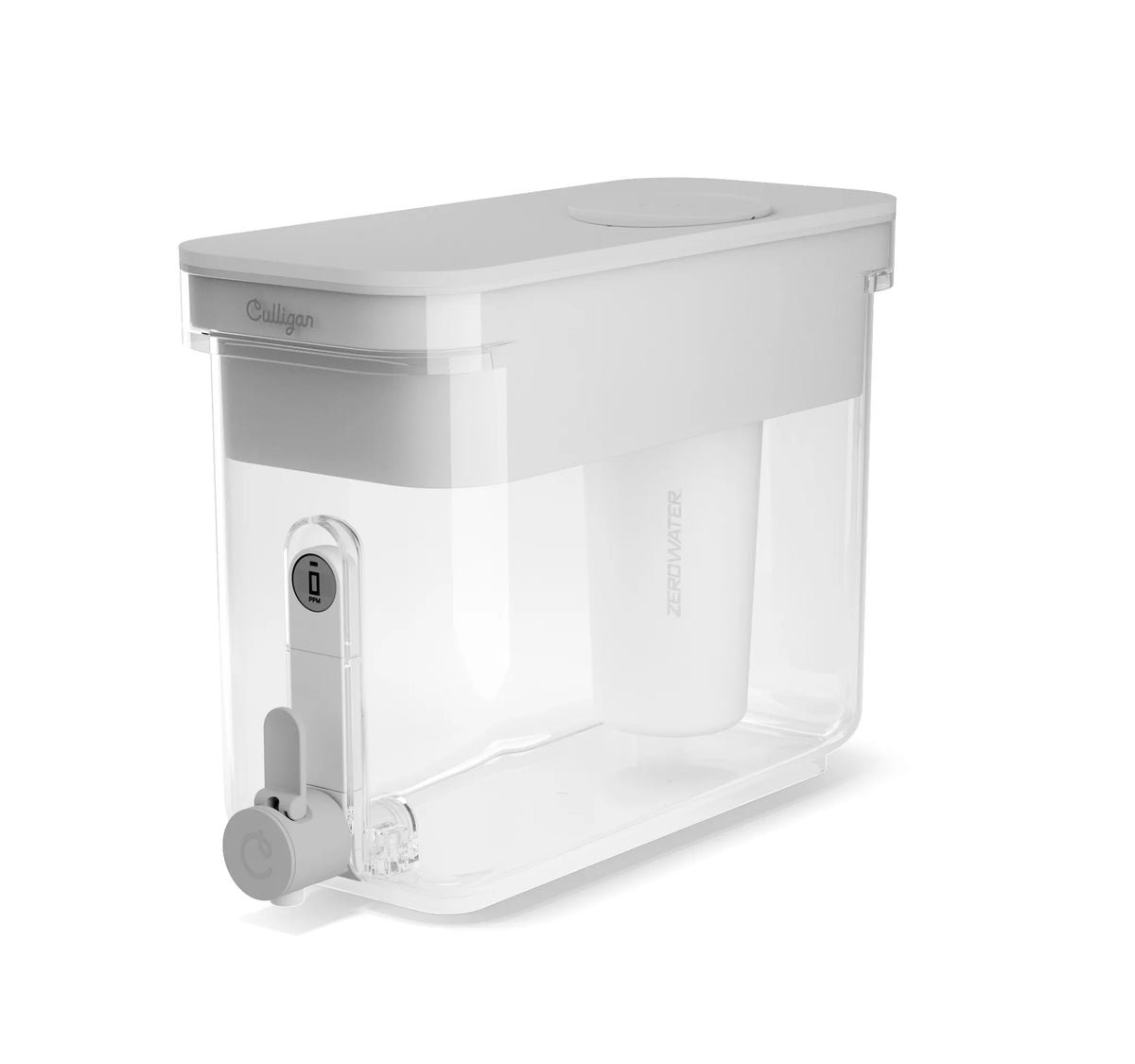
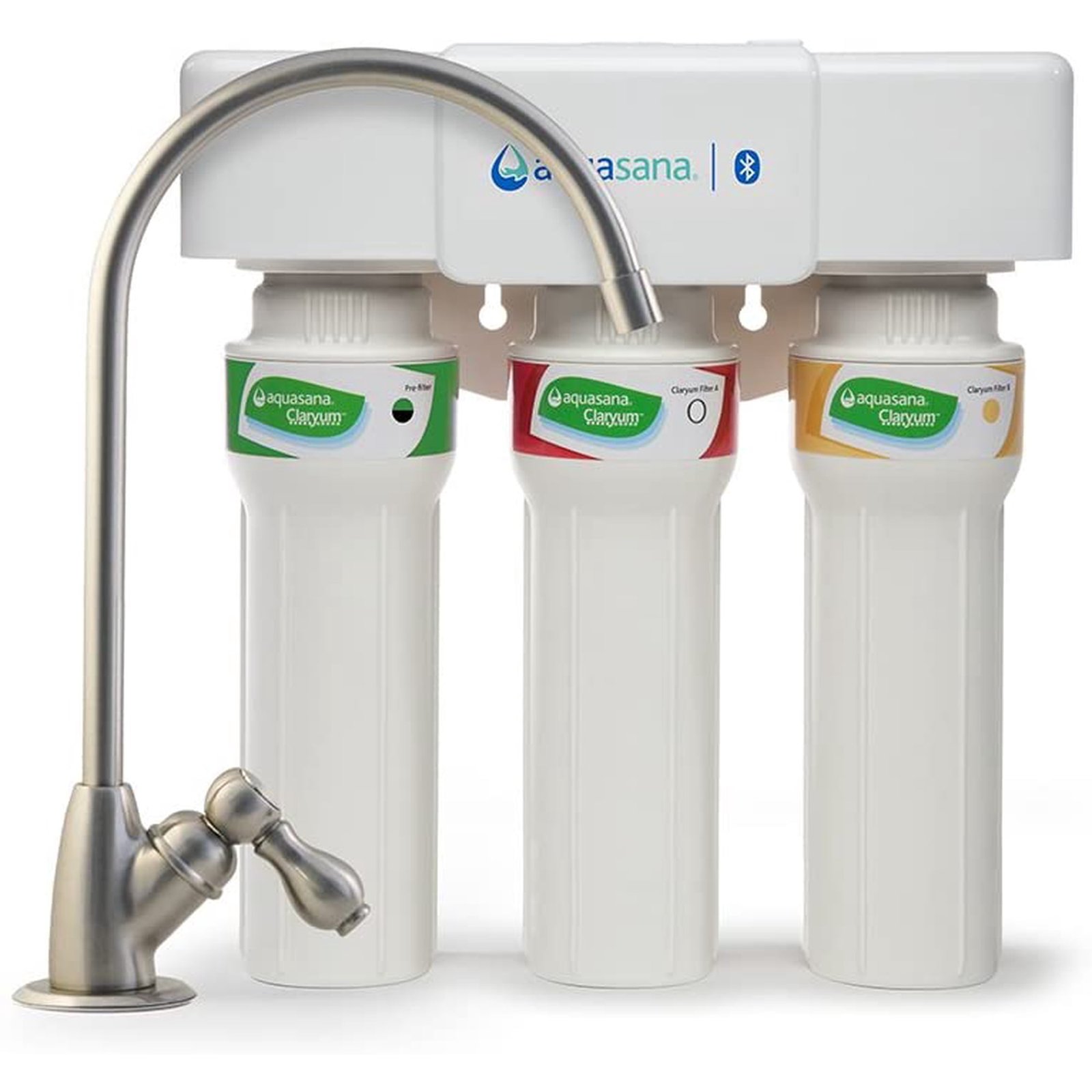
Then choose a filter for what your results show. For lead, PFAS or other contaminants, check the exact substances the model is certified to reduce. NSF/ANSI 53 and 58 are testing standards, not promises that every filter removes everything. Follow cartridge replacement dates. No need to buy a complicated system when your water does not call for it.
Water filter picks
Food, produce and mercury
There is plenty you can keep eating during pregnancy. A few food habits are worth knowing, especially when you’re buying fish or eating foods that can carry harmful bacteria.
- Produce: Rinse it under running water and scrub firmer items. Skip produce soap. Organic may lower some pesticide residues, but you can still enjoy conventional fruits and vegetables.
- Fish: Aim for about 8 to 12 ounces a week of lower-mercury choices such as salmon, sardines, trout, shrimp or canned light tuna. Avoid swordfish, shark, king mackerel and bigeye tuna. Cooking does not remove mercury.
- Food safety: Cook meat, seafood and eggs thoroughly, choose pasteurized dairy, and heat deli meat until steaming hot (165°F). Avoid unheated queso fresco-type cheese, even when made with pasteurized milk.
For an easy fish reference, keep the FDA’s pregnancy fish chart handy. It is much easier than memorizing a long list.
Plastic, food storage and heat
You do not need to throw away every plastic container. Start with how you use the ones you already have.
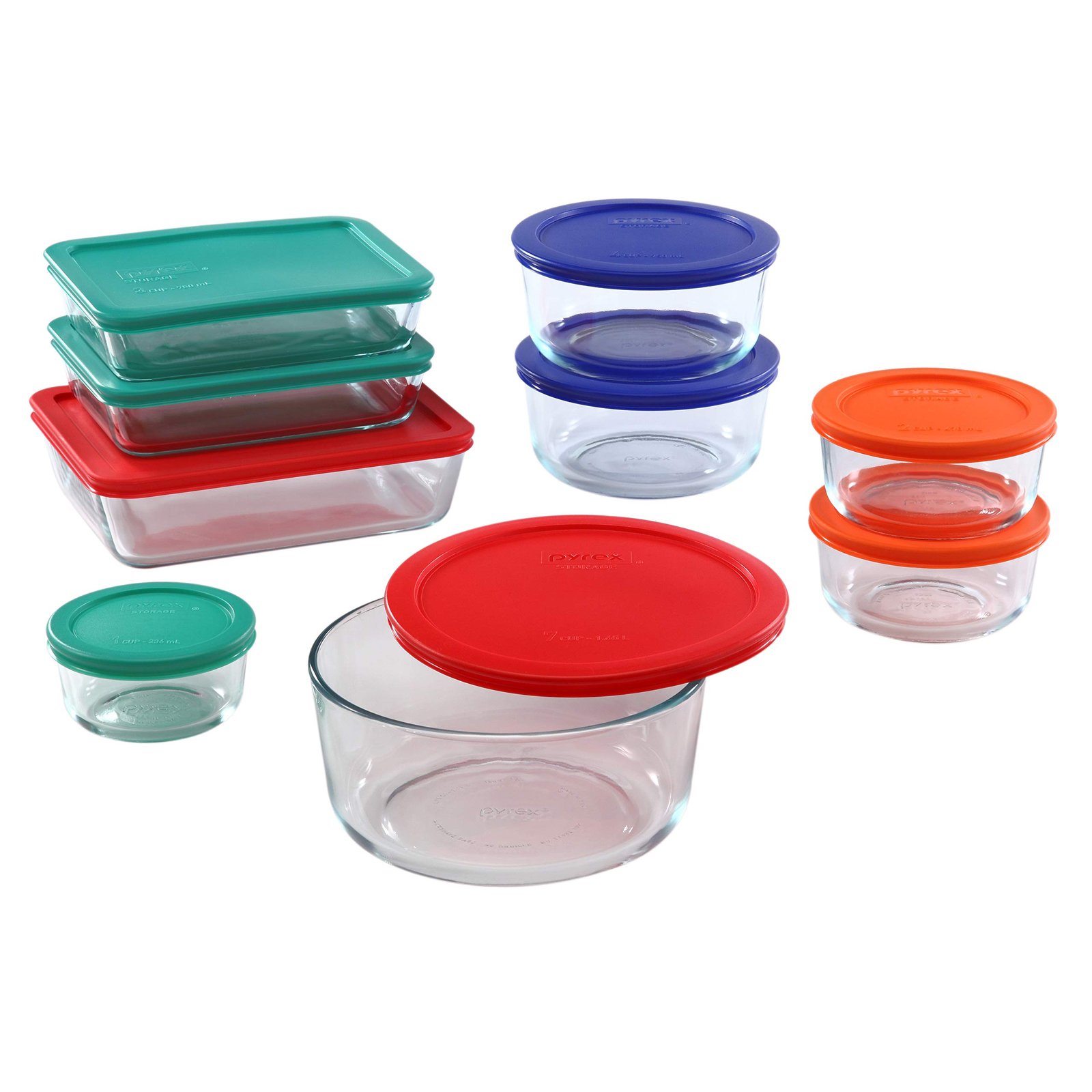
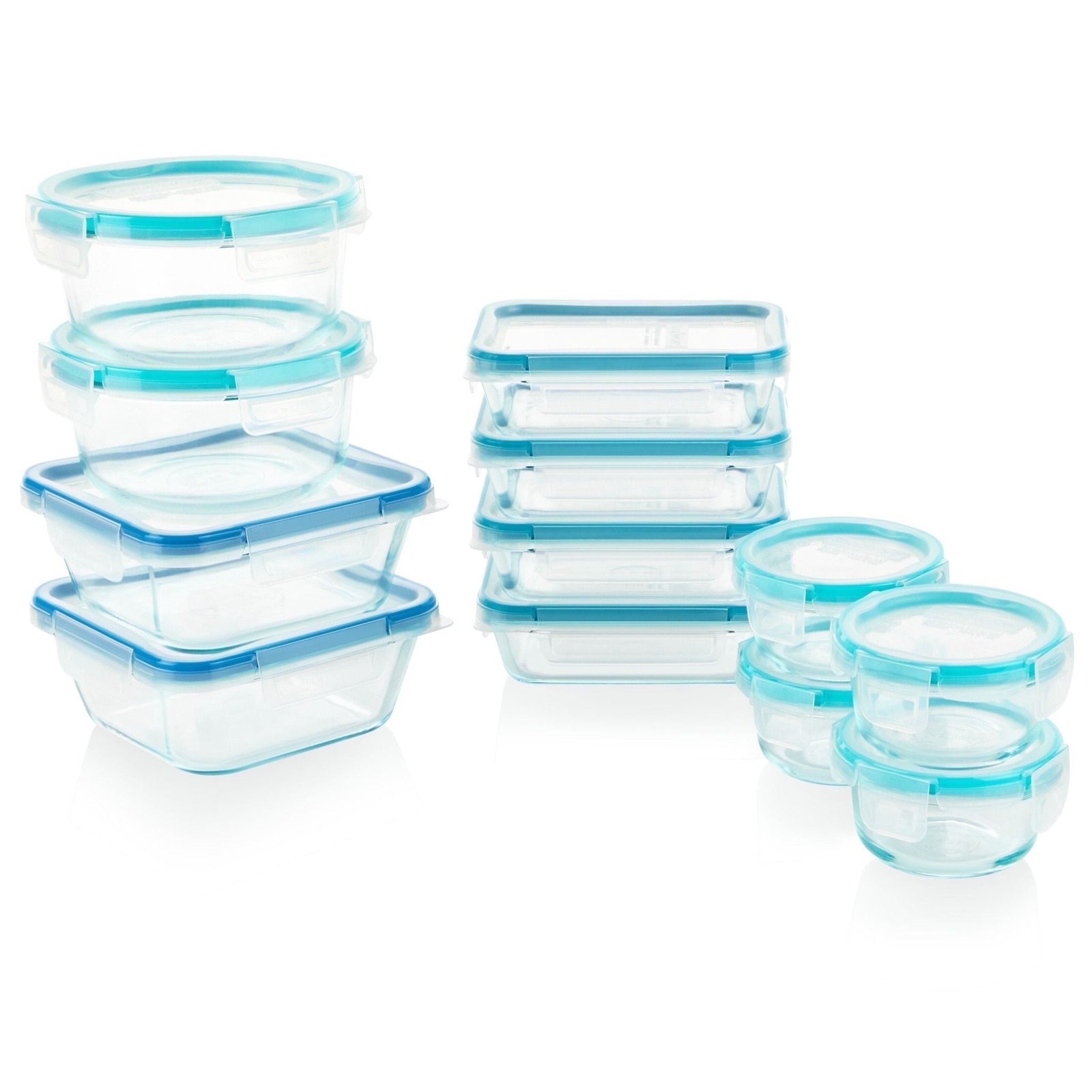
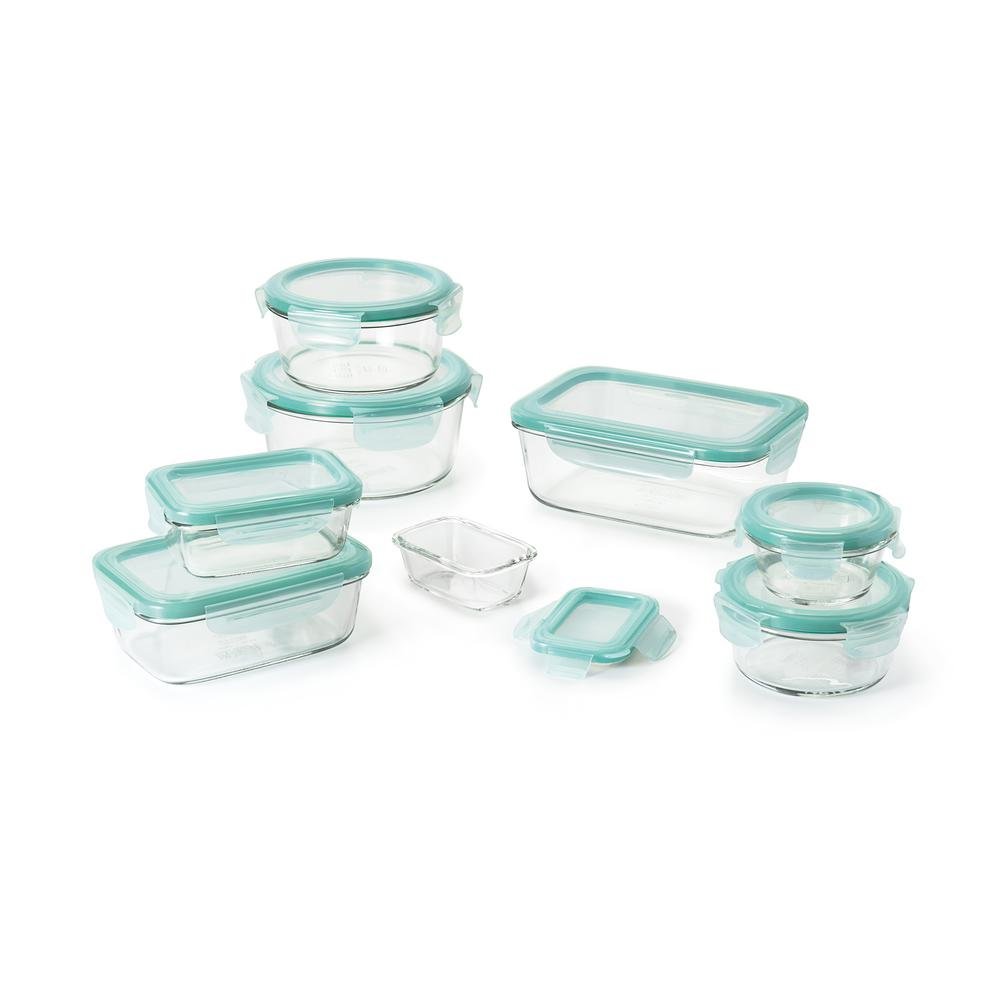
- When reheating: Move food from plastic takeout boxes into glass or a microwave-safe ceramic dish.
- For leftovers: Glass or stainless steel is useful if you are replacing containers anyway. Take plastic lids off for oven use and follow each product’s microwave instructions.
- Why the concern? Some food packaging contains bisphenols, phthalates or certain grease-resistant treatments. Heat and the type of material can affect what transfers into food.
Researchers have found microplastics in placental tissue, but that does not tell us that an occasional plastic container causes a pregnancy problem. Avoiding unnecessary heat and plastic contact is a sensible habit without turning the kitchen upside down.
Glass food storage picks
What goes on your body
Start here
- Skincare: Skip retinoids; look at pregnancy-compatible acne options and sunscreen you’ll use.
- Hair + nails: Pay closer attention to heated smoothing treatments, salon fumes and nail-product ingredients.
- Clothing: Choose comfortable, breathable fabrics and recognize what GOTS and OEKO-TEX labels tell you.
Skincare: ingredients worth recognizing
You can keep a simple skincare routine while pregnant. You just need to know which ingredients are worth putting aside for now.
- Skip retinoids. That includes retinol, retinal, tretinoin and adapalene on skincare labels. Prescription oral isotretinoin has a well-established risk of birth defects. Topical products are absorbed much less, but pregnancy guidance still recommends avoiding them.
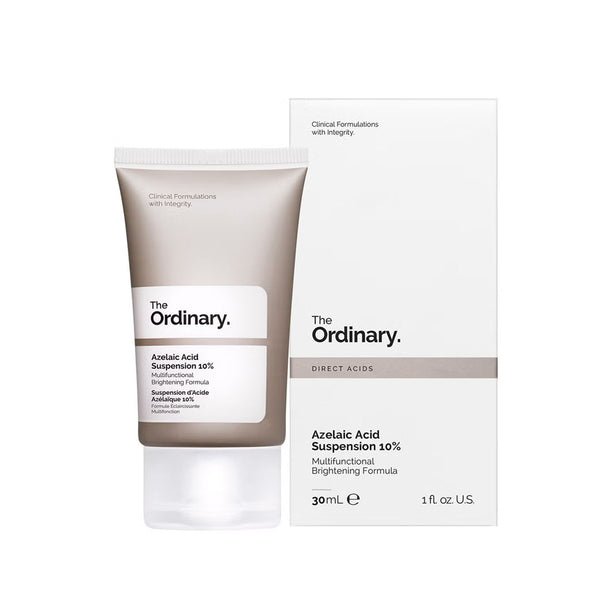
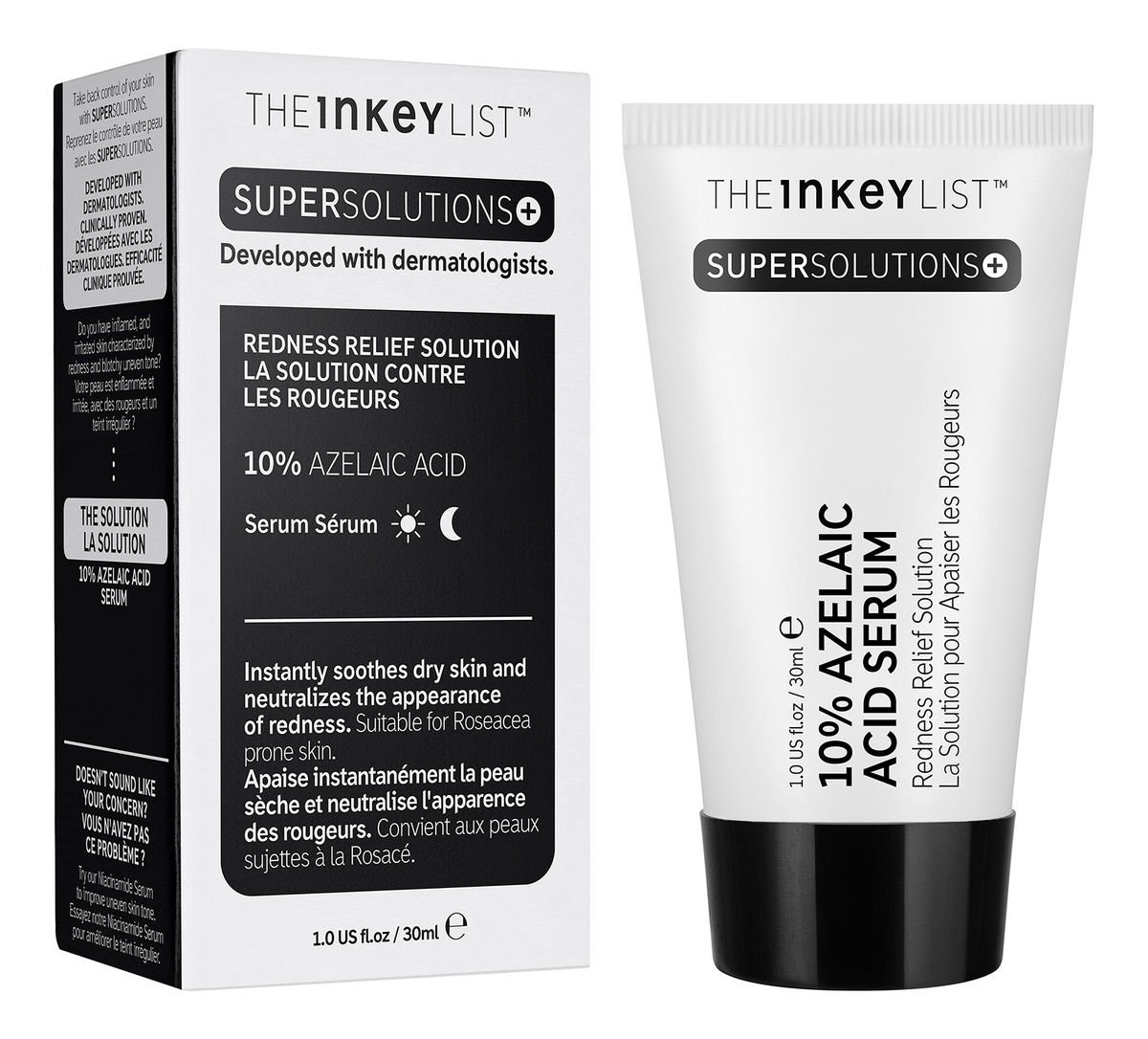
- For breakouts or dark spots: Azelaic acid is one option commonly considered during pregnancy. No need for a complicated new routine.
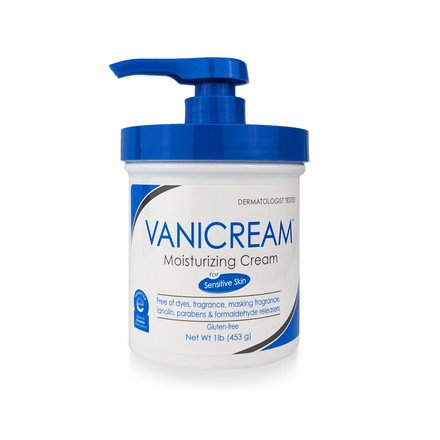
- For dry or sensitive skin: A plain fragrance-free moisturizer may be plenty, especially if your usual products suddenly feel irritating.
I would put the fancy multitasking products on hold before giving up a moisturizer or sunscreen you love.
Simple skincare picks
Sunscreen
Pregnancy hormones can bring on melasma, those darker patches that sometimes appear on your face. Sun protection is one of the most useful things you can keep doing.
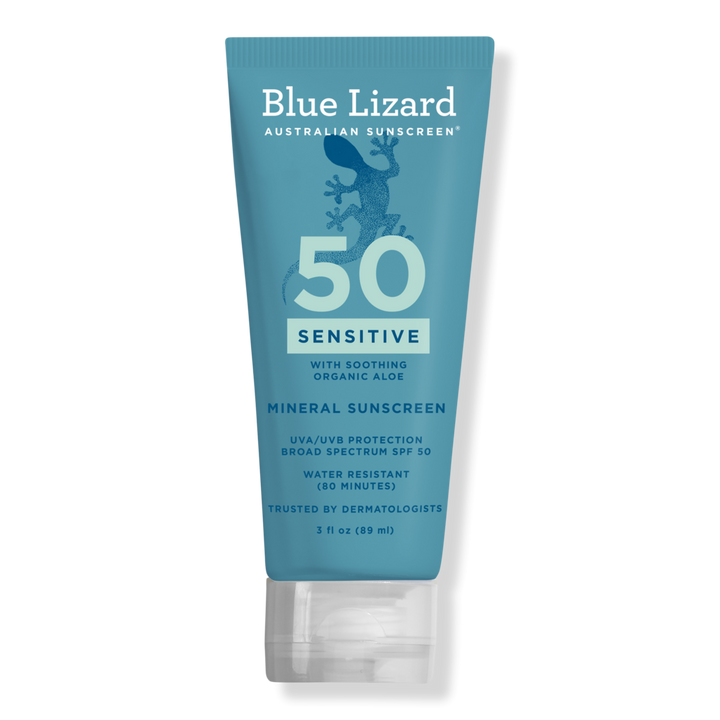
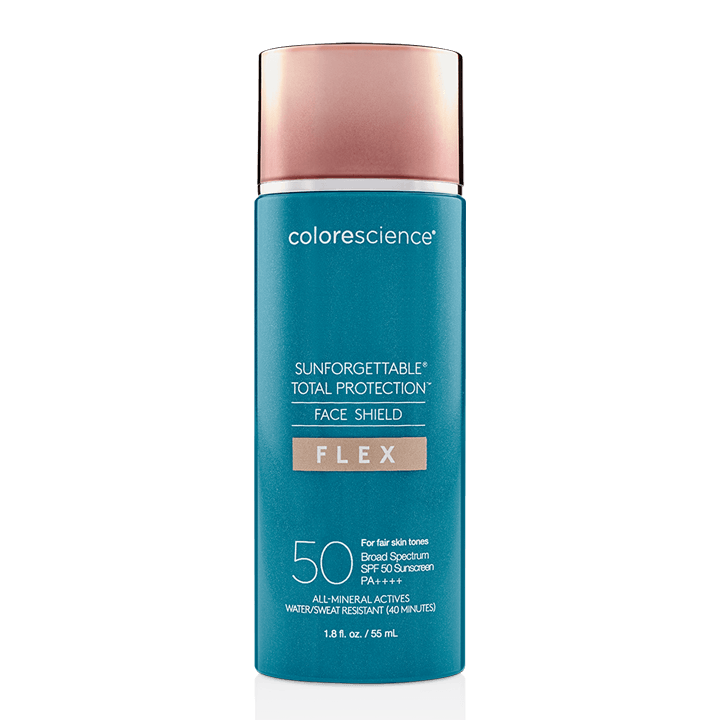
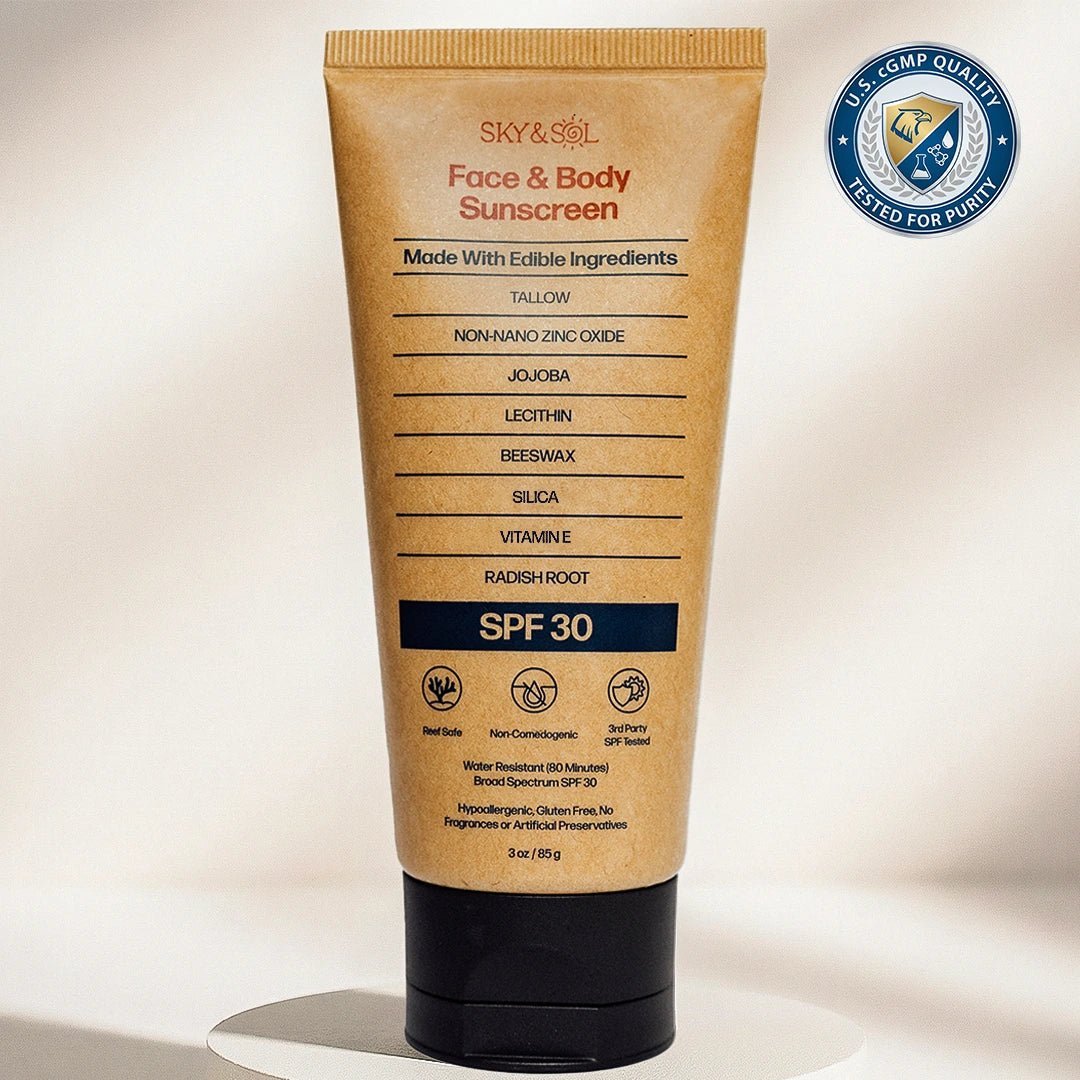
- Look for: Broad-spectrum SPF 30 or higher. Mineral options use zinc oxide or titanium dioxide.
- Do what works: A hat, shade and enough sunscreen to cover your skin make a real difference. Reapply when you are outdoors.
- A little tradeoff: Some mineral lotions leave a white cast, especially on deeper skin tones. Choose one you will want to use.
Mineral sunscreen picks
Makeup and fragrance
You do not need to start over with your makeup bag. I would pay more attention to the products you wear every day and anything with a strong smell that bothers you.
- Long-wear makeup: If you want to avoid intentionally added PFAS, look for PTFE or ingredients starting with “perfluoro” or “polyfluoro.” These are names worth recognizing on an ingredient list.
- Perfume and scented products: If they make you feel queasy or give you a headache, go for fragrance-free versions. “Unscented” can still include ingredients added to mask smells.
Hair color, keratin treatments and sprays
Thinking about your next salon appointment? Hair color and heat-activated smoothing treatments are two different conversations.
- Hair color: Occasional coloring has not been shown to cause a meaningful increase in birth defects when used as directed. Highlights that stay off the scalp and good salon ventilation can reduce direct contact and fumes. The dye ingredient PPD may cause allergies, so don’t ignore a history of reactions.
- Keratin or Brazilian smoothing: Some formulas release formaldehyde when heated. Watch for formaldehyde, formalin or methylene glycol. Products using glyoxylic acid have also raised concerns after reports of kidney injury. I would skip heated chemical smoothing treatments during pregnancy.
- Hairspray: If you use it often, a pump spray and an airy room can mean less mist in your face.
And “formaldehyde-free” or “ammonia-free” on the front of a box is not the whole ingredient story.
Nails
An occasional manicure is very different from working around nail products every day. Here is what I would pay attention to:
- Regular polish: You may see DBP (dibutyl phthalate), toluene, formaldehyde, formaldehyde resin or TPHP on ingredient lists. They have different jobs, from keeping polish flexible to helping it dry or harden. “10-free” only helps if the brand tells you which ingredients are excluded.
- Gel, dip or acrylic: These add nail glues, acrylates, filing dust and removal solvents. Skin contact and salon ventilation deserve attention.
- Keep it easy: Regular polish in a ventilated space, or just bare nails for a while, is a perfectly reasonable choice.
Clothes, underwear and the fabrics against your skin
Sometimes what feels better on your body is simpler than a big new maternity wardrobe. Start with the fabrics and fits you spend the most hours in.
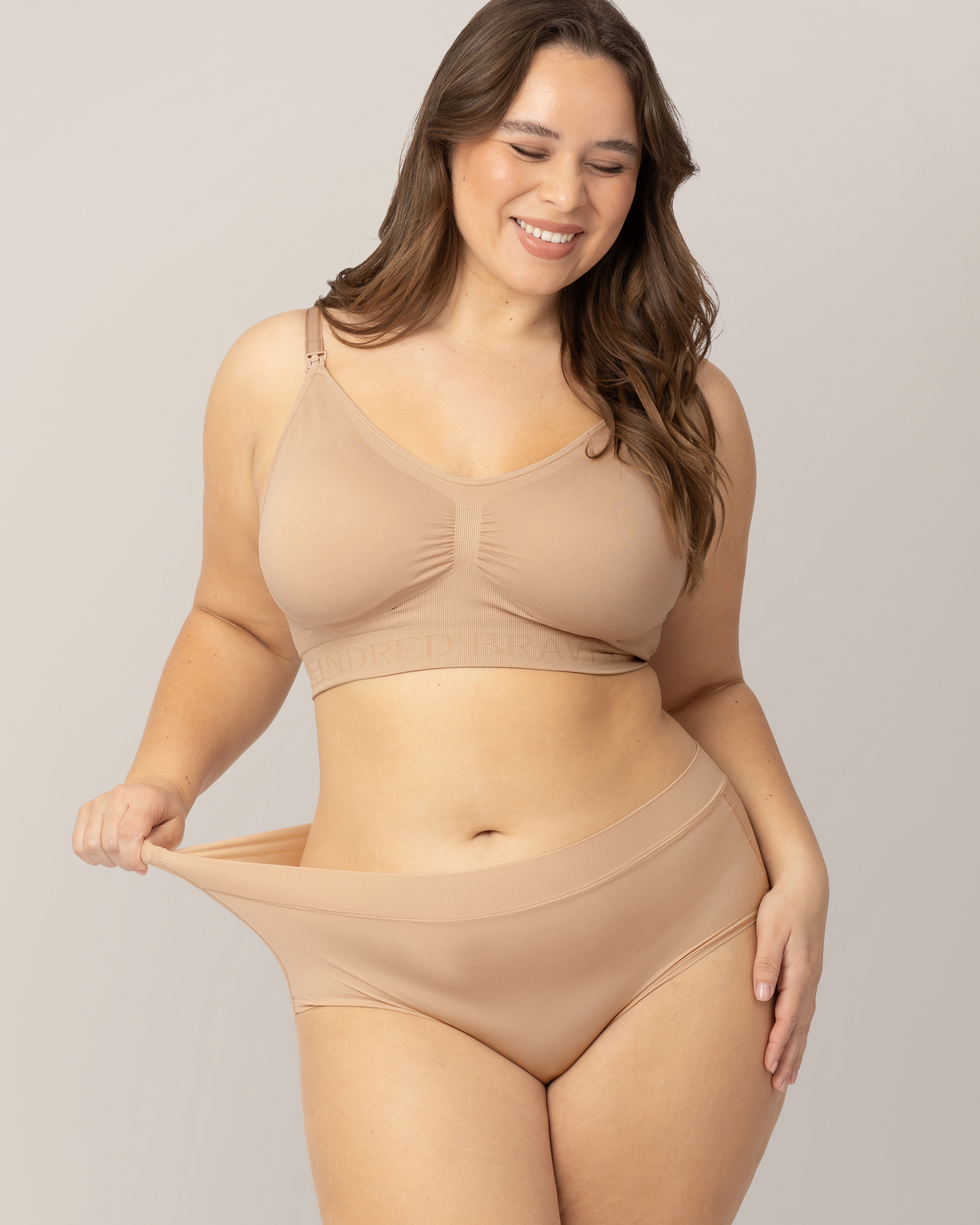
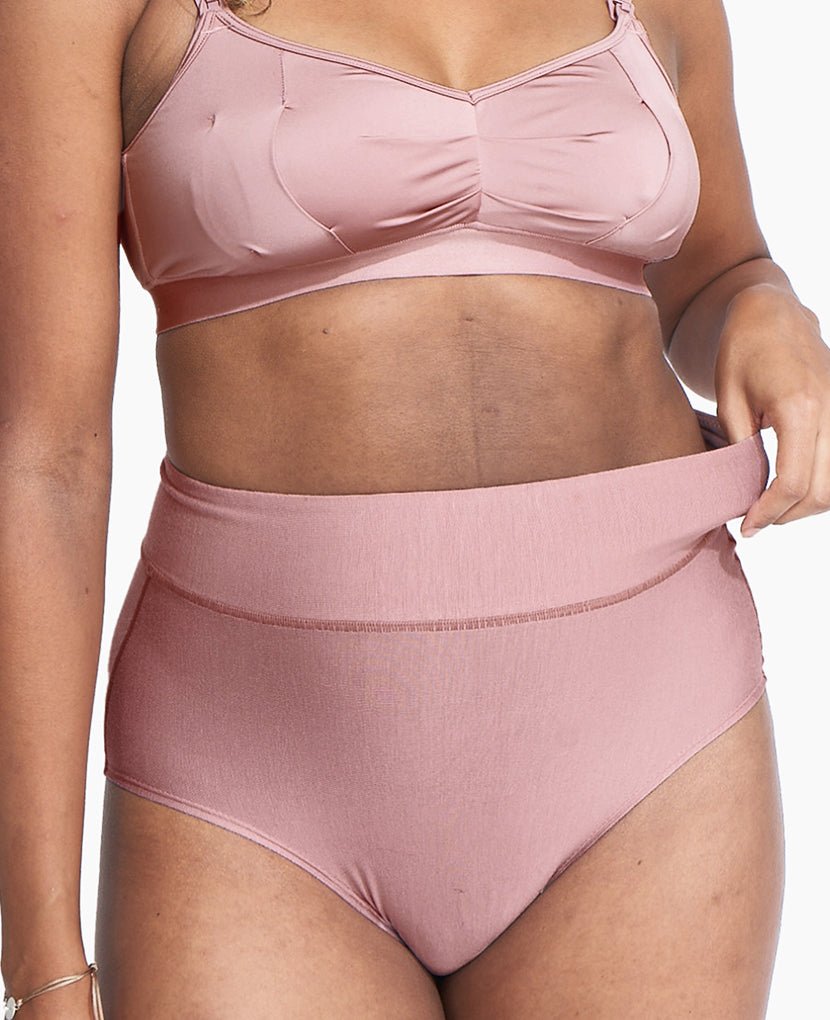
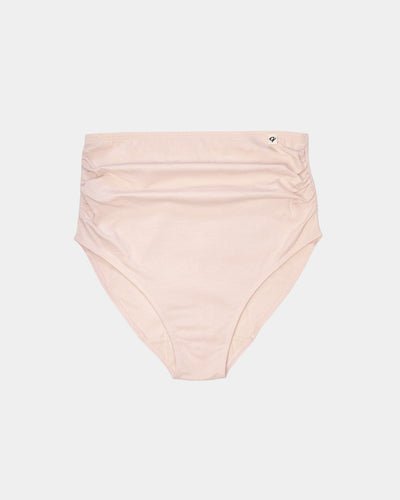
- Against your skin: Cotton and linen can feel lovely, particularly for underwear and sleepwear. Stretch in a waistband is fine if it keeps you comfortable.
- Finishes: Some wrinkle-resistant fabrics use formaldehyde-based treatments, and certain water- or stain-resistant finishes may use PFAS. That doesn’t mean every treated fabric contains them.
- Labels that help: GOTS covers organic textile production and processing. OEKO-TEX STANDARD 100 tests a specific textile item for selected harmful substances. Check the exact product, rather than assuming a label covers everything a brand sells.
For a deeper explanation, see Aalign’s guide to labels and certifications.
Maternity underwear picks
For a wardrobe you may only wear a few months
Borrowing a few pieces, choosing clothes that adjust with you or renting for an occasion can spare you a closet full of barely worn maternity outfits. Nuuly’s maternity selection is one option if you like variety. Fabric choices and cleaning differ by garment, so choose what you will genuinely wear.
What you breathe + live around
Start here
- Daily habits: Ventilate cooking, reduce unnecessary scented sprays and wet dust.
- Products: Choose fragrance-free laundry and cleaning products when restocking.
- Home concerns: Fix leaks and investigate water damage before relying on an air purifier.
Cleaning, disinfecting and laundry
For most daily messes, soap or a regular cleaner does the job. You only need a disinfectant when you are trying to kill particular germs, and then its contact-time instructions count.
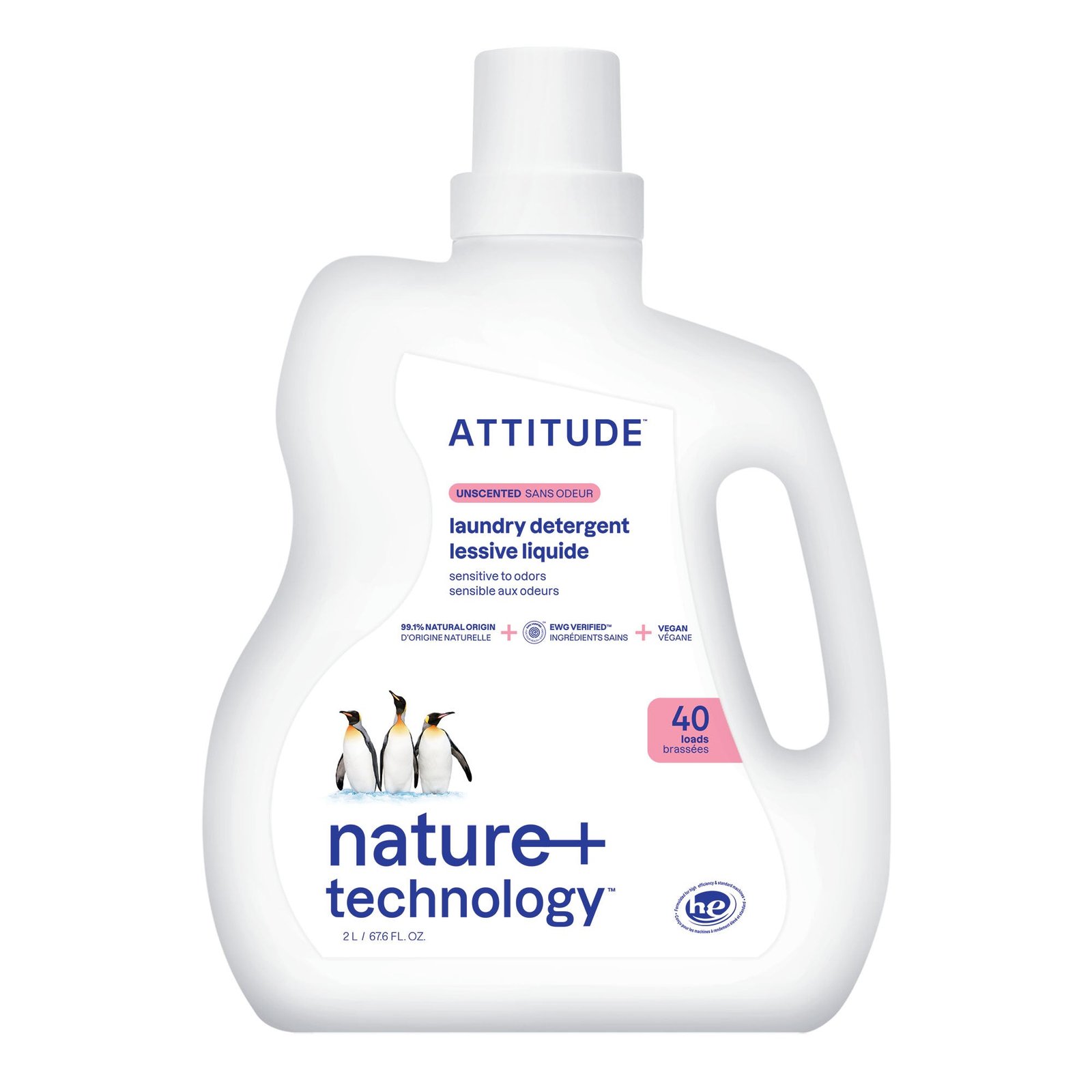
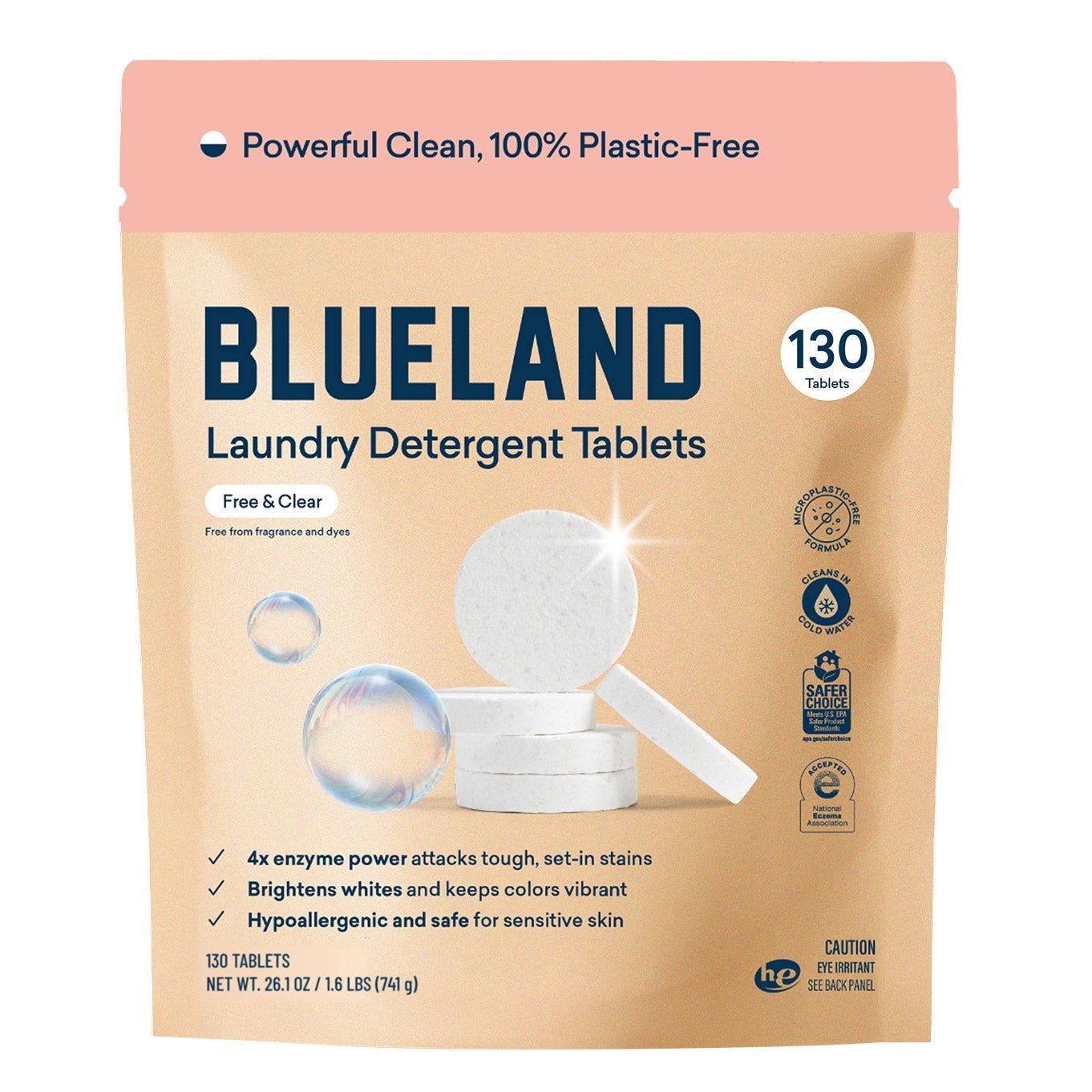
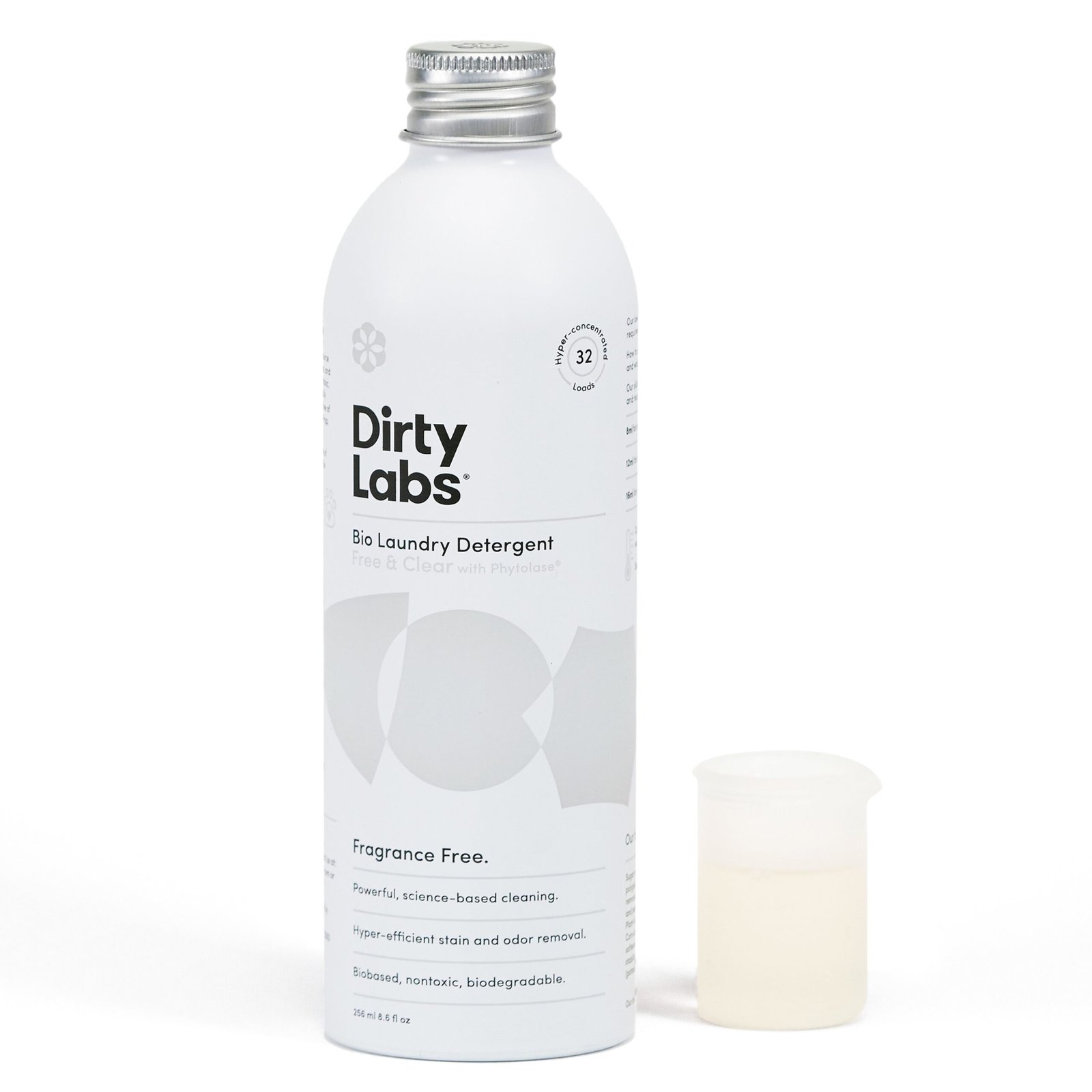
- Laundry: Skip scent beads and heavily perfumed softeners if they make you feel unwell. Fragrance-free detergent is a useful switch when you’re restocking.
- Everyday cleaning: A fragrance-free concentrate can handle routine surfaces. You don’t need to spray disinfectant all over the house.
- When disinfecting is needed: Follow the product label. Some disinfectants use quats, such as benzalkonium chloride. More spray is not automatically better.
Fragrance-free laundry picks
Branch Basics The Concentrate: existing Aalign Best for routine cleaning where appropriate. It is not an EPA-registered disinfectant.
Force of Nature Starter Kit: existing Aalign Best for a specific disinfection need, not a reason to disinfect everything during pregnancy.
Cooking fumes and indoor air
Even cooking on an electric stove creates particles from food and oil. Gas burners add combustion gases, including nitrogen dioxide.
- While cooking: Use a range hood that vents outside, especially when frying or using gas. Back burners can help the hood capture more fumes.
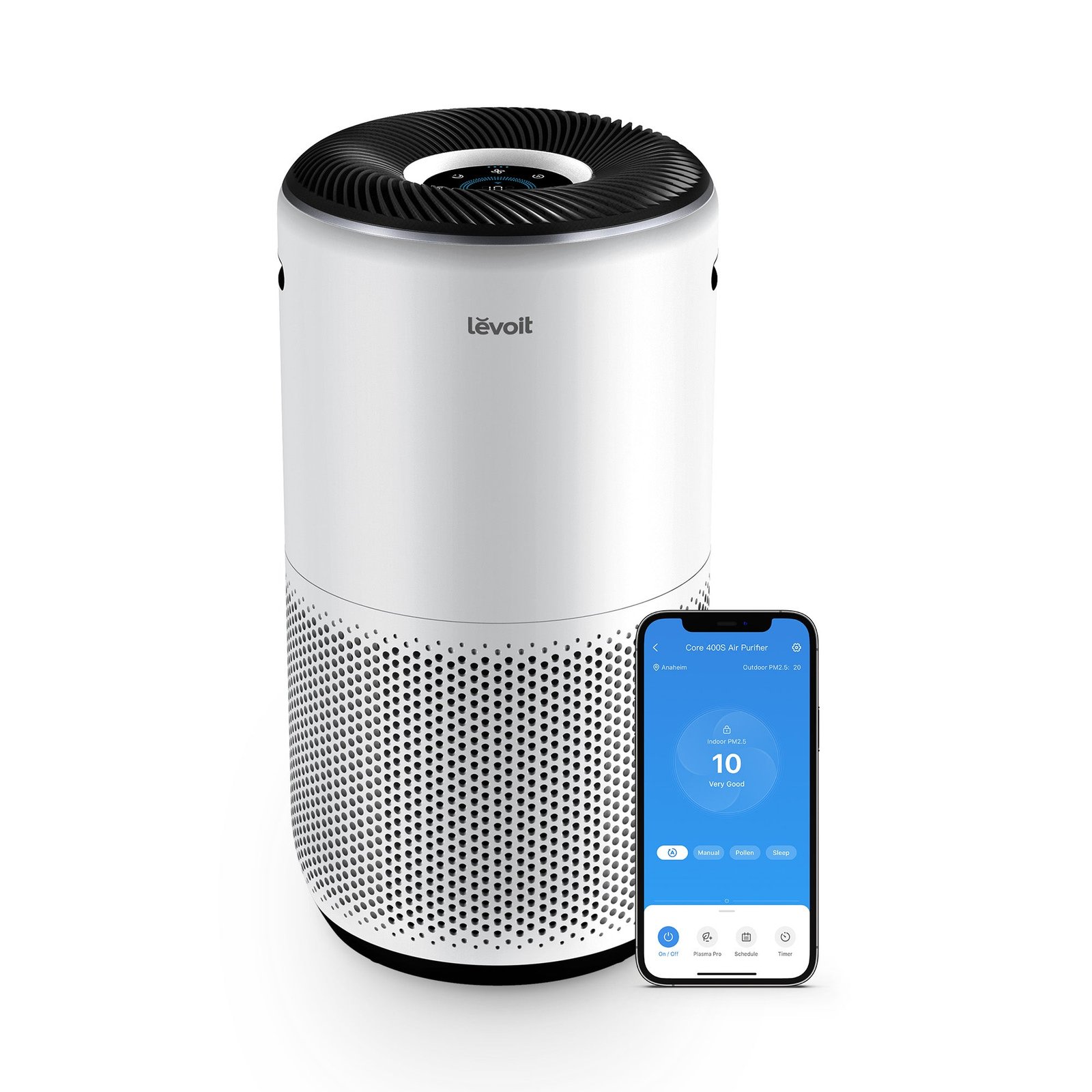
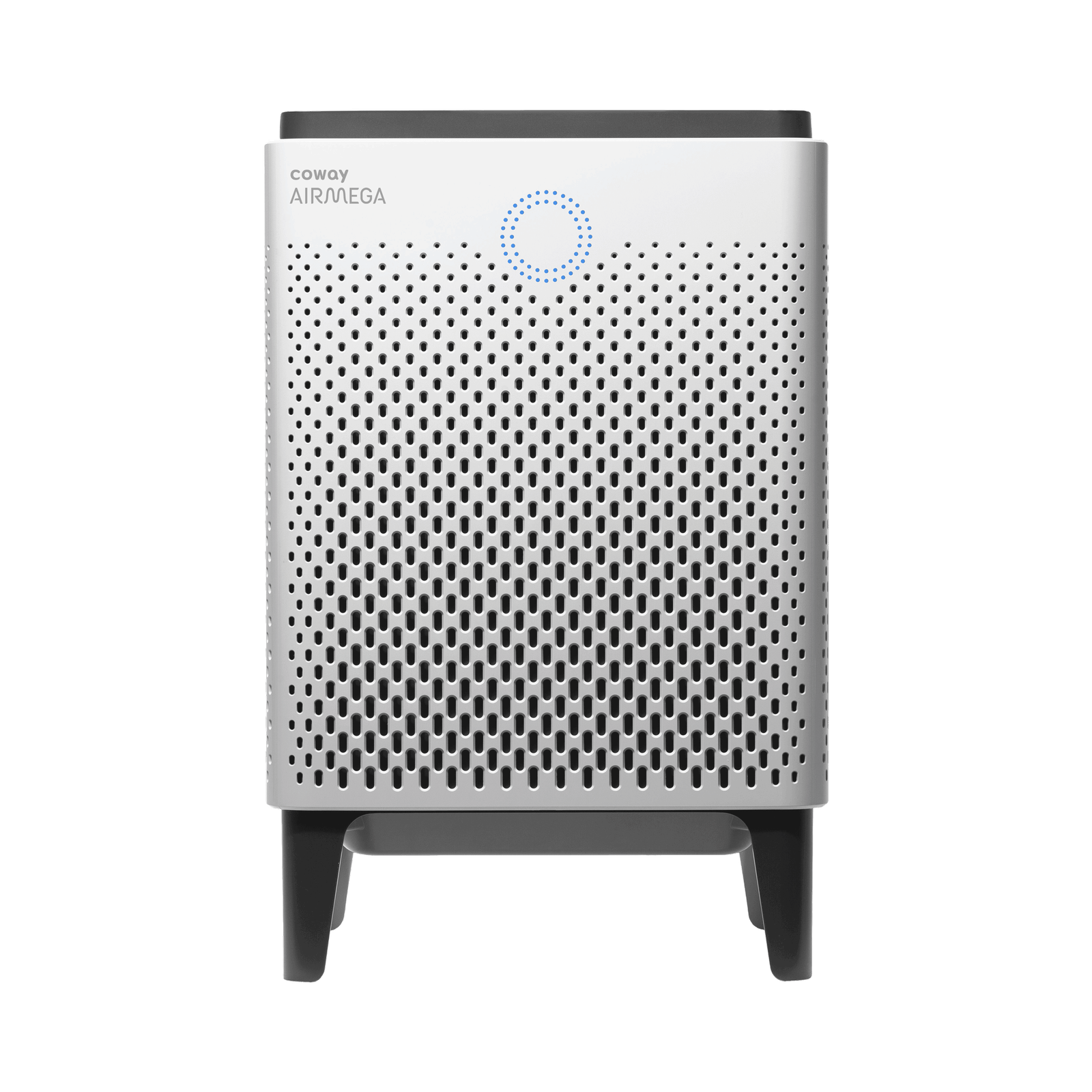
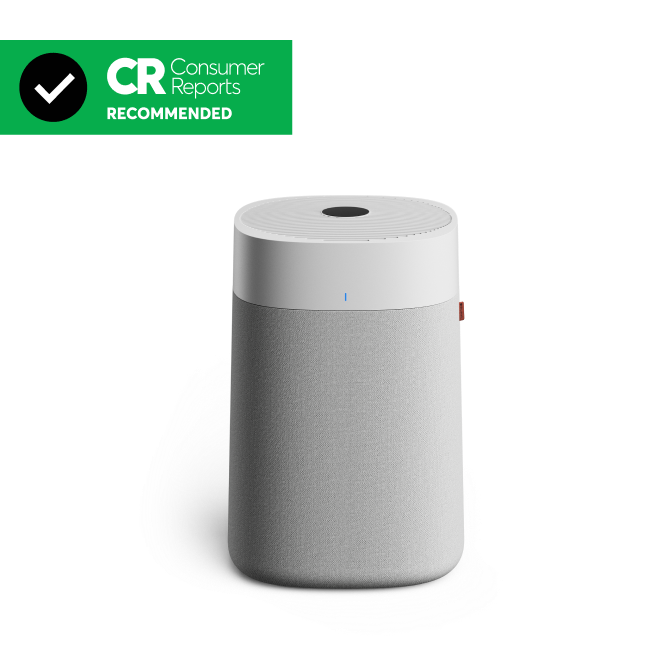
- If the air is dusty or smoky: A correctly sized HEPA purifier may help capture particles. Look at its CADR, a number describing how quickly it filters air.
- For fumes or chemical gases: A basic particle filter is not enough. Source control, ventilation and substantial gas-filtering material are different considerations.
I would deal with whatever is creating the fumes first, before buying another appliance.
Air purifier picks for particles
Dust, water damage, paint and furniture
A few ordinary home habits can lower exposures without turning your house into a renovation project.
- Dust: Wipe with a damp cloth, use a well-sealed HEPA vacuum and consider taking shoes off at the door.
- Leaks or mold: Fix the moisture source. A purifier will not fix a wet wall or hidden mold.
- Painting or renovating: Avoid sanding or demolition dust, especially if old paint could contain lead. Good containment and appropriate professional work are more useful than an open window alone.
- Buying furniture or a mattress anyway? Look at the materials, finishes and exact testing claims. GREENGUARD Gold covers certain product emissions; CertiPUR-US addresses specific polyurethane foam properties, not a whole sofa.
I would still choose the piece that fits your room, feels comfortable and will hold up. The material story and the design should work together.
Sleep + bedroom
Start here
- Temperature: Shade sunny windows, use a fan and try lighter bedding before buying a new mattress.
- Support: Use pillows for your bump, hips and knees; after 28 weeks, aim to fall asleep on either side.
- Atmosphere: Make room for comfortable light, textures and a space that feels good to rest in.
Sleeping hot
If you are suddenly waking up too warm, first look at the room. Afternoon sun through the windows, heavy bedding and pregnancy-related changes can all play a part.
- Try first: Block strong afternoon sunlight before the room heats up. Use a fan and remove a heavy bedding layer.
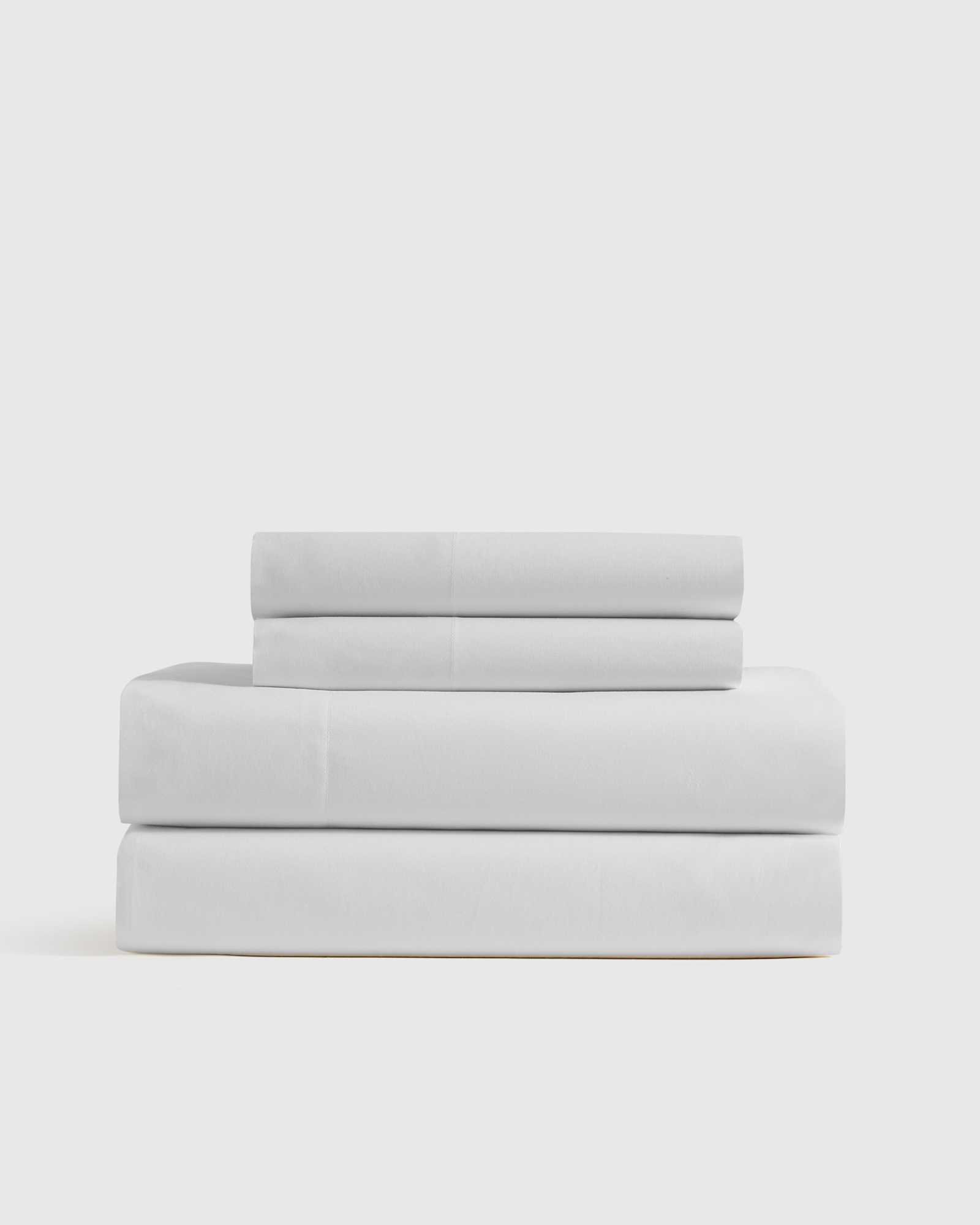
- When buying sheets: Cotton percale, linen and light muslin are options worth feeling in person. Weave and weight tell you more than a “cooling” label.

Breathable sheet picks


Naturepedic Breathable Organic Cotton Muslin Blanket: existing Best. A lighter layer for adult sleep. Loose adult bedding should never be assumed suitable for an infant sleep space.
Positioning and support
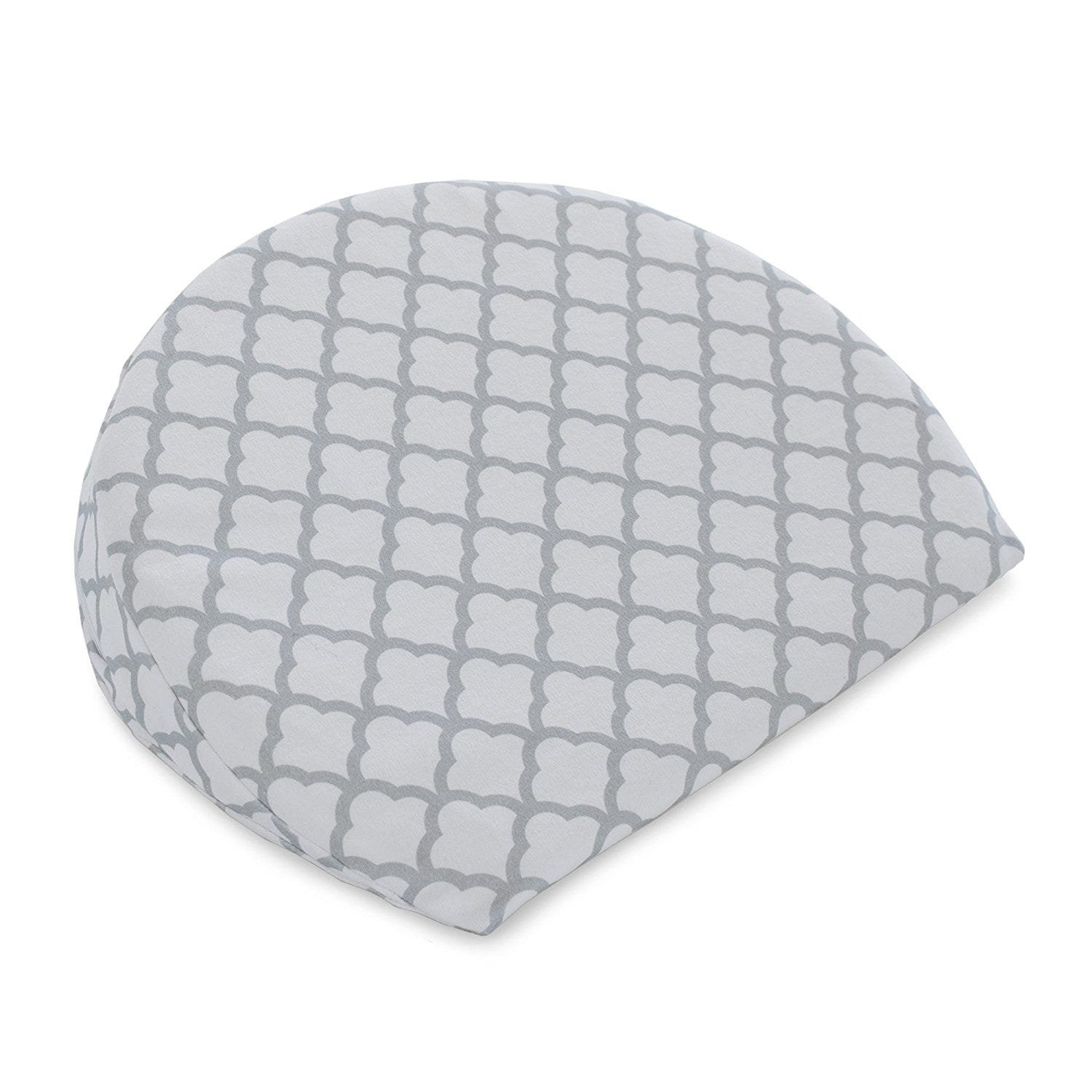
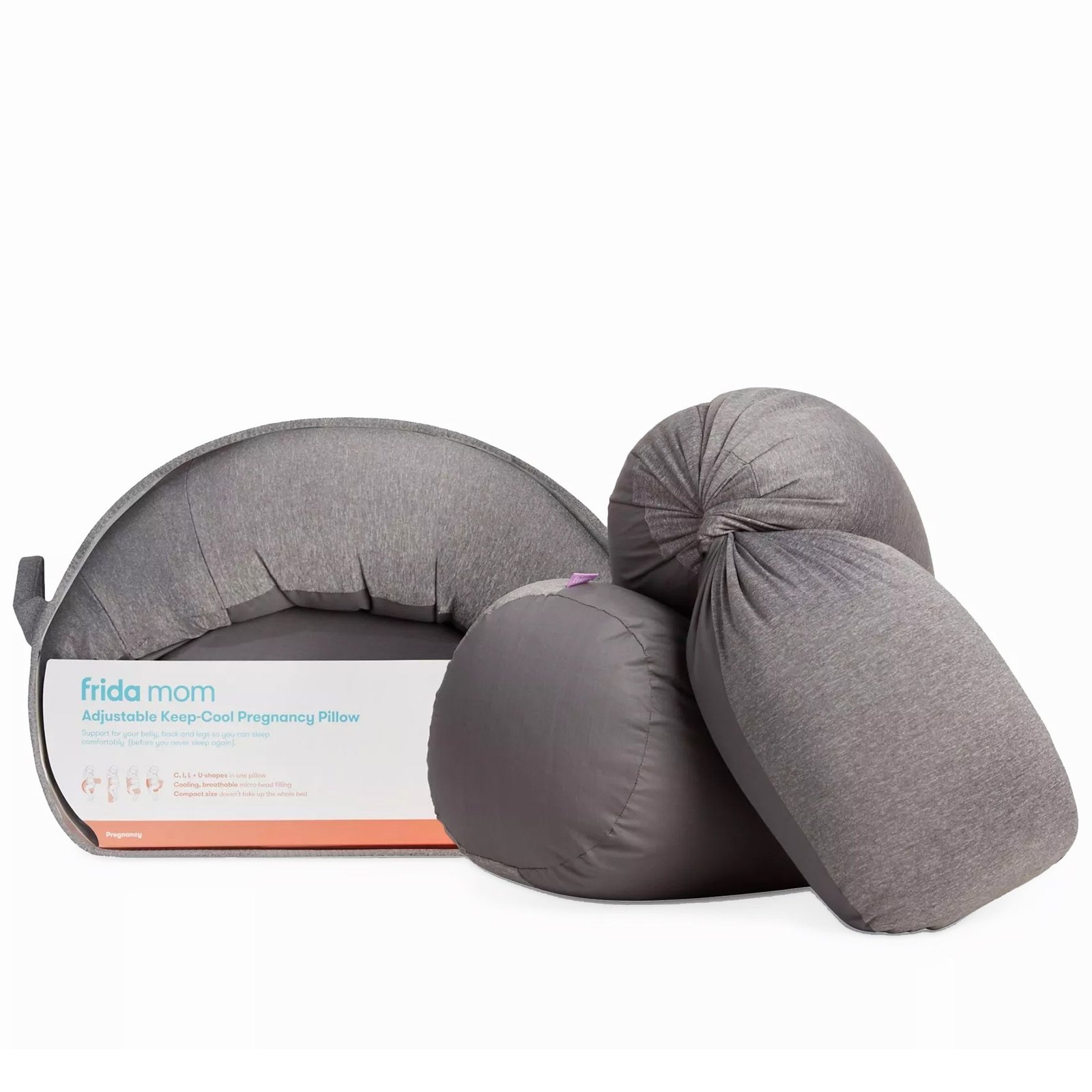
Good pillows can make a surprising difference. Try one between your knees or under your bump before buying a giant pregnancy pillow.
After 28 weeks, aim to fall asleep on either side. If you wake on your back, just turn over again. You haven’t ruined your night’s sleep.
Pregnancy pillow picks

Room comfort, light and nature
A softer lamp for nighttime trips to the bathroom, daylight in the morning, a comfortable chair or a view you love can make the room feel easier to spend time in.
I love texture, plants and little things that make a space feel like yours. They do not have to promise some dramatic health result to be worthwhile.
Work + outdoors
Start here
- At work: Find out exactly which solvents, pesticides or dusts you are regularly around.
- Outside: Use effective mosquito and tick protection when needed.
- Comfort: Move during long periods of sitting or standing; unusual one-sided swelling needs attention.
The exposures that follow you to work
If you work with salon chemicals, solvents, pesticides, lab supplies or renovation dust, your daily exposure may be very different from someone using those products once in a while.
- Find out what you’re using: Ask for the Safety Data Sheet (SDS). It identifies chemical hazards and precautions.
- Ask about the job, not just the product: Better ventilation, changing certain tasks and the right protective equipment are more useful than a generic dust mask, which does not stop solvent vapors.
- At home too: Follow pesticide re-entry instructions and avoid handling mystery sanding or demolition dust.
Mosquitoes and ticks
If mosquitoes or ticks are a concern where you live or travel, don’t skip protection because you’re pregnant.
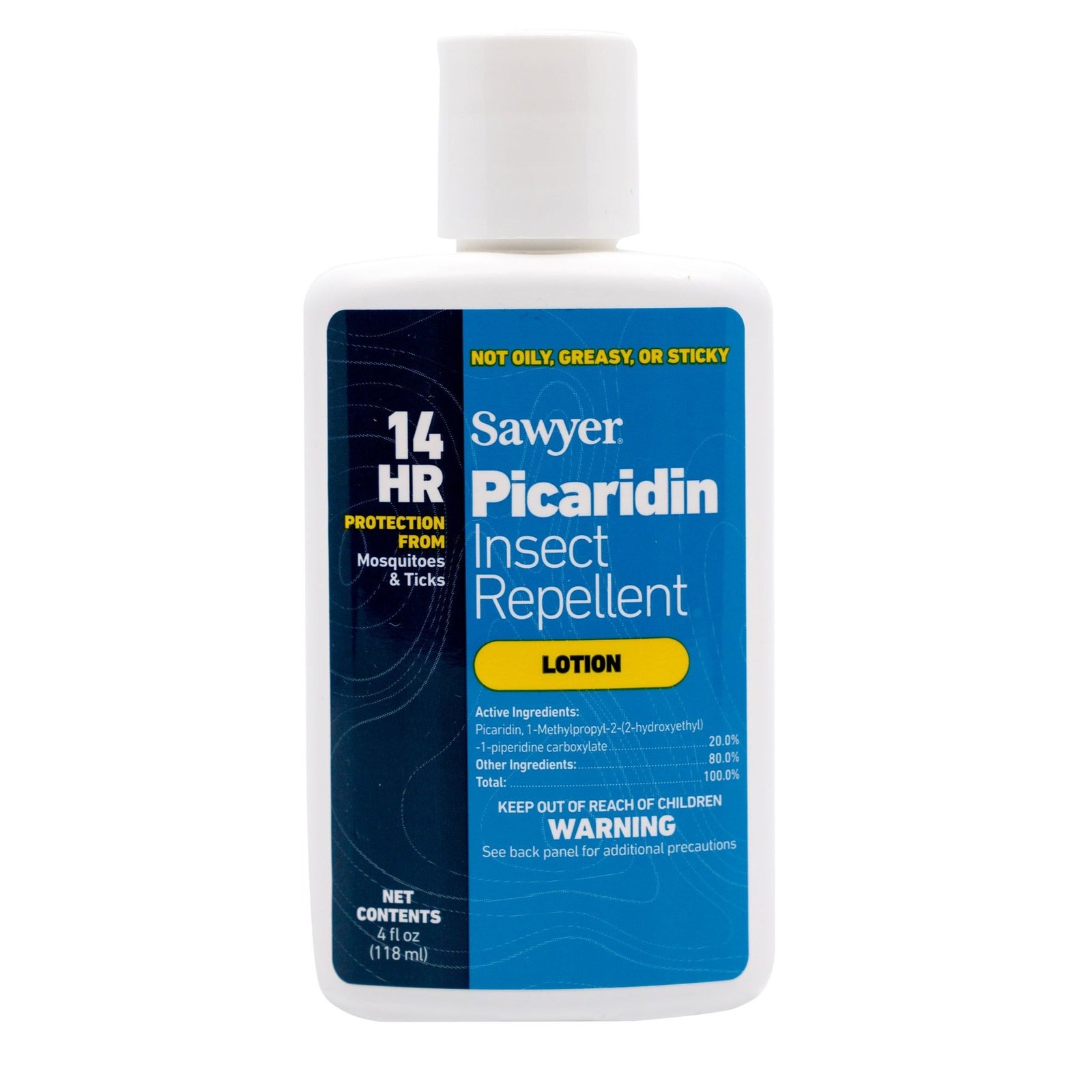
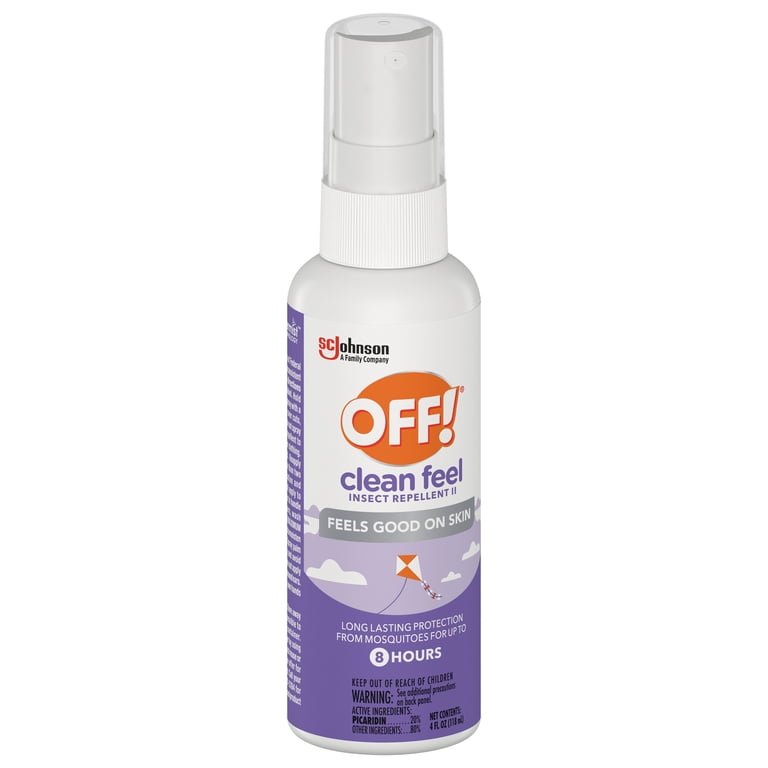
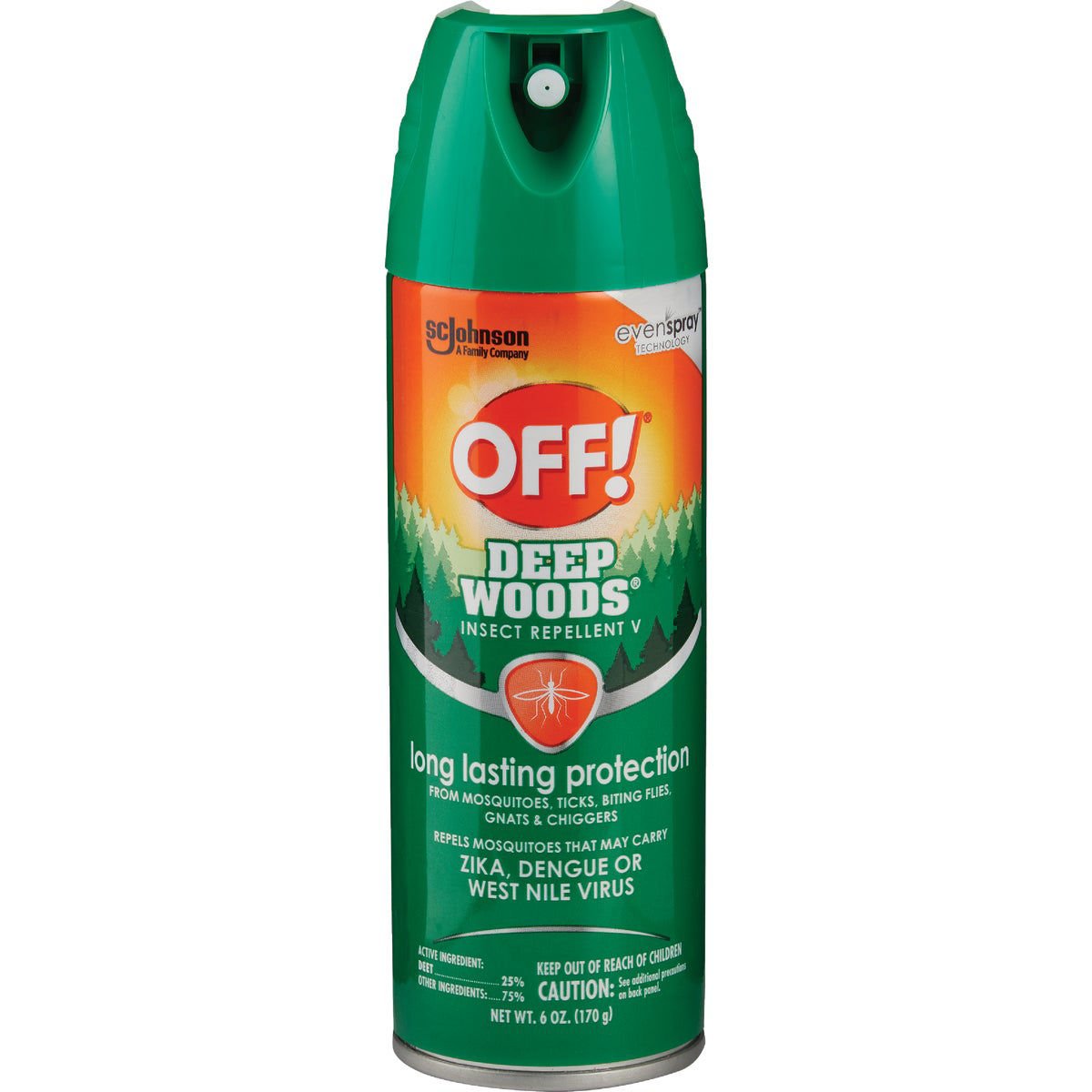
EPA-registered repellents containing DEET or picaridin can be used during pregnancy as directed. Add long sleeves when practical and check for ticks after being outdoors. Picaridin isn’t a “chemical-free” alternative; both are real repellent ingredients.
Repellent picks
Standing, swelling and comfort
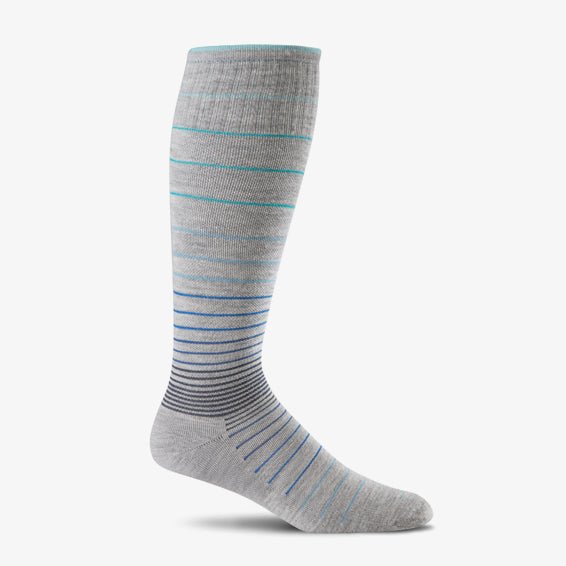
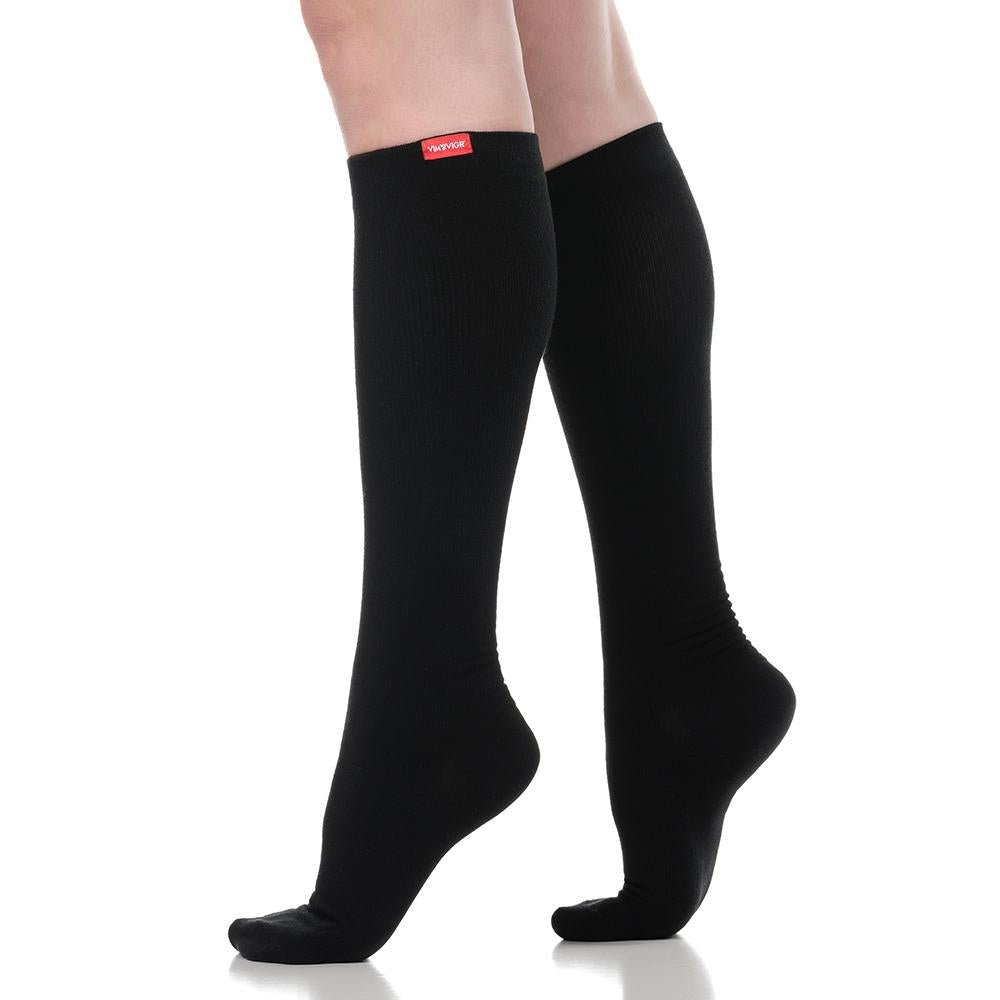
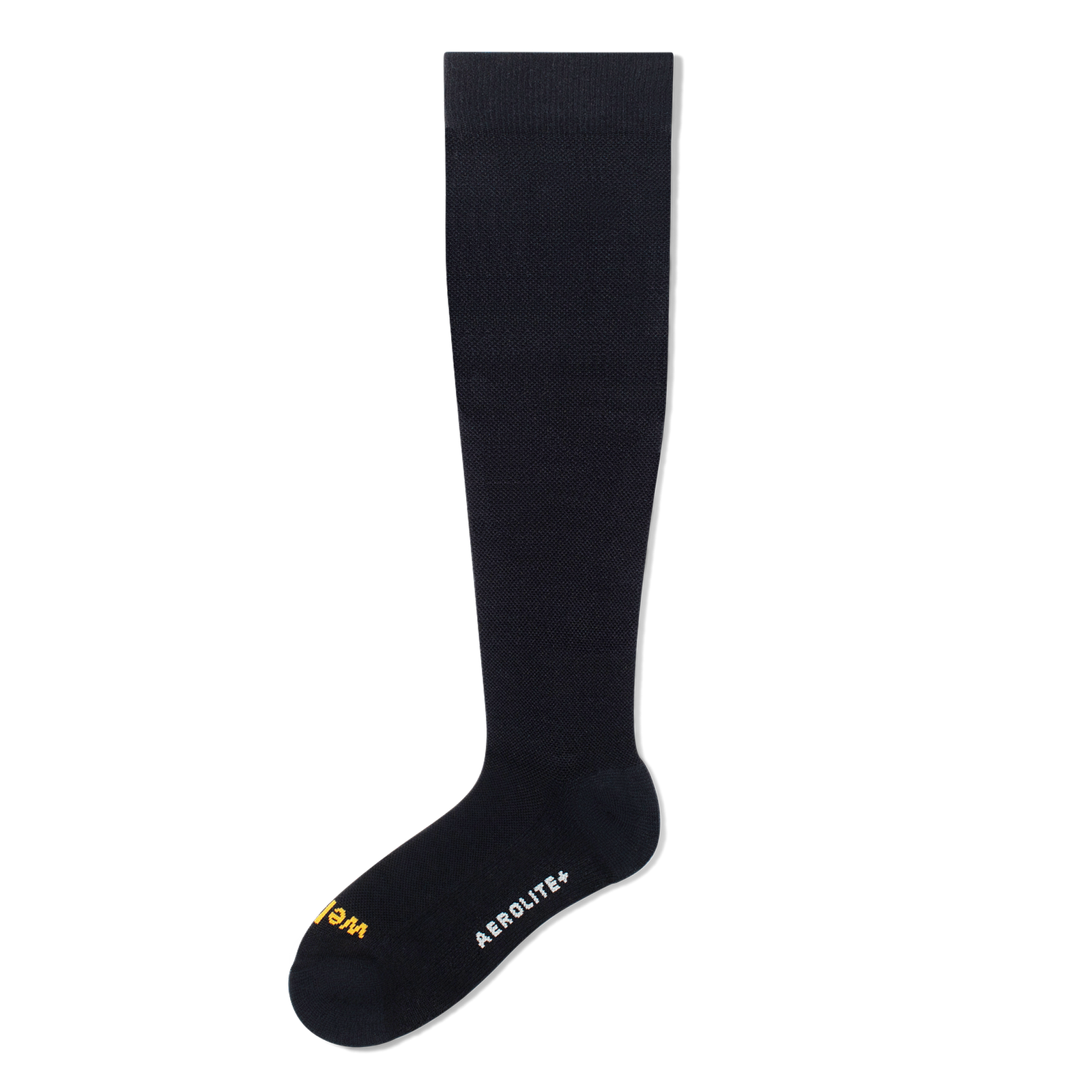
Long stretches sitting or standing can leave your legs tired and swollen. Short walking breaks, supportive shoes and resting with your feet up may help. Some people like properly fitted graduated compression socks.
Sudden swelling or pain in just one leg, especially with redness or breathlessness, needs prompt medical attention. That isn’t the ordinary end-of-day tired-leg feeling.
Compression sock picks
Phones + wireless
Start here
- What we know: Ordinary phone and Wi-Fi exposure has not been established as a pregnancy risk.
- Optional habits: Speakerphone and wired headphones increase distance without buying another product.
What we know about everyday devices
Phones, Wi-Fi and Bluetooth use radiofrequency energy, which isn’t the same as the ionizing radiation used in X-rays.
Everyday exposure from ordinary phones and Wi-Fi has not been shown to harm pregnancy. If speakerphone or wired headphones make you more comfortable, use them. You don’t need to buy an EMF-shielding gadget.
The decisions worth making first
If you remember a few things, let them be these:
- Know your drinking water rather than assuming you need a particular filter.
- Keep food handling and lower-mercury fish choices simple and consistent.
- Avoid retinoids during pregnancy; there are other ways to manage acne and pigmentation.
- Skip heated formaldehyde-releasing hair smoothing treatments and be wary of vague “formaldehyde-free” claims.
- Give cooking fumes, renovation dust and water damage proper attention.
- Choose fabrics and bedding for comfort, materials and the exact certification, especially when buying something new.
- If an exposure is part of your job, investigate the chemical and the task, not just the front label.
- Use effective mosquito and tick protection when it is relevant.
- Spend on something that helps with a real problem, whether that is a support pillow, underwear that fits or a filter for a documented water contaminant.
The rest of pregnancy life belongs in the picture too: regular meals, movement that feels good, sunlight, time outdoors, familiar routines, meaningful connection and somewhere comfortable to rest.
Good design can help make those ordinary things easier.
For more on labels, see Aalign’s guide to labels and certifications.
Some links may be affiliate links. If you shop through them, Aalign may earn a commission at no extra cost to you.
Sources and further reading
- FDA: Fish choices during pregnancy
- CDC: Food safety in pregnancy
- ACOG: Skin changes during pregnancy
- MotherToBaby: Topical acne treatments
- FDA: Hair smoothing products and formaldehyde
- EPA: Water filters and PFAS
- EPA: Guide to air cleaners in the home
- CDC/NIOSH: Workplace solvents
- CDC/NIOSH: Nonionizing radiation
- CDC: Mosquito and tick protection