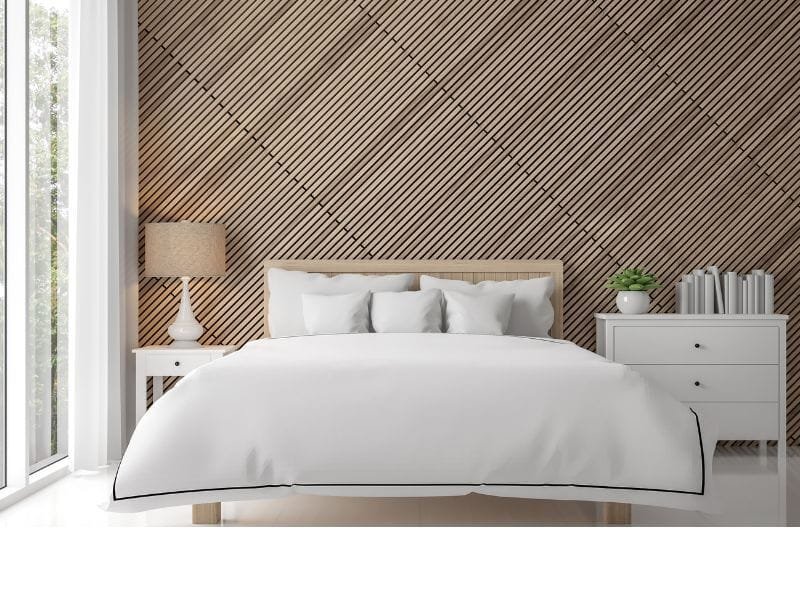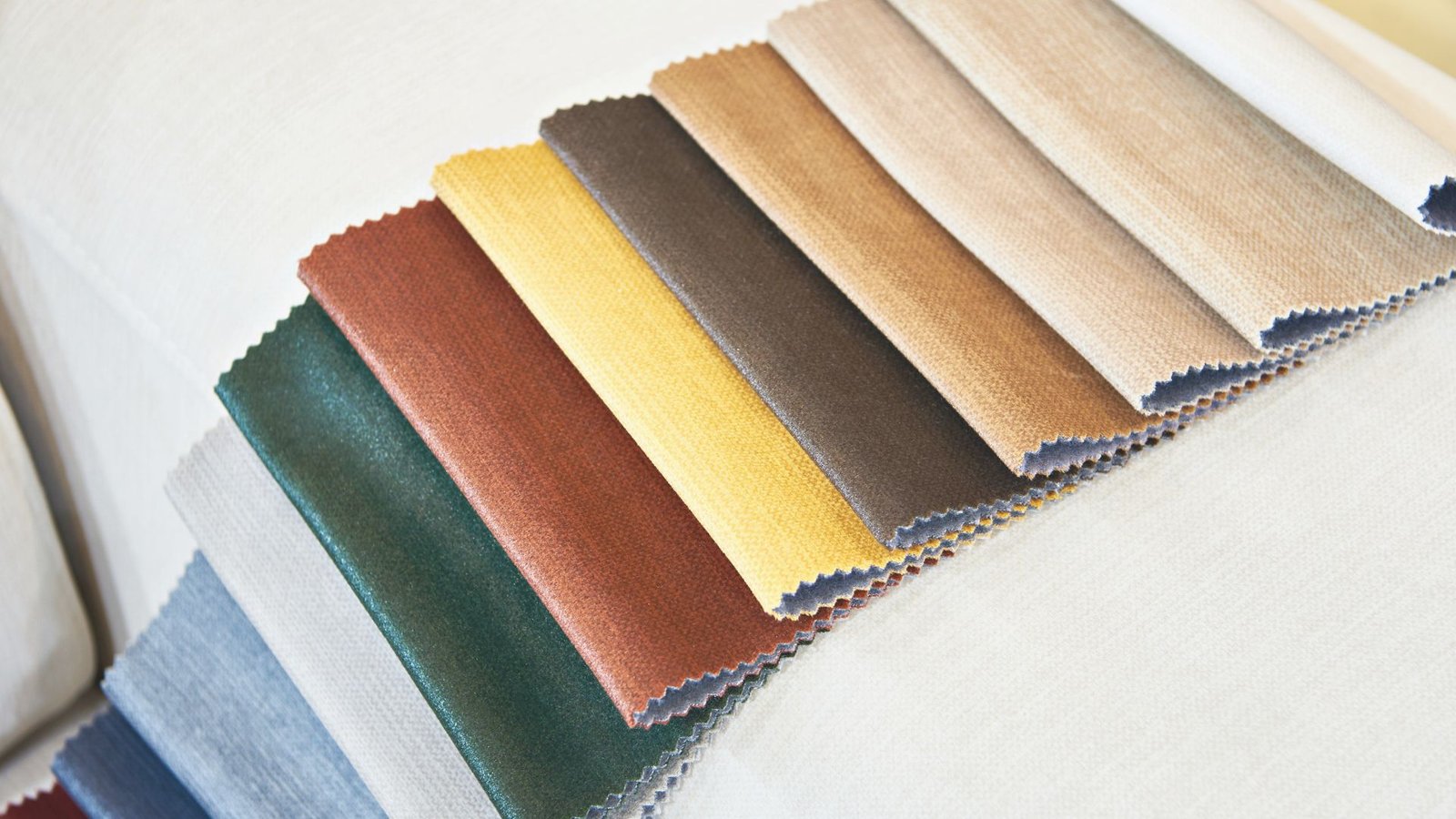


If you are about to build or renovate, or you just moved into a place and want to make it healthier, this is the order I would go in.
We are going to start with the big invisible stuff (the walls, the air, the heating), then work our way down to what you can see and touch (paint, floors, furniture, mattress), and finish with the small daily things.
You do not have to do all of it. You do not have to do any of it perfectly. But knowing what is inside a wall or a couch changes how you shop and how you live, and that is really what this is for.
Quick note before we start. Some of the concerning stuff off gasses (releases chemicals into the air) for a few weeks and then it is done. That is annoying but manageable, and I will call it out when it is short term. Other stuff sits in your house and slowly releases for years. That is the category to actually care about, and I will call that out too.
1. Where the house sits and which way it faces

Before framing, think about how you actually live. Where do you want morning coffee? Where do you want to work? Where do you want to sleep in peace?
Then place the house on the lot with the sun in mind.
- Northern hemisphere: south facing gets the most sun through winter (warmer, brighter house, lower heating bills)
- Southern hemisphere: north facing does the same job
- East facing rooms catch morning light, great for kitchens and breakfast nooks
- West facing rooms catch afternoon light, great for evenings, but need shades or overhangs so they do not roast in summer
- Keep bedrooms and the front door away from noisy streets if you have the option
This one is free to get right at the planning stage and impossible to fix later.
2. Insulation (what is in your walls)

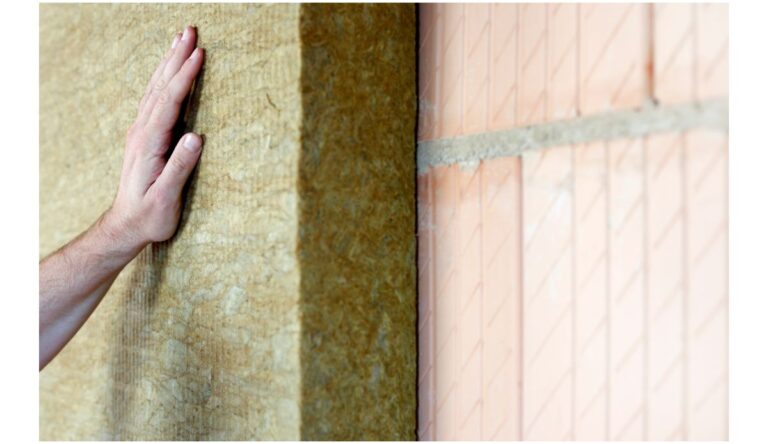
Insulation is the stuff packed inside your walls, ceiling and floors that keeps the house warm in winter and cool in summer. It also keeps mold out by controlling moisture, and keeps noise down between rooms.
Some kinds are safer to live with than others.
Skip if you can:
- Traditional spray foam. Made from polyurethane. It releases VOCs (volatile organic compounds, meaning fumes) during install and for a while after. If it is installed badly, it can keep releasing them for years. Long term concern.
- Fiberglass. The pink fluffy stuff. Cheap and everywhere. Fibers can irritate skin and lungs, especially during install or a future renovation. The bigger issue is that broken bits shed into the house over time.
Better picks:
- Sheep’s wool, hemp, or recycled cotton (denim). Natural, breathable, safe to be around. Cost more up front.
- Mineral wool. Made from rock or slag. Fire resistant, less itchy than fiberglass. Ask if the binder is synthetic.
- Cellulose. Recycled paper, treated to resist fire and pests. Affordable and widely used.
- Hempcrete. Hemp, lime and water. Insulates, resists fire, handles moisture. Not for basements.
If you cannot change the insulation (because you rent, or it is already installed), focus on the air quality and finishes sections coming up. Those do most of the work.
3. Heating, cooling and hot water
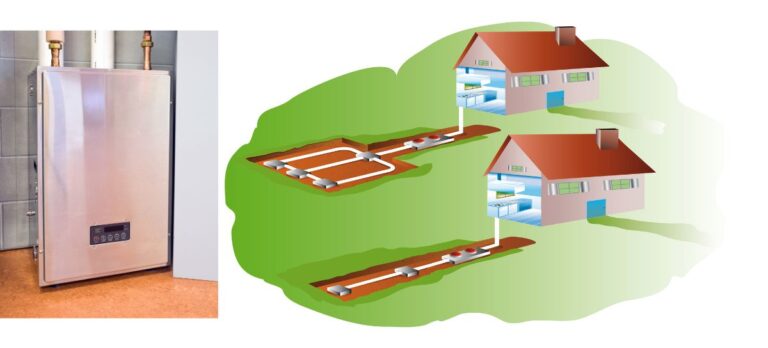
Tankless water heater. Instead of a big tank that stays hot 24/7, it heats water on demand when you turn on the tap. Uses less energy and lasts longer.
Heat pumps. These are the most efficient way to heat and cool a house. Two kinds worth knowing:
- Air source heat pump. Pulls heat from outside air. Works even in cold climates now, and it heats and cools with one system. This is the one most people are installing.
- Geothermal heat pump. Uses the constant temperature underground (about 55°F all year). Costs more to install because you have to dig, but runs cheaper and lasts 20 to 25 years.
Induction range instead of gas. Cooking on gas releases NO2 and fine particles into your kitchen air, and it is one of the biggest indoor pollution sources in most homes. Induction is faster, safer around kids, and cuts the pollution. If gas stays, install a real range hood that vents outside (not the ones that just recirculate air) and use it every single time you cook.
About tax credits: the federal 30% credit for solar, batteries, geothermal and heat pumps ended December 31, 2025. If someone quotes you a price that assumes the federal credit, it is out of date. State and utility rebates are separate and many are still active, so check your electric company’s website and your state energy office.
4. Windows, sunlight and daylight
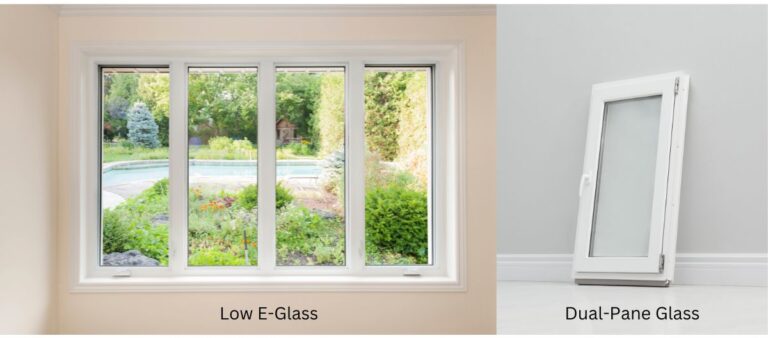
Double pane windows (two layers of glass with a gas or air gap between them) keep way more heat in than single pane. Standard on any new build. Worth it on a renovation if you still have single pane.
Low-E coating is a thin invisible layer on the glass that reflects heat back where you want it (into the room in winter, away from the room in summer). Ask for it.
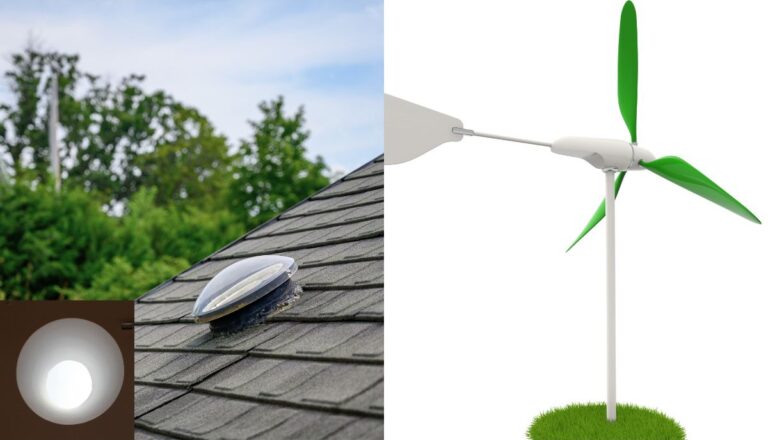
Solar tubes are small round skylights that bring real sunlight into interior rooms that do not have windows, like a hallway, a closet or a windowless bathroom. Cheap to run, almost no maintenance. If you have a dark room you have been meaning to add a light to, this is nicer.
Sunlight does more than just let you see. It sets your body’s clock, lifts mood, and helps you sleep at night. Design so the rooms where you spend the most awake time (kitchen, living room, home office) get real daylight. See natural light and the sun’s healing touch and 11 ways to refresh your spaces.
5. Indoor air quality (the biggest one)
Indoor air is usually two to five times more polluted than outdoor air. New builds are especially sealed up, which is great for energy bills and bad for stale air.
Four moves, in order of impact:
Ventilate on purpose. If you are building or doing a big renovation, ask about an ERV or HRV. That stands for energy recovery ventilator or heat recovery ventilator. It swaps stale inside air for fresh outside air without losing the temperature you paid to create. In an existing home, just open windows daily and always run the bathroom and kitchen fans while cooking or showering, and for 20 minutes after.
Filter. If you have central heating or AC, use a MERV 13 filter or higher (the number is on the filter, higher is better filtration). Change it on schedule. In each bedroom, a HEPA air purifier does the heavy lifting. This is the single best cheap upgrade you can make. Coway and Levoit make good ones. See best products for indoor air quality.
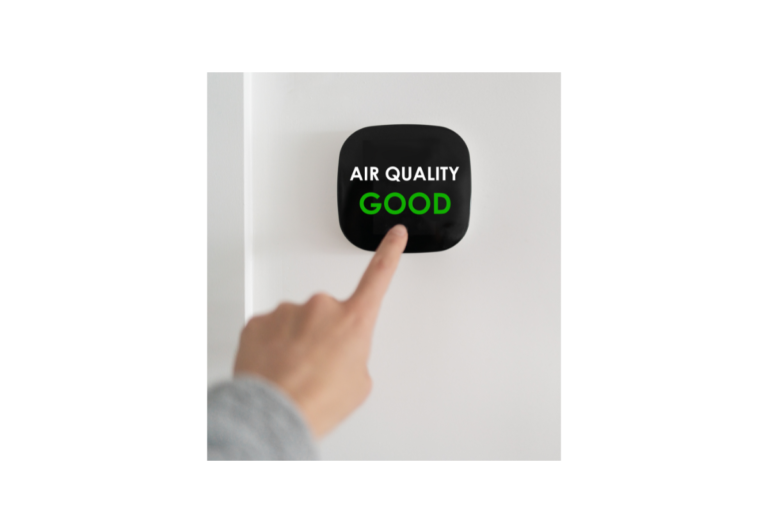
Measure. An indoor air quality monitor (Airthings, uHoo, Awair are common ones) tracks moisture, VOCs, CO2, fine particles and often radon. When you paint a room or bring in new furniture, you will actually see the spike, and see when it goes back to normal.
Test for radon. Radon is a gas that seeps up from soil. It has no smell, no color, and it is one of the leading causes of lung cancer after smoking. A long term test kit is under $50 (SunRADON or AirThings). If levels are high, a mitigation system fixes it.
If you are moving into a new build or a freshly renovated home, a professional air test (around $300 to $500) catches problems while they are still easy to fix.
6. Paint and wall finishes
Paint is one of the biggest smells you notice in a fresh room. That smell is VOCs. Most modern paint off gasses within days to weeks in a ventilated room, so this is a short term issue if you pick the right paint. Old oil based paint in a poorly ventilated space is the long term problem.
Pick low or zero VOC water based paint. Benjamin Moore Natura, ECOS Paints, Clare, and Sherwin-Williams Harmony are common options. See low toxin paints and wall coverings.
Other wall options that are nice to know about:
- Clay plaster. Natural clay and sand. Regulates humidity, holds a soft matte look, feels like a real material. Beautiful in bathrooms and living rooms.
- Non vinyl wallpaper. Traditional vinyl wallpaper traps moisture and can off gas. Bamboo, grasscloth and recycled fiber wallpapers are the healthier version. Ask about the adhesive too.
- Wood paneling or reclaimed brick. FSC certified wood (means responsibly harvested) or reclaimed wood adds character and does not off gas.
- Cork tiles. Naturally mold resistant, soft, sound absorbing.
If you rent: paint is one of the highest impact upgrades a renter can actually do. Ask permission and go with a zero VOC paint.
7. Flooring
You touch this material every day. It is also one of the biggest sources of VOCs in a new home, so this is worth getting right.
Best picks (safe, low emission):
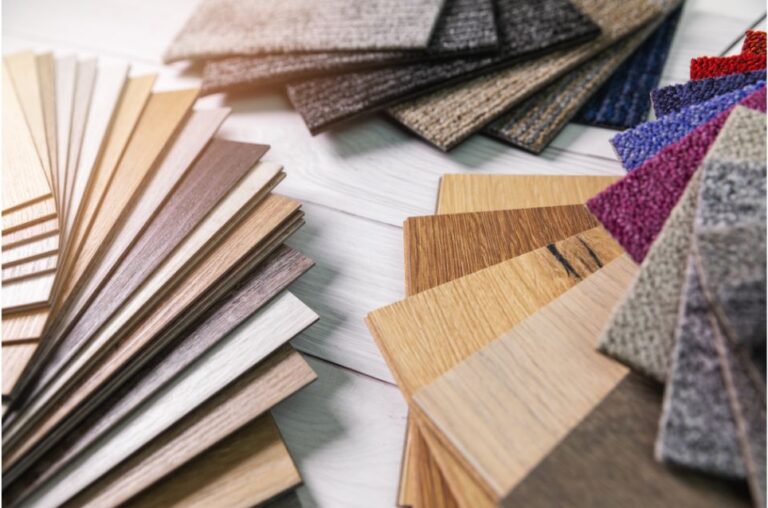
- Solid hardwood (oak, maple, cherry, pine). Classic and long lasting. Look for FSC certified wood and finish with natural oils or low VOC sealer.
- Cork. Soft, warm, sound absorbing, naturally antimicrobial. Harvested from bark without cutting the tree down. USFloors and Wicanders are two brands.
- Bamboo. Fast growing and durable, but ask about the adhesive used to make the planks.
- Real linoleum or marmoleum. Not the same as vinyl. Made from linseed oil, cork dust and jute. Non toxic and biodegradable.
- Porcelain or ceramic tile. Clay based, non toxic, easy to clean.
- Natural stone. Durable and safe. Environmental footprint depends on where it was quarried and shipped from.
Middle ground:
- Engineered wood. Real wood layer on top of a composite core. The core can contain formaldehyde based glue (formaldehyde is a chemical linked to breathing issues and cancer with long exposure). Look for CARB Phase 2, FloorScore or GREENGUARD Gold on the label. Those mean it has been tested for emissions.
Skip or be careful with:
- Cheap laminate and luxury vinyl plank (LVP). These are usually PVC based and cheaper versions can off gas VOCs for months. If you go this way, insist on low VOC certified and read the emissions label.
- Vinyl sheet flooring. Same issue.
On carpet, this actually just got better: most conventional carpet has historically been treated with PFAS (per and polyfluoroalkyl substances, called “forever chemicals” because they do not break down). PFAS is what makes stain resistance work, and it is linked to hormone, immune and cancer issues.
The good news: Lowe’s and Home Depot have both committed to stop selling PFAS containing carpet and rugs, and states like California, Maine, Washington and Minnesota have passed laws restricting PFAS in textiles. So PFAS free carpet is actually easy to find now, which was not true five years ago.
- Natural fiber carpets and rugs: wool, cotton, sisal, jute, seagrass. Low emissions, biodegradable. Wool is naturally stain and fire resistant without added chemicals.
- For padding: natural rubber, wool, cork, or dye free recycled felt.
- Skip stain treatments. If a rug needs protection, use lanolin or wool fat based sprays.
See how to choose a non toxic carpet for full picks.
On carpet, this actually just got better: most conventional carpet has historically been treated with PFAS (per and polyfluoroalkyl substances, called “forever chemicals” because they do not break down). PFAS is what makes stain resistance work, and it is linked to hormone, immune and cancer issues.
The good news: Lowe’s and Home Depot have both committed to stop selling PFAS containing carpet and rugs, and states like California, Maine, Washington and Minnesota have passed laws restricting PFAS in textiles. So PFAS free carpet is actually easy to find now, which was not true five years ago.
- Natural fiber carpets and rugs: wool, cotton, sisal, jute, seagrass. Low emissions, biodegradable. Wool is naturally stain and fire resistant without added chemicals.
- For padding: natural rubber, wool, cork, or dye free recycled felt.
- Skip stain treatments. If a rug needs protection, use lanolin or wool fat based sprays.
See how to choose a non toxic carpet for full picks.
8. Furniture and upholstery

Sofas and upholstered chairs are one of the sneakier sources of chemicals in a home, because they are big, they are close to you, and the chemicals inside them shed into house dust over years.
The three things to check:
1. Flame retardants. These are chemicals added to foam to slow down burning. They are linked to hormone disruption, developmental issues and cancer, and they slowly shed into house dust and end up in you.
Here is the good news. California changed the law in 2015 (the standard is called TB117-2013). Furniture can now pass the fire safety test without added flame retardants. Every piece of upholstered furniture sold in the US now carries a small tag that says either:
- “This product contains added flame retardant chemicals” (skip this one)
- “This product does NOT contain added flame retardant chemicals” (this is what you want)
Look under the cushion, check the tag, and only buy the “does not contain” version. It is that simple, and it is one of the highest impact swaps in your whole house.
2. Foam. Standard couch foam is polyurethane. It off gasses VOCs when new (short term, a few weeks) and slowly breaks down into dust over the couch’s life (long term).
Look for CertiPUR-US certified foam at a minimum. Better: natural latex foam, or wool and coconut fiber fillings from brands like Savvy Rest, Ecobalanza, The Futon Shop, Cisco Home (Inside Green line) and Medley (Natural Latex versions). See mindful living furniture brands.
3. Stain resistant fabrics. “Performance fabric,” “stain resistant” and “waterproof” upholstery has historically meant PFAS. Skip stain treatments and go with natural fibers like cotton, linen, wool or hemp. See natural vs synthetic upholstery.
Cabinets and desks: most modern cabinets are made of pressed wood (MDF or particleboard) glued together with formaldehyde based adhesive. Look for CARB Phase 2 certified, or go with solid wood.
9. Mattresses and bedding
You spend about a third of your life in your bed. If you make one furniture change in your whole house, make it this one.
What to avoid:
- Memory foam and polyurethane foam. Both off gas VOCs, especially when new. That “new mattress smell” is chemicals releasing into your bedroom air.
- Synthetic latex made with benzene or styrene.
- Flame retardant chemicals. Same issue as furniture.
- Stain treatments. Same PFAS issue.
What to look for:
- Natural latex (Dunlop or Talalay), certified GOLS (Global Organic Latex Standard).
- Organic wool. Naturally fire resistant without chemicals, breathable, temperature regulating.
- Organic cotton. Certified GOTS (Global Organic Textile Standard).
- Innerspring with recycled steel.
Certifications to actually recognize on a mattress:
- GOTS (organic textiles)
- GOLS (organic latex)
- GREENGUARD Gold (low emissions)
- OEKO-TEX Standard 100 (tested for harmful substances)
- MADE SAFE (non toxic)
Even a good mattress off gasses for a few days at first, so unwrap it and let it breathe in a well ventilated room before you sleep on it. That smell is temporary if you picked well.
Full picks in non-toxic mattresses: what’s inside and our best, better and good picks.
10. Kitchen (small stuff, big impact)
The kitchen has a bunch of little things that add up. Fast wins:
- Swap out plastic storage for glass, stainless steel or silicone. Old plastic containers leach into hot or oily food. See 8 plastics getting the boot in today’s kitchen.
- Skip non stick pans with PFOA or PTFE coatings (the “Teflon” family). Ceramic coated, stainless steel, cast iron, and carbon steel are all safe alternatives.
- Use the range hood every time you cook, especially on a gas stove.
- Filter your water. Even where tap water is safe, a good filter reduces chlorine, lead if the pipes are old, and PFAS in some areas. Under sink reverse osmosis or a good carbon filter.
- Skip antibacterial soap and quat based cleaners. Regular dish soap does the same job without residue.
11. Lighting and decor (the finishing layer)

The last mile of a healthy space is the stuff you actually see. Small things add up.
Lighting:
- Layered lighting, not just one big overhead. Warm bulbs (2700K to 3000K) for evenings, cooler ones for work spaces.
- Dimmers everywhere you can put them. This is the single most underrated design move for how a room feels at night.
- Real daylight bulbs for a desk or a mirror if you cannot get natural light there.
Candles, if you burn them:
- Skip paraffin wax candles and synthetic fragrance. Paraffin is a petroleum byproduct and burning it releases soot and VOCs.
- Look for beeswax, coconut wax or soy wax with a cotton wick and essential oil scent, or unscented. See best non toxic candle brands.
Scent generally:
- Skip plug in air fresheners, wax melts, most incense sticks, and synthetic reed diffusers. They are one of the highest indoor pollution sources most homes have, and the “fragrance” ingredient list is usually 50 to 100 hidden chemicals.
- Pure essential oil diffusers are fine used lightly. Open a window when you diffuse.
Plants. They will not dramatically clean the air on their own, but they change how a room feels, and studies do show they help with stress and focus. Easy ones: pothos, snake plant, spider plant, ZZ plant. Skip fake plastic plants.
Textiles you can see (curtains, throws, cushions): cotton, linen and wool over polyester or “microfiber,” especially in the bedroom.
12. EMFs and dirty electricity (the honest version)
EMFs are the invisible energy fields around anything using electricity. Dirty electricity refers to messy voltage from modern electronics on the wiring.
Straight talk: everyday indoor levels are below current safety limits, and human studies have not clearly linked normal home exposure to disease. Some people report sleeping better or having fewer headaches with less exposure at night, and that is worth listening to, without the fear framing.
Practical stuff that also improves sleep and workday focus:
- No electronics on the nightstand. Charge them across the room.
- Turn off Wi-Fi at night if you want to. Costs nothing to try.
- Wire your desk with Ethernet if you work from home. Faster and more stable anyway.
- Get a good surge protector.
If you want the deeper dive, see how to avoid EMFs and dirty electricity.
13. Timing new stuff so you are not breathing fresh chemicals
Almost every finish or piece of furniture off gasses when it is new. The trick is to know how long, and to time it.
Short term (days to weeks, then done): low VOC paint in a ventilated room, solid hardwood, tile, stone, cork, a well made mattress.
Medium term (weeks to months): engineered wood, bamboo, cabinets, upholstered furniture, new carpet.
Long term (months to years): oil based paint, cheap LVP or laminate, low quality vinyl flooring, badly installed spray foam.
Two rules to make this easy:
- Ventilate everything, always. Open windows, run fans, run air purifiers when you paint, install anything, or unbox a new couch.
- If it can off gas somewhere else before coming in, let it. Unroll a new rug in the garage for a few days. Let a new mattress breathe in a spare room. Let paint fully dry with the windows open before you sleep in the room.
If you are pregnant, live with a baby or have pets: move out of a heavily renovated space for the first week or two if you can. This is the window when most of the off gassing happens.
If your home was built before 1980, test before you demo. Old paint can contain lead. Old insulation, tile and flooring can contain asbestos. Both are dangerous when disturbed. Cheap test kits work, and any real contractor will do this as standard.
Ongoing maintenance (this is where it actually lives)
Even a perfect build gets less healthy without care. The basics:
- Change HVAC filters on schedule. MERV 13 or higher.
- Vacuum with a HEPA filter, especially rugs, carpet and soft furniture. Dust is where most of the concerning stuff settles.
- Damp dust (not dry dust, which just sends particles into the air).
- Keep humidity between 30 and 50 percent. Above 60, mold grows. A cheap humidity gauge tells you where you are.
- Vent bathrooms and kitchens during and after use.
- Clean with plain stuff: peroxide, baking soda, vinegar, castile soap, unscented dish soap. Skip anything labeled “antibacterial” for daily cleaning.
Where to start (if the whole list feels like a lot)
You do not have to do it all. If you are mid build, prioritize in this order:
- Ventilation (ERV/HRV and a good range hood)
- Insulation and paint
- Flooring
- The mattress
- The couch
- Everything else
If you already live in your place, start here:
- Open the windows every day
- Add a HEPA air purifier to the bedroom
- Swap the mattress when it is time
- Get scented cleaners, plug in fresheners and synthetic candles out of the house
- Then work your way through the rest as things wear out or you replace them
More ways to create healthier spaces
- Best products to improve indoor air quality in your home
- Mindful living: best low or non-toxic furniture brands
- Best non-toxic candle brands
- Low or non-toxic paints and wall coverings
- How to choose a non-toxic carpet
- Non-toxic mattresses: our best, better and good picks
- Natural vs synthetic upholstery
- 8 plastics getting the boot in today’s kitchen
Point of Alignment
What is good for us tends to be good for the planet.
You do not need to burn it all down and start over. You just need to know what is in what, so the next thing you bring into your home is better than the last one.
Every single time someone chooses the healthier paint, or the wool insulation, or the PFAS free carpet, they are voting for that version to become the normal one. That is how these things become easier to find and less expensive over time.
Better, not perfect.