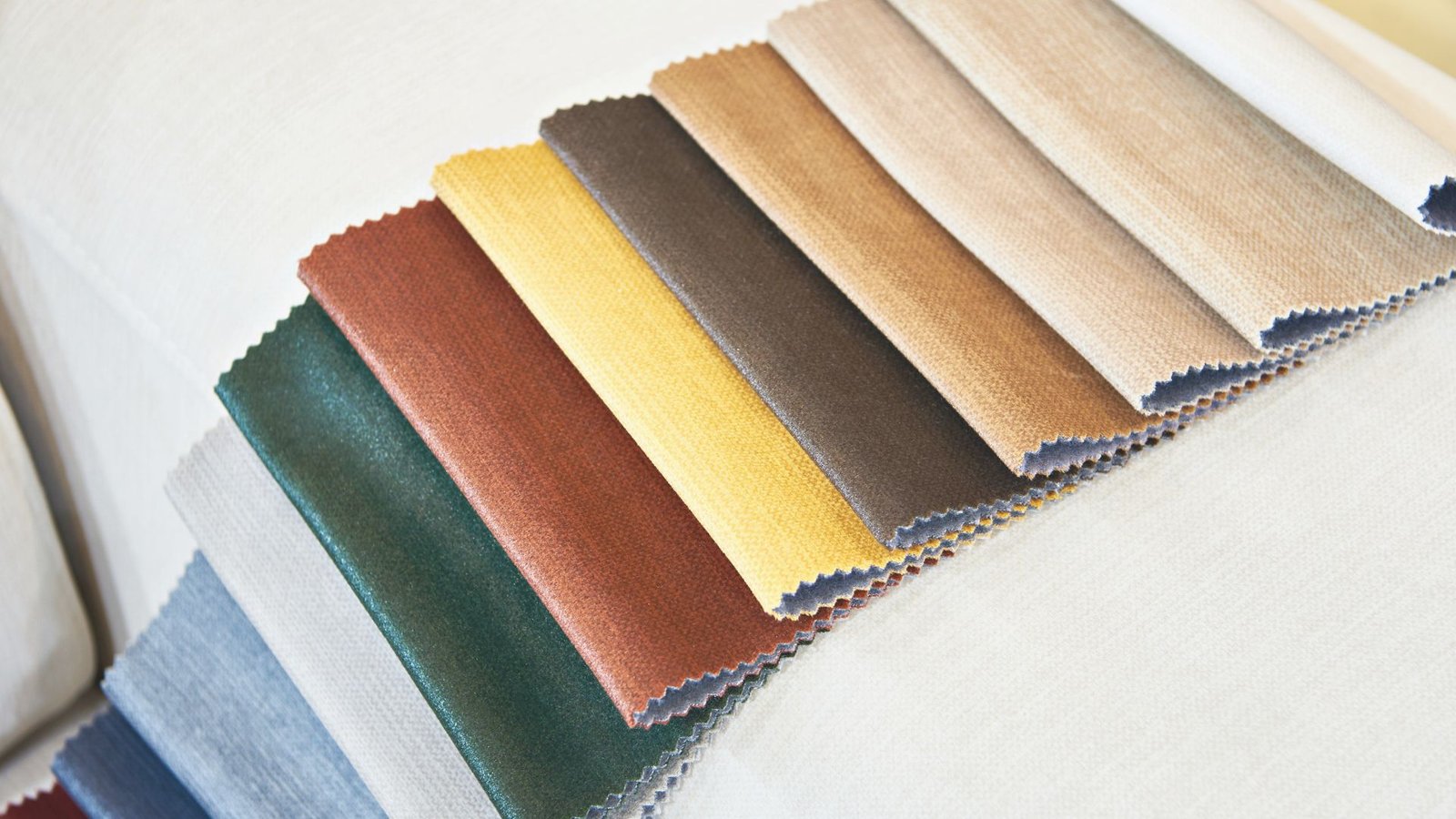

Few things we use every day stay in such close contact with the body for as many hours as bedding. That makes the fiber against the skin, the fill inside a pillow or comforter, and any dyes, finishes or waterproof layers more relevant than they may seem at first.
Lower-toxin bedding is really about reducing unnecessary chemical treatments where we can, choosing materials with clearer disclosure, and knowing what is inside a product when something like waterproofing serves a real purpose.
Comfort still counts just as much. Temperature, softness, texture, weight and how the bed feels can completely change the experience of sleeping in it. Percale and linen tend to feel lighter and crisper. Sateen is smoother and more enveloping. Pillow fill changes support. A mattress protector may add waterproofing, while a topper can change the feel of a mattress that is still otherwise good.
See our Non-Toxic Mattress Guide and Best Non-Toxic Bed Frames.
Some links in this guide are affiliate links, which means Aalign may earn a commission at no additional cost to you. Recommendations are based on the product itself, not the commission.
How Aalign Rates Bedding
Ratings apply to the exact product, not everything a brand sells.
Price guide: $ is relatively accessible for the category. $$$$ is premium.
Find What You’re Looking For
Shop by product
Shop by what you need
I sleep hot: Coyuchi percale or MagicLinen linen
I want crisp sheets: Coyuchi or Pact percale
I want softer sheets: Naturepedic, Boll & Branch or My Green Mattress sateen
I love linen: MagicLinen
I want an adjustable pillow: Naturepedic or Avocado
I need a pillow without latex: Savvy Rest kapok or Holy Lamb wool
I need waterproof protection: Avocado or Naturepedic
My mattress feels too firm: See the toppers
I want a comforter without polyester fill: Naturepedic, Coyuchi or Whisper Organics
What Can Be Added to Bedding, and Why Pay Attention?
The fiber listed on the package is only part of the story. Fabric may also be treated to resist wrinkles, stains or water. Fill materials can be synthetic or plant and animal based. Waterproof products need some type of barrier to stop liquid.
Some of those additions serve a useful purpose. Others are easy to skip.
Formaldehyde based finishes
Used for: wrinkle and shrink resistance.
Pay attention: formaldehyde can irritate the eyes, skin, nose and airways. Higher and prolonged inhalation exposures carry additional respiratory and cancer concerns. EPA
Look for: untreated cotton or linen when wrinkle resistance is unnecessary. GOTS also restricts formaldehyde in certified textile processing.
PFAS
Used for: stain, water and oil resistance.
Pay attention: certain PFAS have been associated with immune, reproductive, developmental and hormonal effects and some cancers, and many persist for a very long time in the environment. EPA
Look for: no intentionally added PFAS when stain resistance is unnecessary.
Vinyl, PVC + some phthalates
Used for: waterproof barriers.
Pay attention: certain phthalates used to soften plastics have raised reproductive and developmental concerns.
Look for: a clearly disclosed TPU or polyurethane membrane when waterproofing is needed.
Polyester + microfiber fill
Used for: light, inexpensive and easy care fill.
Pay attention: synthetic textiles can shed tiny plastic fibers during use and washing, contributing to microfiber pollution.
Look for: cotton, wool, kapok or latex when those materials suit the product.
The point is not to assume every conventional sheet or comforter is harmful. It is to skip an added treatment when it does not serve a useful purpose and choose the better documented option when one is readily available.
What about the fiber itself?
Organic cotton addresses the farming stage too. Certified organic cotton is grown under rules that restrict most synthetic pesticides and fertilizers and prohibit genetically modified seed.
That can reduce some of the environmental and agricultural concerns associated with conventional cotton farming, but it does not mean every organic cotton product automatically uses less water or has the smallest carbon footprint. Where cotton is grown, irrigation, crop yield and farming practices all affect the result.
GOTS goes further than organic farming alone because it also places requirements on textile processing, dyes, chemical inputs, wastewater and social standards.
What Does Organic Bedding Really Tell You?
Sometimes “organic” refers only to the fiber. Sometimes it applies to much more of the finished textile.
Organic cotton describes how the cotton was grown. It does not automatically tell us how the fabric was bleached, dyed, softened or finished.
A certification such as GOTS, the Global Organic Textile Standard, goes further through textile processing. Under GOTS, the “Organic” label requires at least 95% certified organic fibers, while “Made with Organic Materials” requires at least 70%. The standard also addresses processing, chemical inputs, wastewater and social criteria.
That is why a finished product certification can tell us more than the words “made with organic cotton” alone.
Bedding Certifications to Know
Useful for sheets, duvet covers, blankets and cotton or wool fill because it addresses both certified organic fiber and textile processing.
Tests a finished textile and its components against a long list of substances. It does not mean the material is organic.
Useful for latex pillows and mattress toppers. It verifies organic raw latex and places requirements on processing and manufacturing.
Looks at chemical emissions released from a finished product into indoor air.
Screens certified products and ingredients against substances the organization considers harmful to human health or ecosystems.
Different certifications answer different questions. One meaningful certification that applies to the exact finished product can tell us more than a row of logos that apply only to individual components.
Percale vs Sateen
Percale feels crisp, light and matte. It usually feels airier, which is why warm sleepers and people who like a freshly made, less silky bed often prefer it. It can feel firmer when new.
Sateen feels smoother, softer and slightly more lustrous. It has a more enveloping feel and can feel warmer than percale. The smoother surface can also be a little more prone to snagging.
Neither weave is automatically healthier. Thread count is not everything either. Fiber quality, yarn and construction tell us much more than chasing the highest number on the package.
Bamboo vs Cotton
“Bamboo sheets” are usually not woven directly from bamboo fiber. Most of the soft bamboo bedding sold today is rayon or viscose made from bamboo cellulose. The plant is broken down into pulp, dissolved and regenerated into a new fiber.
That processing is why bamboo should not automatically be treated as the greener option simply because bamboo itself grows quickly. The FTC specifically requires rayon and viscose made from bamboo to be labeled as such. FTC
The result can still be lovely bedding. Bamboo viscose tends to feel extremely smooth, fluid and cool when first touching the skin. Buy it because that is the feel you want, not because the word bamboo automatically means healthier or more sustainable.
If You Sleep Hot
A “cooling” label is not the first thing I would look for. Start with the entire bed.
- The sheet weave: Percale and linen usually allow more airflow than heavier sateen.
- The fill: Wool can absorb and release moisture vapor, which is one reason it works surprisingly well across seasons.
- The layers: A thick topper, waterproof membrane, heavy comforter and multiple blankets can all change how warm a bed feels.
Sometimes fewer layers make more difference than another cooling technology.
Sheets
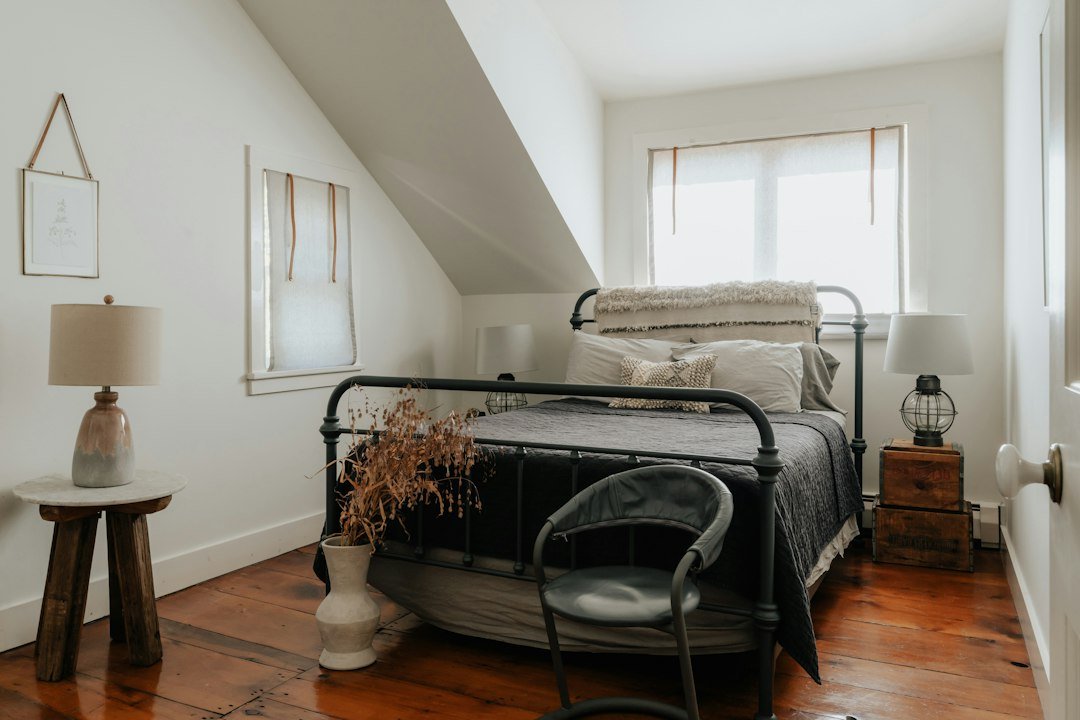
Sheets deserve more choices than most bedding categories because weave and fiber can noticeably change how the bed feels.
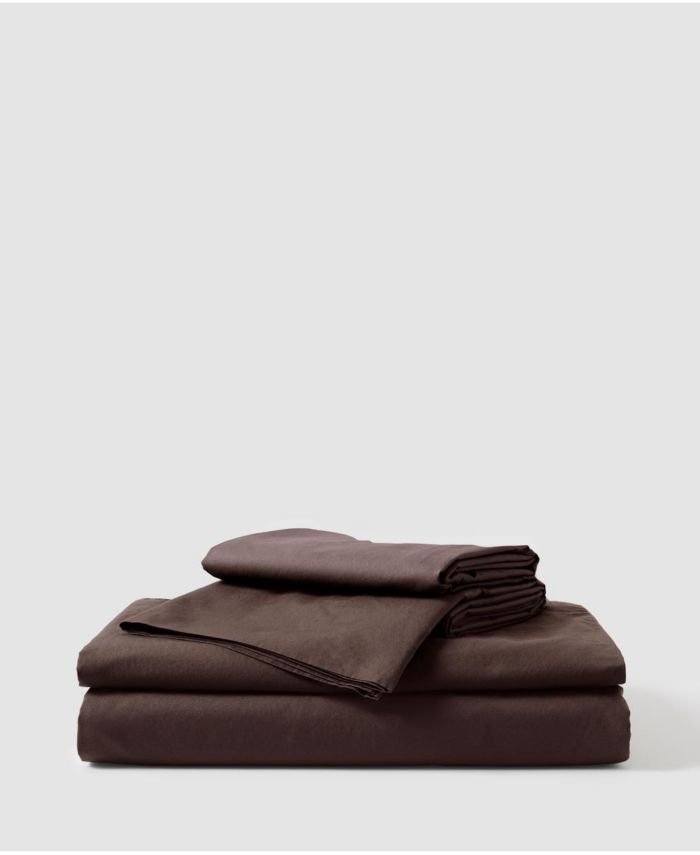
Coyuchi Organic Crinkled Percale Sheet Set

Best
Best for: Warm sleepers who like crisp cotton without a stiff hotel feel
Materials: 100% organic cotton
Certification: GOTS
Feel: Light, airy and intentionally crinkled
Price: $$$
What stands out: The washed texture gives percale that airy feeling without making the bed look overly pressed. It feels relaxed and looks good that way.
Good to know: If silky and polished is the goal, choose sateen instead.
Pact Organic Cool Air Percale Sheet Set
Best
Best for: Organic percale without the luxury bedding price
Materials: Organic cotton percale
Certifications: GOTS + Fair Trade
Price: $
What stands out: This is a strong lower priced percale option with certified organic cotton and Fair Trade production. Pact also states that the set is made without intentionally added PFAS.
Good to know: Colors and sizes may move in and out of stock.
Naturepedic Organic Cotton Sateen Sheets + Pillowcases
Best
Best for: Smooth sateen with strong finished product standards
Materials: Long staple organic cotton, 400 thread count sateen
Certifications: GOTS + MADE SAFE
Price: $$
What stands out: Soft and smooth without relying on an extreme thread count. Naturepedic also states that the sheets are made without formaldehyde resin finishes or heavy metal dyes.
Good to know: Sateen generally feels a little warmer and more substantial than percale.
Boll & Branch Signature Hemmed Sheet Set
Best
Best for: A softer, more polished luxury sheet
Materials: Long staple organic cotton sateen
Certifications: GOTS + OEKO-TEX Standard 100 + Fair Trade Certified factory
Price: $$$
What stands out: Beautiful drape, soft texture and a polished hotel-style finish. The fitted sheet also accommodates deeper mattresses, which helps if a topper is being used.
Good to know: The tradeoff is price. This sits firmly in the premium range.
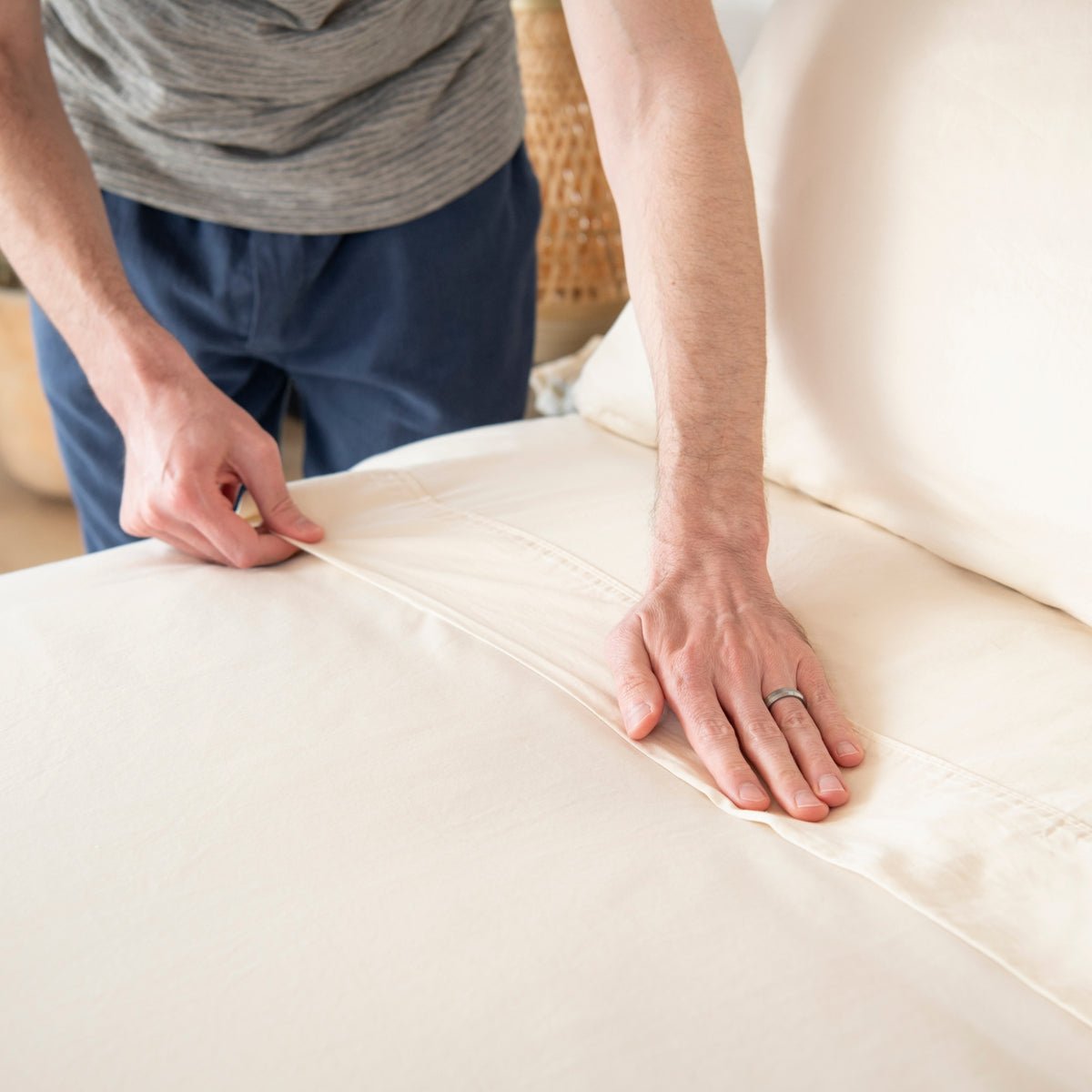
My Green Mattress Organic Cotton Sheet Set
Best
Best for: Certified organic sateen at a more moderate price
Materials: 100% organic cotton, 600 thread count sateen
Certification: GOTS
Price: $
What stands out: A straightforward certified organic sateen option without the luxury bedding price.
Good to know: The fitted sheet is made for mattresses around 14 inches deep, so measure first if the mattress or topper is unusually thick.
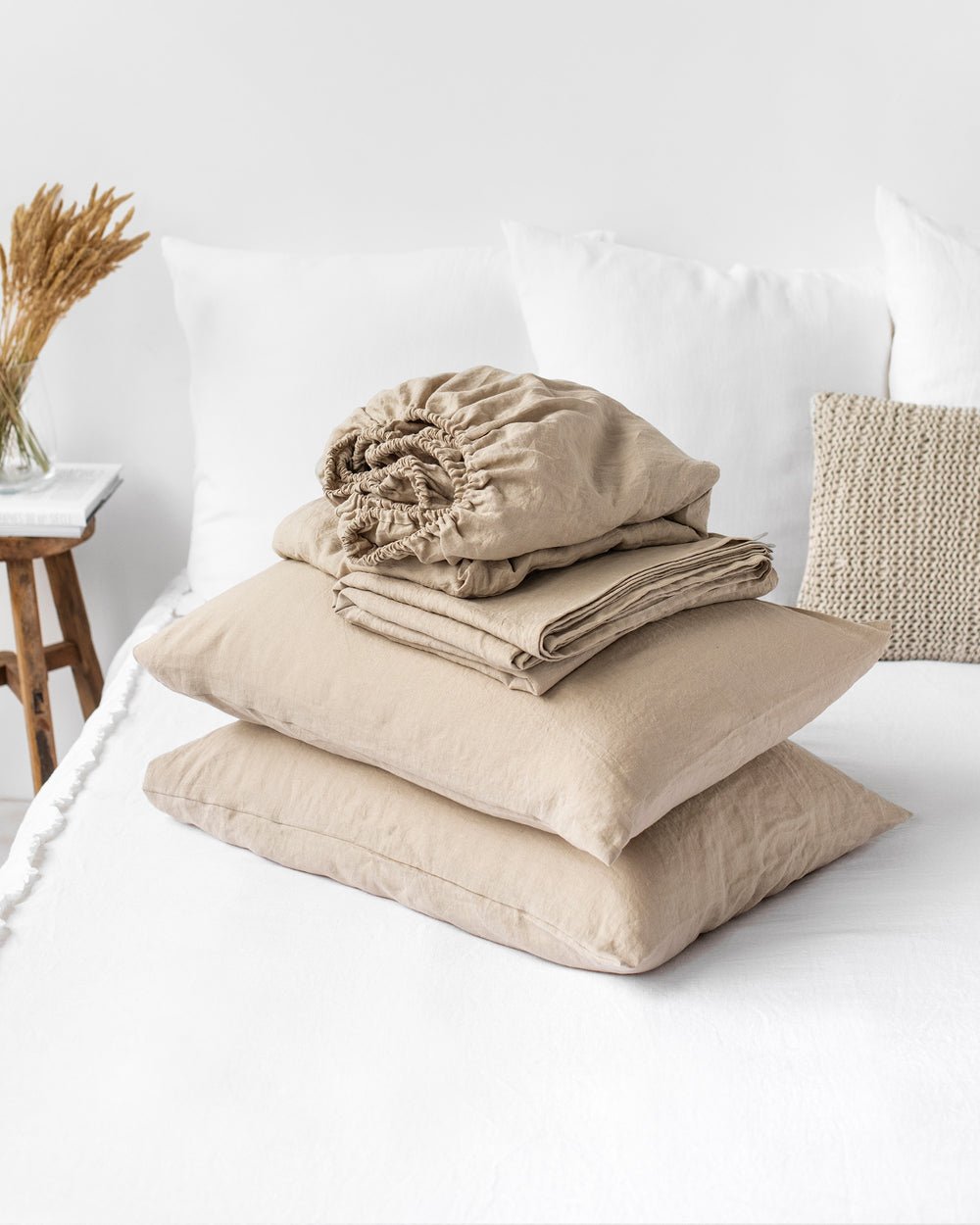
MagicLinen Natural Linen Sheet Set
Better
Best for: Warm sleepers and anyone who likes a relaxed, textured bed
Materials: 100% European flax linen, 190 GSM
Testing: OEKO-TEX Standard 100
Price: $$$
What stands out: Linen brings a completely different look and feel from another cotton sheet set. MagicLinen makes the bedding in Lithuania and offers both regular and deeper fitted-sheet pockets.
Good to know: The linen is not certified organic. Expect wrinkles. That is part of what makes linen look like linen.
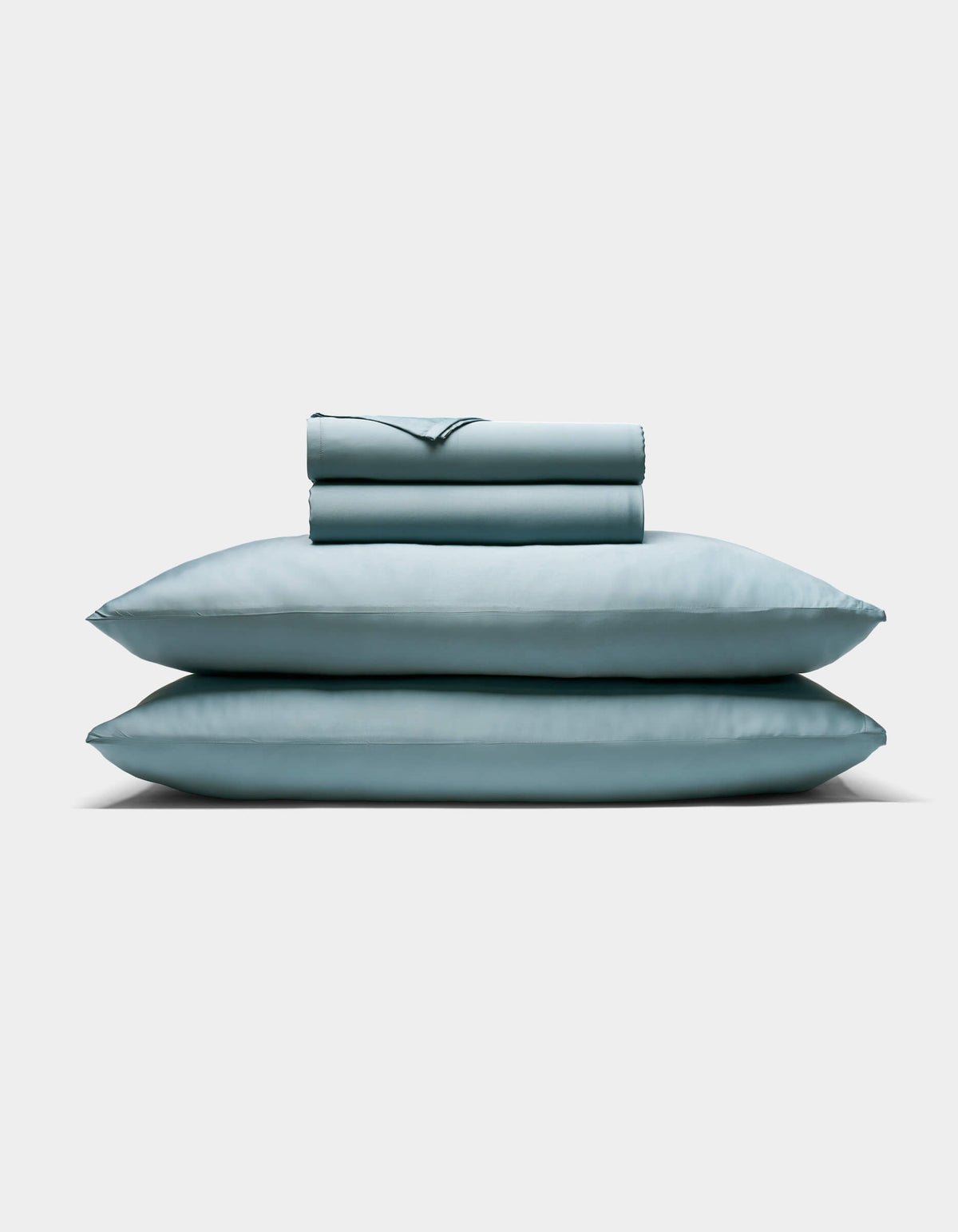
Cozy Earth Bamboo Sheet Set
Better
Best for: Someone who wants an exceptionally smooth, fluid sheet
Materials: 100% viscose made from bamboo
Testing: OEKO-TEX Standard 100
Price: $$$
What stands out: The reason to choose these is the feel. They are soft, drapey and noticeably different from crisp cotton or textured linen.
Good to know: Bamboo viscose is a regenerated fiber made through substantially more processing than cotton or linen. Buy it for the texture, not because bamboo automatically means greener.
Pillows
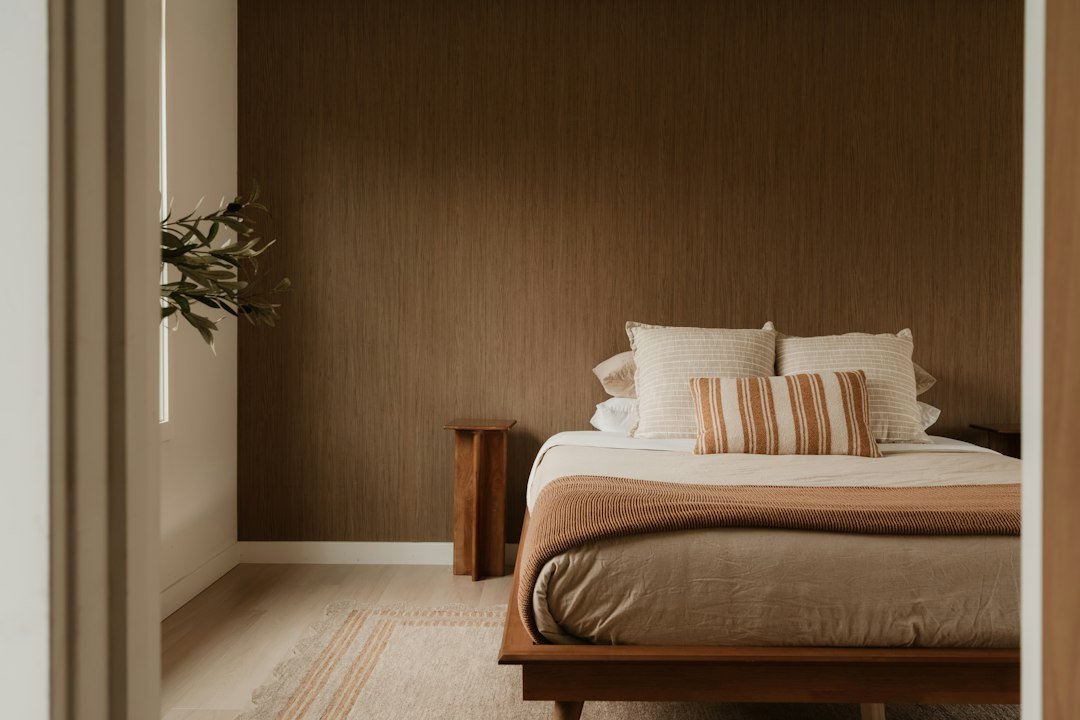
Pillows are especially personal. The fill determines springiness and softness. Loft determines how high the head sits. Adjustable fill can make far more sense than trying to guess the perfect pillow from a photograph.
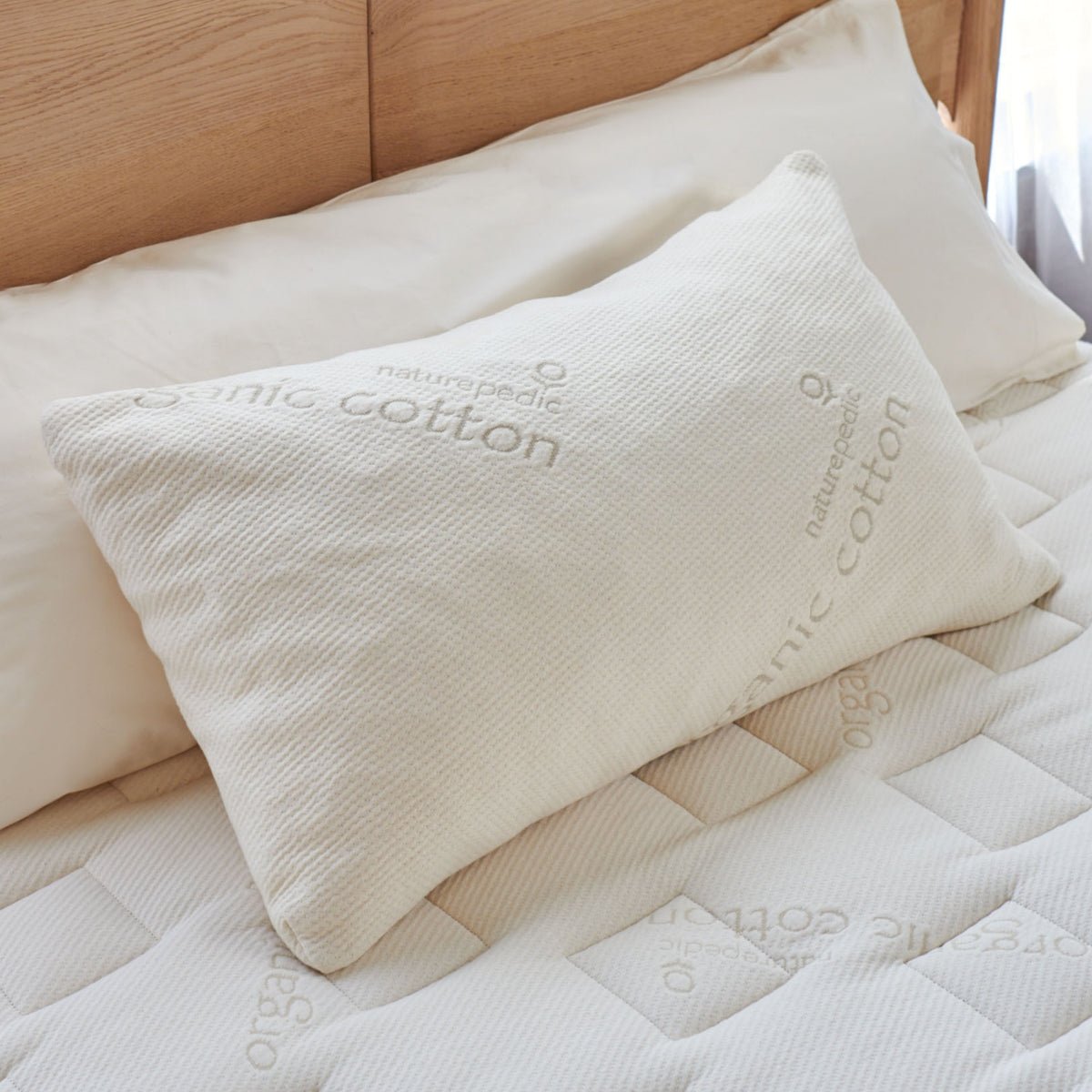
Naturepedic Adjustable Organic Latex Pillow
Best
Best for: Someone particular about pillow height
Materials: Organic cotton, shredded certified latex and organic cotton batting
Feel: Springy and supportive
Price: $$
What stands out: Fill can be added or removed until the height feels right, and extra fill is included.
Good to know: Not appropriate for someone avoiding latex.
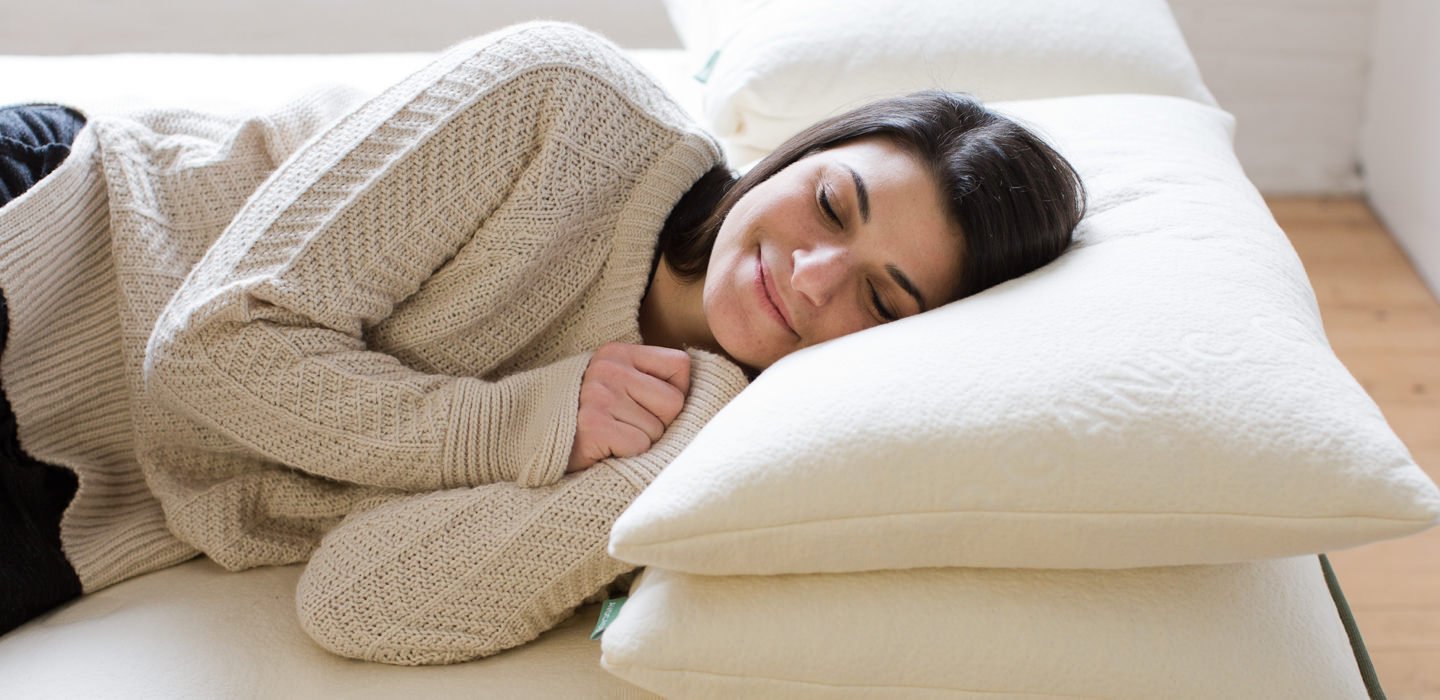
Avocado Green Pillow
Best
Best for: Adjustable support with a softer feel than latex alone
Materials: GOLS organic latex, organic kapok and organic cotton
Feel: Supportive but moldable
Price: $$
What stands out: Kapok softens the springier latex feel, and the fill can be removed to change the height.
Good to know: It arrives generously filled, so removing some may be necessary.
Holy Lamb Organics Certified Organic Wool Bed Pillow
Best
Best for: Someone who wants wool instead of latex, kapok or down
Materials: GOTS certified organic wool in a GOTS certified organic cotton sateen cover
Feel: Soft but structured
Price: $$
What stands out: Wool gives this pillow a different feel from latex, kapok or down. Holy Lamb makes several thicknesses, which is useful because stomach and side sleepers usually need very different loft.
Good to know: Wool naturally settles and compresses with use.
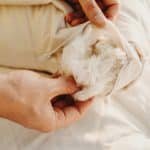
Savvy Rest Organic Kapok Pillow
Better
Best for: A soft vegan alternative to down
Materials: Organic kapok with an organic cotton casing
Feel: Fluffy and moldable
Price: $$
What stands out: Kapok gives a softer, more moldable feel than foam. The pillow is intentionally overfilled so fiber can be removed until the height feels comfortable.
Good to know: The materials are appealing, but the finished-product certification details are less extensive than the strongest picks above.
Mattress Protectors + Pads
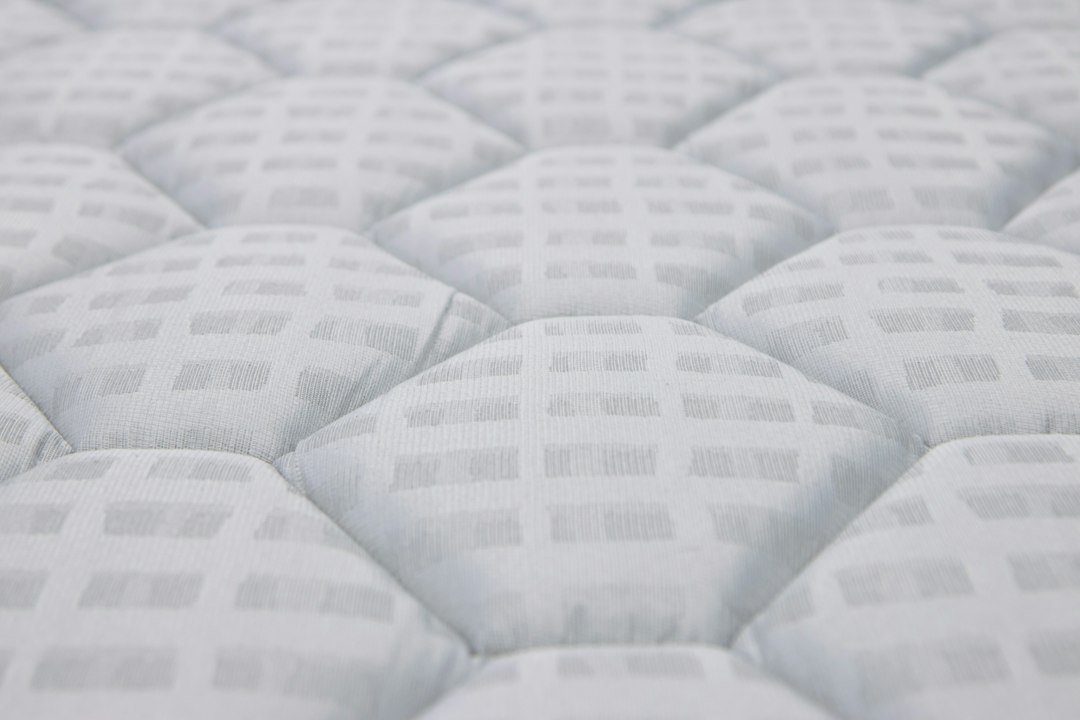
A waterproof protector contains a barrier designed to block liquid. A mattress pad can absorb moisture or add a little cushioning but is not automatically waterproof. If waterproofing is not needed, there is no reason to add the extra membrane.
Avocado Organic Waterproof Mattress Protector
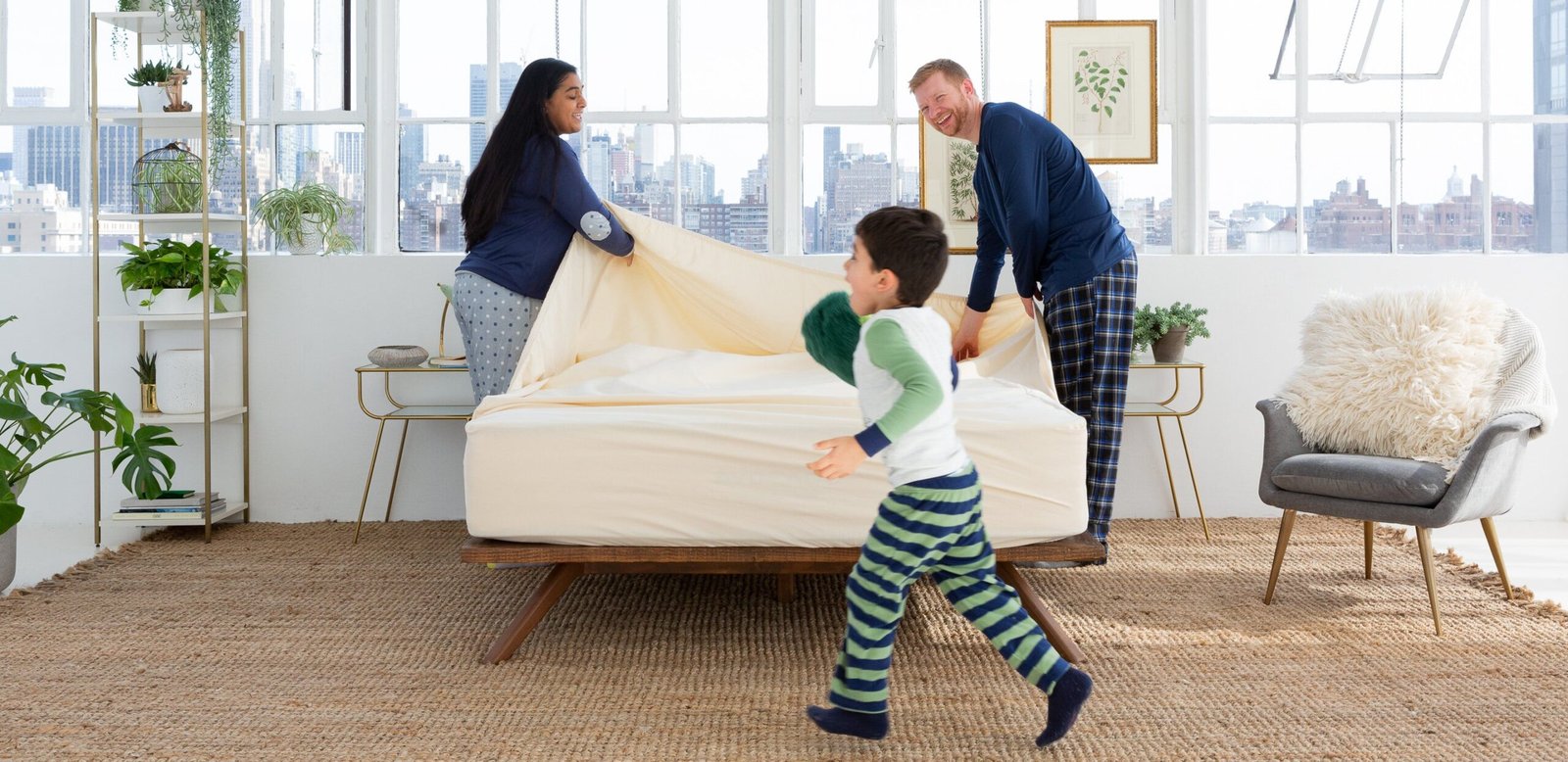
Best
Best for: Waterproofing with unusually clear material and PFAS disclosure
Materials: Organic cotton with a thin polyurethane waterproof layer
Certifications + testing: GOTS, GREENGUARD Gold, MADE SAFE, UL Formaldehyde Free and targeted PFAS testing
Price: $$
What stands out: The company explains what creates the waterproof barrier instead of making the cotton sound magically waterproof. Avocado has also published testing covering hundreds of PFAS substances across components of the protector.
Good to know: There is still a synthetic waterproof membrane. That is the functional tradeoff.
Naturepedic Waterproof Organic Mattress Protector Pad
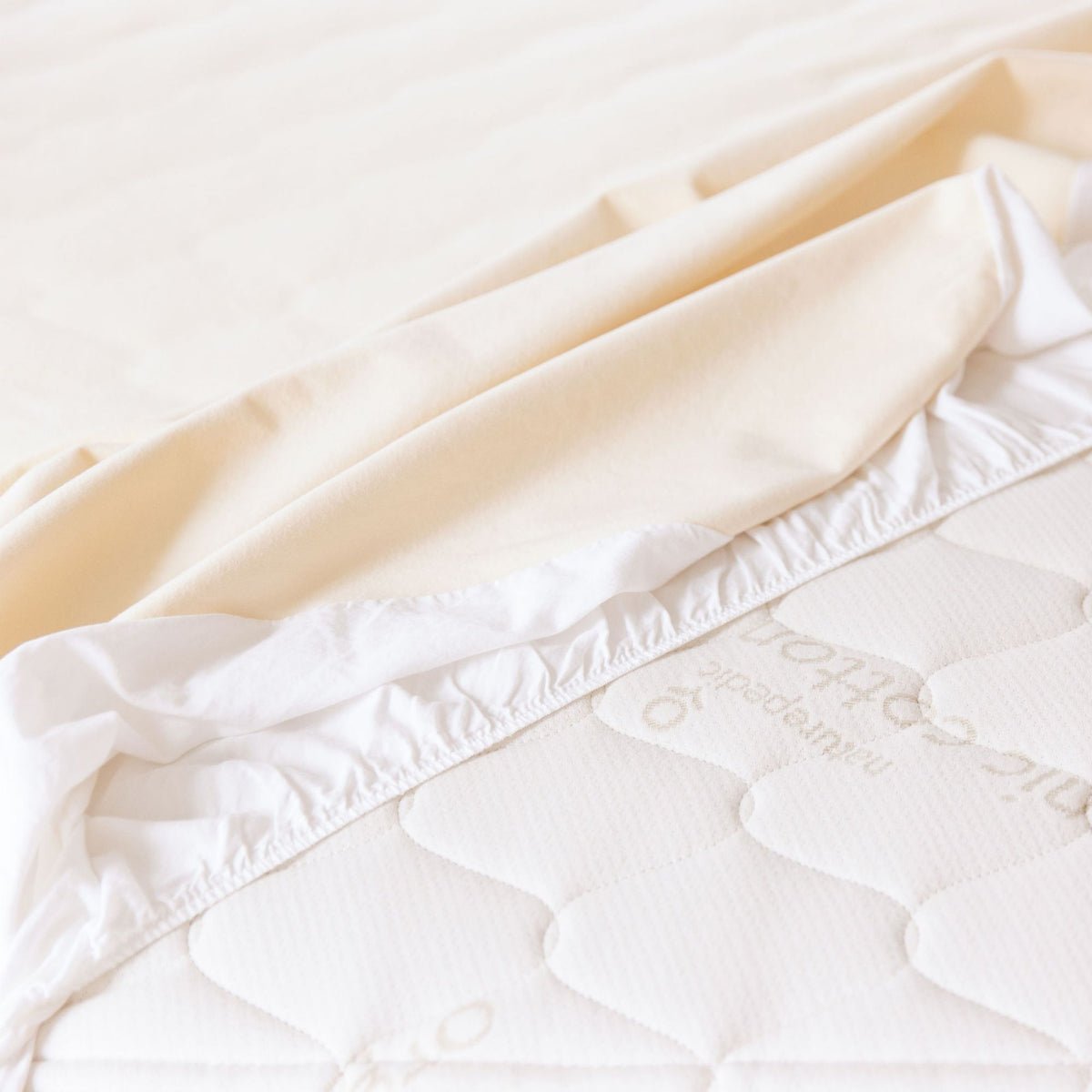
Best
Best for: Straightforward waterproof protection
Materials: GOTS organic cotton jersey with a thin TPU waterproof barrier
Price: $$
What stands out: Clear construction. Cotton creates the sleep surface and TPU does the waterproofing.
Good to know: Organic cotton can shrink somewhat during the first few washes.
My Green Mattress Organic Cotton Protector
Better
Best for: Waterproof protection at a lower price
Materials: Two layers of GOTS organic cotton with a thin TPU moisture barrier
Price: $
What stands out: The waterproof layer is clearly disclosed and represents a small portion of the finished protector.
Good to know: The finished product certification profile is not as extensive as Avocado’s.
Whisper Organics Luxury Organic Cotton Quilted Mattress Pad
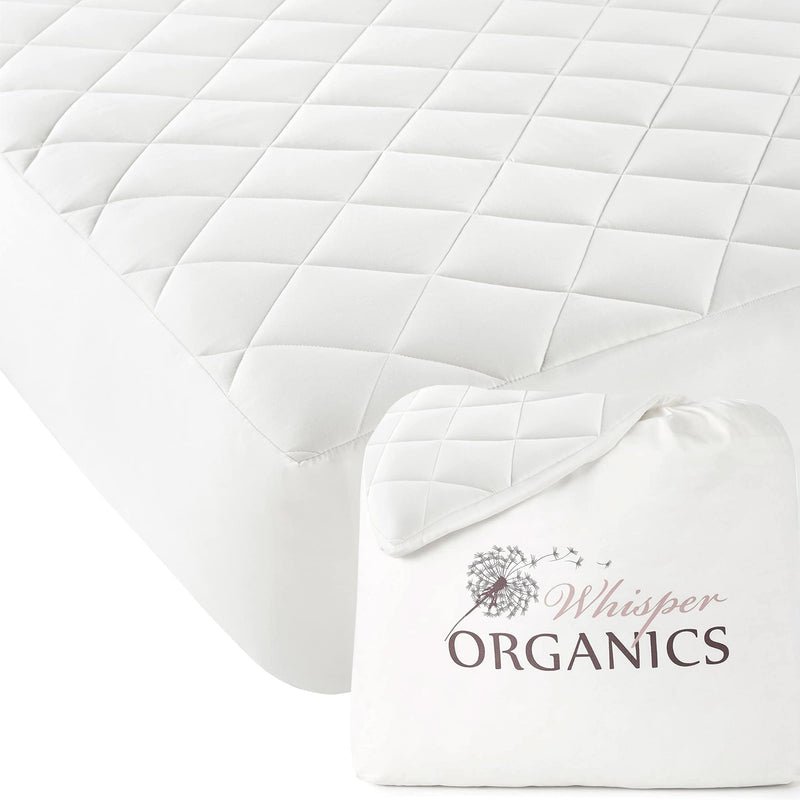
Best
Best for: A washable cotton layer when waterproofing is unnecessary
Materials: Organic cotton cover and cotton padding
Certifications: GOTS + Fairtrade Certified cotton
Price: $$
What stands out: No membrane at all. It adds a washable, absorbent cotton layer without adding waterproof plastic when that function is not needed.
Good to know: It is not waterproof.
Mattress Toppers
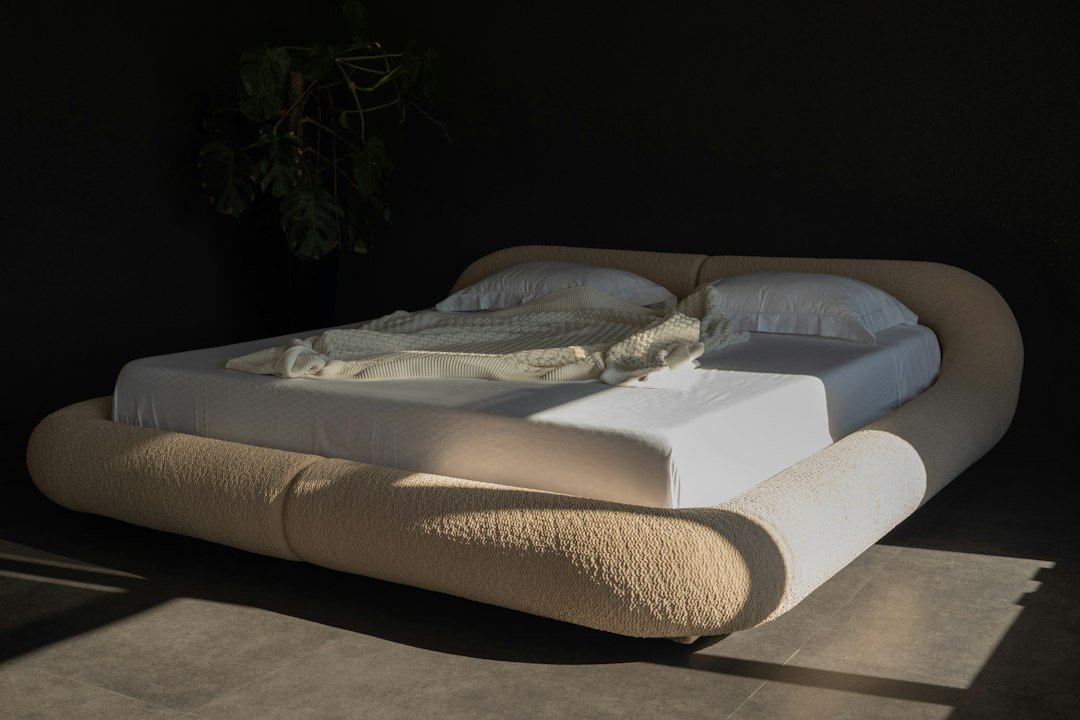
A topper can make sense when the mattress underneath is still supportive but the surface feels too firm or uncomfortable. It cannot fix a mattress that is sagging or has lost its underlying support.
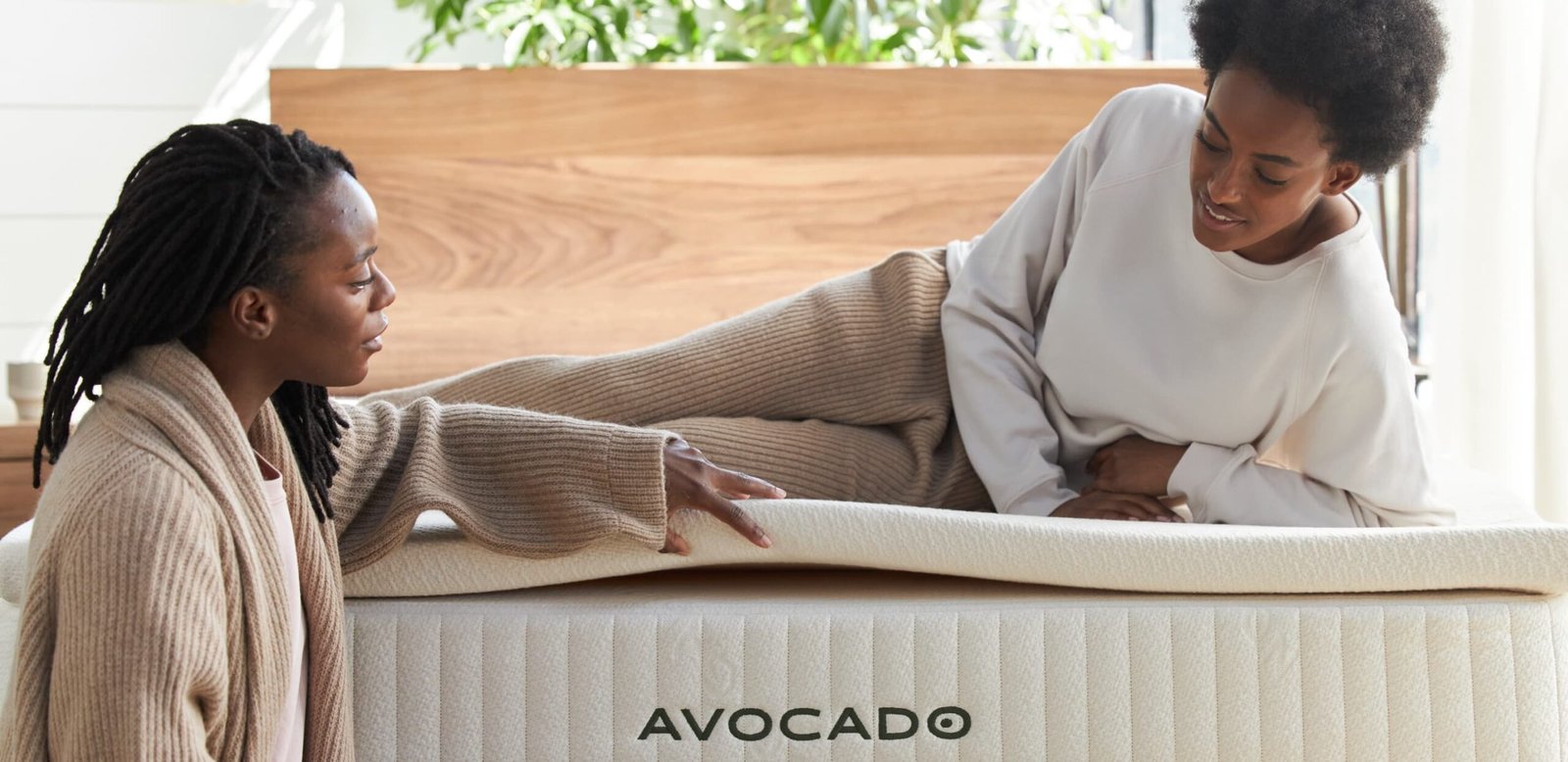
Avocado Eco Organic Mattress Topper
Best
Best for: Choosing both the amount and style of cushioning
Materials: Organic cotton with either organic Dunlop latex or FSC certified Talalay latex, depending on configuration
Price: $$ to $$$
What stands out: Different thicknesses and latex types let the topper solve more than one comfort problem instead of offering one generic feel.
Good to know: The Plush Talalay version is not GOLS organic latex. Choose the Medium Dunlop option if organic latex certification is the priority.
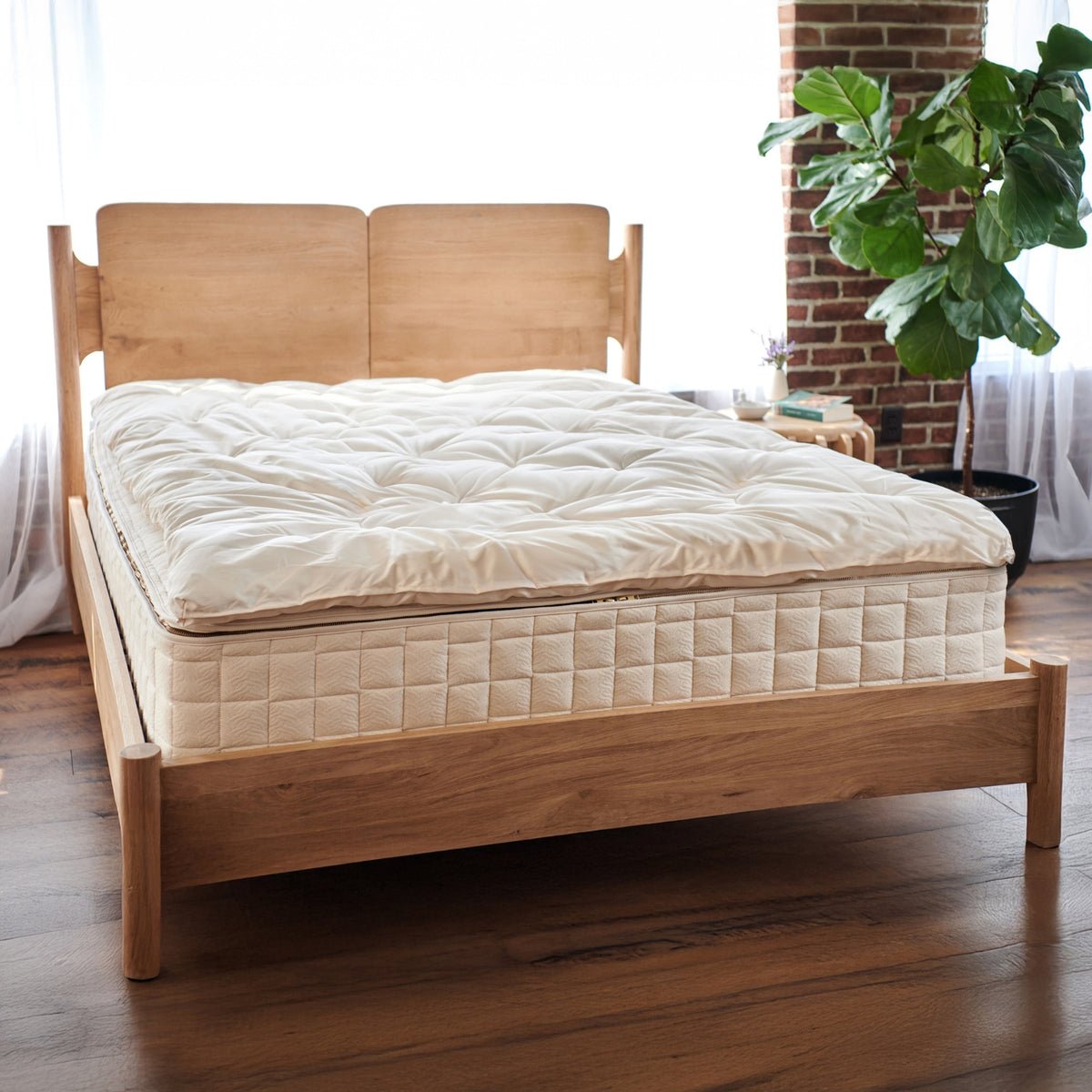
Naturepedic Wooly Organic Wool Mattress Topper
Best
Best for: Softer cushioning without latex
Materials: Organic wool in an organic cotton encasement
Feel: Soft surface padding without deep sink
Price: $$$$
What stands out: Wool changes the feel differently from latex. It adds a padded surface while leaving more of the mattress’s existing support intact.
Good to know: It is expensive, spot clean only and wool naturally compresses over time.
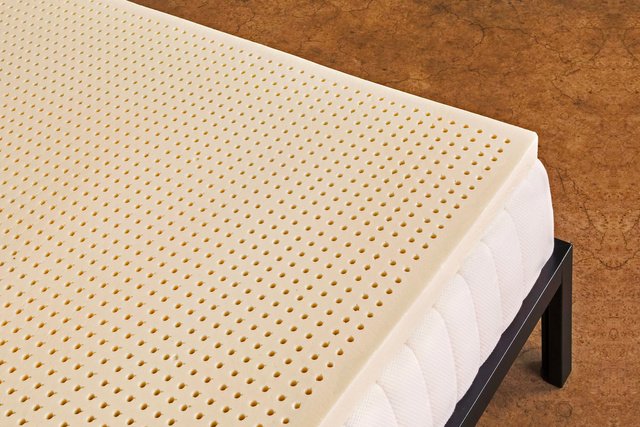
Sleep On Latex Pure Green Natural Latex Mattress Topper
Best
Best for: A straightforward organic latex topper without luxury pricing
Materials: GOLS organic natural latex with an optional organic cotton cover
Price: $
What stands out: Several thicknesses and firmness choices make it easier to change the bed gradually rather than buying the thickest topper automatically.
Good to know: The cotton cover is optional, so check which configuration is being ordered.
Comforters + Duvet Inserts
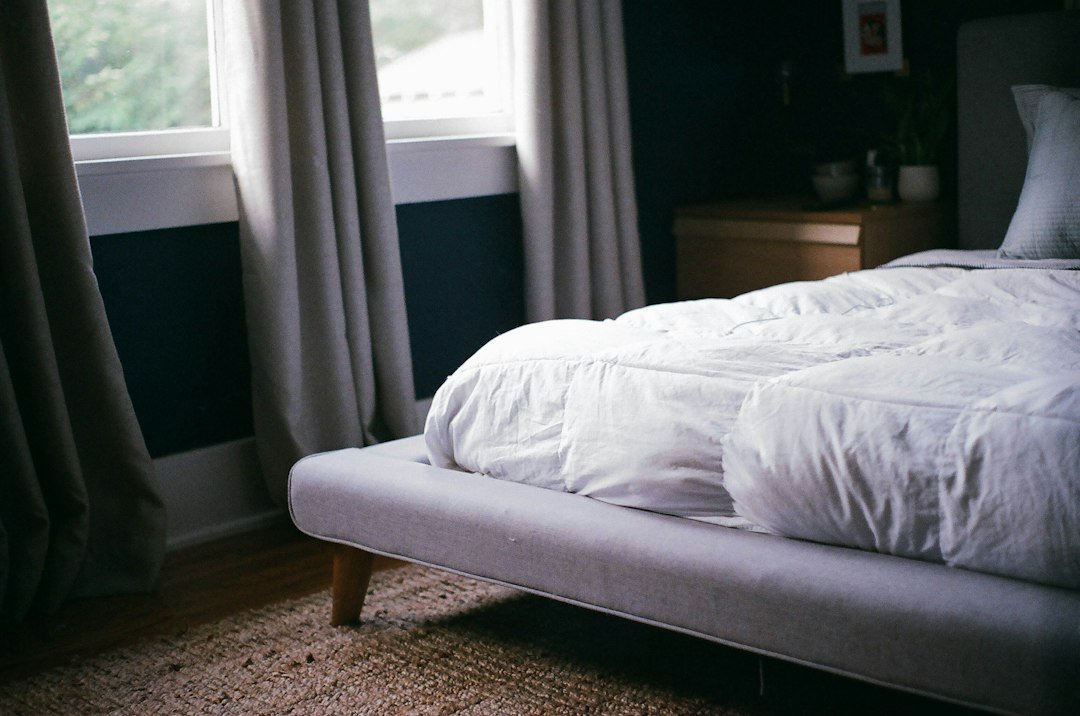
Shell: the fabric on the outside
Fill: what is inside
An organic cotton shell can still contain polyester batting.
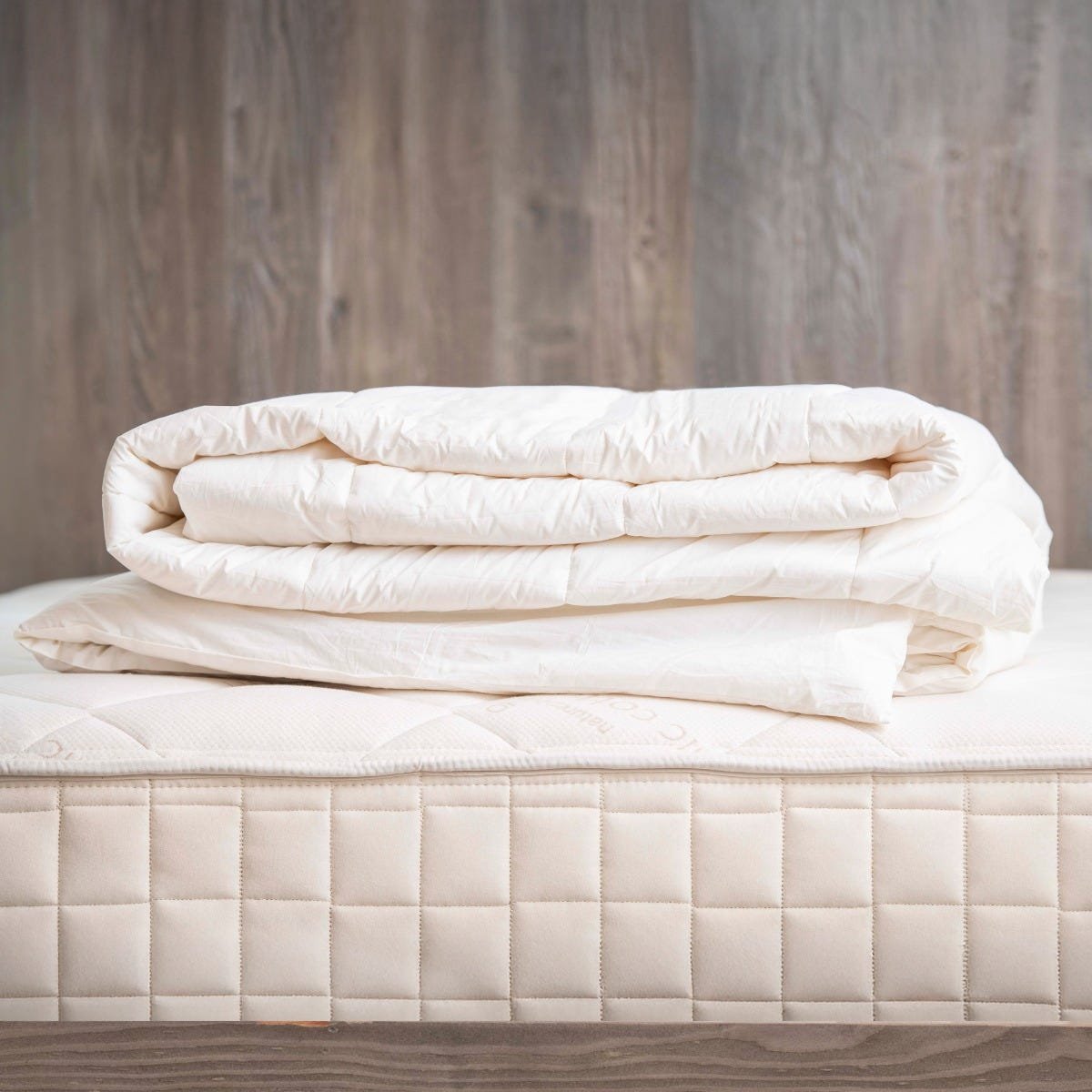
Naturepedic Organic Wool Duvet Insert
Best
Best for: Wool warmth without synthetic fill
Materials: Organic cotton percale shell with organic wool fill
Certifications: GOTS + Responsible Wool Standard
Price: $$$
What stands out: Wool gives warmth while also handling moisture well, which makes it more versatile across temperatures than people sometimes expect.
Good to know: Spot clean only. A washable duvet cover makes sense.
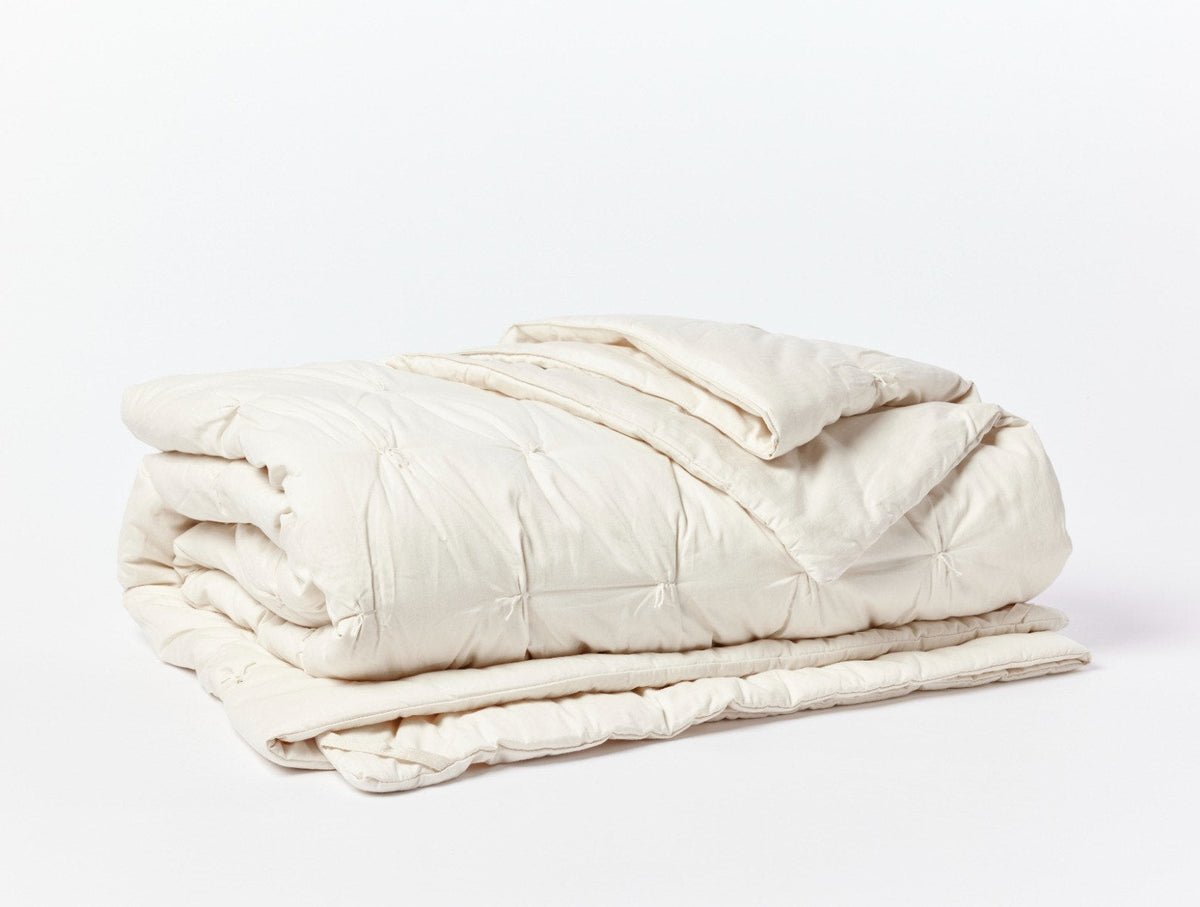
Coyuchi Climate Beneficial Cotton Duvet Insert
Best
Best for: A vegan cotton filled insert with a more interesting sourcing story
Materials: Organic cotton shell with Climate Beneficial cotton batting
Price: $$$$
What stands out: Cotton outside and cotton inside, with fill sourced through California farming work focused on improving soil health and broader ecosystem outcomes.
Climate Beneficial and certified organic describe different things. The program focuses on farming practices intended to support soil health and ecosystem outcomes, which gives the fiber a specific agricultural story rather than a vague sustainability claim.
Good to know: Cotton fill has more physical weight than many down-style alternatives.
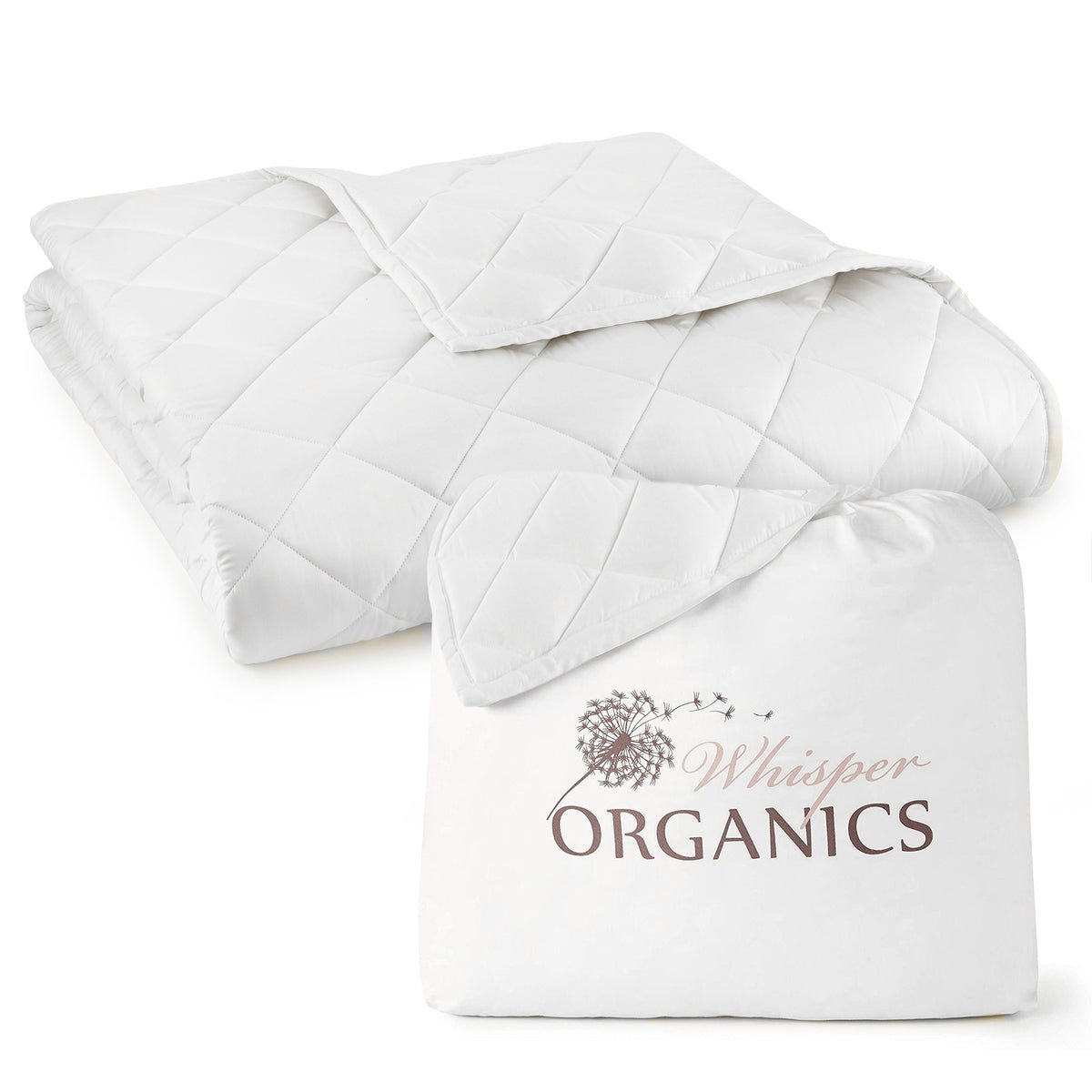
Whisper Organics 240 GSM Organic Cotton Filled Comforter
Best
Best for: Cotton fill without the premium price
Materials: Organic cotton shell with organic cotton fill
Certifications: GOTS + Fairtrade
Price: $$
What stands out: Simple construction, no polyester fill, machine washable and corner tabs for using it inside a duvet cover.
Good to know: Cotton fill is physically heavier than many synthetic or down-style alternatives.
Duvet Covers
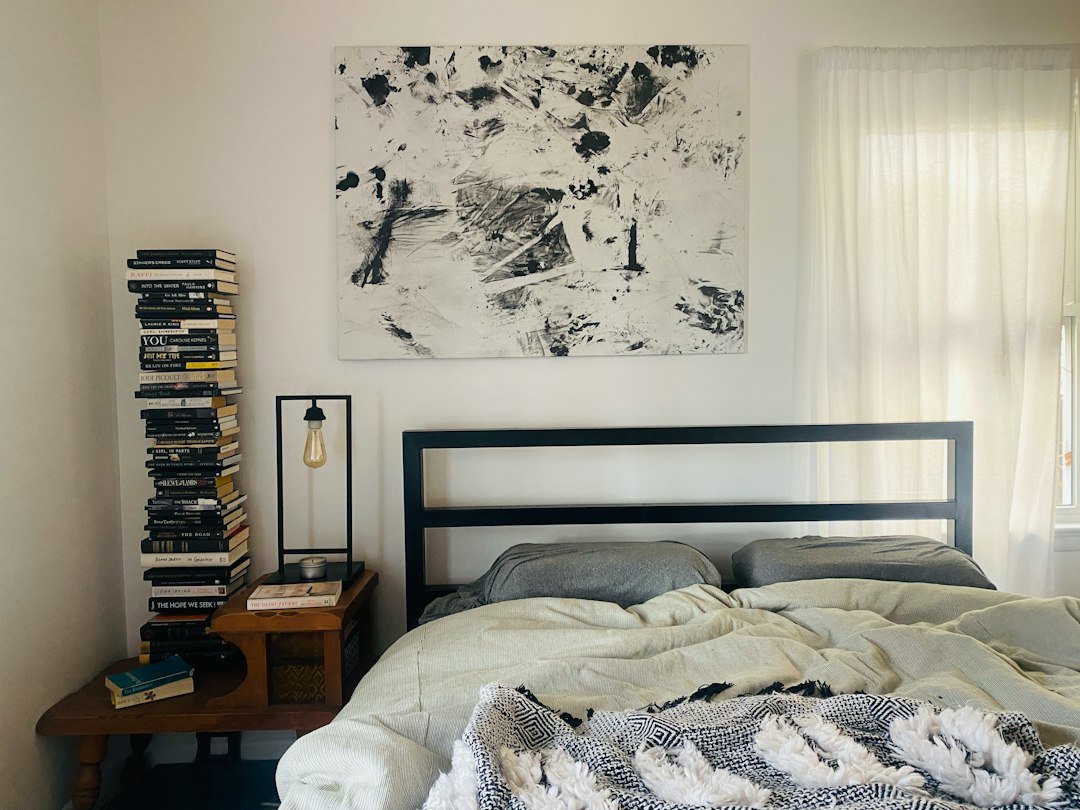
A duvet cover is one of the biggest visual surfaces in the bedroom. This is where texture, color, drape and material can do just as much work as another decorative accessory.
Avocado Organic Percale Cotton Duvet Cover
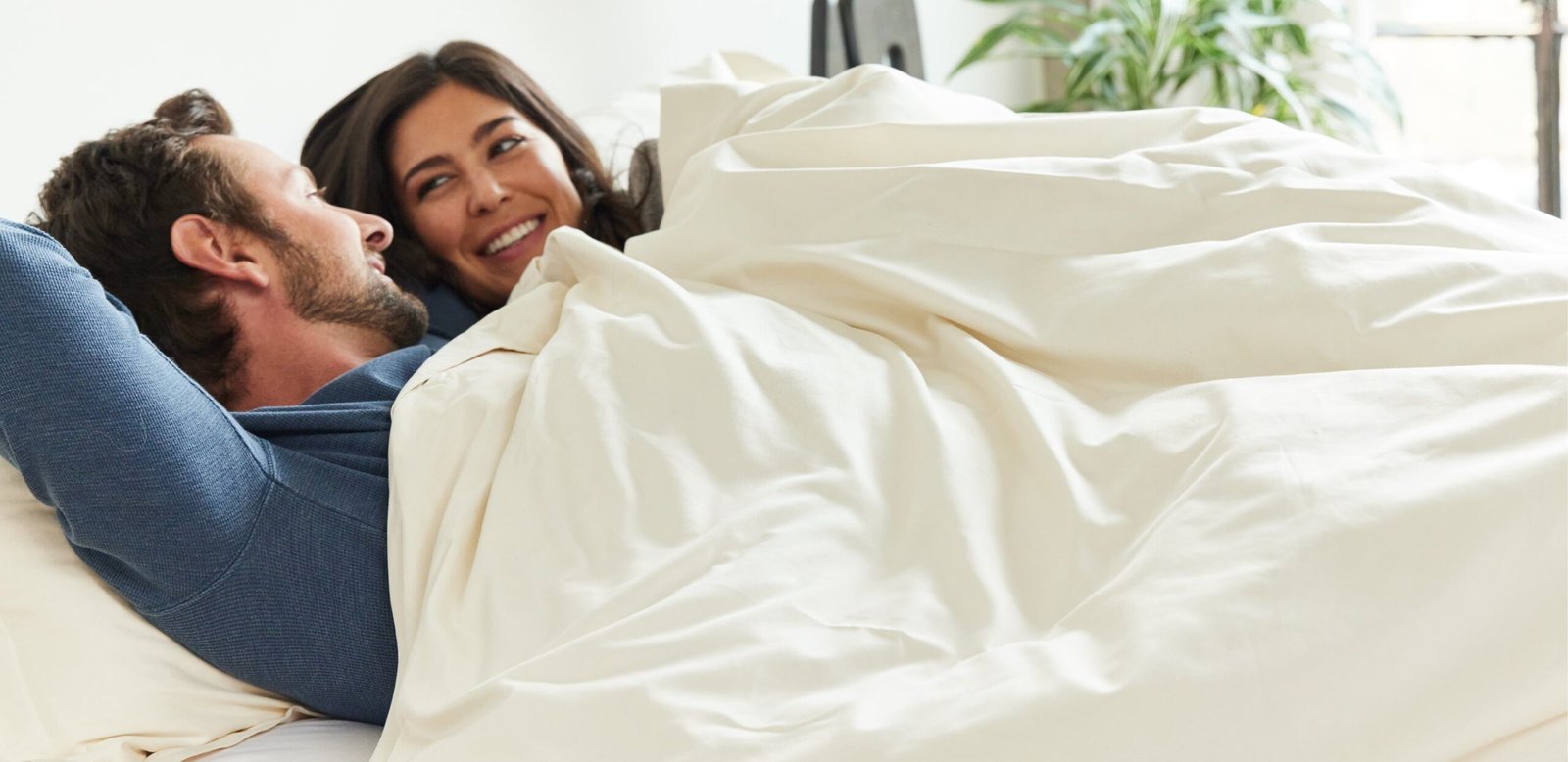
Best
Best for: Crisp organic cotton with thoughtful finishing details
Materials: Long staple organic cotton percale
Certifications: GOTS + OEKO-TEX Standard 100
Price: $$
What stands out: Crisp, simple fabric with corozo nut buttons and internal ties that keep the insert from drifting around.
Good to know: Percale is matte and crisper than sateen.
Bare Home Organic Cotton Percale Duvet Cover Set
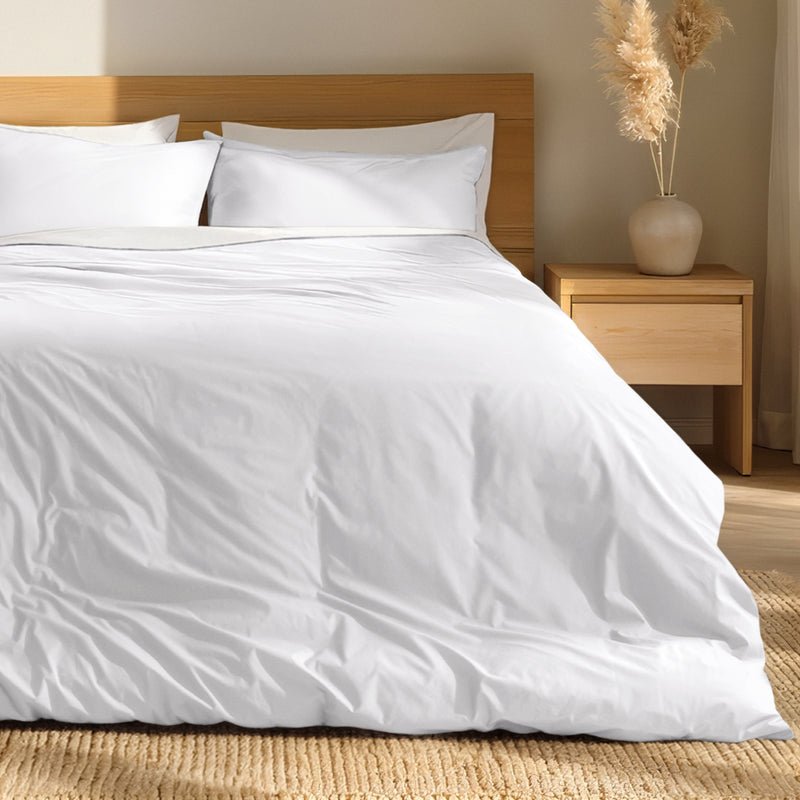
Best
Best for: Organic cotton at a more accessible price, with shams included
Materials: Long staple organic cotton percale
Certifications: GOTS + OEKO-TEX Standard 100
Price: $
What stands out: Certified organic cotton, matching shams and a lower price make this a useful option for someone who wants a complete percale duvet set without moving into luxury pricing.
Good to know: The duvet insert is sold separately.
Parachute Linen Duvet Cover
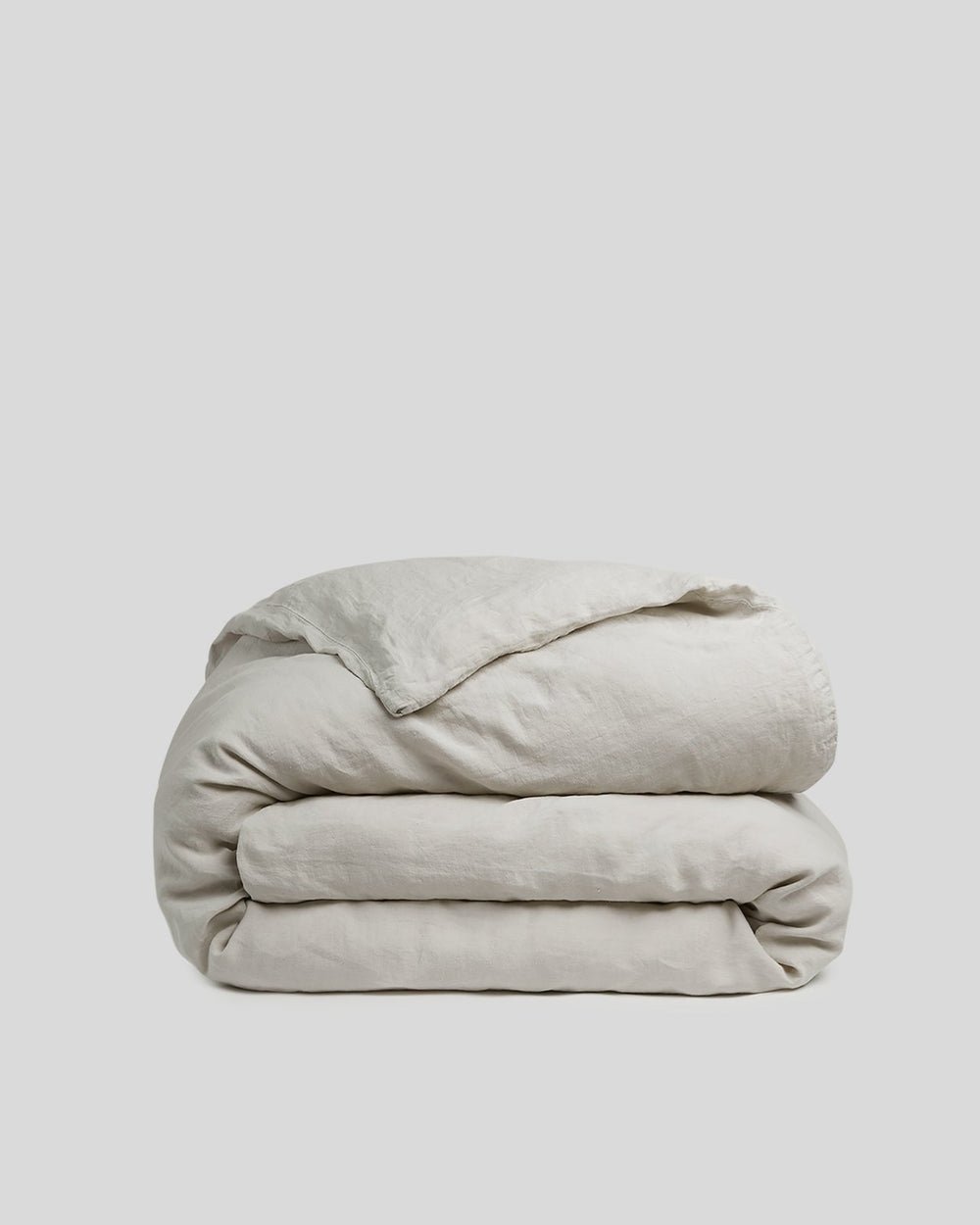
Better
Best for: A softer, relaxed and more textural bedroom
Materials: European flax linen
Testing: OEKO-TEX Standard 100
Price: $$$
What stands out: The garment-washed linen and broad color range let the design side of the bed come through rather than making every recommendation another white organic cotton textile.
Good to know: The flax is not labeled organic.
Blankets + Quilts
These are the pieces that can make a simple bed feel finished through texture rather than more decorative clutter.
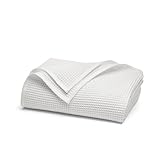
Boll & Branch Waffle Bed Blanket
Best
Best for: Breathable layering and texture
Materials: Long staple organic cotton
Certifications: GOTS + OEKO-TEX Standard 100 + Fair Trade Certified factory
Price: $$$
What stands out: The raised waffle weave adds enough dimension to make a neutral bed interesting while still being a useful layer.
Good to know: This is a midweight blanket rather than a heavy winter layer.
Naturepedic Breathable Organic Cotton Muslin Blanket
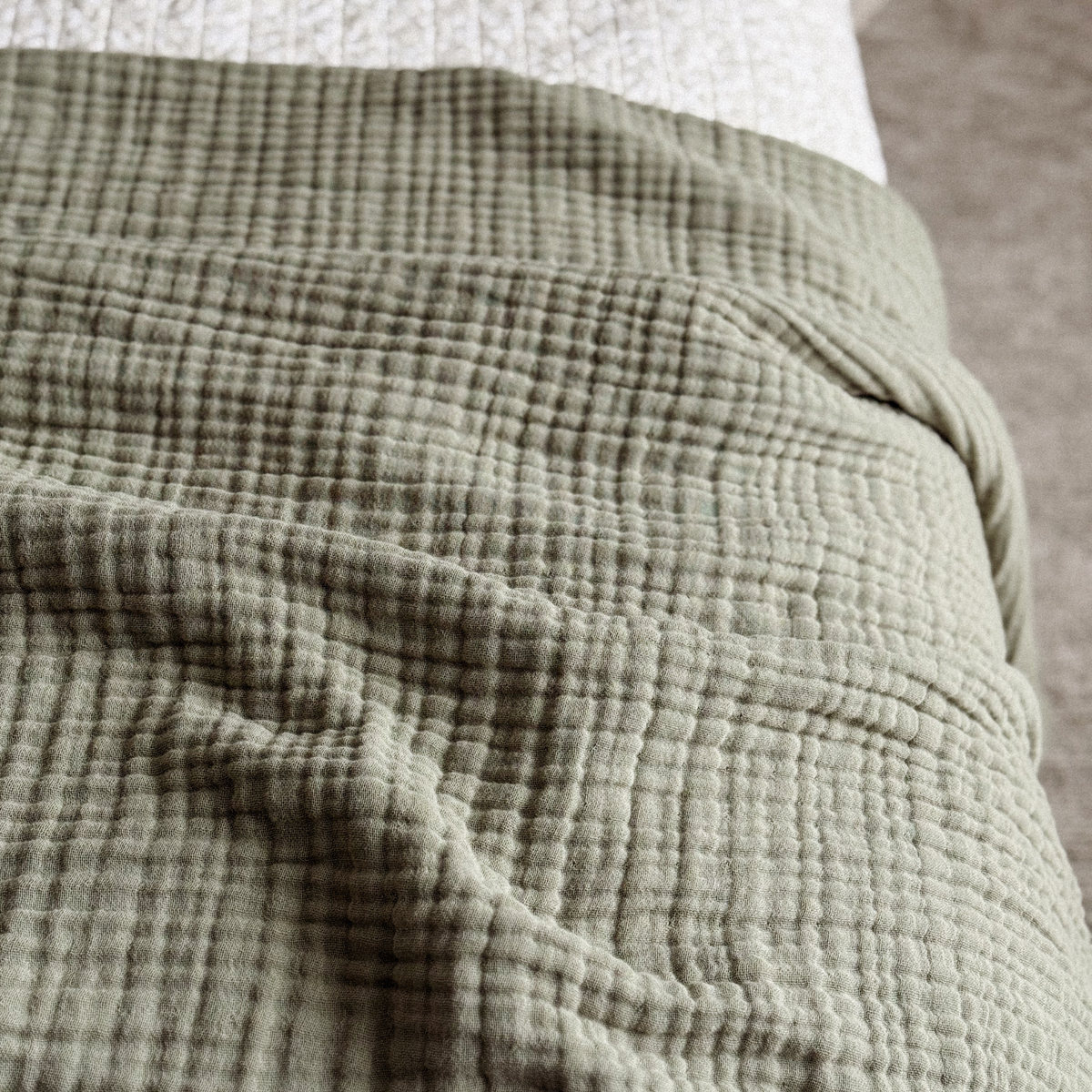
Best
Best for: A soft, lighter blanket for warmer rooms
Materials: Four layers of organic cotton muslin
Certification: GOTS
Price: $$
What stands out: Muslin gets softer as it is washed, and the naturally puckered texture gives it an easy, broken-in look.
Good to know: It is intentionally light and gauzy.
Coyuchi Pebbled Handstitched Organic Quilt
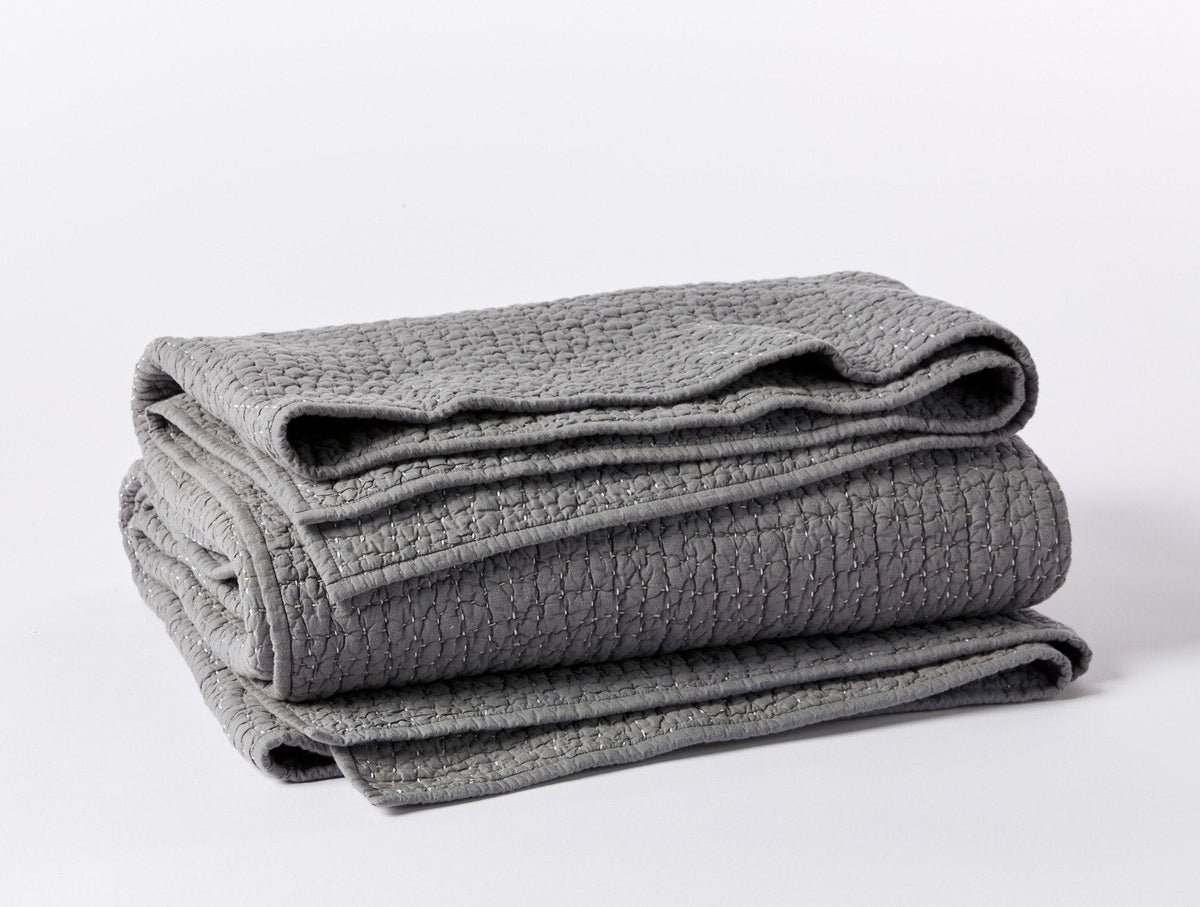
Best
Best for: Craftsmanship, texture and an all-cotton quilt
Materials: Organic cotton shell with organic cotton batting
Certification: GOTS
Price: $$$
What stands out: The hand stitching gives the quilt character and texture, and both the outer fabric and batting are cotton. It brings craftsmanship into the guide rather than making bedding only about certifications and fiber lists.
Good to know: Shams are sold separately unless purchased as part of a bundle.
Do You Need to Replace the Bedding You Already Own?
No.
Keep bedding that is comfortable, intact and doing its job.
Replace bedding that is:
- Moldy or water damaged
- Deteriorating or shedding badly
- Producing a persistent strong smell
- No longer washable
- No longer supportive or comfortable
- Failing at waterproofing or another job it is supposed to do
- Already at the end of its useful life
Otherwise, replace pieces naturally as they wear out.
If one piece is already due, sheets and pillowcases are an easy place to start because they sit directly against the skin and cost far less than rebuilding an entire bed.
Point of Alignment
A bed is one of those places where material and feeling are almost impossible to separate.
Crisp percale changes the experience of climbing into bed. Linen softens and relaxes with use. Wool has a different weight and warmth from polyester fill. A handstitched quilt adds texture before it is ever touched.
Build the bed around comfort first, then let the materials, texture and way it looks work together.
When the temperature, weight, softness and look all feel right, a bed usually needs less on it, not more.
Want More Bedding Options?
This guide is intentionally edited down to the products that are most useful for different needs.
For more sheets, pillows, blankets, protectors and bedding options, visit the Aalign Shop and choose Bedding & Bath.
Affiliate disclosure: Aalign may earn a commission when you purchase through some links in this article, at no additional cost to you. Recommendations are based on the product itself, not the commission.