

Set the Energy for Your New Home and Clear What Came Before
Just like people, land and homes carry memory and history.
Even a brand new build holds an imprint. From the soil it stands on to the pace and process of construction, every step shapes how a space eventually feels.
When we talk about a home’s energy, this is not only a spiritual concept. It is also grounded in environmental psychology and how the human nervous system responds to space. Light, airflow, sound, materials, and layout all influence stress levels, mood, and the sense of safety our bodies feel inside a home. Calm, intentional environments tend to support calm, regulated nervous systems.
The architect, the designer, and the people building the home all influence the final result. When a process is rushed or tense, that stress can subtly show up in how a space feels. Homes built with care and intention often feel more grounded and settled.
Clearing and resetting a space before settling in allows you to consciously claim the home as yours and begin a new chapter with awareness.
These practices apply whether you are building a home from scratch or moving into a space that has already been lived in.
Prepare for the Energy Cleansing Work

Preparation matters because the body responds to intention and presence.
The night before clearing your home or land, eat lightly and slow down. This helps regulate the nervous system and makes you more grounded during the process.
If you enjoy baths, take a salt bath using sea salt or a mix of sea salt and baking soda. Warm water and minerals help relax the body and release tension.
If baths are not your thing, rubbing Epsom salt onto your skin in the shower, especially on your feet, offers a similar grounding effect.
In the morning, stretch, breathe deeply, and drink water. Spend a few quiet minutes sitting in stillness. This signals to your body that you are entering a moment of intention rather than rushing through another task.
Before Moving In If the Home Had Previous Owners

This process is especially important when moving into a home where others lived before you.
Homes do not only hold physical wear. They hold patterns. Daily routines, stress, illness, conflict, celebration, and emotion leave subtle impressions over time. This is not superstition. It is rooted in how humans respond to sensory environments and unfamiliar spaces.
Environmental psychology shows that people unconsciously react to cues in their surroundings. A home that has held years of tension or instability can feel heavy or unsettled even if it looks beautiful. Often, this is the nervous system responding to stale air, lighting, sound patterns, and layout rather than anything intangible.
Before moving in, it helps to mark the transition from someone else’s life to your own.
Start with a physical reset. Remove leftover items, deep clean surfaces, open windows, and allow fresh air and natural light to move through every room. This clears both environmental residue and psychological attachment.
You can then cleanse the space using any method that feels right to you, such as smudging, salt, prayer, or spoken intention. The goal is not to erase the past, but to acknowledge it and set a clear boundary for what begins next.
A simple practice is to stand in each main room and quietly state that the home is entering a new chapter. This helps the mind and body register safety, ownership, and belonging.
Before Laying the Foundation

If you are building from the ground up, this stage offers a unique opportunity to connect with the land itself.
Spending time walking the property slowly helps establish presence and awareness. Research in environmental psychology shows that physical engagement with space increases emotional connection and a sense of grounding.
You may choose to pour clean water onto the soil where the main living space or entry will be. Water marks transition and renewal in many cultures, but it is also a practical grounding action that connects intention with the physical land.
Some people write a short intention and place it in the ground in a glass container or biodegradable material. This creates a physical marker that represents clarity and purpose at the beginning of the build.
If you choose to work with crystals, think of them as symbolic anchors rather than tools that act on their own. Crystals have stable molecular structures, which is why they are used in technology and medical equipment. When paired with intention, they serve as steady reminders of what you are building and why.
Even pausing for one quiet minute before excavation begins can shift the tone of the entire process. Marking transitions helps the nervous system experience change as intentional rather than stressful.
Ways to Cleanse the Space

There is no single correct way to cleanse a home.
You can cleanse and bless your land/house in any way that feels right to you, but here are three simple methods.
Smudging
Smudging with sage or palo santo is a symbolic practice used across cultures. The value lies in moving slowly and intentionally through the space.
Begin in the easternmost corner and move clockwise, guiding smoke into corners and quiet areas. When finished, stand in the center and state a simple intention such as peace, protection, and ease.
Salt
Salt works best as a short-term reset tool. Holding it, placing it, and later removing it reinforces the idea that attention and intention can shift a space.
Use un iodized salt and place a small pinch in each corner. Sweep or vacuum it away afterward.
Prayer, Chanting, or Shared Ritual
Spoken words matter because the brain responds strongly to meaning. Whether it is prayer, affirmation, or a shared moment with loved ones, voice helps anchor intention. Group participation often deepens the emotional effect.
The Role of Air and Light
Fresh air and natural light are two of the most effective and evidence-based ways to reset a space.
Opening windows increases oxygen levels, reduces indoor pollutants, and helps regulate the nervous system. Sunlight supports circadian rhythm, mood, and overall well-being.
This step bridges symbolism and science by clearing both physical stagnation and mental heaviness.
A Symbolic Final Step
After clearing, anchoring the energy you have set helps maintain it.
Living plants placed in a central area help with this in a very real way. They improve air quality, add humidity, and visually signal life and care. When a space looks tended to, people subconsciously treat it differently, which changes how it’s used and how it feels.
Natural stones like selenite are often used because they act as visual anchors. They don’t change the air or the energy on their own, but they work as reminders. Seeing them reinforces the intention you set, which is what actually creates continuity.
Salt bowls in corners are another optional step. Salt can absorb moisture and odors, which is why people often use it after a reset. Leave the bowls out for about 24 hours, then throw the salt away. Don’t reuse it.
These are just a few ways but none of this is required. These are simple tools people use to support a space feeling clear, balanced after a move or reset.
Cleansing After the House Is Built
Start With a Physical Deep Clean
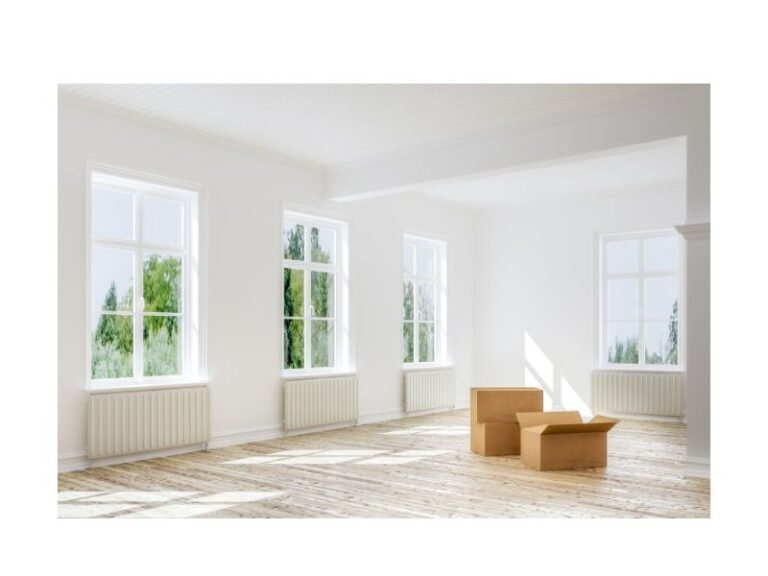
Open windows and clean floors, walls, door frames, and surfaces. Removing dust and residue improves both physical health and psychological comfort.
Cleanse Energetically and Environmentally
Once physically clean, cleanse the home using the methods above.
Material choices matter. Paints, insulation, flooring, and furniture can release chemicals into the air for years. EMFs and poor ventilation add to cumulative stress on the body.
A helpful rule of thumb is this: if a material smells strong, relies heavily on chemical treatment, or is designed to be disposable, it likely carries a higher chemical burden.
Simple choices such as low VOC paint, solid wood instead of particle board, non toxic insulation, proper ventilation, and thoughtful electrical planning make a meaningful difference.
Long-term investments like solar power, energy efficient lighting, double pane windows, and tankless water heaters support both environmental responsibility and long-term well-being.
A Thoughtful Beginning

Setting the energy of your home is about creating a foundation that supports the life you want to live inside the space.
Homes respond to care. When we treat them thoughtfully, they often give that care back in quiet, lasting ways.
If you found this inspiring, explore Aalign’s curated guides for safer furniture, non-toxic rugs, and clean home upgrades.
Read Next: 13 Best Ways to Build or Renovate Healthy Living Spaces