
Some product links in this guide are affiliate links. They may earn Aalign a commission at no added cost to you.
Understanding Energy Flow in Feng Shui for Bedrooms
Before applying Feng Shui principles to your space, it’s essential to understand the concept of energy flow, especially in a feng shui bedroom. As often mentioned, energy flow is central to Feng Shui.
In a metaphysical sense, energy, often referred to as “Chi”, is a subtle yet powerful force that connects all things in the universe. This energy is present in every object, whether living or inanimate, from the fibers of your furniture to the cells of a plant. Each element carries this energy, much like the unseen aura that surrounds people or the vibrations emitted by certain places. This energy flows through everything around us, including our homes, as every piece, material, and color expresses its unique essence.
Think of energy as flowing like water within your living spaces—sometimes it moves freely, while at other times, it becomes blocked or stagnant.
The real impact of energy lies on a subconscious level, influencing how you feel and interact with your surroundings. The feng shui bedroom layout directly affects how energy flows, shaping your mental and emotional health. Even though we cannot see it, we can sense it.
In Feng Shui, your home reflects your inner world. Every object and its placement tell part of your story. Through intentional design, you can direct energy to flow harmoniously, bringing balance and positive energy into your life. Thoughtful design enhances aesthetics while also helping energy move smoothly, creating harmony and balance in your home that supports your life on a deeper level.
Transform Your Space with These Feng Shui Bedroom Principles
Your bedroom is your personal sanctuary, where you unwind, rest, and rejuvenate. In some respects it is the most important room in the home because it’s where you spend a third of your life. Thus, it is essential to create a calm and supportive bedroom environment.
In Feng Shui, the bedroom represents your innermost self. It mirrors your subconscious emotions, which is why the condition and design of a space can often reflect how you feel within. For example, if your bedroom feels dark and closed off, it may reflect feelings of fear or isolation, which is considered bad feng shui.
Feng Shui Tips for Creating the Perfect Bedroom Atmosphere
Designing a peaceful bedroom environment is key to fostering a space that nurtures both your body and mind. By focusing on fresh air, natural light, the right colors, textures, and thoughtful decor, you can transform your bedroom into a soothing retreat.
Fresh Air and Natural Light: Vital Elements in Feng Shui Bedroom Design
The simplest things often have the most impact. Start by opening your windows to invite fresh air and natural light into your space. Fresh air refreshes the room’s energy, while sunlight revitalizes, setting a positive tone for the day. This creates good feng shui in your bedroom.
By evening, try lowering the light rather than leaving the bright ceiling fixture on. You may already have the right lamp. If you want a more sculptural bedside lamp, Audo Copenhagen’s JWDA Table Lamp has a softly glowing opal-glass shade and a simple hand-operated dimmer, with a sculptural base in finishes such as concrete or marble. It is a considered design purchase, and the corded model needs an outlet nearby. For more ways to layer light, see From Dull to Dazzling.
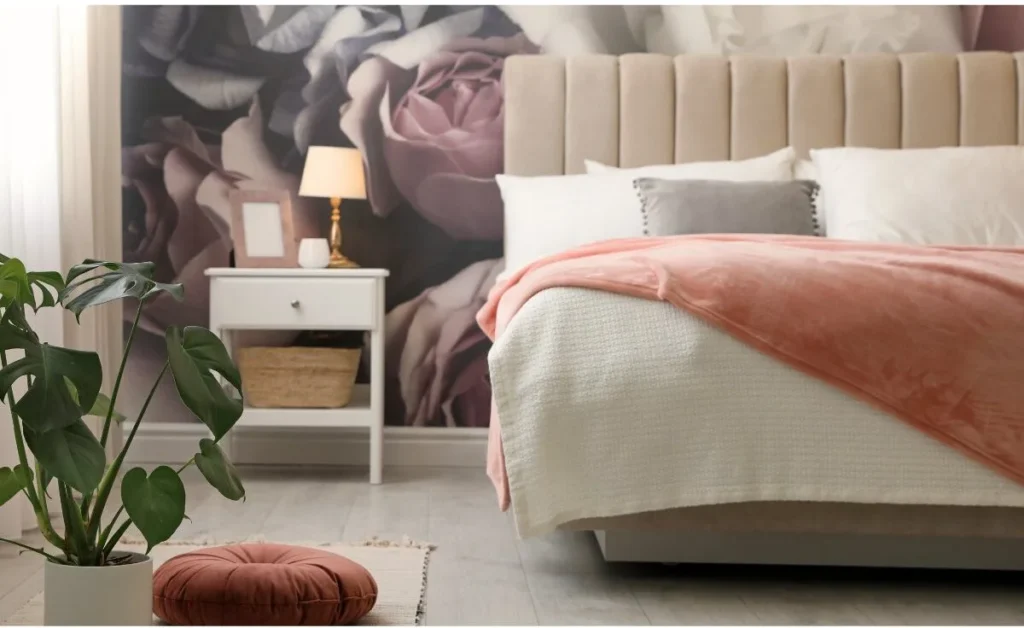
Placing a plant in the corners can further lift the room’s energy and help invigorate the space, so embrace the nature’s elements whenever possible. Choose a plant you can care for, or enjoy the view of greenery outside. Houseplants add beauty, but ordinary potted plants are not a reliable substitute for ventilation or air filtration.
Feng Shui Bedroom Colors That Promote Restful Sleep
The colors you choose for your bedroom are instrumental in shaping the overall mood and quality of rest. If you’re drawn to softer, calming tones, consider gentle blues, muted greens, lavenders or neutral shades for your walls and furnishings. Warm, earthy colors like tans, browns, creams evoke feelings of comfort and security, making you feel nurtured and at peace. These hues naturally promote relaxation, helping you escape the stresses of the day.
To create a cohesive look, layer colors with soft fabrics and cozy textures. Use a plush duvet and a quilted throw, paired with velvet pillows and linen cushions. Drape a chunky knit blanket over a reading chair or the foot of your bed to add texture.
Clutter-Free Spaces for Better Energy Flow in Your Bedroom
Feng shui bedroom rules recommend keeping bedrooms clutter-free because clutter creates stagnant energy, making it harder to relax and feel at ease. A tidy, open space allows energy to flow freely, promoting calm and restful sleep.
Plus, when your room is organized, your mind feels clearer, helping you wake up refreshed and ready for the day. It’s all about creating a peaceful environment that supports rest and rejuvenation. Clutter disrupts this peaceful energy, so keep the space organized and clean to fully recharge.
Choose Feng Shui-Friendly Artwork and Photos for Your Bedroom
Artwork and photos in your bedroom can have a profound effect on the energy and atmosphere of the space. Choosing pieces that radiate positivity, tranquility, and harmony is key to creating a balanced and calming environment.
Choose art that reflects your goals: Select artwork that aligns with what you want to welcome into your life. Pieces that mirror your aspirations and intentions help support your personal journey. For example, images of couples or complementary objects can symbolize unity and enhance the energy of connection in your space.
Avoid negative or unsettling images: Anything that evokes difficult memories or negative emotions can subtly affect your mood and should be avoided, as this creates bad feng shui. Instead, focus on art that inspires joy and calm.
Photos that evoke joy: When selecting photographs, choose ones that capture joyful, meaningful moments. The energy behind these memories can influence the space in positive ways. For the bedroom, images that evoke love, happiness, and connection help create a warm, comforting environment.
Because the bedroom is a deeply personal and intimate space, it’s important to avoid pictures that stir feelings of loneliness or unease. Opt for uplifting images that reflect togetherness, such as couples or family moments, especially if you’re inviting more love into your life. These images can quietly influence your subconscious, promoting feelings of joy and connection.
Lastly, be mindful of mirrors in the bedroom. While they are functional, too many mirrors can disrupt the calm atmosphere you’re trying to create.
- Limit mirrors: Excessive mirrors can speed up energy flow and disrupt the restful vibe in a bedroom.
- Avoid placing mirrors directly facing the bed, as this can interfere with sleep and create an unsettling energy. Keep mirrors to a minimum for a more peaceful, serene environment.
Comfortable Flooring in Feng Shui: The Foundation of a Cozy Bedroom
Your bedroom floor should feel comforting underfoot. Area rugs are a great option, especially if you love the warmth and softness they bring. They not only help to reduce noise and enhance comfort but also create a cozy atmosphere. A thick, woven wool rug can feel amazing underfoot and add that extra layer of warmth.
Wooden floors are another good choice, offering a natural warmth that fits perfectly in a bedroom. While stone or tile may look sleek and stylish, they can feel cold and unwelcoming. If you opt for those materials, be sure to soften the space with plush rugs to keep that cozy vibe alive. Your feet deserve a warm welcome when you step out of bed!
For a bedroom rug, think about the texture against bare feet, a secure rug pad and whether the material is fully disclosed. Wool can feel wonderfully cushioned, though it may shed; cotton can be lighter and easier to handle. See the materials and brand distinctions in our rug and carpet guide before choosing.
Feng Shui Guide to Choosing the Best Window Treatments for Your Bedroom
Window treatments are essential for setting the mood in your bedroom. The ability to control natural light is important, so look for curtains or blinds that are easy to adjust, allowing you to manage light levels throughout the day and night. Flowing, light-filtering curtains made from soft, natural fibers like linen or cotton can also add a touch of elegance and warmth.
Pay attention to what the exact panel contains. Some linen-look curtains are polyester, while others use linen or cotton with a separate lining. Sheer linen usually will not block streetlights or early morning sun, so choose lined or room-darkening coverage if that is the actual problem.
Beyond their practicality, make sure your window treatments complement the room’s overall color scheme. This will tie together the design elements and create a cohesive, harmonious look that feels inviting and balanced.
Bedroom Feng Shui: Optimizing Layout for Better Sleep
Feng Shui concepts are deeply rooted in human survival instincts, where protection and safety were of the utmost importance. This primal need for security carries over into how we design our spaces today—especially the bedroom, where we’re most vulnerable during sleep. Your bed should provide a sense of grounding and protection, and this is why its placement of the bed matters so much.
Positioning your bed thoughtfully is essential for creating a sense of security and relaxation in your bedroom, according to Feng Shui principles. Here are the key considerations:
Command position:
- Place your bed so you can see the door while lying down, but not directly in line with it.
- This arrangement helps you feel more secure and in control, making the bedroom feel more restful.
Energy flow from the door:
- If your bed is directly in front of the door, energy rushing down the hallway can disturb your rest. Some traditional Feng Shui remedies you could consider are:
- Close the door at night.
- Add a higher footboard, place a table or bench at the foot of the bed, or hang sheer curtains or a decorative screen between the door and the bed. A bench can also be a useful place for a throw or spare pillow if there’s room to walk safely around it. The Sabai Essential Storage Bench in Hemp has a removable hemp cover and repairable construction, though it still uses conventional certified polyurethane foam.
- Hang a round crystal between the door and the bed, about two inches below the door frame, to help disperse the energy.
- If your bed is directly in front of the door, energy rushing down the hallway can disturb your rest. Some traditional Feng Shui remedies you could consider are:
Bed placement next to the door:
- Avoid placing your bed next to the door (on the same wall).
- If this is your only option, hang a small mirror on the opposite wall so you can see the door from your bed without it reflecting the bed itself.
- This may help the space feel more settled by keeping the entrance within view.
Positive energy placement feng shui bedroom practices focus on creating an environment where energy flows smoothly while supporting your rest and rejuvenation. The bed position is perhaps the most crucial element in this arrangement, as it determines how energy interacts with you during your most vulnerable state.
Bed Frames for Feng Shui Balance and Stability
The bed frame you choose has a significant impact on the overall sense of security you feel, as it symbolizes stability and support. A solid, well-constructed headboard not only offers a protective backing for your head as you sleep but also grounds you, helping you feel more anchored and safe during the night.
There’s room for different kinds of beauty here. The Medley Pippen Bed in Natural Latex has a beautifully cushioned headboard with wool and latex padding rather than standard polyurethane foam; its fabric and made-to-order price need consideration. See our bed-frame guide for the full material comparisons.
- The most stable and nurturing energy comes from wooden bed frames and solid headboards, for example. Upholstered headboards offer added warmth and comfort, creating a feeling of groundedness.
- Metal or open-slat headboards can sometimes feel cold, stiff, or uninviting, lacking the warmth we desire in our bedrooms. To counteract this, consider weaving silk ribbons, garlands, or decorative vines through the slats to add a touch of softness. In Feng Shui, silk is often used as a protective energetic layer, adding softness and a feeling of security. You might also add plush throws or euro pillows to cover the metal frame, which can further enhance comfort and visual appeal. It’s essential to acknowledge that metal bed frames may not provide the same coziness as wooden ones. Some Feng Shui practitioners believe metal’s conductive qualities can disturb rest for people sensitive to its energy. Others simply find an exposed metal frame less comforting than wood or upholstery.
- Canopy Beds: If you have a canopy bed, choose one with rounded posts and avoid sharp edges to maintain a soft, flowing energy. For an example that combines the feeling of enclosure with an upholstered headboard, look at the Pottery Barn Calistoga Canopy Bed. Its GREENGUARD Gold certification is a meaningful emissions distinction; it also contains engineered wood, oak veneers and foam cushioning rather than being solid wood throughout. Check the height against your ceiling before choosing a four-poster bed. Sharp corners or points in any of the room’s furniture can disrupt the calming ambiance you’re trying to create, so it’s best to opt for smooth, rounded pieces wherever possible.
Bedding and Linen Selection for Feng Shui-Optimized Comfort
Choosing soft, high-quality bedding is essential to getting a good night’s sleep. Here are the important points to keep in mind:
Thread count:
- Choose sheets for their fiber, weave and feel, not a minimum thread count. A breathable cotton percale can be lovely at around 200 threads per inch, while sateen often feels smoother and denser. What feels best against your skin is more useful than chasing 350 or higher.
- A higher thread count does not automatically mean softer or more durable bedding. Pay attention to the quality of the fibers, the weave and how the fabric feels to you.
Luxurious materials:
- Opt for fabrics that promote relaxation, such as silk.
- Silk’s smooth texture feels soothing and, in Feng Shui, is believed to help protect your energy, adding a sense of comfort and care.
Comfort and sleep quality:
- High-quality linens can make a bed feel more comfortable and inviting. For a smooth, comforting feel, the Pact Organic Room Service Sateen Sheet Set uses GOTS-certified organic cotton. Sateen feels softer and more drapey than crisp percale; the exact linked set is White, Full. For cozy layering, the Naturepedic Organic Wool Duvet Insert brings wool and cotton together, but it is spot-clean only and may be warmer than a light blanket. More options are in our organic bedding guide.
How to Clear Negative Energy from Your Mattress for a Fresh Start
The mattress provides a comfortable, safe place for your body to sink into while at the same time absorbing the energy of your daily life as you let go. Over time, it can hold onto emotions, stress, illness, and even energy from difficult experiences.
The energy from a stressful break up or divorce, for instance, can stay trapped in your mattress, subtly affecting your emotional health. When you share your bed with a partner, their energy may still linger, making it difficult to move on emotionally.
In Feng Shui, it’s recommended to replace your mattress after significant events like illness or relationship changes. Bringing a new mattress into your space can symbolize a fresh start. This can help you invite healthy energy while helping you release any lingering emotional baggage tied to the past.
If buying a new mattress isn’t an option, there are ways to cleanse it energetically:
- Sunlight: Allow your mattress to sit in direct sunlight for at least eight hours, as sunlight is a natural purifier.
- Sandalwood Incense: Burn sage, palo santos or sandalwood incense around the mattress to clear away stagnant or negative energy before bringing it back inside.
- Salt-Burning Ritual: After a difficult event like an illness or breakup, perform a salt-burning ritual in your bedroom to remove any lingering negative energy.
Another important aspect to consider is that making your bed each morning, while it may appear trivial, holds considerable significance. This simple act can create an immediate positive impact by bringing a sense of order to your day. It sets a productive tone, helping you feel more refreshed and organized as you start your morning.
Plus, coming back to a neatly made bed in the evening offers a comforting retreat, turning your bedroom into a peaceful sanctuary after a busy day. Embracing this practice truly uplifts your mindset and sets the tone for your day.
If your mattress is worn out, sagging or uncomfortable, that’s a different reason to consider replacing it. Our mattress guide looks at the materials, certifications and comfort choices. The symbolic Feng Shui idea of a fresh start can remain meaningful whether or not you’re replacing the mattress.
Letting Go of the Past: Feng Shui Tips for a Bedroom Reset
It’s essential to create a bedroom that feels fresh and free of negative associations. Aside from your mattress, consider replacing any furniture, decor, or bedding you still use from a previous time of emotional hardship.
Surrounding yourself with reaffirming positive elements helps let go of past memories, making way for healthier, more peaceful energy to enter your life. The best way to reset both your space and your mindset is to create an environment that reflects where you are now or where you desire to be.
If you enjoy the ritual side of this, our How to Clear Stagnant Energy guide explores physical room resets alongside traditional practices and personal intention.
Managing Overhead Items and Exposed Beams for Better Feng Shui Energy
Heavy Objects On Ceiling
In your bedroom, it’s wise to steer clear of heavy objects on the ceiling. For example, ceiling fans attached to heavy light fixtures, enormous chandeliers, or loud exposed beams directly above your bed.
Exposed Beams
According to Feng Shui principles, exposed beams can disrupt energy flow and may even lead to health issues, particularly in areas of the body aligned with them. Prolonged exposure to these beams can create feelings of irritation, disorientation, and frustration, potentially affecting your overall well-being.
Additionally, beams that cross the bed can create division that leads to tension in relationships.
To remedy the impact of exposed beams, introducing a sense of lightness is key to counteracting their downward pressure. Here are a few options to consider:
Install a false ceiling: The most effective solution is to fully conceal the beams with a false ceiling.
Relocate your bed: Move your bed to a position where the beams aren’t directly overhead.
Use a canopy bed: A four-poster canopy bed with fabric drapes and rounded edges can shield you from cutting chi while you sleep.
For a more subtle approach:
Hang artwork or decorations at eye level: This diverts attention from the beams and softens their visual impact.
Paint the beams: Painting the beams to match the ceiling color can make them less visually prominent, though it doesn’t completely mitigate the energetic effect of cutting chi.
Enhance the sense of shelter: These adjustments contribute to a feeling of safety, alleviating any oppressive energy from the beams and creating a more comfortable environment in your bedroom.
As a note, for those sensitive to energy, the cutting chi from sharp corners—whether from furniture or beams—can often be felt. Many people can sense this energy with their hands, and it continuously affects your etheric body, even if you’re not fully aware of it.
Minimizing Electronics in the Bedroom to Reduce EMF Exposure
Electronics such as computers, treadmills, stereos, and TVs emit electromagnetic fields (EMFs). Researchers continue to study different sources, exposure levels and possible health effects. Researchers are still looking at how different EMF sources and exposure levels may relate to sleep, fertility and long-term health. Keeping unnecessary electronics farther from the bed is one simple step if you prefer to reduce exposure.
In light of ongoing questions about EMF exposure, consider keeping unnecessary devices away from the bed. The immediate benefits may be fewer notifications, less screen activity and a room that feels less like a workspace. Placing a phone farther away is sensible; special EMF stickers are not required. Our EMF protection guide explores practical reduction tools and what different products actually do.
Feng Shui emphasizes practical ways to arrange your space for improved energy flow and a harmonious environment. Here are some helpful tips for managing mirrors and a TV in your bedroom:
Avoid placement:
- Do not place mirrors or a TV directly facing the bed, as they direct disruptive energy toward you while you sleep.
- Do not place mirrors or a TV directly facing the bed, as they direct disruptive energy toward you while you sleep.
Use a cover:
- If mirrors or the TV are facing your bed, consider using a cover to easily hide them when not in use.
- Alternatively, store the TV in a built-in cabinet.
Cover the TV at night:
- Be sure to cover the TV before bedtime, as it acts like a mirror—it’s best not to have your reflection visible in it.
Designing the Perfect Children's Room with Feng Shui
Feng Shui principles align with common-sense practices that you may already be familiar with or feel drawn to. A child’s space should also follow this approach, bringing together a sense of support, confidence, imagination and room to learn.
As children use their bedrooms for sleeping, studying, and playing, they can easily become cluttered. If there is too much clutter in your child’s room, they may be overstimulated, making it hard for them to find comfort in their own rooms, sleep, or focus on their homework. Therefore, decluttering the room regularly, including closets and storage areas for toys, is essential.
- Begin by assisting your child in selecting:
- The toys and stuffed animals they still use or cherish
- Removing the rest that only collect dust
Also, be mindful of what hangs above their bed; an excess of decorations like mobiles or floating objects can create unease, especially at night. Your child will feel safer without the worry of things falling on them while they sleep.
To keep the room organized, consider installing shelves, bookcases, or storage bins that encourage tidiness. Designating a specific spot for toys and stuffed animals—such as a toy chest or hamper—can help maintain order.
Items that Reflect Present & Future
Remember, the room should evolve with your child, reflecting their changing interests and needs as they grow. There’s a fine line between security objects, like a favorite stuffed animal, and an excess of items that symbolize their past. Keep a few meaningful pieces that reflect their present and future, such as:
- Trophies
- Certificates
- Artwork that celebrates their accomplishments
These objects can boost self-esteem and provide positive reinforcement, creating good feng shui.
As your child matures, you can encourage them to focus on their goals. For example, help them create a manifestation board that reflects their aspirations. In high school, they might want to include images of:
- The colleges they hope to attend
- Career paths they’re interested in
You can even host a collage-making party with their friends to make the process fun and collaborative.
Lastly, remove any violent, depressing, or inappropriate artwork from their room. Encourage imagery that fosters positivity, helping your child manifest their potential with visual reminders of their dreams and goals.
Point of Alignment
Your bedroom is more than just a place to sleep; it’s a personal sanctuary for rest, reflection, and self-expression. This is a unique space where you can indulge in your favorite books or share intimate moments with your partner.
To create a welcoming atmosphere, fill your space with items that delight your senses. Choose decor that brings you joy, whether it’s flowing drapes, handmade quilts, or luxurious silk pillows. Soft lighting and elegant decor, along some potted plants and crystals, can elevate the room’s energy and create a serene vibe. A cozy chaise lounge or loveseat can be the perfect spot for reading, relaxing, or cuddling.
Incorporating furniture made from natural wood, like pine or bamboo, can bring a sense of the outdoors inside, enhancing the grounding energy of your space. Since you spend a significant portion of your life in bed, it’s important to cultivate a calm, gentle, and warm atmosphere around it. This will not only help you sleep soundly but also ensure you wake up feeling refreshed and rejuvenated.
By mindfully choosing feng shui bedroom colors and textures, and creating an optimal feng shui bedroom layout, your bedroom becomes a sanctuary that nurtures your mind, body, and soul, truly embodying good feng shui principles that can transform your life.